Dental Practice Solutions
Schedule My Opportunity Call Call us now (623) 252-1941 Client login
  • Home
  • About
    • About Us
    • Testimonials
    • Videos
  • Services
    • Hire a Dental Hygienist
    • Dental Hygiene MAX Course
    • 6-Month Dental Hygiene Department Optimization
    • 12- Month Dental Hygiene Department Training
    • Dental Hygiene Department / Team Workshop
  • E-Learning
    • Free Resources
    • BOOST CASE ACCEPTANCE eBook
    • Treating the Gingivitis Patient
  • Webinars
    • Oral Inflammation and Systemic Vitality
    • Properly Sequence Hygiene Appointments
    • Alzheimer’s Disease Prevention.
    • The Mouth-Brain Connection
  • Blog
    • Podcasts
  • Contact Us

The Keys to a Successful Hygiene Patient Appointment: A Team Approach

By: Debbie Seidel-Bittke, RDH, BS

October 9, 2023

Dental Team. It takes team collaboration to create success in a dental practice.

A successful dental hygiene appointment is more than just a routine check-up; it’s the result of a well-coordinated effort that includes the patient, the dental hygienist, the dentist, and the entire team.

Each clinician plays a unique role, in ensuring that oral health concerns, such as gingivitis and periodontitis, etc, are effectively addressed.

This blog delves into the distinct contributions of each dental professional in your dental office, emphasizing the importance of their collaboration in fostering patient acceptance of care and maintaining optimal oral health.

Let’s make dental hygiene appointments patient-centered, enjoyable for the patients and the entire team.

Read on!

Dental Hygiene Time Management. Explains when to complete important patient assessments.

The Role of the Dental Hygienist:

The dental hygienist, often the first point of contact for patients, holds a crucial role in setting the tone for the hygiene appointment. We must begin by creating a comfortable environment, easing patient anxieties, and taking various oral and systemic health assessments. Initial rapport, at the beginning of dental appointments helps build trust between the patient and the dental team.

During the hygiene appointment, dental hygienists’ complete various assessments to identify the patient’s total health, identify areas of concern and any abnormalities.

Dental hygienists are preventive care specialists and not just a tooth cleaner! The main goal during dental hygiene appointments is to assess oral conditions and educate patients about the risks for oral inflammation. Our goal is to halt oral inflammation.

Our overarching message to patients should be, “Optimal oral health is key to helping you live a longer, healthier life.”

Dental hygienists must strive to provide a partnership with their patients. When we collaborate with patients rather than tell them what we find, we are more likely to have patients who “Take ownership of their disease” and “want what they need.”

Collaboration is key to case acceptance.

The Dentist’s Role:

Dentists play a pivotal role in the success of the hygiene patient appointment. During the hygiene patient exam, dental hygienists have a perfect opportunity to bring the doctor into the loop on exactly what has been discussed and what they have identified with the patient up to this point.

It’s helpful to provide positive feedback to the dentist during the hygiene exam; not always talking about “what’s wrong with the patient’s oral condition.” Remember to compliment patients when they have improved their oral health, positive outcomes, great oral health, etc.

When hygienists become a partner with the dentist during the hygiene patient exam, it’s much easier for the patient to accept all necessary dental care. The partnership between hygienist and dentist combined with patient collaboration, will create a higher level of case acceptance.

Since the hygienist has been looking around the patient’s mouth for the past thirty plus minutes, they have a great opportunity to support the patient in making the best decisions after dentist has made a diagnosis.

When the dentist arrives to complete the hygiene patient exam it is beneficial to have x-rays and intra-oral images available for the doctor to quickly review and confirm any diagnosis.

During the treatment planning phase of the hygiene appointment (See above image), hygienists must take time to review with their patient what they see happening in the patient’s oral cavity. This is where the patient and hygienist collaboration begin. This makes case acceptance much easier for the patient.

“Seeing is believing!”

This treatment planning phase is vital for creating a positive response for patients to accept proper care. Refer to the above diagram for timing of the various phases during the hygiene preventive care appointment.

Dental Assistants Role:

Dental Assistants play an important role in supporting the hygiene appointment. Imagine the dental assistants as the air-traffic controllers in a dental office.

There is no need for a dentist to wait until the end of a hygiene appointment to complete the hygiene patient exam. About half-way through a dental hygiene appointment, the hygienist should have completed the assessments and taken time to discuss treatment with the patient.

The dental assistants must be aware of which hygiene patients need an exam. While the dental assistants are with the dentist, and when they know the dentist can take a break from working on their patient, the dental assistant will request the dentist goes to the hygiene room and complete the hygiene patient exam.

*See the above Time Management image to support this process during hygiene preventive care appointments.

Examples of opportunities for doctor to complete a hygiene patient exam:

  1. Waiting for local anesthesia
  2. Waiting for an impression
  3. Dental Assistants can scan the patient while doctor completes the hygiene patient exam
  4. What else can you add to this list?

Since the hygienist has taken time to review any abnormal oral conditions (gingivitis, periodontitis, cracked or worn out fillings, crowns, abfractions, occlusal wear, etc, etc) and/or discussed unscheduled restorative care, the hygiene patient exam should not take longer than seven minutes.

Waiting until the end of a hygiene appointment can mean waiting for the dentist to take time away from their patient to complete the hygiene patient exam. Waiting for the doctor leaves the hygiene patient waiting and hygienists will run behind for their next patient.

Collaboration is key during the hygiene patient exam and therefore, hygienists play a valuable role in sharing with their doctor what has been discussed with the patient during the hygiene appointment.

Effective Communication:

During the hygiene patient exam, the hygienist will report on the following:

  1. Personal updates, rapport
  2. Medical history update
  3. Oral abnormality (Soft and hard tissue screening)
  4. Comprehensive Periodontal Evaluation (Annual). 1
  5. TMD: Occlusal wear, abractions, etc.
  6. Sleep Apena (report on tonsils, tongue, lack of sleep, snoring, etc)
  7. Restorative Unscheduled and any new cracks, leaky fillings, crowns and/or open margins
  8. Gingival health, BOP, gingivitis, periodontitis, localized inflammation, etc.
  9. What you have completed today: preventive care, polish, gingivitis, gross debridement, LBR (soft-tissue laser), fluoride treatment, etc.
  10. When will the patient return? Example: 4-6 weeks re-evaluation for gingivitis or starting gum treatment ASAP, etc.

Every clinician must use the same words and phrases when speaking with the patient. Break down the words and phrases into words the patient can easily understand.

Use words that are descriptive such as: bleeding, infection, inflammation, hole in the tooth or discoloration, etc. Stop telling patients they will have their teeth cleaned. Dental hygiene appointments are about the prevention of disease not about cleaning teeth. 2

Collaboration Between Clinicians:

The synergy between the dental hygienist, the assistants, and the dentist, are vital in providing the patient with a well-rounded and effective treatment plan. Their collaboration allows for a thorough assessment and diagnosis, ensuring that no oral health issues are overlooked.

This teamwork fosters trust and confidence in the patient, knowing that their dental care is in capable hands. When the dental assistants guide the dentist through their day, it makes the day run more smoothly.

Consider a ten-minute team huddle before your day begins so all the clinicians know where they must be and when they must be there. The front office team should also know this information to prevent bottlenecks at the front office as well as who will need to make payment and other valuable information for a successful day.

The front office is also part of this collaboration.

Once the patient has completed their hygiene appointment it’s imperative for the patient to be personally walked up to the front desk.

If there is a hygiene assistant they can schedule the patients next hygiene appointment and walk them to the front desk where the hygiene assistant will share the important information about what occured during the patients appointment, if they have a next hygiene appointment and what they must be scheduled for if there is restorative treatment needed.

When there is a financial arrangement to be made the front office must have a private area to discuss flexible financial options, personal information.

Case Acceptance:

Clinicians must present a united front when discussing treatment and future appointments. Enthusiasm and expressing urgency when there is necessary care are very important pieces to case acceptance. When patients understand how well the team works together for their well-being, and how much their healthcare providers care about their total health, patients are more likely to comply with recommended treatment and maintain consistent preventive care.

Hygienists should know what type of care the dentist will most likely recommend for the patient and be able to discuss the various types of treatment; risks and benefits. If hygienists are not able to properly speak with patients about the type of treatment doctor completes such as implants, veneers, etc., it’s time to schedule an in-service with doctor and the hygienist(s) so everyone is on the same page.

You may want to consider bringing in an expert to help train the hygienists and the doctor so everyone can speak about optimal oral care options with patients. It is imperative that the entire team understands how to effectively communicate the types of dental services available.

There are experts who can guide doctors, hygienists, and the entire team so your dental practice achieves 75% or higher case acceptance each month.

Conclusion:

During a successful hygiene patient appointment, each clinician’s role is distinct and equally crucial. The dental hygienist’s skill treating disease, utilizing preventive care modalities and technology, communicating restorative and cosmetic care options, educating patients about optimal oral health benefits, coupled with the dentist’s expertise in diagnosis and treatment planning, creates a harmonious hygiene team.

This collaboration promotes higher case acceptance and contributes to maintaining the patient’s oral health. Optimal oral health will lead to a longer, healthier life.

By understanding the unique contributions of each clinician and working together as a cohesive unit, dental professionals can ensure that patients receive the highest level of care and support. This approach not only addresses immediate oral health concerns but also promotes a lifelong commitment to prevention of disease and overall well-being.

Do you want to learn about the un-tapped potential in your dental hygiene department?

I have a few open spots for a quick overview of your hygiene department.

Book your complimentary hygiene productivity call here.

References.

  1. Comprehensive Periodontal Evaluation. https://tinyurl.com/23atrxm2 Accessed October 1, 2023.
  2. Motivational Interviewing. https://tinyurl.com/yappeexh Accessed October 9, 2023.
Posted in Business of Dentistry, Dental Hygiene Appointment, Dental Hygiene Coaching, Dental Hygiene Department, Dental Hygiene Department Services, Dental Hygiene Patient Exams, Dental Hygiene Patients, Dental Hygiene Services, Dental Hygiene Treatment, Uncategorized

A Dental Hygienists Guide to Treating Oral Inflammation

By: Debbie Seidel-Bittke, RDH, BS

September 26, 2023

Dental Hygienists and Soft Tissue Diode Laser

Periodontal disease is a prevalent oral health issue that affects millions of people worldwide. If left untreated, it can lead to tooth loss and other systemic health problems. 

In the battle to conquer this disease process, dental professionals employ various techniques and tools to provide effective treatment. One service that has revolutionized treatment of oral inflammation and one that has a significant result in our total health and well being is use of the soft tissue diode laser. 

In this blog, we will explore how diode lasers are used in the treatment of periodontal disease, their effectiveness in targeting aerobic cells, and the ability to boost cellular mitochondria. 

This blog will also explain the hygienist’s responsibility to determine health or disease in the oral cavity, how to sequence  appointments when a patient has various levels of gingival inflammation and you will learn about the benefits of using soft tissue diode lasers. 

At the end of reading this blog you will have information to help your patients better understand the importance of optimal oral health and how this will help them live a longer, healthier life!

Diagnosis of Gingivitis and Periodontitis:

The journey towards treating periodontal disease begins with a comprehensive examination of the oral cavity and a diagnosis. When your patient is seated in the chair for a dental hygiene preventive care appointment it’s imperative for the dental hygienist to evaluate for any abnormalities.

An annual comprehensive periodontal examination (CPE) must be performed at the beginning of a dental hygiene appointment to determine if the patient has active periodontal (“gum”) disease: Gingivitis or Periodontitis. Our goal is to determine optimal oral health.

When the dental hygienist recognizes generalized moderate to severe gingival inflammation, with or without radiographic bone loss, the hygienist and dentist will make a diagnosis for treatment of gingivitis or periodontitis.

When there is a diagnosis of generalized moderate to severe gingivitis or periodontitis, the clinician will properly plan a sequence of appointments to treat the disease which will also include scheduling a 4-6 week re-evaluation, to determine an end-point of the disease.

At the time of a diagnosis and when the patient has active gum disease, a sequence of appointments to treat the disease will be scheduled.

Periodontal Disease Etiology:

Bacterial plaque is the primary etiologic factor associated with periodontitis, yet there are several other variables that may place an individual at risk for developing disease. Two of these variables are clearly defined risk factors: tobacco smoking and diabetes.

Periodontitis is considered the sixth complication of diabetes. Periodontitis and diabetes (DM) have a two-way relationship. DM increases the risk of periodontitis, and severe periodontitis coexists with severe DM. 

It’s mandatory for diabetic patients to receive adequate treatment for periodontitis.

The basic treatment modality for periodontitis is scaling and root planing. The conventional periodontal procedure includes scaling and root planing (SRP), which consists of debridement of contaminated root surfaces as well as the elimination of bacteria and their endotoxins from the cementum and from the adjacent periodontal tissues. 

Scaling, root planing and curettage procedure creates a long junctional epithelium with no connective tissue attachment.

During the InitialAppointment, the Dental Hygienist Will:

  • Conduct a comprehensive oral health assessment with comprehensive periodontal evaluation (CPE). CPE includes measuring pocket depths, assessing bleeding upon probing, recording recession, mucogingival involvement, furcation, occlusal disease, etc. 
  • Recent full mouth  x-rays are used to determine the extent of disease.
  • Identify any contributing factors such as tobacco use, medical conditions such as diabetes, high blood pressure, RA, Crohn’s disease, etc, and/or poor oral hygiene habits.
  • Formulate an individualized treatment plan tailored to the patients specific needs.

The Role of Soft Tissue Diode Laser

Soft tissue diode lasers have become indispensable in modern dentistry, particularly in treating gingivitis and periodontal disease. Diode lasers emit specific wavelengths of light that are absorbed by pigmented bacteria and inflamed tissues, making them highly effective in eradicating bad cells and promoting healing.

Soft Tissue Diode Laser Therapy 

Let’s delve into how the soft tissue diode laser becomes a crucial component in the treatment of oral inflammation. Use of the diode laser targets the bacteria and inflamed tissues in the periodontal pockets.

  • Reduction of Inflammation: Diode lasers also promote the reduction of inflamed tissues, creating a more conducive environment for healing.
  • Stimulation of Mitochondria: Research suggests that diode laser therapy may stimulate the mitochondria of cells, enhancing their energy production and overall cellular health.

Practice Management/Communication Tip: “What happens inside the mouth transfers through the saliva and blood stream and eventually happens inside the body. Year after year of bleeding gums year after year, can create various systemic diseases such as: heart attack, stroke, high cholesterol, Crohn’s Disease, Parkinson’s Disease, Low Birth Weight Babies, and even Alzheimer’s Disease, etc.”

The enhanced reduction of inflammation induced by laser therapy is also due to the effective bacterial reduction property of diode lasers. In previous research it was demonstrated that diode laser light at 805 nm eliminated Aggregatibacter actinomycetumcomitans and Porphyromonas gingivalis in periodontal pockets. 

Lin et al, demonstrated that subgingival treatment with the diode laser effectively inhibited recolonization of A. actinomycetumcomitans for up to 28 days than in root planing. 

Note. Read below about the end-point and re-evaluation appointment for more information on the importance of this 4-6 weeks re-evaluation appointment.

Pick et al. showed that diode laser light not only eliminates bacteria but also inactivates bacterial toxins diffused within root cementum. A study by Moritz et al. showed that Gram-negative species showed immediate structural damage when exposed to the laser. Diode laser at 810 nm causes bacterial damage without injury to periodontal tissues.

Soft Tissue Diode Laser Therapy Advantages:

  • Minimally invasive: It requires no incisions, minimizing patient discomfort and reducing the need for sutures.
  • Precision: The laser can precisely target infected areas, leaving healthy tissues unaffected.
  • Reduced healing time: Patients typically experience faster recovery compared to traditional methods.
  • Improved outcomes: Laser therapy can lead to better results and long-term periodontal health.

Re-Evaluation, Periodontal Maintenance, and  End-Point

The final phase of Phase I therapy involves 4-6 weeks re-evaluation. This is also known as (in the case of using a CDT code) the patient’s 1st periodontal maintenance appointment. 

This appointment is essential for long-term success in managing periodontal disease. The 4-6 week re-evaluation is very important because we must identify an end-point of the disease process.

When we see a physician for treatment of a disease there is always a re-evaluation appointment to be certain the disease process has ended.

In terms of treating dental patients, we will have the same sequence of appointments: re-evaluate to determine an end to the disease process. Only when you have a patient return after treatment of active disease can you can clearly determine the next interval for preventive care (Periodontal Maintenance).

Never do we treat disease and hope for a positive outcome. We must always have patients return for an evaluation to determine the state of the disease.

Our goal is to halt bleeding gums and gingival inflammation. Only when we know there is an end point to active gingival disease can we truly help our patients live a longer, healthier life!

The Dental Hygienist Will:

1. Complete the CPE

2. Determine if there is a halt of the disease process or if the patients will need referral to a periodontist, etc, 

3. If periodontal disease is no longer in an active stage the hygienist will:

  • Complete LBR full mouth
  • Scale any new calculus
  • Polish
  • Re-cap mouth-body connection, perio process (episodic and cyclic, etc.), review homecare and
  • schedule regular follow-up preventive care appointments, typically every 3-4 months, to monitor periodontal (“gum”) health.

Conclusion

Periodontal disease is a chronic gingival disease in populations around the world. Treatment of this disease requires meticulous care and attention. 

Soft tissue diode lasers have emerged as powerful tools in the battle against gingivitis and periodontal disease, offering precision, reduced invasiveness, and the potential to stimulate cellular mitochondria. 

By following a comprehensive treatment plan that includes diagnosis, gross debridement, soft tissue diode laser therapy, scaling and root planing, end-point re-evaluation and ongoing maintenance, patients can achieve optimal total health. 

Our overarching message to patients is that optimal oral health will help us live a longer, healthier life.

Do you have questions about this? 

Would you like to learn more about treating gingivitis and periodontitis patients?

I have opened my calendar for 30 minute complimentary coaching sessions. Book yours today. Doctors and hygienists must be present for this un-interrupted 30 minutes!

BOOK HERE

Resources.

  1. Löe H. Periodontal disease. The sixth complication of diabetes mellitus. Diabetes Care. 1993;16:329–34. Accessed September 21, 2023.
  2. Preshaw PM, Alba AL, Herrera D, Jepsen S, Konstantinidis A, Makrilakis K, et al. Periodontitis and diabetes: A two-way relationship. Diabetologia. 2012;55:21–31. Accessed September 21, 2023.
  3. Adriaens PA, Edwards CA, De Boever JA, Loesche WJ. Ultrastructural observations on bacterial invasion in cementum and radicular dentin of periodontally diseased human teeth. J Periodontol. 1988;59:493–503. Accessed September 21, 2023. 
  4. J Pharm Bioallied Sci2015 Aug; 7(Suppl 2): S636–S642. doi https://tinyurl.com/LBRPTRDIODE . Accessed September 21, 2023.
  5.  Laser curettage as adjunct to SRP, compared to SRP alone, in patients with periodontitis and controlled type 2 diabetes mellitus: A comparative clinical study. Accessed September 21, 2023.
Posted in Dental Hygiene Adjunctive Serivices, Dental Hygiene Appointment, Dental Hygiene Department, Dental Hygiene Department Services, Dental Hygiene Patients, Dental Hygiene Services, Dental Hygiene Services, Dental Hygiene Training, Dental Hygiene Treatment

Updates For Treating Oral Inflammation

By: Debbie Seidel-Bittke, RDH, BS

September 18, 2023

guided biofilm therapy

Periodontal disease, comprising gingivitis and periodontitis, is a common oral health issue affecting millions of people worldwide.1

As dental professionals, we play a vital role in managing and preventing this disease condition. 

Our overarching reason for treating patients with oral inflammation, active gum disease,  is because when we put a halt to oral inflammation and gingival diseases we can help our patients live a longer, healthier life.

This blog post will explore the latest research findings, treatment options, and effective prevention strategies for periodontal disease, including innovative approaches like Guided Biofilm Therapy and BioGaia ProBiotics. 

This blog will also include sequencing of various appointments when treating oral inflammation.

Understanding Periodontal Disease:

Gum disease encompasses various conditions affecting the supporting tissues of the teeth, including gums, periodontal ligaments, and alveolar bone.

The two primary forms are:

  1. Gingivitis:
  • Gingivitis, a milder form of gum disease, features inflamed, red, and bleeding gums and no alveolar bone loss.
  • Accumulation of dental plaque, a biofilm of bacteria, and is often the cause of early gum disease.
  • This early sign of gum disease can also be associated with various systemic diseases as outlined below.
  • Gingivitis is often reversible with regular dental hygiene preventive care appointments, and proper home care routines.
  1. Periodontitis:
  • Periodontitis, a more severe form of gum disease includes alveolar bone loss. 
  • Often this begins with gingivitis and can be associated with other systemic diseases such as: diabetes, high blood pressure, heart attack, stroke, high cholesterol, various cancers, Crohns’ disease and even Alzheimer’s Disease.
  • The most common risk factor is tobacco use.
  • It involves more severe inflammation, gum recession, and radiographic bone loss.
  • Recent research suggests potential systemic health links, such as  diabetes, stroke heart disease, etc. See the list of systemic diseases and research website link outlined below.

Latest Research on Periodontal Disease:

Recent studies have uncovered crucial insights into periodontal disease, offering a deeper understanding of its etiology, progression, and systemic connections:

    • Microbiome and Dysbiosis: Research has highlighted the role of the oral microbiome in gum disease development. Understanding specific bacteria involved can inform targeted treatments.
    • Inflammation and Systemic Health: Emerging evidence suggests the inflammation associated with periodontal disease may contribute to systemic health issues. 
    • Dental professionals must consider the systemic links to gingival diseases during patient assessments and share this important message to help patients “live a longer, healthier life with optimal oral health.”

Treatment Options for Oral Inflammation:

Dentists and dental hygienists employ various approaches to treat gingival and periodontal diseases, tailored to its severity such as:

Gingivitis Treatment: Indicated for patients with generalized moderate to severe inflammation in the absence of radiographic bone loss.

Scaling and Root Planing: Indicated for patients with radiographic bone loss, and moderate to severe gingival inflammation.

Guided Biofilm Therapy (GBT):  GBT focuses not only on prevention and maintenance of gingival, periodontal and peri-implant diseases in adults but is also the only proven protocol to manage biofilm around orthodontics and in non-surgical periodontal treatment. 2

This therapy utilizes an E.M.S. Electro Medical System.

1.Diode Laser: 

Can reduce bacterial load without the side effects of antibiotics. There are clinical advantages for use of the diode laser therapy in the reduction of subgingival bacteria—the etiology of periodontitis. Evidence suggests that lasers can be bactericidal to subgingival pathogens. 3

 2. Antibiotics: Dentists may prescribe antibiotics like doxycycline. Dental hyginists may use sub-dose microspheres of Arestin® (minocycline HCl), subgingivally, and/or antimicrobial mouth rinses during home care to manage inflammation and infection.

3. End-Point Therapy/Re-Evaluation: 

Every patient who is treated for generalized moderate to severe inflammation, with or without radiographic bone loss will also have a follow-up appointment to re-evaluate the condition of this inflammation. 

At the re-evaluation you will complete a comprehensive periodontal exam (CPE). This must include pocket depths, recession, bleeding, mucogingival involvement, furcations, etc.

You will use diode laser, ultrasonics, GBT, scale, polish (No need to polish when GBT is initiated), review of oral-systemic link & perio process ending with an update or continuation of homecare. When there is a halt of the disease process and no active gum disease is present you will determine the interval your patient will return for preventive care.

If your patient returns and active gum disease exists, you will refer to step 1 of this sequence of care. 

For a gingivitis patient, you will refer the patient to their PCP for a full blood panel to rule out any systemic diseases; most common may be diabetes, high-cholesterol, or high blood pressure. 

The patient will be scheduled to return for re-evaluation in 6 weeks and repeat the above listed protocol. See the above 1st step in treating gingivitis.

In the case of your periodontal patient, who returns with active disease,  you will, 1. Re-treat these affected areas (see step 1 of the treatment plan) of active disease and according to each individual’s risk factors and perio status, you will refer to a periodontist for evaluation.

The purpose of this re-evaluation- (Purpose of an “end point” assessment is to be certain there is a halt of the gingival inflammation. 

After therapy If we schedule a patient for three or six months without six weeks re-evaluation to check the “endpoint” of the disease, it’s possible that when the patient does return in three months of six months, active disease will progress to a more serious condition which will ultimately affect the patient’s total health and well-being. 4

End point therapy is considered the end of Phase I therapy.

Innovative Treatment Approaches:

  1. Guided Biofilm Therapy (GBT):
  • GBT is a cutting-edge approach that uses advanced technology and devices to target and remove dental biofilm more effectively.
  • It utilizes air-polishing devices to dislodge biofilm from tooth surfaces and below the gumline, improving treatment outcomes.
  • This therapy is non-invasive, a great way to show patients where they are missing with their toothbrush and floss. You can also disclose to show acidic plaque, etc. Pain Free enamel-safe, plaque removal and a great way to inspire patients to “own their disease.” 

Show patients what you see (Biofilm) because “seeing is believing!:”

  1. BioGaia ProBiotics: 
  • BioGaia ProBiotics are beneficial bacteria applied topically to the oral cavity to restore and maintain a healthy oral microbiome.
  • Research is ongoing, but preliminary studies suggest potential benefits in preventing and managing gum disease. 5

Effective Prevention Strategies:

Preventing periodontal disease is paramount, and as dental professionals we can guide patients using these preventive measures:

  • Oral Hygiene Education: Emphasize proper brushing, flossing, and the use of antimicrobial mouthwash.
  • Routine Dental Hygiene Appointments: Stress the importance of routine dental visits for professional preventive care and early detection of gum disease.
  • Lifestyle Adjustments: Educate and share information about tobacco cessation as necessary, maintain a balanced diet. Share information about systemic conditions, such as diabetes, heart disease and even Alzheimer’s Disease, which can exacerbate gum disease.

Conclusion:

Periodontal disease remains a significant oral health challenge, but ongoing research and evolving treatment modalities offer hope for improved patient outcomes. Dental professionals must stay informed about the latest developments to provide the best possible patient care. 

Innovative approaches like Guided Biofilm Therapy and BioGaia ProBiotics show promise by enhancing treatment and prevention efforts. By working together, dental professionals and patients can effectively combat gum disease and our patients can live a longer, healthier life.

Our overarching message to patients is that optimal oral health leads to a longer-healthier life.

References.

  1. Americans with Perio Disease. https://bit.ly/3PgUuI5 Accessed on September 15, 2015.
  2. Guided Biofilm Therapy. https://www.ems-dental.com/en/guided-biofilm-therapy Accessed on September 18, 2023.
  3. Effects of Diode Laser and mitochondria. ​​ https://bit.ly/LBRMitochondria Accessed September 18, 2023.
  4. End Point Therapy. https://tinyurl.com/AAPEndPt See page 557. Accessed on September 18, 2023.
  5. BioGaia ProBiotics. https://tinyurl.com/BIOGIA Accessed on September 18, 2023.

For more information about this consider a complimentary 30 minutes coaching session with Debbie Seidel Bittke, Founder and CEO of Dental Practice Solutions.

Click here to book your coaching session. 

Posted in American Academy of Periodontology Classification, Dental Consulting, Dental Hygiene Appointment, Dental Hygiene Coaching, Dental Hygiene Department, Dental Hygiene Department Services, Dental Hygiene Patients, Dental Hygiene Services, Dental Hygiene Services, Dental Hygiene Training, Dental Hygiene Treatment, Dental Patient, Hygiene Appointment Reactivation

Unlock the Secrets to Higher Case Acceptance

By: Debbie Seidel-Bittke, RDH, BS

September 12, 2023

Dental Hygienist takes intral oral photographs

As a dentist, your primary goal is to provide exceptional oral health to your patients.

Even the most skilled and compassionate dental professionals may encounter challenges when it comes to getting their patients to accept recommended treatment plans.

Dental patient case acceptance is a critical aspect of your dental practice’s success, as it not only ensures your patients receive the care they need but also contributes to the financial health of your dental clinic. 

In this blog, we’ll explore the importance of case acceptance and reveal the one thing that has proven to increase it.

Why is Dental Patient Case Acceptance Crucial?

Dental treatment plans often involve a range of dental procedures, from routine preventive care and fillings to more complex treatments like full mouth rehabilitation, Invisalign, veneers, and implants. Achieving case acceptance means patients are not only willing to schedule the recommended treatment but also follow through by paying and then keep their scheduled appointments. 

Answers to The Above Question:

  • Improved Oral Health: Accepting and completing recommended treatment leads to better oral health outcomes for patients. Untreated dental issues potentially resulting in more extensive and expensive procedures down the road. Oral inflammation will lead to systemic inflammation.
    • This cascading inflammatory response contributes to other systemic diseases such as heart attack, stroke, diabetes, Crohn’s Disease, and even Alzheimers Disease.
  • Practice Growth: A high case acceptance rate is essential for the financial viability of your dental practice.
    • Your case acceptance rate should exceed 60%.
    • This ensures a steady flow of revenue and enables you to invest in state-of-the-art equipment, continuing education, and providing the best possible care to your patients.
  • Patient Satisfaction: Patients who receive the care they want and need are more likely to be raving fans. Raving fans refer friends and family, contributing to the growth of your patient base.

IMPORTANT TO NOTE:  Patients who pay a “reservation fee” at the time they schedule for high end treatment means they are committed to accepting your care.

Think: Less last minute cancellations and less changes in your schedule. Paying a reservation fee means you have a more committed patient!

Dental Case Acceptance Challenges:

Despite the importance of case acceptance, many dental practices do not achieve at least 60% case acceptance.

Common Barriers:

  • Financial Concerns: Dental treatment can be costly, and some patients may hesitate to proceed with treatment due to financial concerns, even if it’s essential for their oral health.
  • Fear and Anxiety: Dental anxiety is a common issue that can prevent patients from accepting treatment.
    • Patients may delay or avoid necessary procedures due to fear of pain or discomfort.
  • Lack of Understanding: Patients may not fully comprehend the urgency or importance of recommended treatments, leading to delays or non-acceptance.

The one thing that Increases Case Acceptance year after year is when you understand what your patients want for their smile.

It’s not enough to simply diagnose and recommend treatment; you must also ensure that your patients understand and feel comfortable with the proposed plan. You must have patients “own their disease” and “want what they need.”

How to Initiate Higher Cosmetic Case Acceptance:

Build Trust: Establishing trust is the foundation of effective communication. Patients are more likely to accept treatment recommendations when they trust their dentist. 

First ask your patients,”What do you want your smile to look like?”  or ask, “What is one thing you would like to change about your smile?”

Switch up your questions about the patients smile desires and make it fun for you and your patients.

Notice how these are not “Yes” or “No” questions. They are open-ended questions that inspire your patients to “think.”

Always be empathetic, listen to the patient concerns, and address all questions and any fears. Learn motivational interviewing skills to more easily show empathy and compassion. *See resources below.

Create Raving Fans: Once you have established trust with your patients and to gain trust, you want to offer something of great value to your patients.

Asking what your patient wants is a great opening to gain patient trust and show that you are doing more than treating a tooth!

The one answer most patients respond with when asked what they want for their smile is, “Whiter teeth.” The 2nd most popular answer is “straight teeth.:”

The list of what patients want for their smile goes on but first learn what your patient wants.  As you are seating patients ask what you can do to make the appointment and their smile the very best.

Let’s change the negative connotation around dental appointments into something our patients look forward to!

The Smile Club is a fun way to:

  1. Give patients what they want (Whiter teeth) more easily (Same day) 
  2. Give patients what they want, costing them less money and something they want
  3. Increase your cosmetic cases

Educate and Inform: Take the time to educate your patients about their oral health. Use visual aids like X-rays, intra-oral cameras, scanners, and/or dental models to show what’s happening in their mouth. Explain the consequences of not completing necessary treatment.

When patients leave without scheduling appointments always follow-up with a phone call and an email with a video that explains the risks and benefits of the specific treatment.

  • Offer Options: Whenever possible, provide patients with different treatment options.
    • This not only gives them a sense of control over their care but also accommodates their budget and comfort level.
  • Clear Financial Discussions: Be transparent about the cost of treatment and discuss flexible payment options and/or insurance coverage. 
    • Patients are more likely to accept treatment when they understand the financial aspect of treating disease and abnormalities.
    • Patients respond favorably when they have a plan in place.
  • Follow-Up: After presenting a treatment plan, follow up with your patients. Address any lingering questions or concerns and remind them of the importance of timely treatment. 
    • Call patients within 48 hours if they leave the office and don’t schedule for your care.
    • Email videos explaining the necessary treatment needed.
      • In the subject line of this video write, [Video] because people are more likely to open and view a video.

Communicate this important message:

“Prevention saves money. Treating disease costs a lot of money.”

In conclusion, dental patient case acceptance is a critical aspect of every successful dental practice. To increase case acceptance, focus on effective communication. Great communication begins with listening and understanding your patients desires.

Building trust through motivational communication, educating patients, offering options, and addressing financial concerns are all part of this process.

Begin by asking how your patient wants their smile to appear. Listen to the answers they provide you. 

By listening to understand your patients desires, you ensure that your patients not only receive the care they need but also feel confident and comfortable in their decisions regarding their oral health. 

Remember, the one thing that has proven to increase case acceptance is The Smile Club patient loyalty system. The Smile Club begins by understanding what each individual patient wants.

Grab your Free Case Acceptance eBook HERE.

*Resources.

  1. Motivational Interviewing. https://bit.ly/MotivationalInterview12 Accessed September 12, 2023.
  2. Prima Health Credit. https://bit.ly/3RiT2ri
  3. More about The Smile Club: https://bit.ly/PtRewards
Posted in Case Acceptance, Dental Hygiene Appointment, DENTAL PATIENT CASE ACCEPTANCE, Uncategorized

Effective Strategies for Dental Hygiene Patient Reactivation and Retention

By: Debbie Seidel-Bittke, RDH, BS

August 31, 2023

Patient appointments. Dental Hygiene Patient Reactivation

Maintaining a steady stream of patients is crucial for any dental practice’s success. One of the most valuable segments of your patient base is those seeking dental hygiene services. 

This blog will guide you through effective strategies to reactivate and retain dental hygiene patients, ensuring the growth and profitability of your practice.

  1. 1. Segment Your Patient List: Start by segmenting your patient list into different categories, such as active, inactive, and overdue patients. This will help you find the best patients to contact first.
  2. Personalized Communication: First begin with a personal phone call to the patients best contact phone number.
  • When patients don’t answer your phone call (Which happens often!) do leave a very brief message with your name and office phone number.
    • Your message will sound something like this:
      • “Hello (Patient Name), This is Angie calling from ABC Smiles about your dental appointment, please give me a call back at (Your office #). Thank you and have a great day!
    • Why this brief message?
      • Your goal is to get patients to return your call and #2 is HIPAA compliance. You don’t want to leave any personal information.
    • Next is to text patients who have not answered their phone.
      • People are most likely to see a text message faster than listen to a voicemail message.
    • Your text message will appear like this:
      • Hello (Patient Name), please contact our office at your earliest convenience. We miss you and hope to talk to you soon. Then sign your office information and include your office phone number.
  • When patients don’t respond to your text message do send an email. In your email you should send content that is valuable.
    • It works well to send video content. Possibly a video created by the dental hygienist talking about why preventive care is important and then add a message to click a link and call to schedule their hygiene appointment.
    • If you have patients who need to schedule for gum treatment find a video message (find this inside your patient engagement software) and add this to your email. 
      • In the subject line be sure to add [Video] and a few more words that you believe add value to your patients so they will call and schedule their appointment.
    • If you are open to having patients schedule online it will work well for hygiene preventive care appointments to click and schedule.
      • Be sure you have blocked out hygiene appointments that are specific to preventive care on your hygiene schedule.
  • If all else fails, send a letter to the patient with a place where they can check off why they are not scheduling and enclose a SASE so they can send back a reason why they are not scheduling. Inside your letter have them let you know (add a checklist so they can easily respond) they won’t be returning to your office.
    • This has worked well for patients who are overdue by 18 months or more. Some patients will call your office immediately and let you know the exact reason they are not scheduling. 
    • Many patients will tell you they want their records transferred. This is a great way to eliminate patients in your database that won’t be coming back. Edit these patients and mark them as inactive.
  1. Send Reminders and Offers: Utilize email and SMS reminders for upcoming dental hygiene appointments. Offer special discounts or promotions to incentivize patients to return. Limited-time offers can create a sense of urgency.

This one thing has worked very well to keep patients on your schedule. The entire system helps to add more new patients and will grow your cosmetic cases. To learn more about this, I have added a link at the end of this blog so you can learn more.

  1. Social Media Engagement: Use your practice’s social media platforms to engage with patients. Share oral hygiene tips, success stories, and showcase your team. Share specific incentives here. Encourage patients to follow your accounts for updates and useful information.
  2. Educational Content: Create blog posts or videos about the importance of regular dental hygiene – preventive care visits. Address common concerns and dispel myths. Educated patients are more likely to prioritize their oral health.
  3. Loyalty Programs: Implement a loyalty program where patients earn rewards for consistent hygiene visits. Rewards can range from discounts on future visits to free dental products. Check that link at the end of this blog to learn more about this ONE THING,
  4. Surveys for Feedback: Send out surveys to understand patient preferences and areas for improvement. Use their feedback to enhance the patient experience and show that you value their opinions. Ask patients to give you 5 Star Google Reviews. This will help you with SEO and more new patients will find your office.
  5. Flexible Scheduling: Offer flexible appointment scheduling options, including evenings and weekends. This can accommodate patients with busy schedules, making it easier for them to commit to regular visits. If you’re a new office you will do well if you offer evening and weekend appointments.
  6. Telehealth Consultations: Introduce virtual consultations for dental hygiene advice and quick check-ins. This can foster a sense of care and accessibility, encouraging patients to stay connected.

They say there is a big economic decline ahead of us. We don’t want to run business around fear but there are so many valuable ways to use Telehealth Consultations and in the One Thing (See link below) you can use this via Telehealth appointments.

  1. Showcase Patient Results: With patient consent, share before-and-after photos showcasing the positive outcomes of regular dental hygiene visits. This visual evidence can motivate patients to maintain their oral health. Share these on your social media posts and also have a portfolio on a coffee table in your office to show off case studies and your awesome dentistry!
  2. Stay Updated with Technology: Invest in dental technology that enhances the patient experience, such as digital records, online appointment booking, and chairside education tools. We recommend various apps such as Dental intel to track KPI’s and help the team drive your productivity.

We also recommend patient engagement videos to easily send emails with videos and sms messages. See our list of recommendations at the end of this blog.

  1. Create a Referral Program: Encourage current patients to refer friends and family by offering referral rewards. Word-of-mouth recommendations can significantly boost patient acquisition.

Conclusion.

Reactivating and retaining dental hygiene patients requires a combination of personalized communication, engaging content, and strategic initiatives. By implementing these strategies, you can strengthen patient relationships, foster loyalty, and ensure the long-term profitability of your dental practice. 

Remember, a healthy patient-dental practice relationship is built on trust, excellent care, and consistent communication.

Resources.

1.Dental Intel. #1 ranked KPI System. Please contact us here for a discount and One Free Month. In your message write: Dental Intel Info

2. Patient Engagement. Click here and find out more about this #1 rated system

3. Discover your hygiene departments true potential. Schedule Here

Posted in Dental Hygiene Appointment, Dental Hygiene Patients, Dental Hygiene Recare, Dental Hygiene Services, Dental Hygiene Treatment, Dental Marketing, Hygiene Appointment Reactivation

Elevate Dental Practice Success: Unleash the Power of a Smile Evaluation

By: Debbie Seidel-Bittke, RDH, BS

August 9, 2023

Digital Smile Simulation - Empowering Patients to Visualize Their Desired Smile"

In the fast-evolving world of dentistry, staying ahead of the curve is crucial for maintaining a successful dental practice. One area that holds immense potential for boosting production and patient satisfaction is smile evaluations. By incorporating a smile evaluation for every dental patient you actively engage patients to understand their desired smile.

This increases the dentist’s opportunity to transform more patient smiles by doing veneers, implants, crowns, bridges, and even replacing old composites. It may be as simple as your patient asking to have whiter brighter teeth.

 Today’s blog will share tips about understanding your patient’s desires for their smile and how to more easily move patients from routine services into high-end cosmetic care.

 You will also discover how to enhance patient loyalty and increase the overall value of each patient long term.

The Power of a Smile Evaluation

A smile evaluation is more than just a clinical assessment; it’s a personalized journey that allows dentists to understand their patients’ unique desires and goals. The process involves a comprehensive analysis of a patient’s dental structure, facial features, and aesthetic preferences. 

Your smile evaluation can be as simple as a brief questionnaire that asks patients to answer simple questions and tell you how they feel about their smile. You can also complete a smile evaluation by asking every patient as you are seating them in the treatment room,

“What is one thing we can do today that will leave you feeling better than ever about your smile?”

  • Notice this is an open ended question and not a yes or no answer from your patient.

If you have the technology available cutting-edge technology like digital imaging and 3D modeling, allow hygienists to use this and during the doctor-hygiene exam the dentist can visually demonstrate the potential outcomes of various treatments, empowering patients to make informed decisions about their dental care.

Engage Patients During The Smile Transformation

One of the keys to increase your value per patients is to engage your patient in their dental experience. Asking patients what they want their smile to look like not only fosters a sense of partnership but also allows dentists to tailor treatment plans to meet their patients’ specific aesthetic preferences. This collaborative approach enhances patient satisfaction, as individuals feel heard and valued throughout their dental journey.

Actively involving patients in the decision-making process leads to greater acceptance of comprehensive treatment plans. Patients who have a clear vision of their desired smile are more likely to commit to multiple procedures, contributing to increased production for the dental office.

Understanding Patient Dynamics

It’s important to acknowledge that the landscape of dental patient loyalty is changing. Current data reveals that patients typically don’t remain with a dental office for more than 10 years. This dynamic highlights the importance of consistently delivering exceptional patient experiences and demonstrating the value of long-term care.

While a patient’s tenure may be limited, the potential value they bring to a dental practice over a decade is substantial. With an average expenditure of $10,000 over 10 years, each patient represents a significant revenue stream. This is why maximizing the value of each patient is crucial for long-term practice success.

Increasing the Value of Production Per Patient

Now, let’s address the pivotal question: How can a dental office increase the value of production for each patient?

    • Personalized Treatment Plans: Taylor  treatment plans to address patients’ specific needs and desires not only improves patient satisfaction but also encourages them to pursue comprehensive procedures that lead to higher production value.
  • Communication and Education: Effective communication is the cornerstone of patient engagement. Explaining treatment options, procedures, and potential outcomes in clear, jargon-free language helps patients make informed decisions, fostering trust and loyalty.
  • Break it down into words your patient easily understands.

Use words and phrases such as: infection, inflammation, bleeding, hole, pus, etc, etc.

    • Technology Integration: Embrace technology like digital smile simulations and intraoral cameras empowers patients to visualize their potential transformations. This interactive experience creates excitement and encourages patients to explore a range of treatments.
    • Long-Term Relationship Building: While dental patients may not remain in the same dental office for decades, building strong relationships during their time with your dental practice can lead to referrals and positive online reviews. These factors contribute to new patient acquisition and increased production.
    • Membership Plans and Preventive Care: Offering membership plans that include preventive care services can incentivize patients to stay committed to their dental health. The Smile Club can be included as an add-on or upgrade to your current patient membership plans.
    • These plans can result in consistent revenue streams while reducing the need for reactive, costly dental care.
  • Patient Education Materials: Providing patients with educational materials, both in-person and digitally, ensures they have the information needed to maintain their oral health between visits. Empowered patients are more likely to invest in their dental well-being.
  • Continuing Education for the Dental Team: Equip the dental team with the latest knowledge and communication skills to ensure a consistent and exceptional patient experience. Well-informed team members can effectively explain specific dental treatment and the value of ongoing care.


Make sure every team member can speak easily about the benefits of prevention and how this does cost a little money but treating disease is very expensive. Today’s dental profession is all about creating optimal oral health. Optimal oral health leads to a longer, healthier life.

Every team member must be able to share this important message. This message leaves patients with a feeling of kindness and caring about them as a human not pursestrings!

In conclusion, integrating smile evaluations and actively involving patients in their smile transformations can significantly enhance production and patient loyalty.

By adapting to changing patient dynamics, providing personalized experiences, and leveraging technology, dental practices can increase the value of each patient over the long term. Remember, a patient’s smile journey is not just about dental procedures—it’s about creating a positive impact that resonates for years to come.

Dental Practice Solutions has a dental patient reward loyalty system that uses teeth whitening as a “carrot.” Patients are screened with a smile evaluation and given an opportunity to express what they want their smile to look like. 70% of your adult patients, when asked what they want their smile to look like, will respond they want “Whiter teeth!”

Celebrity Smiles Club Professional Whitening

You now enroll your patients into The Smile Club which has a nominal fee. Once enrolled, patients understand they must pre-schedule all routine hygiene appointments and call at least 48 hours in advance when they need to change an appointment. When patients are enrolled in the Smile Club and follow the guidelines, at their routine hygiene appointments, they receive one complimentary whitening pen.

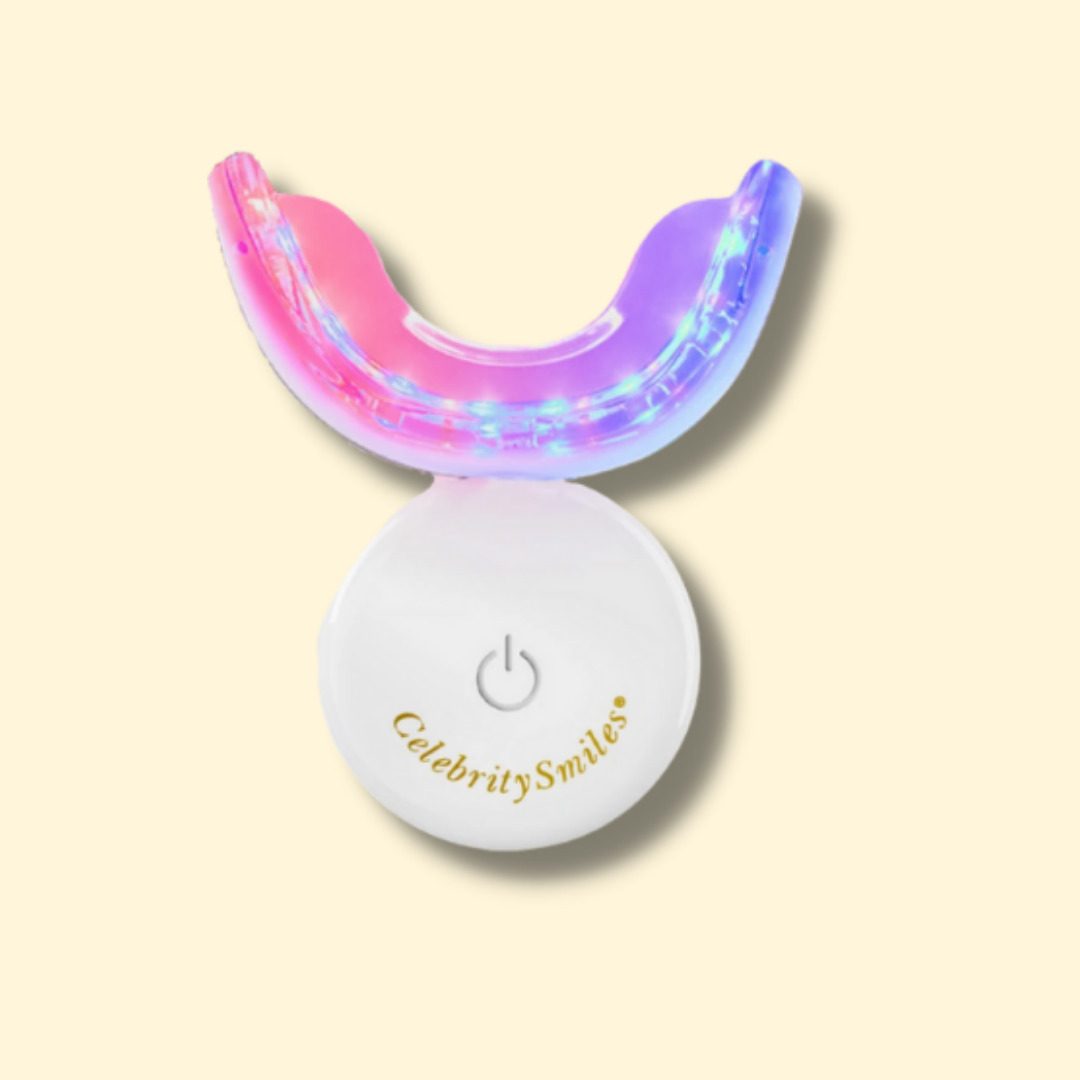
At the initial enrollment they leave with a teeth whitening kit. This is an LED blue and red light Cool Light technology mouthpiece with shade guide and a whitening pen. You buy dental grade professional whitening products at wholesale. These products were created by Dental Practice Solutions founder, Debbie Seidel-Bittke. You save an pass along the savings to your patients.

*Teeth whitening is a 6 BILLION Dollar industry but most people are buying their teeth whitening online or in a retail store. Why not ride the wave and tap into this huge profit center in your dental practice?

Ask me how to create a 100k annual net profit center around teeth whitening plust the turn-key system will grow your new patient numbers, increase cosmetic dental services and reduces those last minute cancellations.

Currently, the web portal of information about implementing this patient loyalty-rewards system is no-cost when you click the link here.

Reference.

* Teeth Whitening Market Outlook: https://bit.ly/10BILby2026

Posted in Business, Business of Dentistry, Case Acceptance, Dental Hygiene Appointment, Dental Hygiene Patient Exams, Dental Hygiene Recare, Dental Hygiene Services, Dental Hygiene Services, Dental Hygiene Training, Dental Hygiene Treatment

Improving Dental Hygiene Patient Compliance: Strategies and Benefits

By: Debbie Seidel-Bittke, RDH, BS

August 2, 2023

Dental Hygienist working on a patient in the dental office.

As dental professionals, we understand the significance of maintaining optimal oral health. A well-maintained dental hygiene department not only ensures patient satisfaction but also contributes to the overall success of a dental practice. One crucial aspect that directly impacts patient outcomes is patient compliance with oral hygiene and treatment recommendations.

In this blog, we will delve into effective strategies to improve dental hygiene patient compliance, leading to enhanced productivity and patient loyalty. By implementing these techniques, you can create a thriving dental hygiene department in your practice and, ultimately, ensure the best possible oral health for your patients.

The Importance of Patient Compliance

Patient compliance refers to the extent where patients adhere to prescribed oral care routines and follow recommended dental hygiene practices. Unfortunately, despite the best efforts of dental professionals, many patients struggle with maintaining consistent oral hygiene habits. What we say goes in one ear and out the other.

This lack of compliance can lead to various oral health issues, including cavities, gum disease, tooth loss, and numerous systemic conditions such as heart attack, stroke, diabetes, high blood pressure, Alzheimers, etc, etc. As a dental professional, addressing and improving patient compliance is a pivotal step in promoting preventive dentistry and long-term overall health.

  1. Effective Communication

Clear and concise communication with patients plays a crucial role in improving compliance. Dentists and dental hygienists must take the time to educate patients about the importance of good oral hygiene and how it directly affects their total health. Utilizing visual aids such as charts, diagrams, and videos can enhance patient understanding and make oral health recommendations more relatable.

Encourage patients to ask questions and address any concerns they might have regarding their oral care routine. Use motivational interviewing which is an effective way to talk with patients. This is an evidence-based approach to help your patients accept the care they need. *See the reference below in references for more information about Motivational Interviewing.

Dental Hygiene Time Management. Explains when to complete important patient assessments.


  1. Personalized Care Plans

Every patient’s dental needs are unique. Tailoring dental hygiene plans to each individual patient can greatly enhance patient compliance. Conduct thorough assessments of their oral health, including systemic risk factors and previous dental history, to create personalized treatment plans. Engaging patients in the process and discussing their specific needs fosters a sense of ownership and responsibility for their oral health, increasing the likelihood of compliance.

Let patients know what exams and assessments you are completing. Always make them a part of your assessments. Collaboration is key if you want your patients to “own their disease.”

**See above image for time management strategies to help the dental hygienist “Complete it all!”

  1. Establishing Realistic Goals

Setting achievable oral health goals is vital in maintaining patient motivation and compliance. Collaborate with patients to set specific, measurable, and realistic objectives that align with their oral health needs. Understand where they are in their world and help them determine what they will commit to implementing outside your treatment room.  Break down the goals into smaller milestones and celebrate their achievements, reinforcing positive behavior and commitment to their dental hygiene routine.

  1. Utilizing Technology

Incorporating technology into your daily schedule can significantly improve patient compliance. Implement reminder systems through emails, text messages, or automated calls to prompt patients about upcoming appointments, follow-ups, and oral care routines. Discover fun ways to track your patients oral hygiene progress, and make this interactive for your patients.

It’s important to monitor your patients oral and total health. Show patients their progress. Congratulate them. Find ways to make oral hygiene changes feel good for your patient and create positive experiences.

Talking about technology, does your dental practice offer patients full-mouth scans, soft-tissue diode lasers and guided biofilm therapy options?

These are leading-edge technologies that will greatly benefit your patients oral health, reducing inflammation and will become great practice builders. Stay on top of the latest technologies that can assist in creating total wellness for your patients.

  1. Emphasize Preventive Dentistry

Promoting preventive dentistry is key to reducing  oral inflammation. Oral inflammation triggers numerous systemic diseases.

Encourage routine dental hygiene appointments, as preventive care allows for early detection of disease and timely intervention. Educate patients about the long-term cost-saving benefits of preventive measures compared to extensive treatments for neglected oral health issues.

Prevention costs a little but treating disease costs a lot.

Enhancing patient compliance offers numerous benefits, not only for the patients but also for your dental practice:

  • Better Oral Health Outcomes: Improved compliance leads to better oral health, reducing the risk of dental problems and enhancing overall patient satisfaction. Optimal oral health supports total health.
  • Enhanced Patient Loyalty: Patients who feel cared for and supported in their oral health journey are more likely to remain loyal to your practice. They will become your raving fans!
  • Increased Productivity: A proactive dental hygiene department that prioritizes patient compliance can lead to increased productivity, improved patient flow, and higher revenue.
  • Positive Word-of-Mouth: Satisfied patients are more likely to refer friends and family to your practice, further boosting your reputation and patient base. Every team member needs to ask for positive patient reviews!
  • Professional Fulfillment: Witnessing the positive impact of improved patient compliance can provide a sense of fulfillment and motivation for the entire dental team. Share the success of patient outcomes and always remember to celebrate your successes.

Conclusion

Improving dental hygiene patient compliance is a pivotal step to enhancing productivity and success within your dental hygiene department. When you adopt effective communication strategies, personalized care plans, and emphasize preventive dentistry, you can foster patient compliance and achieve total health outcomes.

Remember, patient compliance is a collaborative effort, and by supporting your patients in their total health journey, you can cultivate loyal and satisfied patients who are more likely to refer others to your practice. So, let’s work together to build a thriving dental hygiene department and ensure the best possible  health for all our patients.

Consider updating and optimizing your hygiene department with a complimentary discovery call.
Schedule here . You can also send us a message here.

Reference.

* Motivational Interviewing. Read More Here

Posted in Business of Dentistry, Continuing Care, Dental Hygiene Appointment, Dental Hygiene Department, Dental Hygiene Department Services, Dental Hygiene Recare, Dental Hygiene Services, Dental Hygiene Services, Dental Hygiene Treatment, Time Management

Build A Thriving Cosmetic Dental Practice: Understanding Your Patient’s Desires

By: Debbie Seidel-Bittke, RDH, BS

July 25, 2023

teeth Whitening Shade Guide

A successful cosmetic dental practice goes beyond providing excellent services; it requires understanding what patients truly desire. People are more likely to invest in what they want rather than what they are told they need. By implementing a smile evaluation and asking open-ended questions, dental practices can discover what patients truly want, leading to increased patient satisfaction and the opportunity to grow the practice further. 

Read this blog, and explore the importance of understanding patient desires. Learn how enrolling patients into a patient membership/loyalty program such as the Celebrity Smiles Club will significantly contribute to the success of a cosmetic dental practice.

Understand What Your Patient Desires

As cosmetic dentists, our primary goal is to enhance smiles and boost self-confidence in our patients. However, it is crucial to remember that each individual has unique desires and expectations. Using a smile evaluation and asking open-ended questions can help us uncover those desires effectively.

A smile evaluation is a comprehensive process that involves a thorough examination of a patient’s oral health, cosmetic concerns, and overall smile goals.  Ask questions to understand what your patient wants. Make it fun when you’re asking your patient what they want their smile to look like.

One fun example. Background: We just had a multi-million dollar lottery.

Scenario: As you are seating your patient, while establishing rapport, getting caught up, with a smile on your face ask:

“Mr. Smith, when you win the lottery this week, what do you want your smile to look like?” Wink.

You are certain to get a smile from your patient when you make the questions fun.

By asking open-ended questions and actively listening to patients, we can delve deeper into their preferences and aspirations.

The Power of Open-Ended Questions

Open-ended questions invite patients to express themselves freely, giving us valuable insights into their desires. Instead of asking yes or no questions, we can inquire about their dream smile, the aspects they wish to improve, or the emotions they associate with their current dental condition. 

This approach not only strengthens the dentist-patient relationship but also enables us to tailor personalized treatment plans that align with their wishes.

“People buy what they want, not what they need.”

Introducing the Patient Membership/Loyalty Plan: The Smile Club

One way to offer patients exactly what they desire is by introducing them to The Smile Club. This exclusive club offers cutting-edge teeth whitening solutions, ensuring patients achieve the radiant smile they’ve always dreamed of. Teeth whitening is one of the most sought-after cosmetic dental procedures, and by incorporating this into your services, you tap into a significant market demand.

Teeth whitening is exploding since 2020! Never in our history have so many people sought-out whiter teeth. Unfortunately, patients are not buying their whitening products from their dentist. Let’s create a paradigm shift and tap into this simple, easy profit center.

A turn-key system is included when you use Celebrity Smiles Club whitening products. The system will grow your dental practice with more new patients and more patients will schedule cosmetic cases. The turn-key systems included with The Smile Club, when implemented, sustains high productivity in your dental practice for years to come.

No need to see more patients or increase your overhead when you implement The Smile Club web-portal of resources.

Benefits of Your Smile Club Patient Membership 

  • Patient Loyalty!
      • Patients  join The Smile Club and pay a nominal fee for a take home whitening kit.
      • No impressions, no trays to fabricate, no added patient chair time.
      • Patients agree to your “change of appointment procedure.” Last minute cancellations and no-shows become a distant memory.
      • Patients agree to pre-schedule and show up for their routine preventive care, dental hygiene appointments.
      • Patients buy more whitening products from your office at a reduced fee.  buy and save.
      • You buy your teeth whitening products at wholesale and now you can afford to give away a whitening pen as a reward for pre-scheduling and keeping their appointments.
      • Patients buy and save. You passed along the savings and created more profitability with less overhead!
  • Quick and Effective Results: The Celebrity Smiles Club patient membership/loyalty plan, uses advanced teeth whitening techniques, delivering fast and impressive results.
  • Patient Reward 
    • Free whitening pens at routine hygiene appointments are the carrot used to grow your dental practice new patients, enroll more cosmetic cases and a lot more.
    • The Smile Club keep patients returning to your dental office.
    • You buy whitening products wholesale and pass the savings on to your patients. You give them a toothbrush and floss and what they really want are whiter teeth! Consider this a win-win.
  • Fast, effective, no-sensitivity
    •  Dental grade, no-sensitivity teeth whitening, is highly appealing to patients seeking immediate smile enhancements.
    • Ten minutes to a whiter-brighter smile.
    • Celebrity Smiles Club uses Carbamide Peroxide + Potassium Nitrate ingredients combined with Cool Light Technology Blue and Red LED  Lights mouthpiece.
    • * Red LED lights have evidence-based science stating they soothe, comfort and heal mouth sores, canker sores, etc. Great for post-op care! *
      • Think: Photobiomodulation.

** Teeth Whitening is projected to reach 11.6 Billion Dollars by 2030. **

Most people buy teeth whitening online or in a drugstore. What’s wrong with this picture?!

Let’s change this statistic and have our patients get their teeth whitening from their dental office. It’s easy money. No added time to your schedule or more patients in the chair.

Enroll for free and receive access to the resources, the system, included with The Smile Club. Discover how to create a $70,000+ net production profit center in your dental practice annually, and without more patient time or increased overhead when you tap into the sizzle of teeth whitening in North America!

  • Click the link at the end of this blog and implement the free resources.

Think: No impressions, no pouring models, no need to make whitening trays. No need for patients to return and pick up their whitening trays.

  • Increase This Simple Service & Profit Center: By offering a very popular and super simple service like teeth whitening using Celebrity Smiles Club whitening products, you will motivate and inspire more patients to consider cosmetic dentistry. Using the Smile evaluation opens the door to additional cosmetic services that both you and your patient may have initially overlooked.

Think: Teeth whitening simplified. More cosmetic cases: more veneers, Invisalign, implants, and crowns, etc.

  • Grow New Patient Numbers: Members of your patient rewards program, The Smile Club, are more likely to share their positive experiences with family and friends. This is a great way to attract new patients to your dental practice which will increase your reach within the community.
  • Market the Smile Club benefits everywhere possible: on your website, social media, and your monthly newsletter, etc.
    • Use The Smile Club marketing images around your dental office and on your website.
  • Enhanced Patient Retention: Enrolling patients into the Smile Club establishes a long-term relationship with your patients. Patients are motivated to return for routine preventive care dental hygiene appointments because of The Smile Club benefits.
    • When patients enroll they agree, they understand your procedure to change appointments.
    • Patients prioritize their dental appointments. 
  • Brand Loyalty: The Smile Club becomes synonymous with quality cosmetic dental care, fostering strong brand loyalty among your patients who enjoy its benefits.

Conclusion

Understanding what your patients truly want is at the heart of building a successful cosmetic dental practice. By completing smile evaluations and utilizing open-ended questions, you uncover your patients desires and craft personalized treatment plans to fulfill them. 

The Celebrity Smiles Club plays a crucial role in achieving long-term dental practice success. This loyalty plan offers patients the opportunity to achieve a bright, white smile quickly and effectively. Enrolling patients into The Smile Club, will not only enhance the success of your cosmetic dental practice but also fosters patient loyalty. This is a system that will boost new patient numbers, creating a thriving and satisfying dental environment for everyone involved.

The Smile Club, when all its systems are thoroughly implemented, will not only grow your new patient numbers, but it will increase case acceptance for cosmetic cases and last-minute cancellations become a distant memory.

Enroll today to learn more about the Celebrity Smiles Club system. Start today and all the benefits created for your dental practice here. 

There is no cost when you enroll today!

References.

  1. * Photobiomodulation. Accessed July 1, 2023 here.
  2. ** Teeth Whitening projected to reach 11.6 Billion Dollars by 2030. Accessed on July 1, 2023 here.
  3.  Adjunctive Therapy with Blue LED Lights. Accessed July 1, 2023 here.
Posted in Business of Dentistry, Case Acceptance, Dental Consulting, Dental Hygiene Appointment, Dental Hygiene Coaching, Dental Hygiene Department, Dental Hygiene Department Services, Dental Hygiene Services, Dental Hygiene Services, Dental Hygiene Treatment, Dental Implants, Dental Marketing, Dental Patient, DENTAL PATIENT CASE ACCEPTANCE, Hygiene Appointment Reactivation, Marketing, New Patients, Teeth Whitening

LED Red Light & Dental Lasers Used for Canker Sores

By: Debbie Seidel-Bittke, RDH, BS

April 8, 2022

Laser for Canker Sores. Soft Tissue laser to prevent canker sores. Dental Office Treatment of Canker Sores.
Dental Office Treatment of Cancer Sores.

Cold sores are not pretty to look at.

They are uncomfortable, painful, embarrassing, and hard to get rid of.

There are ways to help our dental patients alleviate these unsightly sores and prevent the pain from cancer sores.

Let’s take a deeper look at the cause of these ugly mouth sores and how dental professionals can be an advocate for treatment and prevention.

What is a Canker Sore?

  1. Canker sores are a common viral infection

A cold sore is a group of tiny, painful blisters caused by the herpes simplex virus (HSV). They’re also called fever blisters or herpes simplex labialis.

Up to 90% of people around the world experience at least one form of HSV.Dental professionals and especially dental hygienists are great advocates for their patients.

Patients see their dental hygienist routinely and dental professionals review medical histories. We are great messengers to educate or patients in prevention of canker sores and a lot more!

What causes Canker Sores?

Below is a list of triggers for these awful outbreaks:

  • Stress
  • Fatigue.
  • Overexposure to the sun
  • Exposure to cold temperatures
  • Upper respiratory infections and fever
  • Dental services: gum treatment, fillings, etc.
  • HPV
  • Hormonal changes
  • Compromised immune system
  • Certain foods: acidic foods, certain fruit, and chocolate

Prevention

When we see a medical history and the patient documents frequent cold sores, canker sores and herpetic lesions, we can now advise our patient about ways to help prevent these ugly, painful, mouth sores.

Below is a list of recommendations we can make for our patients who do suffer from canker sores:

  • Antiviral medications such as valacyclovir (Valtrex) or acyclovir (Zovirax).
  • Lysine, an essential amino acid is found in protein. It isn’t produced in your body, so you must consume it through an oral supplement or diet.

Common foods rich in lysine include:

  • beef
  • chicken
  • turkey
  • pork
  • codfish
  • sardines
  • eggs
  • yogurt
  • parmesan cheese
  • spirulina
  • soybeans

Lysine is essential for our health; it helps with calcium absorption and collagen formation. Many people many not consume enough lysine in their diet. Athletes and/ or vegans may need to consume more.

Lemon Lip Balm for Prevention of Canker Sores. How to prevent canker sores.
Lemon Lip Balm for Prevention of Canker Sores.
  • Lemon Balm

The antiviral properties of lemon balm, also known as Melissa officinalis, may help reduce the redness or discoloration and swelling associated with a blister, or protect against future infections — at least according to a 1994 study.

Use a lip balm with at least 1 percent lemon balm. Or, as an alternative, a compress made of a lemon balm infusion (tea) may provide similar benefits.

  • Avoid acidic foods such as citrus fruits and even an abundance or frequent chocolate
  • Red LED Light Therapy

Hint: Celebrity Smiles LED Red Light can be helpful! Keep reading to discover how. You can help your patients with this simple preventive technology.

  • Wash your hands often and don’t rub your eyes
  • Replace your toothbrush often
  • Don’t kiss someone who has a cold sore or use that person’s utensils, towels, or razors
  • Apply sunscreen to your face and lips before prolonged exposure to the sun
  • Replace your lipstick or lip balm often
  • How to Recognize a Cold Sore Outbreak

If your patient had chicken pox, a herpes virus, or anything similar, they are always at risk for these unsightly sores.

Let’s help our patients recognize the stages of a cold sore and help them put a halt to the progression of these unsightly sores.

Below is a list of what to look for when a cold sore is beginning:

Tingling

Tingling is the first sign of a cold sore and we can educate our patients that this is the most important time to do all that they can to prevent the unsightly sore.

This is the best time for your patients to call your office and on that day they come to your office for a very short appointment and doctor or a laser certified hygienist can use a soft-tissue, diode laser to ZAP the early stages of this canker sore.

Many offices when introducing the soft-tissue laser for prevention of a full-blown-ugly cancer sore educate their patients to call immediate and come in that day for a quick appointment to ZAP the red area that will soon be a canker sore.

You will find that doing this (in the beginning) at no-cost to your patients is a great practice builder!

If you do decide to charge for the ZAP of a cancer sore, the soft-tissue, diode laser does need to be completed at the first signs of a cancer sore and it takes maybe 15 minutes in your office to ZAP the canker sore.

The charge will be minimal and it’s recommended you charge less than $60. Many offices charge approximately $20-30 for a quick ZAP.

It truly is a great marketing tool and helps your patients out in a big say!

Also, recommend your patient use an anti-viral cream such as Abreva. This cream will need to be reapplied frequently and will cost almost as much as the laser treatment at a dental office.

The ZAP of your laser plus the addition of an anti-viral cream makes a big difference in the beginning stages of a canker sore outbreak.

People with Crohns Disease, auto-immune diseases, patients undergoing chemotherapy are known to constantly deal with cold sores so let all your patients know you can easily help them at the first sign of a canker sore.

Your patients will be your raving fans!

Blisters

One stage of cold sores is the blistering stage.

Blisters occur from day two to four of the canker sore outbreak.

These blisters can fill with fluids to make the skin around it swollen and red. Blisters can occur inside the cheeks, nose, and lips, as well as the soft tissues inside your mouth and even your tongue.

The reason for blisters occur is because the immune system is working hard to heal the virus. During this stage, you want to continue using an anti-viral topical cream.

Educate your patients to now squeeze these blisters. Touching and squeezing the blisters will cause transmission of the virus, it will exacerbate the sores and can slow down the healing time.

Oozing

Oozing occurs about day 4-5 of the canker sore outbreak.

This is when the cold sore is most contagious and painful. The blister can burst during this stage.

This can lead to a red round area of inflammation around the affected area.

Scabbing

Scabbing happens around days 5-8, This is when the canker sore dries out and a scab will form. The scabs can feel itchy, they can crack open and shrink.

Cracking will lead to the cold sore bleeding. Other symptoms that may occur include burning and itching.

Healing

Healing starts between days 8 to 10.

The time it takes to heal a canker sore depends on how bad the outbreak is and if you’re your patient began early preventive measures to halt the cold sore.

Canker Sores are Contagious

Oner reason a family of patients all experience cold sores is because they are contagious.

Parents who experience cold sores and kiss their babies are literally transferring the virus to their child.

It is also possible for the cold sore to spread if someone touches the cold sore and then touches another mucous membrane such as the mouth, eyes, or nose.

Cross contamination of the virus can occur when two people share some personal bathroom items, like a toothbrush, a razor or drinking from the same glass. These are all things that when shared with a person who has a cold sore they will spread the virus to another person.

LED Red Light For Prevention of Canker Sores

Conclusion

As dental professionals we are advocates for our patients. Prevention is key and as dental professionals we are armed with the tools to heal and even prevent these unsightly canker sores that many of our patient’s experience.

Dental Practice Solutions offers a Blue/Red LED Light to dental offices that not only helps BOOST whiter teeth but the red LED light has shown great results for people who have various mouth sores.

If patients wear the Red LED light mouthpiece for ten minutes, 2-3 times a week, they are less likely to experience mouth sores from canker sores, that are caused by a virus, chemotherapy, and auto-immune diseases.

Using a diode, soft-tissue laser to ZAP these ugly sores works well and your patients can leave with an LED Red Light to continue preventing a full outbreak of this ugly sore.

Studies have shown that phototherapy, either by LASER and/or LED, is an effective therapeutic modality to promote healing of skin wounds. 

Check out our reseller page to order this wholesale LED Light and help your patients prevent canker sores. This RED LED light helps heal oral inflammation, soreness after dental treatment, dental sores, etc. The LED Light mouthpiece can also BOOST whiter teeth.

Find out how to use this in your dental office here.

Take your hygiene department to the next level. Enroll in our course.

Posted in Dental, Dental Hygiene Adjunctive Serivices, Dental Hygiene Appointment, Dental Patient, DENTAL PATIENT CASE ACCEPTANCE, Dental Services

Does Your Dental Hygiene Schedule Include a Black Hole?

By: admin

June 20, 2019

Holes in the dental appointment schedule are a huge challenge in today’s world of dentistry.

How much does one hole in your schedule each day cost your dental practice over the next year?

The truth is that is costs your dental practice hundreds-of-thousands-of-dollars over a year, if you have just one hole in your schedule.

Does your dental hygiene schedule include a black hole?

Does your dental hygiene appointment include a black hole?

How many times does a dental patient call your office to change their appointment and they tell you they will “Call you back when they have more time?”

In the video I share today, you may think, “this is not our office!.” Your’e saying to yourself we never let patients leave or change an appointment without scheduling their next appointment!

We hear this statement all the time.

THE NUMBERS DON’T LIE

Our team of consultants and dental coaches currently evaluates dental practice key performance indicators (important measurements of success in a dental practice) and I can tell you that it is all too common that we see a huge, long list of patients who left the office without scheduling a next appointment.

Until you look at your numbers, it may appear that you are scheduling every patient with a next dental appointment.

The administrative team is responsible for most of the patient schedule. It’s important that every team member who will schedule a patient appointment understands the dental practice system for scheduling patients.

Working together as a team to have strategic systems and protocols are a key component of every successful dental practice.

The best way a dental hygienist can help reduce the holes in your dental practice schedule is to create value around what is completed at a dental hygiene appointment.

● What does your scheduling system look like?

● Does your team know what is included in your scheduling system?

● What do you say when a patient does need to change their dental appointment?

● How can you reduce the number of patients who call to change a dental appointment?

Much of this relies on your verbal skills, the words you use to add value to the dental services your provide.

Words like “teeth cleaning,” scaling and root planing and even the word decay,” do not add the same value as words such as, “preventive care appointment, gum therapy or gum treatment and cavities or hole in your tooth.” Try using Portland Pothole or just the word “Pothole” next time you see a cavity.

Patients can relate to these words.

One important point to make is this, until your patients say, “Do NOT call me anymore,” continue to follow-up.

Let your patients know you miss them, that you care about them and that a healthy mouth more likely means a healthy body.

No one I know has ever complained because I told them I cared about them.

I must ask, what is your scheduling and change of appointment system?

Does a dental hygiene appointment ever go into a black hole?!

ABOUT THE AUTHOR

Debbie Seidel-Bittke


 DEBBIE SEDIEL-BITTKE, RDH, BS

Debbie Seidel-Bittke, RDH, BS is founder and CEO of Dental Practice Solutions. Debbie is also a former dental hygiene program director. Her expertise is optimizing the hygiene department by taking a total team approach; including the doctor as the leader.


Check out the Dental Practice University intended for dentists and the entire team.

The university has training video modules, forms and scripts for each department in your dental practice.

The video modules are created for doctor(s) and include information to create a culture to bring in new patients, keep your dental team (employees) the life-time of your dental practice, as well as re-create or create your vision and mission. Doctors receive a 90-Day goal setting journal.

The hygienists have their own training video modules that cover time management, caries risk, treating the gingivitis and perio-patient.

The front office has video modules on phone calls, new patient calls, we provide job descriptions and a lot of information for hiring and keeping employees long-term.

You receive 24 AGD CE Credits. Try the University for FREE the first 2 weeks. Then you pay $97.00 a month indefinitely. You are locked in at $97/month!

The training includes 24 AGD CE Credits over a 12 month time for one person. You can use the training for your entire team but for individual log-ins and the additional AGD CE Credits you pay $20/month for each additional employee.

Learn more about the Dental Practice University here.


Posted in Blog, Dental Hygiene Appointment

Post navigation

  • Newer posts →

Return to Your Training Vault

Contact Info

  • 15508 W. Bell Road Suite 101 PMB 431, Surprise, AZ 85374
  • (623) 252-1941
  • admin@dentalpracticesolutions.com

Office Hours

  • Mon-Thu 8:00am - 5:00pm PST
  • Friday 8:00am - 2:00pm PST

Useful Links

  • Home
  • About
  • Sitemap
  • Terms of Use
  • Privacy Policy

Recent PR

  • PrestoSmile® and Dental Practice
  • Dental Practice Solutions - Debbie Bittke
  • Dental Practice Solutions - Debbie Bittke
  • Dentistry Leaders
Copyright 2026 Dental Practice Solutions

    Input this code: captcha

    captcha

    • Home
    • About
      ▲
      • About Us
      • Testimonials
      • Videos
    • Services
      ▲
      • Hire a Dental Hygienist
      • Dental Hygiene MAX Course
      • 6-Month Dental Hygiene Department Optimization
      • 12- Month Dental Hygiene Department Training
      • Dental Hygiene Department / Team Workshop
    • E-Learning
      ▲
      • Free Resources
      • BOOST CASE ACCEPTANCE eBook
      • Treating the Gingivitis Patient
    • Webinars
      ▲
      • Oral Inflammation and Systemic Vitality
      • Properly Sequence Hygiene Appointments
      • Alzheimer’s Disease Prevention.
      • The Mouth-Brain Connection
    • Blog
      ▲
      • Podcasts
    • Contact Us

    Schedule your free coaching call here client login

    (888) 816-1511

    Introduction to Orientation Video Part 1