Dental Practice Solutions
Schedule My Opportunity Call Call us now (623) 252-1941 Client login
  • Home
  • About
    • About Us
    • Testimonials
    • Videos
  • Services
    • Hire a Dental Hygienist
    • Dental Hygiene MAX Course
    • 6-Month Dental Hygiene Department Optimization
    • 12- Month Dental Hygiene Department Training
    • Dental Hygiene Department / Team Workshop
  • E-Learning
    • Free Resources
      • BOOST CASE ACCEPTANCE eBook
      • Treating the Gingivitis Patient
    • More Courses
      • Oral Inflammation and Systemic Vitality
      • Properly Sequence Hygiene Appointments
      • Alzheimer’s Disease Prevention.
  • Webinar
    • Current Webinar
    • Power Hour March 15 2024
  • Blog
    • Podcasts
  • Contact Us

Navigating Dental Practice Management in Arizona

By: Debbie Seidel-Bittke, RDH, BS

December 12, 2023

The thriving state of Arizona has become a hub for innovative healthcare practices, and within this landscape, the significance of Dental Practice Management has never been more evident. Efficient management is the bedrock upon which successful dental practices are built, and dental professionals in Arizona are navigating this intricate terrain with the guidance of expert dental consultants. In this comprehensive exploration, we delve into the nuances of dental practice management in the Grand Canyon State, shedding light on the role of consultants in shaping successful practices.

The Dynamic Landscape of Dental Practice Management

Dental practices in Arizona are not merely clinics; they are dynamic entities navigating the ever-evolving landscape of healthcare. The role of dental practice management in Arizona extends beyond administrative tasks; it encompasses strategic planning, operational efficiency, and a keen understanding of the local healthcare ecosystem.

Arizona’s unique demographic mix and evolving healthcare regulations demand a nuanced approach to dental practice management. From optimizing patient flow to ensuring compliance with state regulations, dental practices need to synchronize various elements seamlessly. This is where dental management consultants play a pivotal role.

Strategic Partnerships: Leveraging Dental Management Consultants

In the realm of dental practice management, collaboration with dental consultants has emerged as a strategic imperative. These consultants bring a wealth of experience and insights, offering tailored solutions to address the specific challenges faced by dental practices in Arizona.

As dental professionals navigate the complexities of running a successful practice, dental management consultants serve as trusted advisors. They provide strategic guidance on streamlining operations, enhancing patient experiences, and implementing cutting-edge technologies. Through meticulous analysis, consultants identify areas for improvement and help practices unlock their full potential.

Operational Excellence: A Key Tenet of Dental Practice Management in Arizona

Operational excellence is a cornerstone of successful dental practices in Arizona. From appointment scheduling to inventory management, every aspect of operations contributes to the overall patient experience. Dental Practice Management in Arizona revolves around achieving a delicate balance between efficiency and quality of care.

Consultants specializing in dental practice management bring a fresh perspective to operational challenges. They introduce innovative systems and processes that not only enhance efficiency but also elevate the standard of patient care. By optimizing workflows and implementing best practices, these consultants empower dental practices to thrive in a competitive healthcare landscape.

Patient-Centric Approach: A Paradigm Shift in Dental Practice Management

The heart of dental practice management lies in delivering exceptional patient care. Arizona’s dental practices are witnessing a paradigm shift, with a growing emphasis on a patient-centric approach. Beyond clinical expertise, patients seek personalized experiences and a supportive environment.

Dental management consultants play a crucial role in facilitating this shift towards patient-centric care. They assist practices in implementing communication strategies, training staff in empathetic patient interactions, and leveraging technology to enhance the overall patient journey. In a state where healthcare consumerism is on the rise, a patient-focused approach is not just a choice but a necessity.

Technological Integration: A Catalyst for Advancement in Dental Practices

In the digital age, technology has become a catalyst for advancement in dental practices. From digital records management to telehealth solutions, the integration of technology is reshaping the landscape of Dental Practice Management in Arizona. However, the adoption of technology comes with its own set of challenges, including staff training and ensuring compliance with industry standards.

Here, dental consultants step in as guides, helping practices navigate the complex terrain of technological integration. They assess the specific needs of each practice, recommend suitable technology solutions, and oversee the implementation process. This ensures that dental practices in Arizona stay at the forefront of innovation while maintaining operational efficiency.

The Future of Dental Practice Management in Arizona: A Roadmap Ahead

As Arizona’s healthcare landscape continues to evolve, the future of dental practice management holds both challenges and opportunities. Dental management consultants will play an increasingly integral role in guiding practices through these changes. The key lies in adaptability, continuous improvement, and a commitment to delivering exceptional patient care.

In conclusion, Dental Practice Management in Arizona is a multi-faceted journey that demands strategic thinking and operational finesse. The collaboration between dental professionals and dental consultants is not just a partnership; it’s a roadmap to success in an ever-changing healthcare environment.

For those looking for guidance on navigating the complexities of dental practice management in Arizona, Dental Practice Solutions stands as a beacon of expertise. As a trusted ally, we empower dental practices to not only survive but thrive in the dynamic landscape of Arizona’s healthcare industry.

  • Doctor, are you happy with the dollars in your bank account?
  • Do you wish your insurance reimbursement was more?
  • Does this reimbursed amount pay for your hygienist’s hourly wage?
  • Is your hygiene department production 20% – 30% of your total production?

If you feel any type of stress as you read these questions, please understand that I created a solution JUST for you.

BOOK a quick call so I can tell you more.

Only 10 offices are going to participate in this hygiene department training.  It begins Feb 6 and ends May 5, 2024. Attendance is by application only!

When you begin today, December 2023, you receive over 4 months of the same tuition as the 3-month training.

BOOK HERE


Posted in Dental Hygiene Department, Dental Hygiene Department Services, Dental Hygiene Patient Exams, Dental Hygiene Recare, Dental Hygiene Services, Dental Hygiene Survey, Dental Hygiene Training, Dental Implants

Maximizing Dental Hygiene Department Production: Key Strategies

By: Debbie Seidel-Bittke, RDH, BS

August 22, 2023

Dental Hygienist uses the latest technology for a patient exam.

Maintaining a successful dental practice involves more than just delivering quality dental care; it also requires effective management and a keen understanding of the industry’s evolving trends. In today’s competitive healthcare landscape, dentists are constantly seeking ways to boost production and enhance various systems, and services especially in your dental hygiene department. 

As our dental profession evolves, the dental hygiene department becomes more and more important to  patient care and your dental practice growth. In this blog, we will delve into the topic that will elevate your dental hygiene department’s productivity and overall success.

The Digital Revolution in Dental Hygiene 

The advent of digital technology has transformed many aspects of dentistry, and the dental hygiene department is no exception. Dentists are increasingly exploring digital tools such as iTero, etc., to streamline operations and improve patient care.

One of the key areas where digital innovation is making a significant impact is patient communication and education.

Incorporating interactive tools like digital scans, intra-oral cameras, and educational videos can empower patients to take charge of their oral health. Making the patient part of their treatment plan and the discovery about what is happening in their mouth makes case acceptance much easier.

Through technology and various tools you can educate patient you boost patient engagement and the ability to “want the care they need.” This will also help you get patients to continue returning to your office. 

A high-level of patient engagement builds trust and trust means patients are more likely to accept your care and return for future appointments.

Telehealth and Virtual Consultations 

Another emerging trend that dentists are exploring to enhance their dental hygiene department is tele-health consultations. This innovative approach allows dental hygienists to connect with patients remotely, providing consultations, answering questions, and offering guidance on oral health routines.

Tele-health can be a great way to meet potential new patients and hygienists can offer post-op care to their patients more easily.

Consider using tele-health to meet new patients, especially patients who may be fearful about going to a dental appointment. You can also do a dental exam to assess a patients smile, maybe assess their shade when patients are interested in teeth whitening services.

Check out the Smile Club which will allow you to virtually assess a patients shade and they can now come by your office, register for the Smile Club, hopefully feel more comfortable to schedule a new patient appointment. The Smile Club uses Celebrity Smiles teeth whitening and patients leave with their whitening kit that same day.

There are no impressions, trays to make, etc, etc. Your ROI can be huge when you use tele-health for cosmetic dentistry initial exams.

Tele-health allows you to reach a wider audience, ultimately boosting production by catering to different patient preferences.

Data-Driven Analytics 

Data driven analytics is rapidly transforming our dental profession is no different. Dentists are recognizing the value of data-driven decision-making to optimize their dental hygiene department’s productivity. By harnessing the power of patient data, practices can gain insights into patient behaviors, treatment preferences, and patterns in oral health issues.

What matters to you will always get measured. Without looking at what is working and not working you can never assess you future success potential.

Ultimately, data-driven decision-making can enhance patient satisfaction, leading to higher retention rates and increased referrals.

Continuing Education and Dental Hygiene Department Training

As a dental professional you most likely understand that the expertise of the dental hygiene team directly impacts the success of the hygiene department. Investing in continuing education and training for dental hygienists is a strategy that dentists are actively pursuing to boost production.

Staying updated with the latest advancements in dental hygiene techniques, innovative tools, technologies and time saving systems, ensures that dental hygienists can provide the highest level of care to their patients.

Moreover, skilled and knowledgeable hygienists are more likely to spot early signs of dental disease and any abnormalities. They know how to more easily and effectively educate patients, performing more than just a cleaning.

All of the above contribute to improved patient outcomes and loyalty for patients to return to your dental office.

Collaboration and Workflow Optimization 

Collaboration within the dental practice is essential for efficient operations and patient satisfaction. Dentists are recognizing that a streamlined workflow between the dental hygiene department and other areas of the dental practice, such as scheduling, billing, and treatment planning for improved case acceptance, can significantly impact overall productivity.

Implementing strategic and time-saving solutions facilitate seamless communication between the various areas of your dental practice.

Optimizing your current systems will eliminate bottlenecks, reduce last-minute cancellations, and enhance the patient experience. When different aspects of your dental practice work in harmony, this translates into more patient appointments, an optimized patient schedule, higher production without running on a treadmill and an overall positive impression of the practice.

Conclusion 

Our dental industry is evolving at a rapid pace, and most dentists are proactively seeking strategies to boost production and enhance various departments. The dental hygiene department, in particular, plays a crucial role in patient care and practice growth.

By embracing the latest technology, incorporating tele-health, making data-driven decisions, investing in continuing education, and optimizing collaboration, dentists can elevate their dental hygiene department’s productivity and provide exceptional patient care.

Staying attuned to the latest trends and innovations in dentistry ensures that dentists remain competitive and capable of meeting the evolving needs of their patients. As the landscape continues to evolve, dental practices that embrace these strategies are well-positioned to thrive in the ever-changing world of oral healthcare.

If you found this blog valuable and if you are curious about how you can optimize your dental hygiene department and boost production more easily, schedule a complimentary discovery call. This will only cost you time. Time can be a valuable asset when you have a goal that becomes your next level of success.

Schedule your call here. 

Can’t find a time on the calendar? Please send us a message here with a day and time that does work.

Posted in Business, Business of Dentistry, Case Acceptance, Dental Hygiene Patients, Dental Hygiene Services, Dental Hygiene Treatment

Unleash the Dental Code Breakers: Elevate Dental Hygiene Care Using the ADA Codes

By: Debbie Seidel-Bittke, RDH, BS

June 30, 2023

ADA/CDT Dental Hygiene Codes

As dental professionals, staying up to date with the latest advancements in dentistry is essential to provide optimal care for our patients. One significant aspect of every successful dental practice involves effectively utilizing the Current Dental Terminology (CDT) with codes established by the American Dental Association (ADA).

In this blog, we will explore the various ADA codes used during dental hygiene appointments, including gross debridement, gingivitis, SRP, soft tissue diode laser, fluoride varnish, oral hygiene instructions, oral cancer screening, and other new and not so new ADA codes that enhance patient care and streamline documentation.

At this time, get a pen and paper and take notes because you are about to read valuable information that you will want to implement after you read this blog.

  1. Gross Debridement (Code: D4355): Gross debridement is a critical procedure used to remove heavy plaque and calculus deposits from the teeth, particularly in patients who haven’t received dental care for many years. The CDT code D4355 allows dental professionals to accurately document and bill for this essential service, ensuring proper reimbursement and improved patient outcomes.

This code is not to be used in conjunction with a comprehensive exam. At the time of the 1st quadrant when the patient returns for gum treatment the hygienist will complete a comprehensive periodontal exam (CPE) and you will bill insurance for the CPE. The CPE is now paid at the same rate as a comprehensive exam.

  1. Comprehensive Periodontal Exam (Code D180): This code is used to evaluate gingival health. Annually, every adult (or when a patient has a full dentition of permanent teeth) should have a comprehensive (CPE) exam completed and documented annually.

When you make the determination that your patient has a specific level of gum disease this exam information and the documentation is now used for your patient to receive insurance reimbursement for the specific service they will need to treat their gum disease.

Practice Management Tip:

The CPE is completed not only annually but after gingivitis has been completed, at the 2–6-week re-evaluation (most likely this next appointment will be a prophylaxis but there may be circumstances where you will retreat for gingivitis. Not the norm but it is possible. That is another blog, another day) At the appointment 2-6 weeks after the initial treatment of gingivitis you will complete the CPE to determine if there is a halt of the oral inflammation, the generalized moderate to severe gingivitis.

When a patient needs scaling and root planing most insurance companies request the CPE be documented and submitted on the time the first quadrant or 1-3 teeth are scaled.

At the 1st Periodontal Maintenance appointment, the 6-week re-evaluation, the CPE is again completed.

After your patient has completed gum treatment, annually complete and bill their insurance for the CPE. Many insurances will pay for this service annually once your patient has completed gum treatment. If you never bill for this service you will never receive reimbursement. One day dental insurance will cover this procedure and if you are not billing, then your patient misses out on the potential reimbursement.

The more offices that submit a specific CDT code for reimbursement, the more likely in the future, insurance companies will pay for that service.

We experienced this when the fluoride varnish CDT code became available and now most insurance companies cover for this. It’s the same story for coverage of the Oral Cancer screening as mentioned below.

Completing the CPE after gingivitis and any type of gum treatment provides critical knowledge for the dental hygienist and dentist to determine the end phase of the gum treatment.

Without a final CPE we will never know if the patient’s oral inflammation has resolved.

Determining the End-Point of gum disease is an important factor when determining the patients preventive care (Recare) or periodontal maintenance interval.

  1. Gingivitis Treatment (Code: D4366): Gingivitis, characterized by generalized moderate to severe inflammation which may include bleeding on probing, requires diligent treatment to prevent gum disease progression into more severe periodontal (gum) disease.

In 2018 the ADA established this valuable CDT code which helps the dentist and dental hygienist identify generalized moderate to severe inflammation without radiographic bone loss.

This allows dental hygienists to jump off the prophy treadmill and spend more time explaining the importance of optimal oral health that supports a longer-healthier life. Dental hygienists no longer “Just Clean teeth” but they also educate and inform patients about how to have a healthy mouth (“optimal oral health”) which supports a longer, healthier life.

Practice Management Tip:

Once gingivitis has been diagnosed, after the dental hygienist has had time to discuss the mouth-body connection and educate the patient on prevention of oral inflammation means less chance of other systemic disease over the course of their life, if your state allows the dental hygienist to use a diode laser this is how you will begin the gingivitis service.

Begin with laser bacterial reduction (Use a soft tissue diode laser on a specific setting) to reduce inflammatory markers. The diode laser reduces inflammation in the mouth and it also affects the cells in our body at a mitochondrial level.

Next ultrasonics are used, then scale, and polish, if time permits (Polishing can be completed at the re-evaluation appointment in 2-6 weeks). Complete oral hygiene instructions, provide post-op instructions, and schedule the patient to return in 2-6 weeks to re-evaluate (Comprehensive periodontal evaluation at the next appointment. CPE).

At the 2–6-week re-evaluation, when the CPE is completed and if the patient’s oral condition has improved, only localized inflammation, a prophylaxis is completed. Plan to use LBR (Diode laser) around each tooth at the 2nd appointment after gingivitis treatment.

The re-evaluation appointment is also a time to once again reinforce the mouth-body connection, provide additional home care instructions and/or update homecare and establish a Recare interval of six months (Not always is six months appropriate but this interval must be determined at this 2nd appointment) hygiene appointment.

  1. Scaling and Root Planing (ADA codes D4341 scaling and root planing for four or more teeth and D4342 scaling and root planing for one to three teeth) These codes are therapeutic procedures and indicated for patients who require gum treatment due to radiographic bone loss with subsequent loss of attachment. Instrumentation of the exposed root surface to remove deposits is an integral part of this procedure. Soft tissue diode laser is an important adjunct you want to add to this procedure. The laser is set to a laser periodontal therapy setting and it is used full mouth even if you are scaling one quadrant. The LPT setting is used on the quadrant scaled and the other areas can be treated with the LBR setting.

Laser is used full mouth at each periodontal (gum) treatment appointment, as well as the 4–6-week re-evaluation (the 1st periodontal maintenance appointment) and then at all future periodontal (gum)maintenance appoitments you will use the laser.

  1. Soft Tissue Diode Laser (Code: D9997): Utilizing a soft tissue diode laser in dental hygiene appointments can provide several benefits, including improved healing, reduction in bleeding, and enhanced patient comfort. The ADA code D9997 enables dental professionals to accurately code and bill for soft tissue diode laser procedures, promoting transparency in treatment records and insurance claims.

Soft tissue diode lasers will affect and stimulate at the cell mitochondria level. For patients who are diagnosed with systemic inflammatory diseases such as, stroke, heart attack, high blood pressure, Chron’s disease, rheumatoid arthritis and most recently, we know patients with oral inflammation have a high risk for Alzheimer’s as they are.

Soft tissue diode laser is a valuable adjunctive service for not only gingivitis and gum treatment but for all future dental hygiene appointments laser bacterial reduction (LBR) should be included in the hygiene appointment if the patient has completed gum treatment or has systemic inflammatory diseases.

  1. Fluoride Varnish Application (Code: D1206): Fluoride varnish is a preventive treatment that helps strengthen tooth enamel, protecting against tooth decay. The ADA code D1206 allows dental hygienists to properly document and bill for fluoride varnish applications, ensuring patients receive the benefits of this valuable preventive measure.

Applying fluoride varnish means you can arrest and reverse the process of cavity formation.

Practice BOOST Tip: Look at the current number of patients who receive this preventive service.

Practice Management Tip: If at least 30% Of your current hygiene patients leave without a fluoride varnish educate yourself and the entire team about the benefits of this simple and inexpensive preventive service.

Read more about this here: https://bit.ly/F2VarnishBenefits

And read: https://bit.ly/CAMBRAADA411

  1. Oral Hygiene Instructions (Code: D1330): Patient education is a crucial aspect of dental hygiene appointments. The ADA code D1330 allows dental professionals to record and bill for the time spent on providing oral hygiene instructions, including proper brushing, and flossing techniques, the importance of regular dental visits, and the benefits of maintaining optimal oral health.
  2. Oral Cancer Screening (Code: D0431, D0432): Regular oral cancer screenings are essential for the early detection of potentially malignant lesions. The ADA codes D0431 (screening) and D0432 (diagnostic) help dental professionals accurately document and report oral cancer screenings, enabling prompt diagnosis and appropriate referral if necessary.

No longer do we wait until we visually see an oral abnormality to refer out for a biopsy, etc. We can now use fluorescence lights to detect abnormal cells before they are visible to the naked eye or felt upon palpation.

Practice Management Tip:

More and more dental insurances do reimburse for this important and life-altering service.

If you are not completing an abnormality screening using fluorescence technology take time to read about this and educate the team how to have conversation with patients to prevent life altering oral cancer.

If you do not use this technology or understand it’s importance in saving lives be sure you read this evidence-based article: https://www.ncbi.nlm.nih.gov/pmc/articles/PMC8729265/

ADA Codes: The ADA continually updates and introduces new codes to meet the evolving needs of the dental profession. It’s essential to stay informed about these updates and incorporate the relevant codes into dental hygiene appointments. Dentists and dental hygienists should regularly review the ADA’s updates to ensure accurate coding and billing practices while delivering the highest standard of care.

Conclusion:

The use of ADA codes in dental hygiene appointments plays a crucial role in enhancing patient care, facilitating accurate documentation, and streamlining billing processes. By correctly documenting procedures such as gross debridement, gingivitis treatment, scaling and root planing, soft tissue diode laser usage, fluoride varnish application, oral hygiene instructions, and oral cancer screenings, dental professionals can provide comprehensive care while ensuring proper insurance reimbursement.

Additionally, staying updated on new ADA codes allows dental teams to remain at the forefront of dental practice management and advancing patient care.

As always, please reach out if I can be of service to your hygiene department. Do you believe your hygiene department is running like a well-oiled machine?

Do you know that your hygiene department production should be approximately 30% of your total dental office production?

This dental industry KPI is for a general dental office and if you are a prosthodontist of doing high-end cosmetic dental cases it’s possible that your hygiene department is about 20% of your total production.

One more key metric to analyze is the percentage of adult patients aged 18 and above have some level of gum disease. When you look at the percentage of adult patients who have received a 4366, 4341, 4342 or 4910 in the past 12 months. If this percentage is not at 30% it’s time to consider looking at why this number is so low when in fact, a large majority of adults do have some level of gum disease. If this percentage is less than 30, I recommend you schedule a quick coffee chat so we can discover what’s truly happening.

Remember, “Prevention costs less money than treating disease” and “We are in the business of helping our patients live a longer, healthier life because of optimal oral health.”

Click this LINK and Schedule Your Coffee Chat to learn how to optimize these areas of your dental hygiene department.

Reference.

47% Of Adults have gum disease. https://bit.ly/47AdultGumDiseaseLinked accessed June 16, 2023

Posted in ADA/CDT Dental Hygiene Codes

Sustainability Within the Dental Practice

By: Debbie Seidel-Bittke, RDH, BS

July 16, 2022

                                     SUSTAINABLE

The arrival of summer brings with it new hope for sustainability and greener pastures. As more people become aware of the rising threat of global warming, we can see more improvements in the way businesses — large and small — continue operations. 

Sustainable practices have been around for quite some time. This movement encourages people to choose less wasteful methods and products for use in their daily lives. And while the biggest target of the sustainability movement is the bigger corporations, dental practices, too, are now using sustainability in business. 

Have you implemented green policies in your dental practice? If not, here are seven ideas you can use right now in your business. 

Choose to Go Paperless

Going paperless is a great way to optimize your dental practice workflow. It can make setting appointments more convenient for clients. Plus, automated forms are much more reliable than paper, since paperwork can easily be misplaced. There are over a dozen available software for clinics to buy and download. 

A few examples are: 

  • Doodle
  • Calendly
  • Arrangr
  • SimplyBook
  • Appointlet
  • Woven
  • CalendarHero
  • HoneBook
    • There are many other applications and software you can try besides the ones mentioned on this list. Take the time to look research them online to find the perfect app that fits your needs. 

Partner With Sustainable Businesses

Partnering with other sustainable businesses can help bring your sustainability goals to fruition. Green businesses use environmentally friendly production processes in their operations, reducing their environmental impact and improving carbon emissions. By partnering with these companies, you — in turn — reduce your energy consumption and as a result decrease your carbon footprint. 

Consider switching to a green bank that uses sustainable practices during transactions. You can also transfer to green utilities and energy providers, like Dominion Energy, Duke Energy, and Southern Company — among others. Lastly, consider stocking all-natural oral care products from toothpaste to dental floss. 

Use Organic or Eco-Friendly Scrubs

Organic or ethical scrubs are now available in most medical practices — including dental practices. Besides reducing your carbon footprint, one of the best things about these products is that they enhance blood circulation and help increase tissue oxygenation. As a result, your body maintains consistent optimal body temperatures, even while you’re hard at work. 

There are plenty of brands that now offer ethical scrubs. A few that come highly recommended are Barco One, Bella Organics Medical, Mediclo, Figs and Skechers. Ethical scrubs can cost anywhere between $30 to $70 on up — so they aren’t inexpensive. However, with the right care, they can last you a long time and are incredibly good for the environment and your health. 

Say Goodbye to Single-Use Plastics

The thing that most people don’t know about single-use plastics is that they don’t biodegrade. They just break down into microscopic particles that poison our environment. These microplastics end up in our water sources and food, ultimately entering our bodies later in the process.

Human exposure to microplastics is believed to cause oxidative stress in the body, according to researchers. It can also cause DNA damage and inflammation, among many other health conditions. 

For dentists, surface barriers, plastic cups, and patient giveaway bags can all be substituted with more eco-friendly and reusable options.

A few examples include: 

  • Metal or autoclavable plastic
  • Aluminum foil 
  • Biodegradable bags
  • Fluoride varnish 
  • Autoclave cassettes in reusable cloth
  • Reusable fabric bags
  • Bamboo toothbrushes
  • Biodegradable floss

Minimize Hazardous and Chemical Wastes

Most dental facilities are already required to use amalgam separators due to the quantity of mercury they contribute to wastewater. Another thing you may do to help is to think about greener alternatives to amalgam restorations. Another technique to make a real impact is to use digital photographs rather than traditional film X-rays.

Order in Bulk

This could be the easiest method for your practice to leave a positive impression on the environment. Bundling orders result in less packaging and lower vehicular emissions. 

When you buy in bulk, less vehicles are used to deliver a larger variety of dental office supplies. If you have your supplies delivered in larger quantities, larger packaging allows the delivery truck to be packed more efficiently. By using more efficient transportation, you’re also helping to save the environment by lowering CO2 emissions.

Switch to LED Lighting

LED lamps can last up to 20 times longer than conventional lighting. This not only helps the environment but also saves you money on electricity costs. Some LED bulbs have a lifespan of two to three years — or even decades.

Consider the long-term environmental benefits if everyone made this little change, e.g., less landfill waste, less production of new lights, and reduced shipping and packaging—three major criteria used to evaluate environmental problems. 

Final Thoughts

Sustainability is not something that anyone can easily achieve in a year. It will take quite some time before you make any noticeable changes to your dental practice. The important thing is that you start as soon as you can. Your efforts will compound and eventually create a larger impact on the environment. Take time to read through the seven ideas we shared today. Try to apply them to your dental practice and see how far it takes you. 

Thank you to our Guest Author Kartreena Sarmiento.

Posted in Dental, Practice Management Consulting, Uncategorized

5 Strategies for Managing A Dental Practice

By: Debbie Seidel-Bittke, RDH, BS

March 16, 2022

Guest Blog Post.

Image Source

For most dental professionals, it is challenging to see the dental offices as a business entity or a vocation, when in fact it is actually both. Although the entire practice is centered around ensuring optimal patients oral (dental) and total health, a dental practice will not be able to sustain your quality services if you’re not product, if revenue is not where it needs to be or if your equipment is not maintained well.

To make sure you can continue giving quality care, without sacrificing any other professional goal you might have, here are a few strategies for managing your own dental practice.

1. Reassess your working hours

Most dental offices still operate with a conventional schedule that usually starts at 8 AM in the morning and closes at or 5 PM. You might want to realign your clinic hours to better serve your patients, as well as open up your schedule for other opportunities. For example, some dentists who run a group dental practice, often have an alternating schedule. Some employees arrive early in the morning and leave early afternoon, while the employees arrive later in the day and leave later in the evening hours.

Many dental offices also intentionally work different hours, such as starting after lunch and schedule patients into the evening hours. This kind of setup allows patients to work half-day or get their dental work scheduled after their day of work.

2. Invest in your people

Of course, this is particularly important for all dental offices. Investing in your team in your dental practice is “investing in the business”. For starters, the dental office admin team members perform a wide range of activities from scheduling patient appointments, keeping records and the dental assistants complete various tasks that include x-rays, dental technologies like taking x-ray (images)and administer patient care. 

By equipping employees with the right certifications and training, they can perform some of the tasks that would otherwise fall on to the dentist themself. This saves up time and allows you to focus on more complex work, or attend to the business side of things.

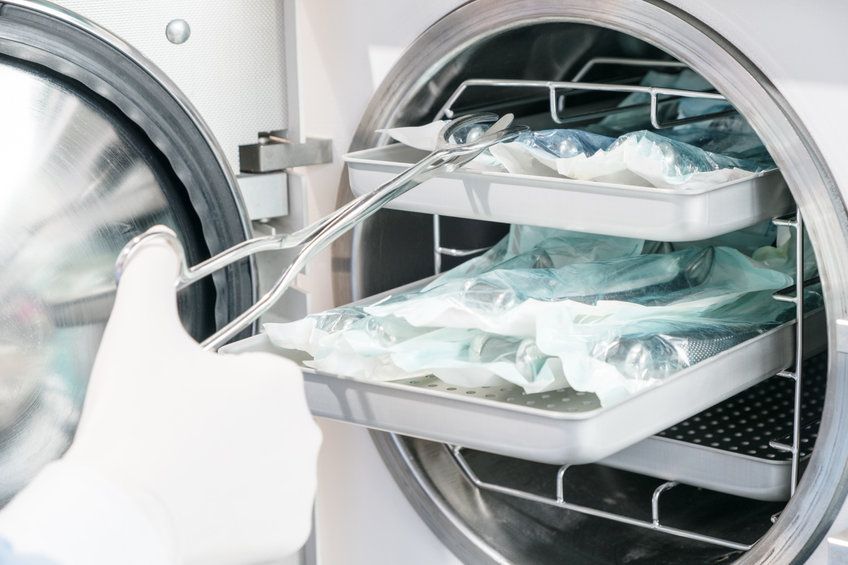
Maintenance of dental equipment.
autoclave sterilizing maintenance.

3. Include regular maintenance on your equipment

Like any other machinery, the pieces of dental equipment you have in your dental office also require a periodic maintenance to ensure it doesn’t break down or malfunction right when you need it. A regular maintenance schedule might sound like an added expense for the business but it pays for itself in the long run, saving you from the hassle of having to stop or reschedule an appointment because something in the clinic doesn’t work as it should.

Of course, it involves x-ray machines, washer-disinfectors, hydraulic patient seats, lights, and more. You’ll also need to regularly check your handpieces to make sure you do your work with no worries.

4. Start automating processes

Rapid advancements in technology have made most of them less expensive and therefore more accessible for everyone. Some clerical tasks in your dental office can use this technology, saving you time and effort, all while minimizing the risks that come with manually performing them. The most common example is appointment setting and scheduling, automated solutions available today let you customize the platform and let the patients handle the rest. They can set their own schedules and the system will notify your team for confirmation.

One example of automation that saves the employees time and keeps patients returning to your office is NexHealth.

You can even automate your HR platform for your team, making sure that everyone’s salary and benefits are automatically taken care of. It can even help you see your upcoming schedule or if someone is planning to take a paid time-off, even when you’re not in the office. Some of these automated platforms are available in web browsers or even in mobile apps, improving mobility and accessibility for you and your patients.

5. Monitor your inventory

Sometimes, it’s the small things that derail the entire operation. To make sure you never run out of the important things you need, make sure to always keep a good handle on your inventory. You must frequently review the pace at which you consume certain materials such as cotton balls, Q-tips, patient toothbrushes, gloves, etc. Keeping yourself updated on the inventory status makes sure that you don’t overstock and more importantly, you don’t run out of the things you need in doing your day-to-day business.

For small dental offices, having tight control over the inventory means you only buy what you need, when you need it. This practice frees up a portion of your finances for other purposes, such as training staff or setting maintenance schedules. Also, you can start setting up an inventory management system and train the rest of the team for increased efficiency.

Conclusion

Effectively managing your dental practice often starts with the small, often-overlooked parts of the job. By making sure you pay enough attention and allot enough resources, you can continuously improve the place you work in and the processes with which you do business. Not only do they create better employee and customer experiences, but they also take off things from your mind–letting you focus on providing the best oral and dental health services.

Thank you to our guest author: Kat Sarmiento

Posted in Business of Dentistry, Dental, Guest Blog

8 Tips To Get More Patients with Email Marketing For Dentists

By: Debbie Seidel-Bittke, RDH, BS

February 8, 2022

Image Source: Pexels.com

A dental practice doesn’t simply wait until it gets patients through the door. Every successful dental clinic will do everything to reach new prospects, from digital business cards for dentists to email marketing. Email marketing is a powerful way to connect with patients and have more visits through your door.

Are you looking to build on your roster of patients? There are many ways to use email marketing to create your mailing list and get more conversions. Here are x tips to get more patients with email marketing for dentists.

  1. Start With A Welcome Email

Some people only buy when they feel positive about a brand. This is why dentists often have a mailing list, where they connect with potential patients then welcome them warmly. 

Every email you send should have a “welcome” email, preferably within 24 hours after someone signs up for your list. This email is meant for people to know you, so include your personal story, why your dental care is essential, and what you’re offering. 

A welcome email can be a short and sweet email, personalized for the person. After joining the mailing list, they will receive an email with the welcome message, thanking them for their email subscription. 

Include images, videos, and testimonials from patients you’ve helped. This will build trust and show that you’ve been in practice long enough to make a difference. You can also include your contact information and a “how can I help you” section to strengthen your connection further.

  1. Brand Your Emails

A critical element for every email marketing is the branding of the email. Most people receive a few emails a day, mostly from businesses they care about or spam marketing. Uninterested people simply delete their emails or leave them unopen. However, branding your emails can make all the difference.

For starters, make a compelling subject line that makes the email fun. You want it cute, smart, or funny, encouraging customers to open the message and read its contents. Prepare a nicely designed email design with highly-valuable content.

Don’t forget about your email signature. Always include your name and contact information, together with a clear call to action on how to connect with you. A strongly branded email can make it stand out from the rest of the crowd and help add to your roster.

  1. Share Do It Yourself (DIY) Oral Hygiene Tips and Tricks

The number one tip for getting more patients with email marketing for dentists includes DIY oral care tips and tricks. While most people appreciate professional dental care, they also understand tips to use independently. 

You can share simple dental tips and can be quickly done at home. For example, you can include recommendations on brushing and flossing at home or using mouthwash. You can also share tips on teeth whitening and how to get rid of bad breath. 

Dentists can also share tips and tricks on good nutrition, such as foods that are good for oral health. These can include fresh vegetables and fruits, which are great for your teeth and breath. Even if a patient does not intend to return immediately, this creates a stronger connection with your patients, turning losses into profits.

  1. Send Email Reminders 

Perhaps the most common form of email marketing is email reminders. Dental practices send reminders to patients about their appointments, billing, and other reminders. This lets patients know you’re on top of things and care about their care. 

Include reminders for clients to return for follow-up appointments or reminders about billing. You can also send reminders about your bill due dates and payment schedules. 

If there is an appointment, trickle the reminders to a month before, two weeks before, a week before, three days before, and the day before.

You could also include reminders about hygiene, such as regular professional dental visits and dental cleanings. Regular dental visits are important in maintaining oral health and avoiding dental emergencies. 

  1. Get People to Share Your Email with Their Friends 

A great way to get more patients is to get them to share your emails with their friends. This increases your reach and expands your reach among your patients. 

Include a “share” button in your email, along with text that encourages patients to share your emails with their friends. You can also include a “share” button on your website, so patients can easily share your content on social media. 

Another way to get more patients with email marketing for dentists is to include referrals. Your mailing list is an ideal tool to let your patients know that you are recommending businesses or products that they have used and loved. You can include links to your recommended products or tell them more about the brands.

  1. Send Emails About New Products and Services

Another way to get more patients with email marketing for dentists is to send information about new products and services. For instance, you can announce regular dental cleanings, teeth whitening treatments, or new products.  

You can also announce new branches or locations. This lets patients know that your practice is growing and makes it easier to visit you. You can also send information about new services and treatments, such as cosmetic bonding, veneers, or braces. You can also announce new treatments and procedures. 

  1. Use Surveys and Polls  

One great way to connect with your patients is by conducting surveys and polls. These effectively get feedback from your patients, which can improve your services and cater to your customers’ needs.  

You can conduct surveys about dental care, and you can also ask your patients about their opinions. For instance, you can ask them if they’d like tips or advice on brushing and flossing or if they want suggestions for teeth whitening.  

You can also conduct polls about your dental clinic. For instance, you can ask patients if they think dental care is essential, if they trust you, or recommend your dental clinic to a friend.  

  1. Help Your Patients Understand Their Dental Costs

Dentists can get more patients with email marketing by helping people understand dental care costs. Most patients want to receive price estimates but don’t want to haggle over costs.   

You can send out price estimates, or you might want to develop online pricing calculators. These are effective tools that let patients easily understand your price estimates.   

You can also use email marketing to explain dental costs. For instance, you can explain how your insurance works and what your out-of-pocket expenses may be. You can also include your prices and explain how your insurance covers specific treatments. 

The Bottom Line

Getting more patients with email marketing for dentists takes time. However, most email marketing practices result in a higher ROI, so it’s worth the time and effort. 

Every dental practice should have a strong email marketing practice to connect with more patients. Email marketing is an effective tool to expand your reach, grow your mailing list, and attract new patients.

Thank you to our guest blogger: Kat Sarmiento for her contribution.

Posted in Uncategorized

How Do You Improve Your Game of Dentistry?

By: admin

April 9, 2019

Do you have a favorite sport or hobby?

I have always enjoyed playing tennis and in high school I played on the tennis team.

If you are like me, then mediocrity is not an option and being “just” average at what you enjoy is a non-negotiable.

As a high school student and tennis player, it was very important to me, that I was one of THE BEST players and I did everything in my power to do just that!

In high school, I hired a coach, Manni Papparani. I got a part-time job to pay for a coach so I could be the best!

Each week my tennis coach helped me refine my skills as a tennis player. Back in the late 70’s video was not real popular but my tennis coach would record videos of my swing and my serve.


My tennis coach was a professional and definitely on the leading edge,

I had a minimum-wage job part-time, and yet, I paid to be the best on the tennis team!

Rafael Nadal is one of the best tennis players in today’s world of tennis.

Why would Rafael Nadal hire a coach?

He is one of the worlds best tennis players in the world afterall?!

Does this even make sense?!


Why hire a coach when you are at the top of your game?!


Rafael is at his peak. He knows what it takes to be a winner and yet, he hires a coach. He hired his uncle, Toni Nadal.

To some, this may sound like a waste of Rafael’s time and money but to those of us who think being at the top of our game; hiring a coach is a non-negotiable.

Rafael Nadal has always had a coach. This is a very important part of what makes him the best.


Do you intend to be your best?


Dental school gave you a great start to become a clinician but if you intend to be a successful dental practice owner, you must be at your best to play this game called “Dentistry.”

How do you consistently improve your game of dentistry?


How Do You Improve Your Game of Dentistry?


Let’s look at Rafael Nadal’s Coach.


Toni Nadal as an example of a great coach:


  • Toni Nadal has worked as a tennis coach and has been a manager for a tennis club for many years.
  • He went before Rafael as an expert/professional tennis player.
  • He has a trainer’s degree and taught at the tennis club.


This example demonstrates an expert who has been “in the trenches,” they have educated themself to know what it takes to be great!

“Your success is outside your comfort zone?”


What are the Qualities of a Great Coach?


Again, let’s look at Rafael’s uncle and personal coach as an example:


  1. Discomfort.


Coach Toni is known for putting pressure on Rafael as he progressed forward in his career.

Most people don’t want to feel pressure. It’s human nature to not want to step outside our comfort zone.

Coach Nadal brought Rafael to the point of crying numerous times; but did this create success or failure?

The answer is an obvious NO.

Getting to the point of tears was part of Nadal’s journey. It’s part of what made him so tough.

Look at anyone who has accomplished great success.

Did they stay in their comfort zone or did they get out of their comfort zone?

They got out of their comfort zone? Right?!


  1. Respect.


Respect for equipment. This means taking care of the office dental equipment. Nadal believed that throwing a tennis racket showed a lack of respect towards people who could not afford the same equipment and the sport itself.


  1. Responsibility.


In the dental office this means you take responsibility for your actions. You show up on time to work. You have a sense of pride and ownership. This goes right alongside of respect.

Toni Nadal as a coach, trained Rafael on poor tennis courts with old tennis balls to show that it was not the equipment that would decide if he won or lost. He believed that losing was a fact of competing in sports and that the only one responsible for winning or losing was the player.

As a team member and even as the owner of your dental practice, how are you responsible for your success or loss of productivity?


  1. Authoritative.


Coach Nadal had an authoritarian attitude with the players that he coached. Toni Nadal wanted his opinions to be important to players he was coaching rather than it just being advice.

As the owner and leader of your team, you must have the authority to make the best decisions, you must be looked as an authority in your patients eyes as well as your employees.

Look to an authority who can guide you doctor, someone who will take you to your next level of success.


Why Hire a Dental Practice Management Coach?


In dental school dentists learn all about teeth, but very little about bookkeeping, cash‑flow, accounting, traditional & online marketing, hiring/terminating employees and so much more.

Dentists who try to do everything alone usually find it impossible to grow to a level of sustainability for the lifetime of their dental career. These are the dentists who can’t survive an economic decline.

Business experts, dental coaches, practice management consultants will help a dentist and their dental practice work more efficiently and accomplish more in less time and with less effort.

Hiring a dental coach, practice management consultant, will support the systems (or lack of) to optimize your dental practice productivity.

Asking for support from specialists will help you achieve more personal fulfillment and reduce your chances of the proverbial “burn-out.”


It’s Time to Take Action!


No matter where you are in the life of your dental career, you will benefit from hiring an expert practice management coach/consultant.

Without the support of a dental practice expert, you will work harder, you will work longer hours, you will not be as effective: as a leader, a husband and/or parent. If you want to enjoy your life more, you need to have a coach, and expert to support you in many different ways.

Most dentists want to have consistent growth and you need consistent growth in any business.

The best dental coach / consultant, will help you work smarter, not so hard. They will guide you to be the best leader of your dental practice. Your leadership skills will need constant refinement. This is just how successful businesses operate.

Never let your P & L, your budget, your production dollars today, stop you from hiring an expert.

The best expert for your dental practice will support you to optimize your systems and create a harmonious team. In return your level of productivity will receive annual dividends.

Hiring a dental expert should bring you continuous dividends.

Your part is to “show up.” When you take action, if you show up, you are a winner with a high ROI…..for the life of your dental practice.

When you take action now you can participate in our Dental Practice University (DPU) with up-to-date systems for you and the entire team. This also includes 16 AGD CE Credits when you are enrolled over the next year.

DPU has video trainings for everyone on the team, it includes scripts and forms to customize and use immediately. You can try out DPU now for ONLY $9.99.

ENROLL HERE TODAY!


ABOUT DEBBIE SEDIEL-BITTKE, RDH, BS

Debbie Seidel-Bittke, RDH, BS is founder and CEO of Dental Practice Solutions. Debbie is also a former dental hygiene program director. Her expertise is optimizing the hygiene department by taking a total team approach; including the doctor as the leader.


Schedule a FREE Profit Boosting Session Here today.

Posted in Practice Management Consulting

How the Dentists Can Estimate Their Potential ROI from SEO Services

By: admin

July 20, 2018

As a dentist, your e-mail is probably bombarded every day with various online marketing pitches. Everything from web design to e-mail marketing and copywriting—you name it, it’s there.

However, did you notice that neither of these sales letters tells you the most important thing, which is what your return on investment (ROI) will be, or how much money you can make if you invest in their services? They don’t, because in most cases, this is difficult to calculate. These online-marketing firms are not willing to go for such a commitment, and even if they do, the ROI doesn’t look that good.

On the other hand, there are services like search engine optimization (SEO), which delivers quite predictable results, and we can easily tell what your potential is if you invest in that. Furthermore, SEO is a long-term strategy. This means the ROI doesn’t fluctuate month by month. In fact, most of the time, the ROI increases every other month, even if you put the campaign on hold.

This is exactly what we’re going to teach you here. We’re here to help you form an easy way to estimate how much money you could make as a dentist practitioner if you invest in an SEO service.

Click the link below to read more on how you can estimate your ROI from search engine optimization.

Posted in Blog, Uncategorized

Dental Consulting | When Do We Begin Screening for Gum Disease?

By: admin

July 19, 2018

Dental Coach Oregon

Written by: Debbie Seidel-Bittke, RDH, BS, CEO

One of the big controversies working with dental hygienists is “When do we begin screening for gum disease?

It is a common question and each office we work with has a different answer.

What is the correct answer to this question?


In 2011, the American Academy of Periodontology published the Comprehensive Periodontal Therapy Statement, which recommends that all adults receive an annual comprehensive evaluation of their periodontal health.

The periodontal exam begins for all adults.


Who is considered an adult?

As a former dental assistant and then clinical dental hygienist, I have learned from experience, over years seeing teens and watching them grow to be mature adults, that periodontal disease begins at a very young age.

The description of adult for a dental patient begins when the patient has all twenty-eight of their adult dentition. This is the best time to begin screening for gum disease.

The conversation about gum health should begin with a patient at a very young age. You may notice that during orthodontic treatment, young patients have gingivitis. This is a great time to begin treatment for gingivitis and this conversation about the benefits of oral health.

Start educating your patients about gum health at a young age.

As dental professionals, our goal needs to be not only optimal oral health but optimal health. We are in a great position to help our patients understand that a healthy mouth can lead to a longer and healthier life. This needs to be our overarching message as a dental healthcare provider.

What does a periodontal comprehensive exam include?

The American Academy of Periodontology has a checklist that you can download. You can download this checklist here.

Your periodontal exam will begin with an overview of the patients’ total health. This will include recent surgeries, medications; herbs are included with medications because some herbs will cause more bleeding.

Here is a list of medications and herbs that may cause more bleeding then expected during a hygiene appointment or dental procedure.

What do we say when the CPE is not a good report for the patient?

It is very helpful when the clinician providing the CPE explains what is happening before they lie the patient back in the chair.

Next week I will walk you through the process on exactly what you should say before you begin the screening.

If you can explain what you are about to do for example, “I am going to use this ruler to take some measurements and these numbers mean X, Y & Z. When I am finished calling out these numbers, I will ask you “What is the highest and what is the lowest number you hear me call?”

When you explain this to your patients before you begin your screening, you will notice that patients tell you they have disease before you ask them what numbers they heard called out.


Your message

In conclusion, our goal is to help our patients live a longer and heathier life. When your patient has gingivitis, periodontitis or any type of infection in their mouth, it is a chance to sit with your patient and talk about the mouth-body connection.

We are in the business of helping people live a longer and healthier life.

When this is your message, you will have patients who schedule and pay for treatment. When this is your message you will have a dental practice of patients who return for routine care. This message shows how much you really care!

For more information about treating the patient with gingivitis and/or periodontitis download our free resource with a Hygiene Patient Flow Chart.

ABOUT THE AUTHOR

Debbie Seidel-Bittke, RDH, BS is a dental consultant, coach, speaker and author. She is also CEO of Dental Practice Solutions. Debbie is a world-class leader in creating profitable hygiene departments. She is well-known as a former clinical assistant professor at USC in Los Angeles and a former hygiene department program director. Dentistry Today recognizes Debbie as a Leader in Dental Consulting. She can be reached at (888) 816-1511. Send an e-mail to info@dentalpracticesolutions.com or go to her website: https://dentalpracticesolutions.com


Does your dental practice run your life? If you want to change the way you currently live your life in our world of dentistry check out our Live CE Event

Dentistry: Get a Grip on Your Practice and Grow Your Business

September 21, 2018   6AGD Credits

Early-bird special until August 21, 2018.

$97 Tuition which includes Food all day, Your Customized Success Blueprint, Prizes valued at $50-1,500.00 plus 6 AGD Credits.

More Info Here Click Here.

Posted in Dental Services, Treatment Planning

Dental Consulting | Are You Setting the Right Goals?

By: admin

July 5, 2018

Oregon Dental Coach

No matter how effective you are at vision casting, dreams require hard work and strategic planning to become a reality. Highly successful business owners know the benefits of setting realistic and measurable goals. Rethink the way you are setting goals for your business. Your ambitious plans will be successful only if you have a road map to reach them. By mastering the art of setting incremental, measurable goals, you’ll be able to more effectively to reach them. For more tips on managing your practice, contact our firm today.
 

Plan out the steps, not just the big picture.

Start small by establishing smaller goals on a quarterly, monthly, or even daily basis. It can be easy to let ambition take over and lose track of the work required to reach your ultimate objective. Setting smaller, incremental goals provides the opportunity for you to celebrate the small victories along the journey and reassess early if something isn’t working.


Measure your success.

How will you know if you achieved your goal if you cannot measure it? Goals should have a measurable standard. Perhaps you want to see 5 more new patients each month or to increase the number of referrals by 50%. Set specific goals that are easy to track. This will help you to definitively know whether or not you’ve reached them and, if not, have a tangible metric of how much you still need to accomplish.


Make your goals visible.

The more visible your goals are, the greater pressure you’ll feel to meet them. Make sure everyone in your practice is aware of what you’re trying to achieve. This will not only ensure that they’re actively helping you reach your goals, but will also provide a source of accountability to hold you to your word. Putting up visual reminders can also be a simple way to accomplish a similar effect. The more you’re reminded of your goal, the more likely you are to work towards it.


Real growth doesn’t happen passively. In order to take your practice to the next level, you need to set goals to help you get there. Whether these goals are financial, patient-oriented, or focused on personal development, we’re here to help. Contact us today to learn more!

Dental Practice Solutions
(888) 816-1511

Posted in Blog

Post navigation

  • ← Older posts

Return to Your Training Vault

Contact Info

  • 15508 W. Bell Road Suite 101 PMB 431, Surprise, AZ 85374
  • (623) 252-1941
  • admin@dentalpracticesolutions.com

Office Hours

  • Mon-Thu 8:00am - 5:00pm PST
  • Friday 8:00am - 2:00pm PST

Useful Links

  • Home
  • About
  • Sitemap
  • Terms of Use
  • Privacy Policy

Recent PR

  • PrestoSmile® and Dental Practice
  • Dental Practice Solutions - Debbie Bittke
  • Dental Practice Solutions - Debbie Bittke
  • Dentistry Leaders
Copyright 2026 Dental Practice Solutions

    Input this code: captcha

    captcha

    • Home
    • About
      ▲
      • About Us
      • Testimonials
      • Videos
    • Services
      ▲
      • Hire a Dental Hygienist
      • Dental Hygiene MAX Course
      • 6-Month Dental Hygiene Department Optimization
      • 12- Month Dental Hygiene Department Training
      • Dental Hygiene Department / Team Workshop
    • E-Learning
      ▲
      • Free Resources
        ▲
        • BOOST CASE ACCEPTANCE eBook
        • Treating the Gingivitis Patient
      • More Courses
        ▲
        • Oral Inflammation and Systemic Vitality
        • Properly Sequence Hygiene Appointments
        • Alzheimer’s Disease Prevention.
    • Webinar
      ▲
      • Current Webinar
      • Power Hour March 15 2024
    • Blog
      ▲
      • Podcasts
    • Contact Us

    Schedule your free coaching call here client login

    (888) 816-1511

    Introduction to Orientation Video Part 1