Dental Practice Solutions
Schedule My Opportunity Call Call us now (623) 252-1941 Client login
  • Home
  • About
    • About Us
    • Testimonials
    • Videos
  • Services
    • Hire a Dental Hygienist
    • Dental Hygiene MAX Course
    • 6-Month Dental Hygiene Department Optimization
    • 12- Month Dental Hygiene Department Training
    • Dental Hygiene Department / Team Workshop
  • E-Learning
    • Free Resources
      • BOOST CASE ACCEPTANCE eBook
      • Treating the Gingivitis Patient
    • More Courses
      • Oral Inflammation and Systemic Vitality
      • Properly Sequence Hygiene Appointments
      • Alzheimer’s Disease Prevention.
  • Webinar
    • Current Webinar
    • Power Hour March 15 2024
  • Blog
    • Podcasts
  • Contact Us

Your Dental Hygiene Department Profit Formula: Six Guiding Principles

By: Debbie Seidel-Bittke, RDH, BS

January 17, 2024

A streamlined dental hygiene department with strategic systems plays a pivotal role in driving practice production; however, many practices fall short of harnessing the full potential of their hygiene department. 

In a typical day, a hygienist may treat seven or eight patients, offering essential services like prophylaxis and radiographs. While this is a common practice, it doesn’t fully leverage the hygiene department to deliver comprehensive, and periodontal care, as well as drive patients to schedule for cosmetic dentistry. In today’s economic landscape, optimizing all resources, including the hygiene department, is crucial for a dental practice.

When over 60% of Americans age 35 or older have some level of gum disease it’s imperative to treat this starting with non-surgical periodontal therapy and even use the ADA gingivitis code provided for early intervention of disease.

Continuing reading this to elevate your hygiene department by learning about The Profit Formula and 6 guiding principles.

  1. The Profit Formula

The Profit Formula is an  innovative approach created by Dental Practice Solutions and designed to elevate dental hygiene productivity, aiming to unlock the true production potential of hygienists, elevate clinical care, and generate increased production for the hygiene department.1

Implementing The Profit Formula has demonstrated the capability to boost annual hygiene production by over $100,000 per hygienist, a proven success in numerous practices and adaptable to various settings. Explore six key principles of The Profit Formula to revolutionize dental hygiene productivity, enhance overall practice production and elevate patient care.

     2.  Future Hygiene Appointments

During the initial discovery phase, when working with clients, Dental Practice Solutions usually discovers  practices usually have fewer than 80% of active patients scheduled for a next appointment. If patients aren’t scheduled, you can’t provide them optimal oral health care. 

Plan a goal of 90% pre-scheduled hygiene appointments. Every patient (Preventive care and restorative) will leave with a next appointment. This means all patients of record (Even edentulous patients. Another topic, another day!) will have a pre-scheduled hygiene appointment.

Most hygiene patients receive basic hygiene care (cleanings/”Preventive Care Appointment”) and are assessed for any obvious dental needs and/or abnormalities. For a dental practice to reach their hygiene profit potential, hygienists need to understand how to deliver treatment needs to patients that puts the patient in the driver’s seat, ultimately allowing the patient to “take ownership of their disease.”

It’s imperative that we never allow insurance benefits (or lack of a benefit) dictate our treatment plan!

The hygiene department should be a major profit center for a dental practice., This can only occur when patients are routinely scheduled for dental hygiene appointments.

  3. Promote Comprehensive Dentistry

There are different strategies and systems for the hygiene department to drive comprehensive, periodontal and cosmetic dental services. In most offices, this is not happening. One reason is that the dentist is so busy with restorative patients that the hygiene appointment is more of an interruption than anything else. 

Some dentists may not take the time to complete a six month periodic exam and many offices have not learned a way to streamline the hygiene-patient-doctor exam to optimize case acceptance. Many offices think that they only time a patient will receive a comprehensive exam is when they are a new patient.

Not true!

Using The Profit Formula (Taught by Dental Practice Solutions) the dental hygienist will do a complete evaluation (hygienists are not legally allowed to diagnosis in most states) of the patients’ oral condition. Once hygienists become educated to find all potential hygiene need-based and elective (cosmetic and adjunctive) treatment opportunities, the entire outcome of the hygiene – preventive care appointments is elevated and you experience a more productive dental practice. This is how your hygiene department will drive productivity for the entire dental practice.

Using The Profit Formula the dental hygienist will use the oral evaluation to introduce discussions about comprehensive care, cosmetic dentistry and of course non-surgical periodontal care. The dental hygienist will initiate (discuss, introduce) the services while (in most states legally) the dentist will make the final diagnosis.

The hygienist is there as a patient-advocate and mini-associate to the dentist. This supports case acceptance and saves time during the hygiene patient exam.

This outcome is the reason why the hygiene department is very important to the dental practice. It’s the main blood vessel or the mitochondria of the dental practice. The hygiene department should operate like a powerhouse cell!

 4. Build Strong Patient Relationships 

The Profit Formula has a process that includes learning specific information about each patient, building patient rapport, understanding the patients values and their smile desires. Each hygiene appointment represents an opportunity to build a stronger relationship with the patient. It provides an opportunity to do more than treat a tooth.

Patients enjoy coming to a dental office where they feel valued and appreciated. This is part of the 5-star patient experience and one simple way to organically grow your dental practice.

A strong focus on the smile evaluation can be an effective way to learn what your patient desires for their smile. This takes away the dental clinicians always “finding” something in the patient’s mouth. It puts patients in the driver’s seat where they tell the office and dentist what they want. Provide a simple way for patients to whiten their teeth. The Smile Club is great way to save time and build your cosmetic cases this year.2

 5. Enhanced Hygiene-Patient-Doctor-Exams

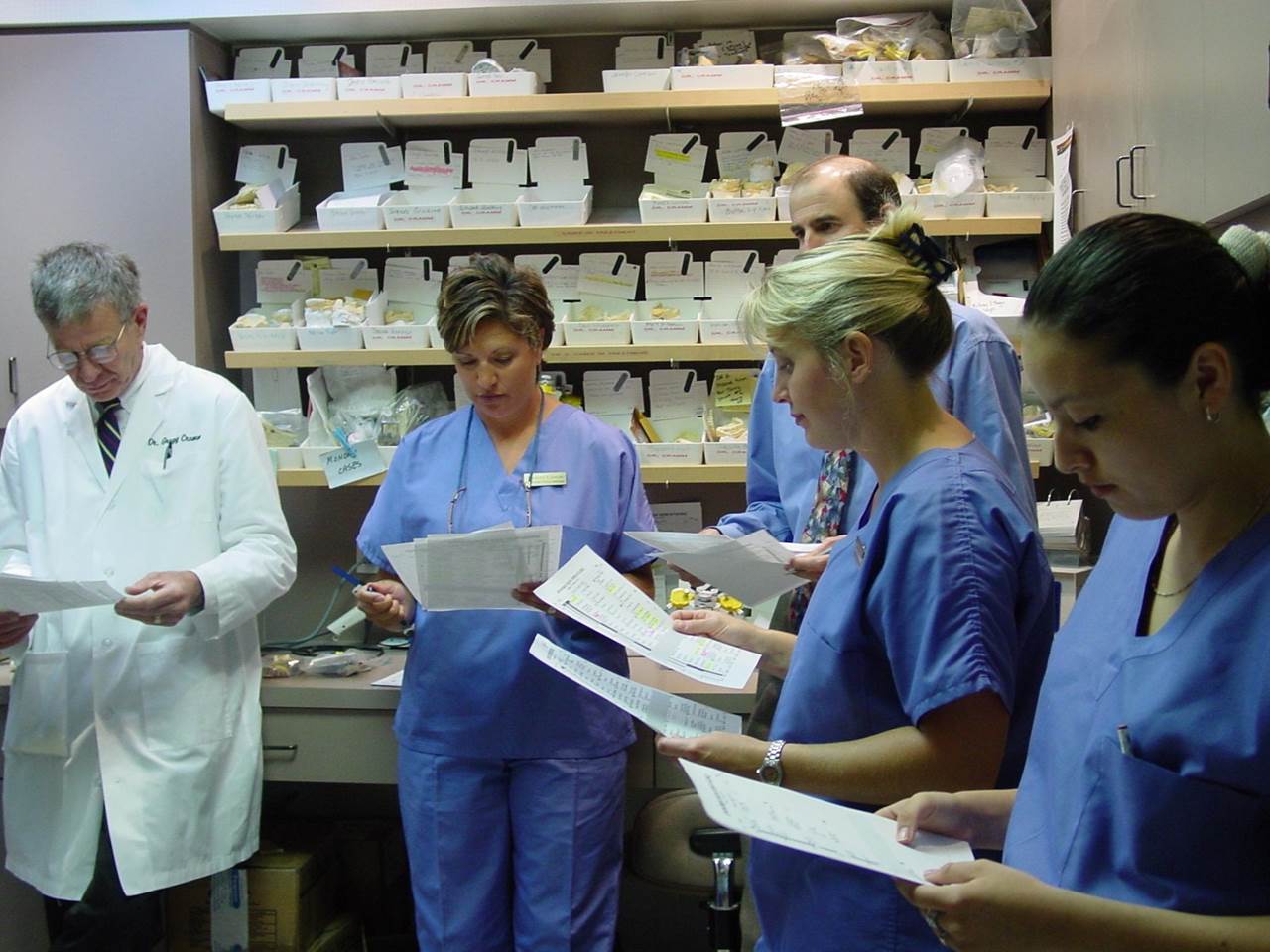
Dentists need to stop thinking of the hygiene patient exams as an interruption, and stop putting off this important exam. During a 10-minute team huddle the team should learn which hygiene patients need a doctor exam. The dental assistants will make note of this and be aware of a time when the doctor can more easily break-away from their patient to complete the hygiene patient exam. 

When utilizing The Profit Formula hygienists will prepare the patient for any potential treatment needs which saves the doctor time during that hygiene patient exam. The hygiene patient exam should not take longer than 5-7 minutes. If the patient needs a comprehensive exam, this must be scheduled in another operatory and for 20 minutes of time with the doctor. The timing and strategy of this comprehensive exam must be completed at the time the patients hygiene appointment is scheduled.

   6. Hygiene Department Production

Many hygienists think of hygiene production as “cleaning teeth,” bite-wings, FMX and panoramic radiographs. Today’s dental hygiene appointment includes “preventive care” including various adjunctive services such as laser bacterial reduction (LBR), fluoride varnish, Perio Protect Trays, Arestin, sealants, etc, etc.

A pain-point for many employees is knowing that the doctor-practice owner, has production goals. Let’s flip this negative thought process into a positive one. We must all think of production goals and meeting the practice production goals as “job security.”

When a large majority of Americans age 35 and older have some level of gum disease the hygiene production should not be difficult to reach three times the hygienists salary. The twenty-first century dental hygienist has a lot of exciting adjunctive services to implement that elevate patient care! Patients WILL pay for these adjunctive services when we share about the value and benefits they offer.

Since the 2020 pandemic, dental hygienists demand more money per hour when working as a dental hygienist in the dental office so it becomes imperative that dental hygienists are aware of their productivity and not JUST clean teeth.

Doctors must look at their practice numbers and end-of-day reports. The Profit Formula taught by Dental Practice Solutions, brings profit to the forefront of the dental practice, in a way that makes looking at the practice metrics and daily opportunities fun for all!.

Numbers tell a story and when the team looks at production goals in a positive light, accomplishing the goals as a team can be fun. When we accomplish the practice goals now we can talk about bonuses, salary raises, and fun team events!

Conclusion

The dental hygiene department is one of the best opportunities in a dental practice to increase overall practice production and elevate patient care, especially in today’s economy. The Profit Formula created by Dental Practice Solutions, will immediately set your practice on a growth path as well as, create more value for your patients.

Hygienists following The Profit Formula protocol receive higher patient satisfaction reviews than those who simply see patients for “just a cleaning” and basic preventive care services. Dentistry is constantly changing. Hygiene department adjunctive services are a fun and exciting way to practice dentistry as a dental hygienist in 2024.

These 6 principles discussed serve as guide to reframe your hygiene department and take your practice to the next level.

When you’re ready to optimize your hygiene department, implement The Profit Formula, and elevate your patient care, consider a quick call to learn more about Dental Practice Solutions  hygiene department coaching program Hygiene Department MAX Revenue (a hybrid of online and personalized coaching) here. 

References.


  1. The Profit Formula. Book a call and ask us about the Profit Formula taught by Debbie Seidel-Bittke, RDH, BS, Founder of Dental Practice Solutions. *Currently taught in all of our coaching programs.
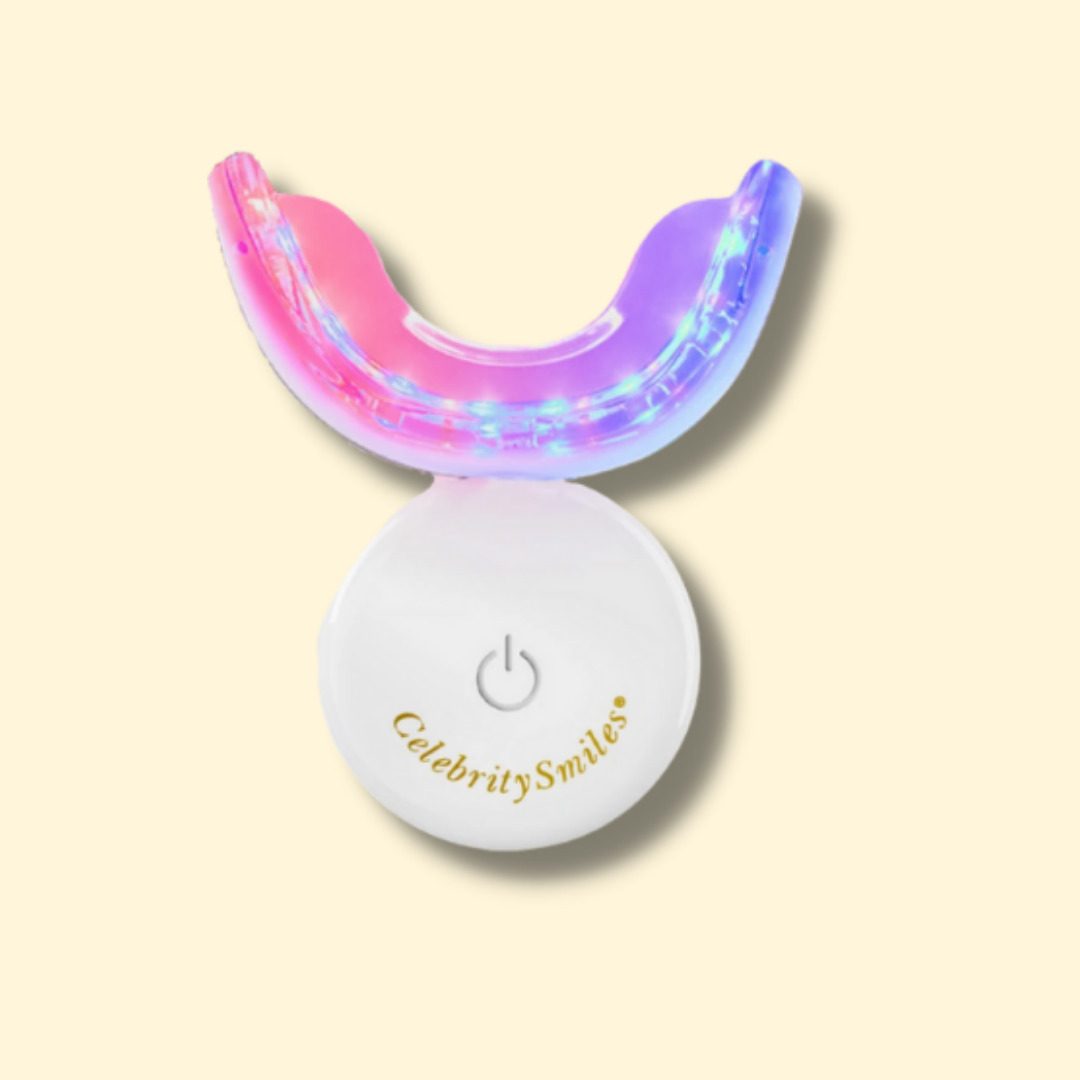
  2. Ask us about The Smile Club and see your cosmetic cases grow. We will show you how to also have more new patient phone calls and reduce last-minute cancellations. Book a quick time to chat and learn. When you book a call we will mail you a SMILE CLUB whitening kit with the LED Blue and Red Lights (Similar nano watts as the ZOOM in-office light). There is no chair time to use this system. BOOK HERE —https://calendly.com/debbie-111/caseacceptance
Posted in Business of Dentistry, Case Acceptance, Dental Hygiene Adjunctive Serivices, Dental Hygiene Appointment, Dental Hygiene Coaching, Dental Hygiene Patients, Dental Hygiene Services, Dental Hygiene Treatment

The Dental Hygienists Role in Boosting Case Acceptance

By: Debbie Seidel-Bittke, RDH, BS

November 14, 2023

Dental Hygiene Department and Patients say Yes to treatment

In the world of dentistry, case acceptance is not just about presenting treatment options and persuading patients to say “yes.” It’s a multifaceted process that involves building strong relationships with patients and providing a personalized experience that resonates. 

A crucial player in this dynamic is the dental hygienist. What happens during the hygiene appointment sets the stage for patients to accept care and keep returning to their dental office. 

In this blog, we’ll explore how hygienists contribute to case acceptance and why building strong patient relationships is pivotal for any dental practice’s success.

Understanding the Dental Hygienist’s Role

Dental hygienists are often the unsung heroes of the dental office. While their primary responsibility is to perform routine preventive care their role extends far beyond that. A skilled and empathetic hygienist can make a world of difference in a patient’s experience, setting the stage for trust, case acceptance, and long-term patient loyalty.

  • Trust and Comfort: Patients often find dental appointments to be anxiety-inducing. Hygienists have the unique ability to put patients at ease. They can create a comfortable environment by explaining procedures, addressing concerns, and offering reassurance. When patients feel comfortable, they are more likely to trust the entire dental team, including the dentist, and consider recommended treatments.
  • Educators and Advisors: Hygienists are well-versed in oral health and hygiene. During their appointments, they can educate patients about the importance of proper dental care and hygiene practices. By offering personalized tips and advice, they not only help patients maintain good oral health but also prepare them for necessary oral care needs, making them more receptive to the dentist’s recommendations.
  • Early Detection and Prevention: Hygienists play a critical role in early detection of oral disease and abnormalities. Through routine visual examinations, they can identify problems in their early stages, such as gum disease or a hole in the patients tooth. When patients understand that their hygienist is actively looking out for their best interest, they are more likely to appreciate the value of preventive care and want to pay for what they need.
  • Building Relationships: Dental hygienists see patients regularly, which provides ample opportunities to build strong relationships. They can get to know their patients on a personal level, remember their patients preferences, and inquire about their well-being. These small acts of caring create a sense of belonging and trust that extends beyond the dental chair.

Personalized Patient Experience

One of the key elements of consultative selling in dentistry is offering a personalized patient experience. Hygienists excel at this because they (should) have undivided quality time and the patient’s undivided attention during their hygiene appointments.

  • Listening and Empathy: Hygienists listen to patients’ concerns and fears. They empathize with their patients discomfort and ensure that the treatment experience is as painless and stress-free as possible. When patients feel heard and valued, they are more likely to trust the entire dental team.
  • Tailored Recommendations: Building relationships allows dental hygienists to understand their patients’ unique needs and concerns. This insight enables them to tailor their treatment recommendations to align with the patient’s goals and preferences. When patients perceive that the treatment plan is designed specifically for them, they are more inclined to accept it.

Benefits of Focusing on Relationships

The benefits of focusing on building relationships through consultative selling are clear:

  • Increased Case Acceptance: When patients trust the dental team and feel that their needs are understood, they are most likely to accept the recommended and necessary dental care.
  • Increased Patient Satisfaction: A positive patient experience, characterized by trust, empathy, and personalization, leads to higher patient satisfaction and more referrals to friends and family.
  • Increased Practice Profitability: As case acceptance rates rise, so does practice profitability. Satisfied patients are more likely to return for their routine preventive care..

Bottom Line

Patients are more likely to trust your expertise when they feel heard, valued, and understood. Dental hygienists are instrumental in creating this environment of trust and empathy, which, in turn, paves the way for increased case acceptance and stronger patient relationships. 

By recognizing the vital role dental hygienists play in patient care and fostering these relationships, dental practices will thrive and provide optimal care for their patients.

It’s important for patients to understand that the dental hygienist is doing more than just cleaning your teeth. Dental hygienists are setting the stage for a healthy and enduring patient-dentist relationship. We are in the business of helping our patients live a longer and healthier life!

  • What is your current percentage of case acceptance?
  • Does the hygienists set the stage for patients to accept the diagnosed treatment and even ask for cosmetic services outside of what doctor has treatment planned?

If your case acceptance is NOT 80% consider booking a no-cost call with Debbie!

Let’s get your dental practice set up for highest level of success in the next 12 months!

BOOK YOUR CALL HERE.

Posted in Dental Hygiene Adjunctive Serivices, Dental Hygiene Appointment, Dental Hygiene Coaching, Dental Hygiene Department, Dental Hygiene Department Services

Holistic Patient Care and Case Acceptance in the Dental Hygiene Department.

By: Debbie Seidel-Bittke, RDH, BS

October 30, 2023

Dental Hygiene Appointment. A holistic approach.In the ever-evolving realm of dentistry, the dental hygiene department stands as a pivotal force in transforming patient care.

This blog delves into the transformative role of dental hygienists within the dental hygiene department, focusing on their contribution to enhancing case acceptance and overall patient well-being.  Continue reading and explore how dental hygienists play a central role in providing holistic care, identifying conditions like sleep apnea, TMD, empowering patients with knowledge about the mouth-body connection,  fostering a strong patient-clinician partnership.

Discover how these strategic measures are shaping a new paradigm in dentistry, ultimately driving higher case acceptance rates and improving the quality of patient care.

Our overarching message must be, “Optimal Oral Health Leads to a Longer, Healthier Life.”

From early identification of conditions like sleep apnea to empowering patients with knowledge about oral inflammation and how it plays a key role in their total health, the contributions of the dental hygiene department are shaping a new paradigm shift in our dental profession.

Continue reading about the transformative impact of the dental hygienist department to in enhance patient care, improve patients total health, and boost case acceptance.

Dental hygienists in the twenty first century no longer JUST clean teeth! They are a partner with their patients in the early detection and treatment of oral inflammation, offering patients a holistic approach to oral care. They are like a mini-associate to the dentist helping to increase case acceptance.

First Line of Defense: “Creating a Longer, Healthier Life:”

Dental hygienists often serve as the patients’ initial point of contact during dental appointments. Their unique position allows for close interaction with patients, enabling them to gather vital information and conduct preliminary assessments.

This initial interaction is crucial for identifying potential abnormalities such as sleep apnea, oral inflammation that causes gingivitis, and periodontitis, etc. Dental hygienists are often the 1st person to learn about a patient’s cosmetic dental concerns.

Through meaningful conversations and motivational interviewing 1, dental hygienists can collect valuable information about symptoms like snoring, daytime fatigue, breathing difficulties, bleeding gums, localized mild to generalized severe gingivitis, periodontitis and even soft and hard tissue abnormalities; all of these which affect numerous oral conditions affecting patients overall health.

Visual Examinations: 

Dental hygienists possess the ability to conduct visual examinations of patients’ oral health, which is a distinctive advantage for the dentist. In the context of sleep apnea, telltale signs such as a narrow airway, enlarged tonsils, etc, can often be observed during these examinations.

Dental hygienists have a legal and ethical responsibility to annually complete a Comprehensive Periodontal Exam (CPE) 2. 

Moreover, dental hygienists are skilled at identifying dental issues that could lead to cosmetic concerns, such as malalignment of teeth, stained enamel, or missing teeth. They also detect oral inflammation, which includes, gingivitis and periodontitis. By fostering a patient partnership, they boost case acceptance for necessary and adjunctive treatment.

The dental hygiene department must be the mitochondria that supports patients overall well being and supports adjunctive (restorative and cosmetic) dental care for the dentist’s schedule.

The Dental Professional-Patient Partnership:

Dental hygienists have a unique opportunity to establish a partnership with their patients by involving them in the initial examination process. Utilizing intraoral cameras, cutting-edge scanners like Adite 3 as well as the latest dental AI app (See resources below), PrestoSmile 4, dental hygienists become a partner with their patient to review their oral conditions in real-time. 

These technologies help the patient make a wise decision about their oral cavity and total health. Before the doctor completes the hygiene exam, the patients have seen potential smile capabilities they may never have thought possible.

While the dental hygienist has the patient in their chair, as they take a tour of the patient’s mouth. Dental hygienists are in a position to empower patients to own their disease and want specific care and adjunctive cosmetic services. 

This active involvement motivates patients to take ownership of their oral health, it leads to increased engagement and patient compliance.The end result is higher case acceptance and patient loyalty to their dental office.

These technological advancements available today make it easier for dental professionals to convey the importance of required treatments. 

They seeing is believing and today’s world of dental technology combined with dental AI, will help get more patients to accept our care. This is one easy way to get patients to “yes” more easily to high-end dental care such as veneers, implants, crowns, bridges, etc.

Patient Education: 

Dental hygienists, in the initial appointment, diagnose oral inflammation, discuss cosmetic dentistry, and identify sleep apnea and TMD risks. They clarify complex concepts, enhancing patient understanding before the dentist examines them.

Dental hygienists have a responsibility to inform patients about the potential risks of untreated conditions, including active disease such as gingivitis, periodontitis, broken teeth and occlusal wear. They can also discuss the aesthetic and functional benefits of various treatment options, aiding patients to make informed decisions.

This saves time for the dentist completing the hygiene patient exam. Imagine the dental hygienist and entire dental hygiene department as a mini-associate to the dentist. The dental hygiene department is the foundation to get patient to want what they need.

Seamless Transition of Hygiene Patient During Dental Exams:

Before the dentist arrives to complete the hygiene patient examination, dental hygienists have already laid a strong foundation about any oral abnormalities. At this point in the dental hygiene appointment the patient is well-informed about their oral health condition, potential concerns, and available treatment options. 

This smooth transition ensures that the patient is prepared for a productive conversation with the doctor.

In this patient-doctor interaction, dental hygienists play a crucial role, providing information about the patient’s oral health, any medical changes, and the completion of oral abnormality screenings. They ensure that the dentist is aware of the patient’s concerns, the need for x-rays, unscheduled treatment, etc.

At this point in the dental hygiene appointment the patient has time to understand their oral condition and any future care needed. This takes away from the dentist spending a lot time during the exam to explain what is needed and how the procedure will be completed, etc. 

Elevating Patient Consent and Compliance:

When patients have a clear understanding of their oral health conditions, they are more likely to accept the recommended care. This increased transparency significantly contributes to higher patient compliance rates, as patients recognize the importance of addressing sleep apnea, oral inflammation, and cosmetic dental concerns promptly. 

Show patients what you see. Invite patient’s to participate in the discovery process and a plan for their total health.

Patient participation in the assessment and diagnosis process also enhances their commitment to treatment. Case acceptance will improve.

Holistic Patient-Centered Care:

The collaborative efforts of dental hygienists and dentists promote a patient-centered approach to overall wellness. Neglecting optimal oral health will affect a patient’s overall well-being. Addressing oral inflammation, cosmetic issues, airway abnormalities, and TMD enhances a patient’s quality of life and confidence.

The dental hygiene department and team are advancing dentistry through a patient-centered care with a holistic approach, providing comprehensive care beyond JUST cleaning teeth.

References.

  1. Motivational interviewing. https://bit.ly/MotivationalInterviewRDH Accessed October 30. 2023.
  2. Comprehensive Periodontal Evaluation (CPE). https://bit.ly/CPECkList Accessed October 30. 2023.
  3. Adite Intra Oral Scanner. https://bit.ly/DigitalScannerAdite Accessed October 30. 2023.
  4. PrestoSmile. Dental AI app. https://www.prestosmile.com/sneekpeak Accessed October 30. 2023.
  • Please note the author of this blog and founder of Dental Practice Solutions, Debbie Seidel Bittke, RDH, BS, is NOT financially affiliated with any of the above links or companies mentioned.

Do you feel like you are drowning in a sea of patients? Do you see too many holes in your schedule? Do you see mostly Prophy patients and/or, do you wish your hygiene department could “Set up” their patients to accept more cosmetic dentistry?

If you said “Yes,” to one or all of the above questions, we have answers to help you optimize your hygiene department without working harder or increasing your overhead.

Consider a No-Cost Discovery Call. BOOK HERE

It’s 30 minutes of time and you will walk away knowing what your true potential is with a roadmap to quickly arrive where your true potential awaits you.

Posted in Dental Hygiene Adjunctive Serivices, Dental Hygiene Appointment, Dental Hygiene Coaching, Dental Hygiene Department, Dental Hygiene Department Services, Dental Hygiene Patient Exams, Dental Hygiene Services, Dental Hygiene Services, Dental Hygiene Treatment

A Dental Hygienists Guide to Treating Oral Inflammation

By: Debbie Seidel-Bittke, RDH, BS

September 26, 2023

Dental Hygienists and Soft Tissue Diode Laser

Periodontal disease is a prevalent oral health issue that affects millions of people worldwide. If left untreated, it can lead to tooth loss and other systemic health problems. 

In the battle to conquer this disease process, dental professionals employ various techniques and tools to provide effective treatment. One service that has revolutionized treatment of oral inflammation and one that has a significant result in our total health and well being is use of the soft tissue diode laser. 

In this blog, we will explore how diode lasers are used in the treatment of periodontal disease, their effectiveness in targeting aerobic cells, and the ability to boost cellular mitochondria. 

This blog will also explain the hygienist’s responsibility to determine health or disease in the oral cavity, how to sequence  appointments when a patient has various levels of gingival inflammation and you will learn about the benefits of using soft tissue diode lasers. 

At the end of reading this blog you will have information to help your patients better understand the importance of optimal oral health and how this will help them live a longer, healthier life!

Diagnosis of Gingivitis and Periodontitis:

The journey towards treating periodontal disease begins with a comprehensive examination of the oral cavity and a diagnosis. When your patient is seated in the chair for a dental hygiene preventive care appointment it’s imperative for the dental hygienist to evaluate for any abnormalities.

An annual comprehensive periodontal examination (CPE) must be performed at the beginning of a dental hygiene appointment to determine if the patient has active periodontal (“gum”) disease: Gingivitis or Periodontitis. Our goal is to determine optimal oral health.

When the dental hygienist recognizes generalized moderate to severe gingival inflammation, with or without radiographic bone loss, the hygienist and dentist will make a diagnosis for treatment of gingivitis or periodontitis.

When there is a diagnosis of generalized moderate to severe gingivitis or periodontitis, the clinician will properly plan a sequence of appointments to treat the disease which will also include scheduling a 4-6 week re-evaluation, to determine an end-point of the disease.

At the time of a diagnosis and when the patient has active gum disease, a sequence of appointments to treat the disease will be scheduled.

Periodontal Disease Etiology:

Bacterial plaque is the primary etiologic factor associated with periodontitis, yet there are several other variables that may place an individual at risk for developing disease. Two of these variables are clearly defined risk factors: tobacco smoking and diabetes.

Periodontitis is considered the sixth complication of diabetes. Periodontitis and diabetes (DM) have a two-way relationship. DM increases the risk of periodontitis, and severe periodontitis coexists with severe DM. 

It’s mandatory for diabetic patients to receive adequate treatment for periodontitis.

The basic treatment modality for periodontitis is scaling and root planing. The conventional periodontal procedure includes scaling and root planing (SRP), which consists of debridement of contaminated root surfaces as well as the elimination of bacteria and their endotoxins from the cementum and from the adjacent periodontal tissues. 

Scaling, root planing and curettage procedure creates a long junctional epithelium with no connective tissue attachment.

During the InitialAppointment, the Dental Hygienist Will:

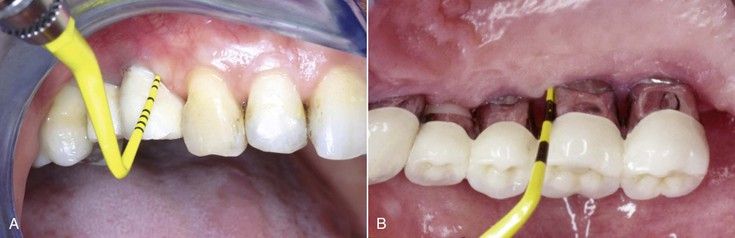
  • Conduct a comprehensive oral health assessment with comprehensive periodontal evaluation (CPE). CPE includes measuring pocket depths, assessing bleeding upon probing, recording recession, mucogingival involvement, furcation, occlusal disease, etc. 
  • Recent full mouth  x-rays are used to determine the extent of disease.
  • Identify any contributing factors such as tobacco use, medical conditions such as diabetes, high blood pressure, RA, Crohn’s disease, etc, and/or poor oral hygiene habits.
  • Formulate an individualized treatment plan tailored to the patients specific needs.

The Role of Soft Tissue Diode Laser

Soft tissue diode lasers have become indispensable in modern dentistry, particularly in treating gingivitis and periodontal disease. Diode lasers emit specific wavelengths of light that are absorbed by pigmented bacteria and inflamed tissues, making them highly effective in eradicating bad cells and promoting healing.

Soft Tissue Diode Laser Therapy 

Let’s delve into how the soft tissue diode laser becomes a crucial component in the treatment of oral inflammation. Use of the diode laser targets the bacteria and inflamed tissues in the periodontal pockets.

  • Reduction of Inflammation: Diode lasers also promote the reduction of inflamed tissues, creating a more conducive environment for healing.
  • Stimulation of Mitochondria: Research suggests that diode laser therapy may stimulate the mitochondria of cells, enhancing their energy production and overall cellular health.

Practice Management/Communication Tip: “What happens inside the mouth transfers through the saliva and blood stream and eventually happens inside the body. Year after year of bleeding gums year after year, can create various systemic diseases such as: heart attack, stroke, high cholesterol, Crohn’s Disease, Parkinson’s Disease, Low Birth Weight Babies, and even Alzheimer’s Disease, etc.”

The enhanced reduction of inflammation induced by laser therapy is also due to the effective bacterial reduction property of diode lasers. In previous research it was demonstrated that diode laser light at 805 nm eliminated Aggregatibacter actinomycetumcomitans and Porphyromonas gingivalis in periodontal pockets. 

Lin et al, demonstrated that subgingival treatment with the diode laser effectively inhibited recolonization of A. actinomycetumcomitans for up to 28 days than in root planing. 

Note. Read below about the end-point and re-evaluation appointment for more information on the importance of this 4-6 weeks re-evaluation appointment.

Pick et al. showed that diode laser light not only eliminates bacteria but also inactivates bacterial toxins diffused within root cementum. A study by Moritz et al. showed that Gram-negative species showed immediate structural damage when exposed to the laser. Diode laser at 810 nm causes bacterial damage without injury to periodontal tissues.

Soft Tissue Diode Laser Therapy Advantages:

  • Minimally invasive: It requires no incisions, minimizing patient discomfort and reducing the need for sutures.
  • Precision: The laser can precisely target infected areas, leaving healthy tissues unaffected.
  • Reduced healing time: Patients typically experience faster recovery compared to traditional methods.
  • Improved outcomes: Laser therapy can lead to better results and long-term periodontal health.

Re-Evaluation, Periodontal Maintenance, and  End-Point

The final phase of Phase I therapy involves 4-6 weeks re-evaluation. This is also known as (in the case of using a CDT code) the patient’s 1st periodontal maintenance appointment. 

This appointment is essential for long-term success in managing periodontal disease. The 4-6 week re-evaluation is very important because we must identify an end-point of the disease process.

When we see a physician for treatment of a disease there is always a re-evaluation appointment to be certain the disease process has ended.

In terms of treating dental patients, we will have the same sequence of appointments: re-evaluate to determine an end to the disease process. Only when you have a patient return after treatment of active disease can you can clearly determine the next interval for preventive care (Periodontal Maintenance).

Never do we treat disease and hope for a positive outcome. We must always have patients return for an evaluation to determine the state of the disease.

Our goal is to halt bleeding gums and gingival inflammation. Only when we know there is an end point to active gingival disease can we truly help our patients live a longer, healthier life!

The Dental Hygienist Will:

1. Complete the CPE

2. Determine if there is a halt of the disease process or if the patients will need referral to a periodontist, etc, 

3. If periodontal disease is no longer in an active stage the hygienist will:

  • Complete LBR full mouth
  • Scale any new calculus
  • Polish
  • Re-cap mouth-body connection, perio process (episodic and cyclic, etc.), review homecare and
  • schedule regular follow-up preventive care appointments, typically every 3-4 months, to monitor periodontal (“gum”) health.

Conclusion

Periodontal disease is a chronic gingival disease in populations around the world. Treatment of this disease requires meticulous care and attention. 

Soft tissue diode lasers have emerged as powerful tools in the battle against gingivitis and periodontal disease, offering precision, reduced invasiveness, and the potential to stimulate cellular mitochondria. 

By following a comprehensive treatment plan that includes diagnosis, gross debridement, soft tissue diode laser therapy, scaling and root planing, end-point re-evaluation and ongoing maintenance, patients can achieve optimal total health. 

Our overarching message to patients is that optimal oral health will help us live a longer, healthier life.

Do you have questions about this? 

Would you like to learn more about treating gingivitis and periodontitis patients?

I have opened my calendar for 30 minute complimentary coaching sessions. Book yours today. Doctors and hygienists must be present for this un-interrupted 30 minutes!

BOOK HERE

Resources.

  1. Löe H. Periodontal disease. The sixth complication of diabetes mellitus. Diabetes Care. 1993;16:329–34. Accessed September 21, 2023.
  2. Preshaw PM, Alba AL, Herrera D, Jepsen S, Konstantinidis A, Makrilakis K, et al. Periodontitis and diabetes: A two-way relationship. Diabetologia. 2012;55:21–31. Accessed September 21, 2023.
  3. Adriaens PA, Edwards CA, De Boever JA, Loesche WJ. Ultrastructural observations on bacterial invasion in cementum and radicular dentin of periodontally diseased human teeth. J Periodontol. 1988;59:493–503. Accessed September 21, 2023. 
  4. J Pharm Bioallied Sci2015 Aug; 7(Suppl 2): S636–S642. doi https://tinyurl.com/LBRPTRDIODE . Accessed September 21, 2023.
  5.  Laser curettage as adjunct to SRP, compared to SRP alone, in patients with periodontitis and controlled type 2 diabetes mellitus: A comparative clinical study. Accessed September 21, 2023.
Posted in Dental Hygiene Adjunctive Serivices, Dental Hygiene Appointment, Dental Hygiene Department, Dental Hygiene Department Services, Dental Hygiene Patients, Dental Hygiene Services, Dental Hygiene Services, Dental Hygiene Training, Dental Hygiene Treatment

LED Red Light & Dental Lasers Used for Canker Sores

By: Debbie Seidel-Bittke, RDH, BS

April 8, 2022

Laser for Canker Sores. Soft Tissue laser to prevent canker sores. Dental Office Treatment of Canker Sores.
Dental Office Treatment of Cancer Sores.

Cold sores are not pretty to look at.

They are uncomfortable, painful, embarrassing, and hard to get rid of.

There are ways to help our dental patients alleviate these unsightly sores and prevent the pain from cancer sores.

Let’s take a deeper look at the cause of these ugly mouth sores and how dental professionals can be an advocate for treatment and prevention.

What is a Canker Sore?

  1. Canker sores are a common viral infection

A cold sore is a group of tiny, painful blisters caused by the herpes simplex virus (HSV). They’re also called fever blisters or herpes simplex labialis.

Up to 90% of people around the world experience at least one form of HSV.Dental professionals and especially dental hygienists are great advocates for their patients.

Patients see their dental hygienist routinely and dental professionals review medical histories. We are great messengers to educate or patients in prevention of canker sores and a lot more!

What causes Canker Sores?

Below is a list of triggers for these awful outbreaks:

  • Stress
  • Fatigue.
  • Overexposure to the sun
  • Exposure to cold temperatures
  • Upper respiratory infections and fever
  • Dental services: gum treatment, fillings, etc.
  • HPV
  • Hormonal changes
  • Compromised immune system
  • Certain foods: acidic foods, certain fruit, and chocolate

Prevention

When we see a medical history and the patient documents frequent cold sores, canker sores and herpetic lesions, we can now advise our patient about ways to help prevent these ugly, painful, mouth sores.

Below is a list of recommendations we can make for our patients who do suffer from canker sores:

  • Antiviral medications such as valacyclovir (Valtrex) or acyclovir (Zovirax).
  • Lysine, an essential amino acid is found in protein. It isn’t produced in your body, so you must consume it through an oral supplement or diet.

Common foods rich in lysine include:

  • beef
  • chicken
  • turkey
  • pork
  • codfish
  • sardines
  • eggs
  • yogurt
  • parmesan cheese
  • spirulina
  • soybeans

Lysine is essential for our health; it helps with calcium absorption and collagen formation. Many people many not consume enough lysine in their diet. Athletes and/ or vegans may need to consume more.

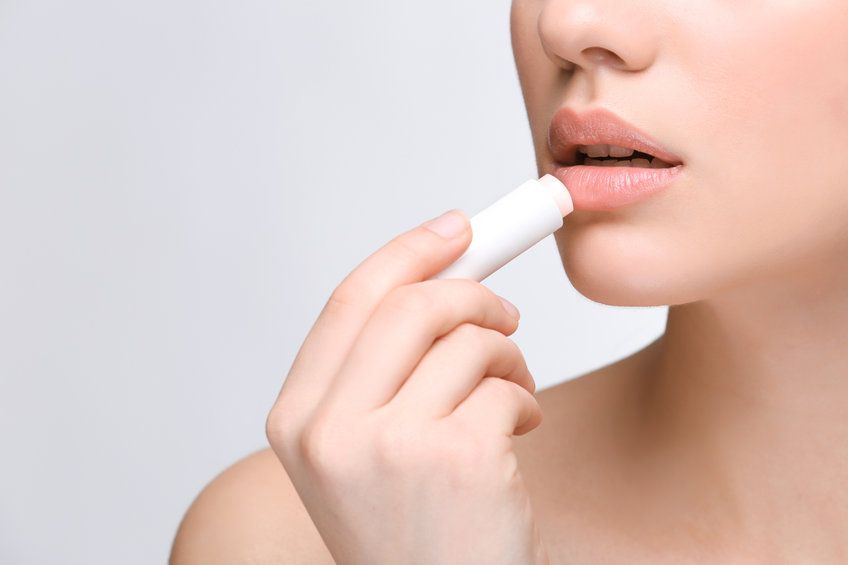
Lemon Lip Balm for Prevention of Canker Sores. How to prevent canker sores.
Lemon Lip Balm for Prevention of Canker Sores.
  • Lemon Balm

The antiviral properties of lemon balm, also known as Melissa officinalis, may help reduce the redness or discoloration and swelling associated with a blister, or protect against future infections — at least according to a 1994 study.

Use a lip balm with at least 1 percent lemon balm. Or, as an alternative, a compress made of a lemon balm infusion (tea) may provide similar benefits.

  • Avoid acidic foods such as citrus fruits and even an abundance or frequent chocolate
  • Red LED Light Therapy

Hint: Celebrity Smiles LED Red Light can be helpful! Keep reading to discover how. You can help your patients with this simple preventive technology.

  • Wash your hands often and don’t rub your eyes
  • Replace your toothbrush often
  • Don’t kiss someone who has a cold sore or use that person’s utensils, towels, or razors
  • Apply sunscreen to your face and lips before prolonged exposure to the sun
  • Replace your lipstick or lip balm often
  • How to Recognize a Cold Sore Outbreak

If your patient had chicken pox, a herpes virus, or anything similar, they are always at risk for these unsightly sores.

Let’s help our patients recognize the stages of a cold sore and help them put a halt to the progression of these unsightly sores.

Below is a list of what to look for when a cold sore is beginning:

Tingling

Tingling is the first sign of a cold sore and we can educate our patients that this is the most important time to do all that they can to prevent the unsightly sore.

This is the best time for your patients to call your office and on that day they come to your office for a very short appointment and doctor or a laser certified hygienist can use a soft-tissue, diode laser to ZAP the early stages of this canker sore.

Many offices when introducing the soft-tissue laser for prevention of a full-blown-ugly cancer sore educate their patients to call immediate and come in that day for a quick appointment to ZAP the red area that will soon be a canker sore.

You will find that doing this (in the beginning) at no-cost to your patients is a great practice builder!

If you do decide to charge for the ZAP of a cancer sore, the soft-tissue, diode laser does need to be completed at the first signs of a cancer sore and it takes maybe 15 minutes in your office to ZAP the canker sore.

The charge will be minimal and it’s recommended you charge less than $60. Many offices charge approximately $20-30 for a quick ZAP.

It truly is a great marketing tool and helps your patients out in a big say!

Also, recommend your patient use an anti-viral cream such as Abreva. This cream will need to be reapplied frequently and will cost almost as much as the laser treatment at a dental office.

The ZAP of your laser plus the addition of an anti-viral cream makes a big difference in the beginning stages of a canker sore outbreak.

People with Crohns Disease, auto-immune diseases, patients undergoing chemotherapy are known to constantly deal with cold sores so let all your patients know you can easily help them at the first sign of a canker sore.

Your patients will be your raving fans!

Blisters

One stage of cold sores is the blistering stage.

Blisters occur from day two to four of the canker sore outbreak.

These blisters can fill with fluids to make the skin around it swollen and red. Blisters can occur inside the cheeks, nose, and lips, as well as the soft tissues inside your mouth and even your tongue.

The reason for blisters occur is because the immune system is working hard to heal the virus. During this stage, you want to continue using an anti-viral topical cream.

Educate your patients to now squeeze these blisters. Touching and squeezing the blisters will cause transmission of the virus, it will exacerbate the sores and can slow down the healing time.

Oozing

Oozing occurs about day 4-5 of the canker sore outbreak.

This is when the cold sore is most contagious and painful. The blister can burst during this stage.

This can lead to a red round area of inflammation around the affected area.

Scabbing

Scabbing happens around days 5-8, This is when the canker sore dries out and a scab will form. The scabs can feel itchy, they can crack open and shrink.

Cracking will lead to the cold sore bleeding. Other symptoms that may occur include burning and itching.

Healing

Healing starts between days 8 to 10.

The time it takes to heal a canker sore depends on how bad the outbreak is and if you’re your patient began early preventive measures to halt the cold sore.

Canker Sores are Contagious

Oner reason a family of patients all experience cold sores is because they are contagious.

Parents who experience cold sores and kiss their babies are literally transferring the virus to their child.

It is also possible for the cold sore to spread if someone touches the cold sore and then touches another mucous membrane such as the mouth, eyes, or nose.

Cross contamination of the virus can occur when two people share some personal bathroom items, like a toothbrush, a razor or drinking from the same glass. These are all things that when shared with a person who has a cold sore they will spread the virus to another person.

LED Red Light For Prevention of Canker Sores

Conclusion

As dental professionals we are advocates for our patients. Prevention is key and as dental professionals we are armed with the tools to heal and even prevent these unsightly canker sores that many of our patient’s experience.

Dental Practice Solutions offers a Blue/Red LED Light to dental offices that not only helps BOOST whiter teeth but the red LED light has shown great results for people who have various mouth sores.

If patients wear the Red LED light mouthpiece for ten minutes, 2-3 times a week, they are less likely to experience mouth sores from canker sores, that are caused by a virus, chemotherapy, and auto-immune diseases.

Using a diode, soft-tissue laser to ZAP these ugly sores works well and your patients can leave with an LED Red Light to continue preventing a full outbreak of this ugly sore.

Studies have shown that phototherapy, either by LASER and/or LED, is an effective therapeutic modality to promote healing of skin wounds. 

Check out our reseller page to order this wholesale LED Light and help your patients prevent canker sores. This RED LED light helps heal oral inflammation, soreness after dental treatment, dental sores, etc. The LED Light mouthpiece can also BOOST whiter teeth.

Find out how to use this in your dental office here.

Take your hygiene department to the next level. Enroll in our course.

Posted in Dental, Dental Hygiene Adjunctive Serivices, Dental Hygiene Appointment, Dental Patient, DENTAL PATIENT CASE ACCEPTANCE, Dental Services

Oregon Dental Consultant | How to Increase New Patient Production

By: admin

April 12, 2018

Written by Cindy Rogers, RDH

A potential new patient calls your office and says that he has a tooth ache and would like to be seen as soon as possible because he is in pain. Excited at the opportunity to fill a hole in your schedule, you gleefully say “we have some time available today to do an exam and x-ray and get you out of pain.” Great, that is all the guy wants, right?  Well not exactly.

This patient has to this pain because he has not had comprehensive dental care in a while; maybe even years.  His dental care has consisted of seeking relief from toothache to toothache. He would get a toothache, go to the dentist, get out of pain and then repeat the cycle of limited exams, PA’s and limited treatment. He was never offered the option of having a comprehensive exam and full mouth x-rays.

You see, this guy is a general contractor, he does not work in dentistry and does not really know much about it. All he knows it that he is in pain and he needs dentistry to help him get out of it. It is our job to educate him on dentistry and what is best for him.  It is also our job as a business to determine what is best for us. This is a win-win opportunity.


Why is a Comprehensive Exam and FMX Best for the Patient?

  1. The patient has an active infection spreading throughout his body and it needs to be treated. Caries and periodontal disease are infectious. If one area is infected then it is likely that others are as well.  Bacteria travels throughout the blood stream to vital organs.
  2. The patient is valuable as a person and a patient in your dental practice. They need to get as much treatment completed as possible in one appointment to eliminate returning to your office and leaving their job. A limited exam and Periapical are usually scheduled for 30 minutes in your day. A comprehensive exam is usually scheduled for 60 minutes. The patient will have a diagnosis and treatment plan for his whole mouth in one appointment instead of retuning numerous times.
  3. This patient works hard and wants to get the most out of his insurance and the almighty pocket book. The majority of insurance companies only cover two exams of any type per year, regardless if they are a comprehensive or a limited exam. Most insurance companies will cover preventative services at 100%. To the patient, with insurance, there is no difference in cost for a comprehensive or a limited exam. They will get the most savings and a valuable benefit by having insurance pay for a comprehensive exam and Full mouth x-rays.


Why is this best for the Practice?

True, you could possibly add a little bonus in production by doing emergency treatment. Let’s take a look at the bigger production picture. Here is a possible scenario of the opportunity to increase production.


Scheduled Time 30 minutes 60 minutes
Production $150 $300
Patient Cost $0 $0
Possible Treatment Plan $500 $5000


By doubling the initial appointment time, you will at least double the production. You will also be able to present him with a “whole mouth comprehensive treatment plan.” The patient will be so impressed that you took the extra time with them that they will refer their friends and family to your dental office.

What to Say to the Patient During the Initial Phone Call

Dental Office: “Mr. South, I understand that you have a toothache and it is our priority to get you out of pain. Let me explain how we can do that and prevent you from suffering again in a few months, all while saving you time and money. How does that sound?”

“Mr. South, I understand you are trying to save money by only fixing one tooth at a time. Let me explain why this is actually costing you more money and keeping you from using the insurance benefit that you pay for.”

“Mr. South, did you know that cavities are contagious? We are concerned that if we only fix the one tooth, that many others in your mouth are still infected and will be causing you pain in the near future. Let me explain how we can help prevent this from happening.”


Getting the patient out of pain is indeed a priority, but, let’s not forget about the big picture. The big picture for him and for your practice.


Your Goal: No more pain for the patient and in return you have a patient for life in your dental practice.


Cindy Rogers, RDH, BS is a dental consultant, coach, speaker, and author for Dental Practice Solutions. Cindy coaches in the areas of front office systems and processes as well as the hygiene department. People love the calm ZEN vibe that comes with Cindy but don’t be surprised at her “Inspiring and Motivating” ability when working with your team! Please contact Cindy for a complimentary Profit Boosting Session: cindy@dentalpracticesoultions.com or call 949-351-8741 Visit the website for valuable resources and schedule your complimentary session today: https://dentalpracticesolutions.com/

Posted in Blog, Dental, Dental Hygiene Adjunctive Serivices, Dental Hygiene Patients, Dental Patient, Dental Services, Practice Management Consulting, Uncategorized

Dentistry: Get a Grip On Your Business and Grow Your Practice

By: admin

March 23, 2018

Date:

Fri, September 21, 2018

Presented by: Debbie Seidel-Bittke, RDH, BS, CEO of Dental Practice Solutions

Presenting Sponsor: Doug Fettig, CPA, MBA at Aldrich CPAs + Advisors LLP

6 CE Credit Hours – Breakfast, Lunch and Afternoon Snack – Lots of Fun Learning!

Location:

Embassy Suites by Hilton Portland Airport

7900 Northeast 82nd Avenue

Portland, OR 97220

Time:

Fri, September 21, 2018

9:00 AM – 4:30 PM PD

Schedule:

Breakfast & Check-In – 8:00 AM to 9:00 M

Morning Session – 9:00 AM to 12:00 PM

Lunch – 12:00 PM to 1:15 PM

Afternoon Session – 1:15 PM to 4:15 PM

Closing Remarks & Questions – 4:15 PM to 4:30 PM

Click here to register

Posted in Blog, Dental, Dental Hygiene Adjunctive Serivices, Dental Patient, Dental Services, Live Events, Marketing, Practice Management Consulting

Dental Consultant Clackamas | How Expanding Your Services Can Expand Your Dental Business

By: admin

February 23, 2018

Written by: Debbie Seidel-Bittke, RDH, BS

AS YOU KNOW, patients don’t just visit their dentist for bi-annual hygiene appointments, aka: Preventive Care. There are a host of services available to promote great oral health and create beautiful smiles.


Is It Time to Expand Your Services?

Expanding the services, you offer can be a great way to improve value for your current patients and pique the interest of prospective patients as well. Have you considered expanding the services in your practice?

Here’s a few simple value-add services to consider:

April is oral cancer awareness month so offer your patients a no-cost screening using the latest technology such as the Oral ID. Does your hygienist understand how valuable sleep apnea screenings are for all patients (even children)? Another simple service your dental hygienist can offer is a TMJ exam. This is easily administered during the oral cancer screening.


Other simple, same-day, adjunctive services are: fluoride varnish and whitening services, just to name a few.

I just had my teeth whitening using a 4 minute system called Uphoria. It was created for hygienists to use after the hygiene appointment. It was a simple ultrasonic device that added a hydrogen peroxide to my teeth. It was simple, no sensitivity or awful taste in my mouth.  My teeth lighted by 3 shades in those 4 minutes.

We’re Here for You at Every Stage of Your Business

It’s never wise to bite off more than you can chew, but strategically expanding your services can yield huge dividends—for your patients and your business. If you have any questions about expanding the services your practice offers, let us know! We can guide you through all of your options and help you select the best solutions for your unique needs.

We’re grateful for our clients!


AUTHOR Debbie Seidel-Bittke, RDH, BS

Debbie Seidel-Bittke, RDH, BS

Debbie Seidel-Bittke, RDH, BS

Founder and CEO of Dental Practice Solutions

Debbie can’t remember life without dentistry. She has worked in the dental field as a dental assistant, hygienist, former assistant clinical professor, hygiene department program director and for eighteen years as a coach, consultant, author and speaker.

In 2000, Debbie founded Dental Practice Solutions and she has helped thousands of dental offices world-wide share the important message that oral health will help people live a longer, healthier life.

When a dental office is able to share this message with their patients they will discover patients are most likely to continue returning to their office. These are patients for life when they understand how much you care about them.

Email us or call to schedule a Profit Boosting No-Cost Training with Doctor your Hygiene Department. Email: admin@dentalpracticesolutions.com or Call to schedule a training: 949-351-8741.

Posted in Blog, Dental, Dental Hygiene Adjunctive Serivices, Dental Hygiene Patients, Dental Patient, Dental Services, Marketing, Practice Management Consulting

Dental Hygienists Role in Maintaining Dental Implants

By: admin

May 10, 2017

Dental Hygienists Role in Treating Implants

Dental Hygienists Role in Treating Implant Patients

Dental Implants are an expensive alternative to tooth replacement and they must last a lifetime. This is our ultimate goal when placing implants.

If our desire is to keep implants for a lifetime of the patient, it is important for the dental hygienist to understand the morphology of the peri-implant mucosa, the attachment between the mucosa and the titanium implant. This area comprises the junctional epithelium, about 2 mm high, and the connective tissue zone of greater than or equal to 1 mm in height. This is the zone that protects the osseointegrated surface from environmental factors, such as plaque in the oral cavity.

It is this zone where the health and longevity of a dental implant is imperative and it is a major role for dental hygienists is to maintain dental implants.

Dental Implants

Dental Implant Maintenance

An important role of the hygienist is to assess if their patient as a potential implant candidate. Many people know about dental implants but choose not to inquire about them and they choose not to consider them for tooth replacement.

It is the open-ended questions, a smile evaluation and communication with a potential implant patient will begin a foundation for case acceptance of dental implants. When you allow the patient to complete a smile evaluation, you allow the patient to be the one asking about the area where a tooth is missing.

Allowing your patient to be the one inquiring about treatment will put them in the drivers seat and you are only there to offer answers to the area the patient has checked off in their smile evaluation that the are not 100% satisfied with.

You can now lead this conversation into a discussion about the consequences of not having an implant. You now have an opportunity to discuss why  implant therapy a good option for a particular patient.

Continuing with your conversation you may talk about adjunctive or alternative forms of therapy/treatment that can be utilized.

It is very important for all the auxiliaries to understand why implants work, how well they work, and everyone on the dental team must understand all aspects of implant care so communications and explanations to the patient, that based on the doctor’s diagnosis, is a seamless process. This means that you have had role-play sessions as a team about “what to say,” “Who are the patients that doctor considers a good implant candidate, etc.”

When your patient accepts treatment, it’s the hygienist who will be responsible for educating the patient about oral care during the surgical and prosthetic phases of treatment. It is important for all the clinicians to understand the surgical treatment your patient will undergo and the types of restorations that will be placed. It is imperative that you recommend the appropriate oral hygiene techniques during healing phases.

Clinical hygiene and routine home-care procedures need to be effective but non-invasive so the healing tissues are not disturbed. It is also important for the patient to be aware that gentle debridement will only be effective while tissues are healing. Once healing and restoration are complete, a new hygiene routine will need to be established, learned, and complied with.

It crucial for the hygienist to educate their patients about the need for routine, maintenance. This is not an option if the patient has a desire to keep their implants for the rest of their life. Explain to your patient what can happen when their implants are not properly cared for at home and maintained by their dental hygienist.

Debbie Seidel-Bittke, RDH, BS One of Dentistry Today's Top Consultants

Debbie Seidel-Bittke, RDH, BS One of Dentistry Today’s Top Consultants

 ABOUT DEBBIE SEIDEL-BITTKE, RDH, BS

Debbie Seidel-Bittke, RDH, BS is a dental consultant, coach, speaker and author. She is also CEO of Dental Hygiene Solutions, powered by Dental Practice Solutions. Debbie is a world-class leader in creating profitable hygiene departments. She is well-known as a former clinical assistant professor at USC in Los Angeles and a former hygiene department program director. Dentistry Today recognizes Debbie as a Leader in Dental Consulting. She can be reached at (888) 816-1511. Send an e-mail to info@dentalpracticesolutions.com or go to her website: https://dentalpracticesolutions.com

Be sure to check out the live CE Events for FUN, Educational learning and AGD CE Credits.

Posted in Dental, Dental Hygiene Adjunctive Serivices, Practice Management Consulting, Treatment Planning

To Charge or Not to Charge. Oral Cancer Screenings

By: admin

March 13, 2017

Oral Cancer Screening

Video: Oral Cancer Screenings. To Charge or Not to Charge

CLICK THIS LINK TO VIEW VIDEO

Years ago, the dilemma that most dental professionals faced was regarding whether to use advanced technology to screen for oral cancer.

Today’s Facts: The occurrence of oral cancer has continued to rise and has begun affecting a younger demographic, due to a staggering increase in the prevalence of human papillomavirus (HPV). Fluorescent technology for early discovery of this growing epidemic has continued to evolve. Adjunctive devices have been simplified and very cost-efficient. My preference is the OralID because of the light weight and small size of the device. This technology makes oral cancer screening a no-brainer.

The questions that continue to repeat in the dental clinicians mind is:  “Should we charge for this or not charge?”

Once the dental team has decided to charge the next questions are:
“How much do we charge our patients for this enhanced oral cancer screening?”
“Do we only bill insurance, or do we screen for free as a service to our patients?”

The great news is: With the latest device having zero cost per patient use, you can incorporate the technology with whichever answer to the question fits your practice best.

Below, I will outline a few examples on ways to incorporate enhanced oral cancer screening into your practice.
To Charge
Charging for services performed is standard in health care. As you invest in your practice, in terms of both time and money, it is natural to assume compensation will allow you to make a return on your investments. Enhanced oral cancer screening is a service you provide, and it is perfectly acceptable to expect an increase in revenue in return for the service.
How to charge for enhanced oral cancer screening can vary from office to office. Here are a few options for charging:
Charge an annual fee: You can simply charge a flat fee for your enhanced oral cancer screening. Set a fee of around $20 (or within a range of $10 to $35) per patient, per year. If you educate your patients properly, you should see fairly high acceptance rates in your office. But if you just hand a patient a consent form and ask for a $65 fee, you will not have any success. So, if you decide to incorporate this method, make sure that the fee is reasonable and that you have educated your patients about the importance of what you are doing. Explain that you have invested in the technology because it could potentially save their lives. OralID offers Lifetime Team Training by our in-house hygienist, so you can get help with ideas on how to best educate your patients and maximize screening acceptance.
Charge one fee for life: In the spirit of the “whitening for life” campaigns that some offices offer, you can charge up-front for participation in an “oral cancer screening for life” program. Charge $35 to $100 at the first visit and then screen the patient at no additional charge during future visits (as long as he or she does not miss any hygiene appointments, of course).
Raise your fees: Increase your exam and/or prophy fees to include the service and do not charge the patient directly for it. This allows you the freedom to screen every patient and compensates you for your time and for your investment.
Not To Charge
Dental practices are always looking for ways to differentiate themselves from competitors. Offering advanced oral cancer screenings is a proven method for increasing marketability and gaining new patients. Performing free oral cancer screenings for every patient is a service that will be appreciated by patients and that will not only get you more loyalty from current patients but also motivate them to refer friends and family-and this is the ultimate marketing goal.
You can hand a card to each patient that reads, “Has your loved one been screened for oral cancer?” or a coupon for a free oral cancer screening. Doing so will certainly differentiate your practice from the others, building value in the practice by maintaining and growing the patient base. The days of “whitening for life” are unfortunately over, but offices can now incorporate “oral cancer screening for life” for their patients due to the latest technology finally being affordable enough to make it possible.

CDT Code to Bill: D0431
A change in thinking
Patient care should be the focus for all offices. Given that, you may eventually change the method you choose in regard to charging or not charging. It’s not uncommon for offices to begin screening by charging for the service, only to decide not to charge after finding a lesion that might not have been discovered without the device. For many practices, a situation like this one is a practice changer that leads to the realization that enhanced oral cancer screening is important for every patient.
So, when you are thinking about the new screening decision, whether “to charge or not to charge,” remember that there is no right or wrong. By making the simple choice to incorporate this technology into your practice, you could be making a life-changing decision for your patients.

For more information on the OralID go to: ORALID MORE INFORMATION

Posted in CDT Dental Insurance Codes, Dental Hygiene Adjunctive Serivices

Return to Your Training Vault

Contact Info

  • 15508 W. Bell Road Suite 101 PMB 431, Surprise, AZ 85374
  • (623) 252-1941
  • admin@dentalpracticesolutions.com

Office Hours

  • Mon-Thu 8:00am - 5:00pm PST
  • Friday 8:00am - 2:00pm PST

Useful Links

  • Home
  • About
  • Sitemap
  • Terms of Use
  • Privacy Policy

Recent PR

  • PrestoSmile® and Dental Practice
  • Dental Practice Solutions - Debbie Bittke
  • Dental Practice Solutions - Debbie Bittke
  • Dentistry Leaders
Copyright 2026 Dental Practice Solutions

    Input this code: captcha

    captcha

    • Home
    • About
      ▲
      • About Us
      • Testimonials
      • Videos
    • Services
      ▲
      • Hire a Dental Hygienist
      • Dental Hygiene MAX Course
      • 6-Month Dental Hygiene Department Optimization
      • 12- Month Dental Hygiene Department Training
      • Dental Hygiene Department / Team Workshop
    • E-Learning
      ▲
      • Free Resources
        ▲
        • BOOST CASE ACCEPTANCE eBook
        • Treating the Gingivitis Patient
      • More Courses
        ▲
        • Oral Inflammation and Systemic Vitality
        • Properly Sequence Hygiene Appointments
        • Alzheimer’s Disease Prevention.
    • Webinar
      ▲
      • Current Webinar
      • Power Hour March 15 2024
    • Blog
      ▲
      • Podcasts
    • Contact Us

    Schedule your free coaching call here client login

    (888) 816-1511

    Introduction to Orientation Video Part 1