Dental Practice Solutions
Schedule My Opportunity Call Call us now (623) 252-1941 Client login
  • Home
  • About
    • About Us
    • Testimonials
    • Videos
  • Services
    • Hire a Dental Hygienist
    • Dental Hygiene MAX Course
    • 6-Month Dental Hygiene Department Optimization
    • 12- Month Dental Hygiene Department Training
    • Dental Hygiene Department / Team Workshop
  • E-Learning
    • Free Resources
      • BOOST CASE ACCEPTANCE eBook
      • Treating the Gingivitis Patient
    • More Courses
      • Oral Inflammation and Systemic Vitality
      • Properly Sequence Hygiene Appointments
      • Alzheimer’s Disease Prevention.
  • Webinar
    • Current Webinar
    • Power Hour March 15 2024
  • Blog
    • Podcasts
  • Contact Us

The Keys to a Successful Hygiene Patient Appointment: A Team Approach

By: Debbie Seidel-Bittke, RDH, BS

October 9, 2023

Dental Team. It takes team collaboration to create success in a dental practice.

A successful dental hygiene appointment is more than just a routine check-up; it’s the result of a well-coordinated effort that includes the patient, the dental hygienist, the dentist, and the entire team.

Each clinician plays a unique role, in ensuring that oral health concerns, such as gingivitis and periodontitis, etc, are effectively addressed.

This blog delves into the distinct contributions of each dental professional in your dental office, emphasizing the importance of their collaboration in fostering patient acceptance of care and maintaining optimal oral health.

Let’s make dental hygiene appointments patient-centered, enjoyable for the patients and the entire team.

Read on!

Dental Hygiene Time Management. Explains when to complete important patient assessments.

The Role of the Dental Hygienist:

The dental hygienist, often the first point of contact for patients, holds a crucial role in setting the tone for the hygiene appointment. We must begin by creating a comfortable environment, easing patient anxieties, and taking various oral and systemic health assessments. Initial rapport, at the beginning of dental appointments helps build trust between the patient and the dental team.

During the hygiene appointment, dental hygienists’ complete various assessments to identify the patient’s total health, identify areas of concern and any abnormalities.

Dental hygienists are preventive care specialists and not just a tooth cleaner! The main goal during dental hygiene appointments is to assess oral conditions and educate patients about the risks for oral inflammation. Our goal is to halt oral inflammation.

Our overarching message to patients should be, “Optimal oral health is key to helping you live a longer, healthier life.”

Dental hygienists must strive to provide a partnership with their patients. When we collaborate with patients rather than tell them what we find, we are more likely to have patients who “Take ownership of their disease” and “want what they need.”

Collaboration is key to case acceptance.

The Dentist’s Role:

Dentists play a pivotal role in the success of the hygiene patient appointment. During the hygiene patient exam, dental hygienists have a perfect opportunity to bring the doctor into the loop on exactly what has been discussed and what they have identified with the patient up to this point.

It’s helpful to provide positive feedback to the dentist during the hygiene exam; not always talking about “what’s wrong with the patient’s oral condition.” Remember to compliment patients when they have improved their oral health, positive outcomes, great oral health, etc.

When hygienists become a partner with the dentist during the hygiene patient exam, it’s much easier for the patient to accept all necessary dental care. The partnership between hygienist and dentist combined with patient collaboration, will create a higher level of case acceptance.

Since the hygienist has been looking around the patient’s mouth for the past thirty plus minutes, they have a great opportunity to support the patient in making the best decisions after dentist has made a diagnosis.

When the dentist arrives to complete the hygiene patient exam it is beneficial to have x-rays and intra-oral images available for the doctor to quickly review and confirm any diagnosis.

During the treatment planning phase of the hygiene appointment (See above image), hygienists must take time to review with their patient what they see happening in the patient’s oral cavity. This is where the patient and hygienist collaboration begin. This makes case acceptance much easier for the patient.

“Seeing is believing!”

This treatment planning phase is vital for creating a positive response for patients to accept proper care. Refer to the above diagram for timing of the various phases during the hygiene preventive care appointment.

Dental Assistants Role:

Dental Assistants play an important role in supporting the hygiene appointment. Imagine the dental assistants as the air-traffic controllers in a dental office.

There is no need for a dentist to wait until the end of a hygiene appointment to complete the hygiene patient exam. About half-way through a dental hygiene appointment, the hygienist should have completed the assessments and taken time to discuss treatment with the patient.

The dental assistants must be aware of which hygiene patients need an exam. While the dental assistants are with the dentist, and when they know the dentist can take a break from working on their patient, the dental assistant will request the dentist goes to the hygiene room and complete the hygiene patient exam.

*See the above Time Management image to support this process during hygiene preventive care appointments.

Examples of opportunities for doctor to complete a hygiene patient exam:

  1. Waiting for local anesthesia
  2. Waiting for an impression
  3. Dental Assistants can scan the patient while doctor completes the hygiene patient exam
  4. What else can you add to this list?

Since the hygienist has taken time to review any abnormal oral conditions (gingivitis, periodontitis, cracked or worn out fillings, crowns, abfractions, occlusal wear, etc, etc) and/or discussed unscheduled restorative care, the hygiene patient exam should not take longer than seven minutes.

Waiting until the end of a hygiene appointment can mean waiting for the dentist to take time away from their patient to complete the hygiene patient exam. Waiting for the doctor leaves the hygiene patient waiting and hygienists will run behind for their next patient.

Collaboration is key during the hygiene patient exam and therefore, hygienists play a valuable role in sharing with their doctor what has been discussed with the patient during the hygiene appointment.

Effective Communication:

During the hygiene patient exam, the hygienist will report on the following:

  1. Personal updates, rapport
  2. Medical history update
  3. Oral abnormality (Soft and hard tissue screening)
  4. Comprehensive Periodontal Evaluation (Annual). 1
  5. TMD: Occlusal wear, abractions, etc.
  6. Sleep Apena (report on tonsils, tongue, lack of sleep, snoring, etc)
  7. Restorative Unscheduled and any new cracks, leaky fillings, crowns and/or open margins
  8. Gingival health, BOP, gingivitis, periodontitis, localized inflammation, etc.
  9. What you have completed today: preventive care, polish, gingivitis, gross debridement, LBR (soft-tissue laser), fluoride treatment, etc.
  10. When will the patient return? Example: 4-6 weeks re-evaluation for gingivitis or starting gum treatment ASAP, etc.

Every clinician must use the same words and phrases when speaking with the patient. Break down the words and phrases into words the patient can easily understand.

Use words that are descriptive such as: bleeding, infection, inflammation, hole in the tooth or discoloration, etc. Stop telling patients they will have their teeth cleaned. Dental hygiene appointments are about the prevention of disease not about cleaning teeth. 2

Collaboration Between Clinicians:

The synergy between the dental hygienist, the assistants, and the dentist, are vital in providing the patient with a well-rounded and effective treatment plan. Their collaboration allows for a thorough assessment and diagnosis, ensuring that no oral health issues are overlooked.

This teamwork fosters trust and confidence in the patient, knowing that their dental care is in capable hands. When the dental assistants guide the dentist through their day, it makes the day run more smoothly.

Consider a ten-minute team huddle before your day begins so all the clinicians know where they must be and when they must be there. The front office team should also know this information to prevent bottlenecks at the front office as well as who will need to make payment and other valuable information for a successful day.

The front office is also part of this collaboration.

Once the patient has completed their hygiene appointment it’s imperative for the patient to be personally walked up to the front desk.

If there is a hygiene assistant they can schedule the patients next hygiene appointment and walk them to the front desk where the hygiene assistant will share the important information about what occured during the patients appointment, if they have a next hygiene appointment and what they must be scheduled for if there is restorative treatment needed.

When there is a financial arrangement to be made the front office must have a private area to discuss flexible financial options, personal information.

Case Acceptance:

Clinicians must present a united front when discussing treatment and future appointments. Enthusiasm and expressing urgency when there is necessary care are very important pieces to case acceptance. When patients understand how well the team works together for their well-being, and how much their healthcare providers care about their total health, patients are more likely to comply with recommended treatment and maintain consistent preventive care.

Hygienists should know what type of care the dentist will most likely recommend for the patient and be able to discuss the various types of treatment; risks and benefits. If hygienists are not able to properly speak with patients about the type of treatment doctor completes such as implants, veneers, etc., it’s time to schedule an in-service with doctor and the hygienist(s) so everyone is on the same page.

You may want to consider bringing in an expert to help train the hygienists and the doctor so everyone can speak about optimal oral care options with patients. It is imperative that the entire team understands how to effectively communicate the types of dental services available.

There are experts who can guide doctors, hygienists, and the entire team so your dental practice achieves 75% or higher case acceptance each month.

Conclusion:

During a successful hygiene patient appointment, each clinician’s role is distinct and equally crucial. The dental hygienist’s skill treating disease, utilizing preventive care modalities and technology, communicating restorative and cosmetic care options, educating patients about optimal oral health benefits, coupled with the dentist’s expertise in diagnosis and treatment planning, creates a harmonious hygiene team.

This collaboration promotes higher case acceptance and contributes to maintaining the patient’s oral health. Optimal oral health will lead to a longer, healthier life.

By understanding the unique contributions of each clinician and working together as a cohesive unit, dental professionals can ensure that patients receive the highest level of care and support. This approach not only addresses immediate oral health concerns but also promotes a lifelong commitment to prevention of disease and overall well-being.

Do you want to learn about the un-tapped potential in your dental hygiene department?

I have a few open spots for a quick overview of your hygiene department.

Book your complimentary hygiene productivity call here.

References.

  1. Comprehensive Periodontal Evaluation. https://tinyurl.com/23atrxm2 Accessed October 1, 2023.
  2. Motivational Interviewing. https://tinyurl.com/yappeexh Accessed October 9, 2023.
Posted in Business of Dentistry, Dental Hygiene Appointment, Dental Hygiene Coaching, Dental Hygiene Department, Dental Hygiene Department Services, Dental Hygiene Patient Exams, Dental Hygiene Patients, Dental Hygiene Services, Dental Hygiene Treatment, Uncategorized

Dental Consultant | The End of Year is Near. How to Get Dental Hygiene Patients to Return Now.

By: admin

August 8, 2018

The end of the year is near. In today’s blog you will read how to get your dental hygiene patients to return now.

Summer is coming to an end. The kids are going back to school. Parents are busy with work, back-to-school shopping and it seem there is not time to visit the dental office

Many of your dental patients haven’t scheduled necessary dental treatment for themselves or their family.

Most dental benefits will not roll over to the next year and that means you are wasting insurance benefits for your patients.

Now is the time to try and help your patients maximize their dental insurance coverage.  Many of your patients are overdue for a routine hygiene appointment.

August is the best time to be looking over your list of overdue hygiene patients and also patients with outstanding treatment.

 Every month of each year, plan a day to run a report of overdue hygiene patients. Mark your calendar to run this report the first week of each month.

At this point in the year, it is crucial to focus on contacting your overdue hygiene patients as well as get patients to return who have unscheduled treatment to complete.

How do you contact your patients?

It is important to contact your patients in a way that creates a quick response.

With today’s world of technology, you may notice that most people don’t pick up their phone (of not often), they don’t check their personal emails throughout the day and not many people go to their mailbox to pick up their mail each day.

We suggest that you have the ability to two-way text all of your patients.

To begin the two-way texting, you need to have the technology connected to your practice management software.

We recommend SolutionReach to our clients because not only does this company offer two-way texting, but you can add a link for your patients to click which will allow them to immediately schedule their appointment.

What does your text message say?

You will at the very least want to text all overdue patients with only a sentence that says, please call our office about your dental appointment.

We have found this works very well for patients to call your office and especially when they know they don’t have an appointment.

Once the patient does call they will most likely let you know, “I don’t have an appointment.”

Your response will sound like this:

“Mrs. Smith, please let me check your patient record to find out exactly what is happening here. May I put you on a brief hold? This will take me less than ten seconds to check.”

Most patients will be patient enough to wait a few seconds.

Here is the part that may be new to you.

The team of consultants at Dental Practice Solutions, teaches clients this acronym called, R2R.


What does R2R mean?

R2R means “Reason to Return.”

The R2R is a brief description each clinician writes on the last line of the patients record, each time the patient is seen in the office.

This means that the clinician has discussed, communicated, with their patient the reason why they need to return, and that reason will not only be a clinical reason but a benefit to the patient.

If the patient you just took a call from, has a clinical R2R note that states, Pt has bleeding gums, infection around all the back molars and heavy tartar build-up in lower front teeth. Pt has diabetes and I explained that treating gum disease will put a halt to the life-altering challenges of diabetes that can be prevented when their mouth is healthy.


Using the R2R. What to say to the patient.

Once your team of clinicians begin to use the R2R the person answering the phone call will always put a patient who calls about an appointment on a short hold while they check the R2R.

Now that your patient is on the phone, let them know that doctor (and you can include the hygienists’ who last saw the patient) is concerned about their health. Explain that last time they saw doctor and hygienist they had infection in their gums and this can make their diabetes worse which causes other serious health problems. Let the patient know it is extremely important to complete the gum treatment because now we know this will help improve their diabetes.


What do we do if we have not used the R2R?

If you are reading about the R2R for the first time, when you look at a patients’ record, there will not be an R2R and I suggest that you have each of your team members learn about this.

Please contact our office and a dental consultant on our team will be happy to provide a training for your team. We can offer AGD CE Credits if you like.


Steps to reactivate overdue hygiene patients:

Step 1. Run your reports

    1. Run an overdue hygiene patient report for the past 6 or 12 months.
      1. If you don’t usually run this report monthly you will want to go back at least 12 months when you begin running this report.

Step 2. Send a text message

  1. Use your patient engagement software (Ex. SolutionReach) to contact overdue hygiene patients
  2. Your first text message should only say “Please call our office today about your dental appointment.”

Step 3.  In one week for the patients who have not   responded to your text message, send them an email.

  1. In your email you can now include your scheduling link, so these patients can easily click the link to schedule their hygiene appointment.
  2. Your email message can be customized with each patients’ name, but the same email goes out to every patient who needs a dental hygiene appointment.
  3. As a dental consultant I have learned that people respond more favorably to this email when you offer them an incentive to return for their appointment.
  1. We know that free tray whitening works well when attempting to get overdue hygiene patients back to your office.
      1. You can also use other special offers to motivate patients to return such as money of Invisalign.


Step 3. Understand the specific type of appointment needed.

When you do have patients calling to schedule their appointment, be sure to look at their patient record to understand what type of appointment they need.


Step 4. Begin using the R2R.

    1. All clinicians must make this part of their patient record.
    2. When a patient calls to schedule or change an appointment, the front office person answering the patient call, will look up the R2R so they know exactly what the patient needs to schedule for (Ex. Prophy, x-rays and doctor exam, etc.) can speak to the patient about the necessary service and value/benefits for scheduling.
    3. This R2R can and should be used every time a patient calls to change a dental appointment. Use the value and benefit to the patient to get them to keep their appointment not change it.


The number 1 focus this month needs to be contacting all patients who need to return this year for a hygiene appointment.

Need help implementing the R2R or any other systems?

We are here to help you! Call us to find out how to get training virtually or in-office. We are here to help! Your team will receive AGD CE Credits with any training we complete for you. Contact us today. Email: admin@dentalpracticesolutions.com or call our office: 949-351-8741

Next week I will return with information to contact patients with outstanding treatment. I will also write about how overcome this big challenge of patients leaving without scheduling their important restorative care.

ABOUT DEBBIE SEIDEL-BITTKE, RDH, BS

Debbie Seidel-Bittke is the CEO of Dental Practice Solutions and has over 15 years of business and consulting experience, as well as 30 plus years of working knowledge as a dental professional.

Having the unique ability to understand dentists’ need, Debbie can help each dental practice grow to be efficient and profitable. The growth occurs by optimizing your dental hygiene department. She has a team of experts that will work in the other areas of your dental practice as necessary. Debbie’s insight allows her to effectively communicate and implement success strategies while strategically addressing productivity challenges in the dental practice.

As a dental hygiene business coach, a former clinician and educator, she is adept at collaborating with dentists and their team to incorporate her expertise to see a dental practice grow to levels beyond their imagination. Debbie and her team of experts will increase the profitability of each dental practice. This year, 2018, no client of Dental Practice Solutions will increase production less than $125,000 and without working more days in the office. Ask us how you can be next to do this!


Call or email our office to schedule for your Free Profit Boosting Session:


Email: admin@dentalpracticesolutions.com or call our office: 949-351-8741


Posted in Blog, Business, Dental Hygiene Patients

More compliance. Less defiance. Innovative model for case acceptance by patients…the path of least resistance.

By: admin

November 22, 2017

By Steven Ury, DDS, Periodontist
      Randy Nolf, DDS, Periodontist

Dentists and hygienists are using a simple to complete analytical software making discussions with the patients easier…making the progression to treatment compliance easier… and enabling a practice to substantially increase case acceptance for periodontal therapy. This technology makes available a single language, with everyone “on the same page”, to discuss periodontal disease, and the necessary treatment.

The software allows for thoughtful and readily understandable discussions with patients thus improving the progression to treatment acceptance through a path of least resistance.

Implementing innovative technology into the practice, using risk and disease severity health scores as clinical support, will no doubt increase patient compliance.

PreViser™ Corporation www.PreViser.com provides their web enabled Oral Health Information Suite (OHIS) software for free. The use of the technology provides three (3) numbers, or scores, indicating patients’ risk of future periodontal disease, existing disease state and their ongoing oral health stability. With these 3 scores, patients then have a clearer idea of the severity and comprehensiveness of their problems. In other words, they know how things are going.

A nice feature of the OHIS is that it allows practitioners to recalculate the risk scores, just as if the patients had completed the advised treatment. So, a patient can visualize what will happen without treatment compared to what will occur with the recommended care. That’s when the fun begins. These scores predict whether the treatment plan will be working. Outcomes are the key.

Dental practices are utilizing this powerful method to impact a patient’s decision to proceed with care for a lifetime of oral health. Case acceptance is markedly improved providing more treatment for periodontal disease by the dentists and hygienists including any necessary subsequent restorative care.

Why now? Well, there’s a new sheriff in town. Patients and practitioners, as well as insurance companies and employers, are relying less on subjective findings to determine if periodontal care is working.  Welcome the new law of the land – objective findings derived by an analytical software. Practitioners are accurately communicating with patients about their risk of disease and the outcomes of treatment. Everyone’s “on the same page”. We’re talking Evidence Based Practice here; the integration of clinical expertise, patient values, and the best research evidence into the decision-making process for patient care.

Instead of dentists and hygienists potentially disconnecting on a diagnosis, a treatment plan or a prognosis, they can agree and provide an easy to use, objective and reproducible way to measure, understand and communicate patients’ risk and disease level as simple numeric scores.

People relate to scores and knowing their numbers gets them involved. Physicians supply blood pressure, cholesterol, and diabetes numbers to their patients to follow their progress. Now dental patients will know their periodontal disease scores and look for improvement in the numbers.

More and more dentists in the know are advocating the principles of a medical model of healthcare for dentistry. Less repair and more interception and prevention. Consider the PerioCentric™ practice, defined as a best practice in which treatment revolves around sound periodontal diagnosis and treatment, utilizing metrics to evaluate treatment outcome.  It employs a simple step by step, reproducible, algorithmic approach to care we call the PerioBlueprint™.

When implemented it provides dental professionals the knowledge and tools to discover undiagnosed and untreated periodontal disease in an existing practice. The appropriate care for these conditions will result in improved health for patients as well as production and revenue for the dental practice that may prove to increase exponentially.

Dentistry is adjusting to a new paradigm that is better for patients by shifting focus away from procedures for repair of disease… to a model of interception and prevention of disease.

There is unprecedented demand for increased care for periodontal disease. The most recent data from the Center for Disease Control revealed that 47.2% of adult Americans exhibit periodontal disease and the disease increases to 70.1% of adults over 65 years. Contemporaneous insurance company data reports only about 7% obtain periodontal treatment…Only 7%.

Dentistry has a busyness problem. Nationally, approximately 1 in 3 dentists say they are not busy enough. Imagine the increase in production and revenue when discovering that perhaps 50% of patients require some form of periodontal care. And not just code 1110 “prophy” care – we’re talking anesthetized scaling/root planing, pocket reduction and tissue grafting surgery. LANAP, and more. Of course, when maintenance starts, using the obligatory code 4910 will result in more comprehensive visit than a code 1110 “cleaning” and thus, improve hygiene production.

We are in a time of transformational change in healthcare and tremendous opportunities for enhanced collaboration among healthcare providers exist. Dentists have a chance to fundamentally rethink their role within the healthcare system and take advantage of these new opportunities. It would not only help peck away at dentistry’s busyness problem but would also allow dentists to contribute much more significantly to whole-body health. And really, isn’t that what it’s all about.


Dr. Steven Ury, Periodontist
Dr. Randy Nolf, Periodontist
PreViser Corporation and AdViser Corporation Co-Founders
Directors, The Synergy Academy (www.TheSynergyAcademy.com)
UryAdViser@gmail.com


About Dr. Ury

Dr. Steven R. Ury, Periodontist

Academic Faculty Director, The Synergy Academy

An entrepreneur at heart, Steve Ury altered his career from engineering to focus on the potential of the burgeoning dental industry. He earned a degree in dentistry, owned a general practice and then became a periodontist with an office in NY.

During his leadership of dental study groups and as past president of the largest periodontal organization in the northeast United States, Dr. Ury interacted with other dental professionals. He foresaw the changing landscape of periodontal care and referral.

As co-founder of PreViser Corporation, he witnessed the development of analytic software to help expose undiscovered periodontal disease. More disease revealed equates to more treatment rendered resulting in more healthy patients.

Lack of busyness is problematic in dental practices. Realizing periodontal disease concerns approximately 50% of the adult population but only about 7% have related care, he considered the possibilities. Dr. Ury believes that dentists could easily increase production and revenue by administrating in-office, non-surgical and basic surgical periodontal treatment.


About Dr. Nolf

Dr. Randy Nolf, Periodontist

Clinical Faculty Director, The Synergy Academy

As a periodontist, Randy Nolf has witnessed the changing dental industry as an opportunity is expanding for general dentists and specialists alike. Dr. Nolf believes that the same is true for dental education which is at the dawn of a major shift to less centralized, more affordable, and rapid practice adoption model of delivery.

He has continually been involved with teaching since he received his advanced certificate in Periodontology from Temple University in 1981. His outstanding credentials include a certificate from the gIDE Master Clinician program and as co-founder of the PreViser Corporation.

Dentistry is adjusting to a new paradigm, better for our patients by focus shifting away from repair to interception of disease. Interception as a treatment model is possible through sensitive artificial intelligence permeating into our practices. Randy is gratified to witness this evolution in part through software he created and now being adopted throughout the Us and UK.

Dr. Nolf has been an advocate of supporting general dentists with in-office training as well as on-site surgical procedures his entire career. 35 years integrated into dentists’ offices has led to a new system of training called “Synchronized Dental Learning™” facilitating rapid adoption of new surgical procedures into general practice.

Posted in Uncategorized

Maximizing Your Capacity Inside the Dental Jungle

By: admin

December 28, 2016

Dental Practice Success

Maximizing Your Dental Practice Capacity

In the dental jungle there are thousands of success stories. Let me introduce you to our guide an elite dentist, a peak performer, in our dental industry. His name is Dr. Frank Frederickson.

DENTAL HYGIENE DEPARTMENT/TEAM EMPOWERMENT – MAXIMIZING YOUR CAPACITY INSIDE THE DENTAL JUNGLE

Dr. Carley Carlson is a dentist of five years. She purchased a dental practice three  years ago from a dentist who basically let his practice die. She was able to get a good deal on the price of this practice because it was run down by the previous dentist.

Dr. Carlson decided that in 2017 she wants to take a big leap forward so she has paid to travel into the dental jungle and she has hired her guide named Dr. Frederickson.

Dr. Carlson’s first goal is to break the two million dollar mark for 2017. She knows that focusing on her dental hygiene department will be one of the best ways to accomplish her big goal for 2017.

Dr. Carlson’s question to Dr. Frederickson is, “How do I break the two million dollar mark in 2017?” Dr. Frederickson’s response: “In all honesty, not many dentists think like this but those who do, they actually do it. Size doesn’t matter. You will only be limited by what lies inside the mind.”

Simply put, dentistry is a series of interactions. The student learns from his or her professors and then they will apply what they learn on their patients. A dentist learns from his advanced General Practice Residency and applies what he or she learns on her patients. An experienced dentist moves up the ladder of success by taking continuing education courses; one symposium at a time, adding to their repertoire to help patients.

The king of dental learning experiences a life of success inside the dental jungle with their guide such as Dr. Frederickson.

In the team training with Dr. Frederickson; an experienced mentor or coach, combined with the “Empowered Hygiene” curriculum, you exactly what your team needs to grow your dental practice. Each member of your team will have a leadership role with specific responsibilities, accountability and support to grow the dental practice.

Dr. Frederickson says that empowering the team, providing leadership and accountability from your guide, aka: your coach, will yield the biggest boost to your dental practice.

I’m not just boasting about being “The Guide” so that others can achieve the same outstanding results that our other doctors who walked through the Dental Jungle have experienced, but I do know that doctors who allow a guide to take them through the dental jungle, they double their practice production.

Because they follow a guide who has traveled through the jungle before them, it’s conceivable that a two million dollar practice for Dr. Carlson is easily within reach.

Within a local study club, you have dentists who are competing for patients. By contrast, your guide and everyone supporting you, take a personal interest in you doing well. That in itself can’t hurt when you have the right mindset.

In our Hygiene Department, Team Training, we ensure success by creating a team driven practice. The team members are empowered to be their very best. This means that your team members are peak performers. Each member of the team has a leadership role with accountability and rewards for their success.

I really enjoy helping doctors walk through the dental jungle to maximize their capacity. The leap to your next million dollars in 2017 is only limited by your mindset.

The Hygiene Empowerment with Team Training, will be the best investment you can make for your success in 2017. There is no other place you can go to deposit one dollar and have a return of ten dollars! And those dollars earn dividends for years to come.

Let me know if you are ready to walk with your guide through the dental jungle in 2017. I’d like to show you the way.

You may want to ask about our Mastermind Training which begins on Friday January 20, 2017. Schedule a Call with Debbie Seidel-Bittke, RDH, BS and Dr. Bill Williams

One of Dentistry Today's top dental consultants

Debbie Seidel- Bittke, RDH, BS Dental Hygiene Consultant

Debbie Seidel-Bittke, RDH, BS is a dental consultant, coach, speaker and author. She is also CEO of Dental Hygiene Solutions, powered by Dental Practice Solutions. Debbie is a world-class leader in creating profitable hygiene departments. She is well-known as a former clinical assistant professor at USC in Los Angeles and a former hygiene department program director. Dentistry Today recognizes Debbie as a Leader in Dental Consulting. She can be reached at (888) 816-1511. Send an e-mail to info@dentalpracticesolutions.com or go to her website: https://dentalpracticesolutions.com


Posted in Dental, Marketing

7 Tips to Survive and Thrive Today!

By: admin

June 18, 2013

Survive and Thrive

You most likely chose to be a dentist because it is supposed to give you a chance to live a great life! It should be able to give you a lot of freedom.

Maybe your goal was to work three or four days a week. I imagine that you probably expected to have a bank account with many zeroes at the end of the balance by now.

“Why is this not happening?!”

Many dentists today are asking this question. If you are one of these dentists asking this question, I want to let you know that you are not alone!

I also know without a doubt – — – There is HOPE! I promise you that there is a silver lining to the story of “Today’s Economic Crisis” that many of you are feeling.

During the depression there were more millionaires created than ever before and I know this is happening again – as I am writing this –  it is happening.

What is the best answer to this question?

The answer is not going to be something you may want to hear but the answer is this simple: 

  1. INVEST in YOURSELF 

Years ago, you invested in your education and it didn’t stop there. Investing in yourself is something you need to continue over your lifetime – -and I don’t mean only investing in the DOW JONES or NASDAQ. I mean investing in your dental business and creating systems that consistently bring profits.

Dentistry is a very fast moving industry. Technology changes, internet and how people search for a dentist have changed. The systems and services that create consistent multiple income streams for your dental practice have changed in just the last 5 years. Patients used to come to a hygiene appointment to have their teeth cleaned. Now patients can come to their dental office for preventive services that support total health.

I feel your pain and I know that you don’t want to spend another dime.

The answer is that if you don’t invest in a solution to your own economic decline, you will never leave this challenging situation you are in today.

There needs to be a CHANGE.

“Insanity: doing the same thing over and over again and expecting different results.”

Albert Einstein

For myself, I invest in coaches who support and guide me to stay in a position that will serve my clients at the highest level. This is how you will not only survive but THRIVE. This is what I know works best for those who want to be at the top of their game.

“INVEST IN ME” = Your Biggest ROI 

2. Hire a dental practice management consultant who is an expert in their niche. This should not and will not drain your bank account if you choose the correct one for you. Find an expert whose expertise is solving you specific needs. Now you will have your biggest ROI. This is the best way to invest in you.

3. Do you know that your dental hygiene department is the one area that can create multiple streams of income? This is the one area of your dental practice where you need to have up-to-date systems and services. There are some simple questions that your hygienist can ask that will drive your profits by $100,000.00 in the next year, services that create optimal health and profits.

About 99% of our clients have at least $100,000.00 of unscheduled treatment sitting in their patient charts. Do you know what to say to a patient who  did not want to schedule for necessary treatment? Do you know 1 simple question your hygienist can ask that will drive adjunctive and aesthetic services, that perhaps your patients never thought to ask you about?

4. There is a simple step-by-step strategy to bring them back to your office. Most recently we have an office report that 50 patients scheduled their hygiene appointment when they took step one of our Continuing C.A.R. E. System.

5. Implement an incentive program to inspire patients to come back to your office. Use this to bring in overdue patients and also create referrals for New Patients.

 6. Implement a smile evaluation. Ask your patients what is one thing they would like to change about their smile. There are so many different ways to ask this simple question but the bottom line is to ASK. 

7. ASK your patients who can’t commit to schedule treatment; “When is a good time to follow up with you?” Or better yet, they probably have unanswered questions and this is the really meaning behind their statement? ASK them to return for a short consultation and invite then to bring their spouse or the other decision maker with them.

ASK: Always Seek Knowledge.

  • Ask yourself “what can I do differently today to create a positive change?”
  • Ask your patients the various questions suggested above.

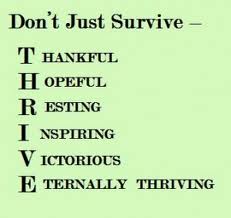
These are only a few suggestions so you can not only survive today’s economic decline but these are suggestions for you to THRIVE!

After all, that is why you do what you do – RIGHT?

Here is to your success!

 Debbie Oct 2012ABOUT DEBBIE SEIDEL-BITTKE, RDH, BS

Are you looking to improve profits in your dental hygiene department? Debbie has an innovative and successful way to consistently increase profits in your dental practice.

Many dentists today only need a 1 or 2 day workshop in-office to create the best solutions. Some offices find it valuable to participate in one of our online membership programs. This investment will be your highest ROI .

Check our our services section on the website to find one that meets your needs. Consider getting your team involved in our 12 week Case Acceptance Program. You won’t need to stop your day of work at the office or pay for a dental consultant to travel to your office. The program is at your fingertips 24/7  indefinitely.

Debbie writes for many of the major dental conferences in the world. She is recognized for the past 8 years as “One of Dentistry Today’s Top Consultants.”

Many of her clients span from not only the United States but Brazil, Australia, India and the UK, just to mention a few. She has unique and one-of-a-kind learning systems for offices all over the world to participate in as well as in-office workshops and dental hygiene consulting.

Posted in Uncategorized

4 Rules of Hiring the Right Dental Practice Management Consultant

By: admin

April 29, 2013

The majority of dentists have not studied business management in college. Our economic climate is a cold one today which means your business skills must be at a high level to be a successful business owner. The same systems and services that made a dental office successful ten years ago no longer work for business profitability.

Many challenges such as dental hygiene department strategies/systems, treatment presentation, time management and getting your patients to pay for treatment are some of the solutions we can bring to a dental practice.

Many challenges such as dental hygiene department strategies/systems, treatment presentation, time management and getting your patients to pay for treatment are some of the solutions we can bring to a dental practice.

The four rules to success:

How to know if a dental practice management consultant is the best one for you:          Doctor-and-Debbie-

1) Follow a path to success – When you hire a dental practice management consultant, you are going to have homework to do. It will not be a lot of time but there will be some initial work to close the gap between where you are today and where you should be tomorrow.  This is something you will greatly benefit from in the long run. When your consultant has the correct information, in the beginning, it is much easier to create a plan for the office to run smoothly and create the increase in profits.

2) Superior clinical skills will not take your practice to the next level –Many dentists have gone through special training to advance their clinical skills and they are now have amazing clinical skills. These dentists are also expecting to increase their profits after completing this extensive training. Usually the result of these training courses is that production remains the same.

These are the dentists who call a dental practice management consultant because they cannot understand why their clinical skills have not taken their practice profits into the stratosphere.

What I recommend is a complimentary check of your practice’ vital signs. This allows me to take a closer look at your systems and where the gap is in your practice potential.

I am not saying that having this advanced clinical training is a poor choice but it is not going to increase your profit potential if specific systems are not in place.

3) Practice-management systems must be strategically created – Many dentists go through programs with dental practice management consultants and gain nothing other than a depletion of funds in their bank account. It is important that you choose a dental practice management consultant who can implement proven strategic systems for your dental practice and one that has a track record of success for many years.

4) Your Dental Hygiene Department – is a big profit potential for every general dental office. In order for your dental hygiene department to be profitable you need to have a philosophy of care for disease intervention at the earliest stage and a formula to prevent systemic disease for your patients.

Communication skills are going to be a very important piece for transitioning your patients of record into the various services you offer. Your comprehensive clinical refinements must be merged into your treatment plans for case acceptance to increase.

When hiring a consultant to increase profits in your dental hygiene department your consultant must be able to lead your team to refine and merge your philosophy of practice, the clinical skills with your practice and business systems. This is what will create a profitable and very successful dental practice.

The Success Formula – is a very simple formula. Not only does it require clinical excellence and your practice management systems to be in place but there are a few other factors that will take you to a higher level. Having the right people on your team will make it much easier to get there. This combination of choosing the right consultant, having excellent clinical skills, a profitable dental hygiene department, effective communication and the right people on your team will mean you are closer to creating success and a profitable dental practice.

Posted in Uncategorized

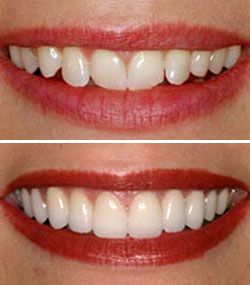
A Plan to Change Patients’ Lives ‘One Smile at a Time!’

By: admin

April 18, 2013

Before and After Front teeth

“Dentistry is about changing lives!” I had no idea when I chose to become a dental hygienist that I would be able to help patients live a longer and healthier life! Besides providing optimal health we also create beautiful smiles!

How does a dental office plan to create beautiful smiles, optimal patient health, be profitable and with little to now stress? The answer lies in how you begin your day. You may rush into the office at the last minute but if you take time to breathe, meet as a team for 10-15 minutes and prepare for a dream day at the office, everything else can be like the icing on the cake!

Start your day at the office or the day before by reviewing the patient charts. Then discuss as a team, the days patients, challenges, difficult personalities, pre-medication, special needs, exams, x-rays, exams needed, emergency time available, etc. The morning team meeting is where you can create your plan for success and it is where the profitability is maximized for the practice. Make sure you have an effective plan not just recite who is coming into the office. Talk about bottlenecks, who has outstanding treatment and where ER appointments can be fit in, etc. This is not a good time to flip through charts but to come prepared with valuable information to share with each other.

Have your financial coordinator or the office manager report to your office production and collections. Are you on track and what will you do when there is a decrease production? Allow the team to experience bliss when there is an increase in production! What is your plan to celebrate success?

Communication

If you want success treating patients with aesthetic and periodontal disease communication is key. Annually have your patient complete a smile evaluation during the hygiene appointment.

Ask you patient to complete a small intake form about their smile when they check in for their appointment. When the patient is seated in the chair have the hygienist give the patient a mirror, show the patient a shade guide and have the patient pick what shade they believe they are according to the guide. You will soon find out you open doors to aesthetic treatment that patients never would have dreamed about completing.

Use the intraoral camera to document not only restorative concerns but bleeding, heavy calculus and plaque.

Ask yourself these questions: “Did I ask my patient the right kind of questions? “Did I ask questions that only allowed my patient to answer yes or no?” “Did I ask my patient to express their ideas and concerns?” Did you really understand emotions inside of your patient?” If you answered “No” to any of these questions, there is a good chance your patient will not be satisfied with the outcome, regardless of how clinically sound any treatment is presented. It is possible that your patient may not be in the right frame of mind to hear your answers to their questions.

Sit down at a team meeting and know what questions you need to be asking patients.

Treatment Planning

Treatment planning for aesthetic dentistry and all preventive treatment concerns should be a group effort. This includes doctor, the entire team, the lab and even referral dentists. Your patient expectations need to be met for the entire process of communication, case acceptance and future patient relationships to continue. It is very important that patients understand their end result and personal benefits for completing treatment recommendations.

Sit down as a team and discover what your patients really want. Have you taken a patients survey to understand what they really want from you as their dental healthcare provider? How do you measure the success of your communication and listening skills? What percentages of treatment plans are outstanding? How do you know that patient understand the benefits and why they really need the treatment completed?

When was the last time you assessed your outstanding treatment plans? What is your plan to get those treatment plans completed this year? When was the last time you discussed outstanding treatment and alternative options with those patients?

Get to “YES!”

Of course you want your patients to respond with “YES!” You just need to know what questions to ask them. Listen closely to their answers and what their body language as they are speaking. They are giving you their honesty with many non-verbal clues.

Creating the Plan

Each morning, come prepared to discuss options to hear more patients say “YES!” each day. Monitor your successes and keep track of the outstanding treatment plans. If you find many patients leave the office saying “I need to think about it” or “Let me talk to my husband” let me suggest it is time to look at your verbal skills and make some changes in your communication skills.

We are in the business of changing people’s lives. We really can change each patient’s life just one smile at a time. Imagine the great feeling and rewards you will experience if you can change a smile that your patient has never imagined possible!

Communication, planning, and execution can go a long way when you provide optimal health and excellent aesthetic dentistry. Now we’re talking success!


Posted in Uncategorized

Return to Your Training Vault

Contact Info

  • 15508 W. Bell Road Suite 101 PMB 431, Surprise, AZ 85374
  • (623) 252-1941
  • admin@dentalpracticesolutions.com

Office Hours

  • Mon-Thu 8:00am - 5:00pm PST
  • Friday 8:00am - 2:00pm PST

Useful Links

  • Home
  • About
  • Sitemap
  • Terms of Use
  • Privacy Policy

Recent PR

  • PrestoSmile® and Dental Practice
  • Dental Practice Solutions - Debbie Bittke
  • Dental Practice Solutions - Debbie Bittke
  • Dentistry Leaders
Copyright 2026 Dental Practice Solutions

    Input this code: captcha

    captcha

    • Home
    • About
      ▲
      • About Us
      • Testimonials
      • Videos
    • Services
      ▲
      • Hire a Dental Hygienist
      • Dental Hygiene MAX Course
      • 6-Month Dental Hygiene Department Optimization
      • 12- Month Dental Hygiene Department Training
      • Dental Hygiene Department / Team Workshop
    • E-Learning
      ▲
      • Free Resources
        ▲
        • BOOST CASE ACCEPTANCE eBook
        • Treating the Gingivitis Patient
      • More Courses
        ▲
        • Oral Inflammation and Systemic Vitality
        • Properly Sequence Hygiene Appointments
        • Alzheimer’s Disease Prevention.
    • Webinar
      ▲
      • Current Webinar
      • Power Hour March 15 2024
    • Blog
      ▲
      • Podcasts
    • Contact Us

    Schedule your free coaching call here client login

    (888) 816-1511

    Introduction to Orientation Video Part 1