Dental Practice Solutions
Schedule My Opportunity Call Call us now (623) 252-1941 Client login
  • Home
  • About
    • About Us
    • Testimonials
    • Videos
  • Services
    • Hire a Dental Hygienist
    • Dental Hygiene MAX Course
    • 6-Month Dental Hygiene Department Optimization
    • 12- Month Dental Hygiene Department Training
    • Dental Hygiene Department / Team Workshop
  • E-Learning
    • Free Resources
      • BOOST CASE ACCEPTANCE eBook
      • Treating the Gingivitis Patient
    • More Courses
      • Oral Inflammation and Systemic Vitality
      • Properly Sequence Hygiene Appointments
      • Alzheimer’s Disease Prevention.
  • Webinar
    • Current Webinar
    • Power Hour March 15 2024
  • Blog
    • Podcasts
  • Contact Us

Exploring the Essence of Complete Health Dentistry

By: Debbie Seidel-Bittke, RDH, BS

February 7, 2024

Complete Health Dentistry, though often under the radar, is one way to grow new patient appointments for your dental practice. Patients who understand you are treating their total health and not just a tooth are most likely to feel a sense of urgency when scheduling for dental care. These are the patients who have a strong commitment to their dentist.

Patients who embrace Complete Health Dentistry choose a specific dental office because they understand these dental professionals (Dentist- owner and the entire team) are in the business of helping them live a longer and healthier life!

Today’s dentistry must include the patients’ total health. Dentistry in our world today intertwines oral health with holistic well-being, transcending the mere treatment of teeth to encompass our patients’ total well-being.

Complete Health Dentistry embodies robust dental care with an all-inclusive approach to patient care. It transcends mere cavity checks and cleaning teeth to delve into lifestyle factors like systemic diseass, medications, supplements, nutrition, sleep patterns, and stress levels, etc, etc. Dentistry has moved from treating a tooth and “cleaning teeth” to a whole body approach.

This holistic approach goes beyond the routine dental appointment. For example when a patient presents with gingivitis, discussions extend beyond brushing techniques to encompass medications, health – disase history, family history, dietary habits, hydration levels, and stress-induced acidity. The patients appointment will include a discussion about systemic diseases associated with oral inflammation. These patients who seek Complete Health Dentistry, understand the consequences of untreated oral inflammation and disease.

The Complete Health Dentistry paradigm shift redefines the dentist-patient and dental hygienist-patient interaction, starting from the initial consultation, medical history review, a list of medications, systemic disease, heart attack, stroke, Crohns disease, etc. Today’s dentistry is about understanding the patients total health. Treatment diagnosis, recommendations, and specific products, all align with the patients total health.

Complete Health Dentistry includes evaluating saliva acidity, pH levels, and microbial analysis under the microscope. These are services and assessments crucial for understanding oral-systemic health connections.

Patient education plays a pivotal role in this paradigm. By elucidating how oral health influences systemic well-being, dental professionals empower patients to make informed choices. Discussions on how oral bacteria affect our systemic health, coupled with microscopic insights, foster patient engagement and accountability. In today’s world of dentistry we talk to our patients about inflammation and how oral inflammation can lead to other systemic diseases. We are treating the patients total health not just a tooth.

We explain oral inflammation in a way that helps our patient “own their disease” and want what they need.

Communication of health-related information and inspiring behavior change reinforces this partnership with our patients. Patients who understand this complete health module will heed our advise, make behavior changes and or maintain health journals, fostering a proactive approach to wellness. In this sense, dentists and dental hygienists transform into complete health coaches.

The choice of dental materials is pivotal. The importance of biocompatibility, considering patients’ varying sensitivities becomes paramount. Understanding our patients sensitivities to specific ingredients will guide our selection of the dental materials we use when treating our patients. Post-procedure following these protocols provides a more holistic approach that supports each patient’s individual health needs.

As a dental hygienist, I understand that many patients have a specific sensitivity to Sodium Lauryl Sulfate. In this situation I have a list of recommended home care products that do not have this ingredient.

Among biocompatible composites, VOCO’s Admira Fusion emerges as a favored choice, backed by extensive patient testing. Its compatibility with diverse patient profiles makes it a reliable option. Using a product with hydroxyapatite or xylitol versus sodium fluoride for caries prevention can be beneficial to your patients and supports many of your patients needs and desires.1, 2

Beyond clinical excellence, Complete Health Dentistry serves as a practice catalyst. Patients appreciate the personalized care and holistic approach, fostering loyalty and positive referrals. Moreover, collaboration with medical professionals enhances patient care and boosts professional satisfaction, enriching the dental practice ecosystem. Elevated patient care leads to happy patients. Happy patients usually renders a thriving practice

In essence, Complete Health Dentistry heralds a new era in dental care, where oral health intertwines seamlessly with overall well-being, empowering patients to embrace a holistic approach to dental wellness.

References.

  1. https://www.ncbi.nlm.nih.gov/pmc/articles/PMC8641555/
  2. https://www.ncbi.nlm.nih.gov/pmc/articles/PMC8432723/

Register Here for the Biologic Dentistry webinar and February 29, 2024 and learn more about this interesting topic.

Posted in CARIES RISK, Dental, Dental Hygiene Patients, Dental Hygiene Services, Dental Patient, flouride, Oral Systemic Link

Sustainability Within the Dental Practice

By: Debbie Seidel-Bittke, RDH, BS

July 16, 2022

                                     SUSTAINABLE

The arrival of summer brings with it new hope for sustainability and greener pastures. As more people become aware of the rising threat of global warming, we can see more improvements in the way businesses — large and small — continue operations. 

Sustainable practices have been around for quite some time. This movement encourages people to choose less wasteful methods and products for use in their daily lives. And while the biggest target of the sustainability movement is the bigger corporations, dental practices, too, are now using sustainability in business. 

Have you implemented green policies in your dental practice? If not, here are seven ideas you can use right now in your business. 

Choose to Go Paperless

Going paperless is a great way to optimize your dental practice workflow. It can make setting appointments more convenient for clients. Plus, automated forms are much more reliable than paper, since paperwork can easily be misplaced. There are over a dozen available software for clinics to buy and download. 

A few examples are: 

  • Doodle
  • Calendly
  • Arrangr
  • SimplyBook
  • Appointlet
  • Woven
  • CalendarHero
  • HoneBook
    • There are many other applications and software you can try besides the ones mentioned on this list. Take the time to look research them online to find the perfect app that fits your needs. 

Partner With Sustainable Businesses

Partnering with other sustainable businesses can help bring your sustainability goals to fruition. Green businesses use environmentally friendly production processes in their operations, reducing their environmental impact and improving carbon emissions. By partnering with these companies, you — in turn — reduce your energy consumption and as a result decrease your carbon footprint. 

Consider switching to a green bank that uses sustainable practices during transactions. You can also transfer to green utilities and energy providers, like Dominion Energy, Duke Energy, and Southern Company — among others. Lastly, consider stocking all-natural oral care products from toothpaste to dental floss. 

Use Organic or Eco-Friendly Scrubs

Organic or ethical scrubs are now available in most medical practices — including dental practices. Besides reducing your carbon footprint, one of the best things about these products is that they enhance blood circulation and help increase tissue oxygenation. As a result, your body maintains consistent optimal body temperatures, even while you’re hard at work. 

There are plenty of brands that now offer ethical scrubs. A few that come highly recommended are Barco One, Bella Organics Medical, Mediclo, Figs and Skechers. Ethical scrubs can cost anywhere between $30 to $70 on up — so they aren’t inexpensive. However, with the right care, they can last you a long time and are incredibly good for the environment and your health. 

Say Goodbye to Single-Use Plastics

The thing that most people don’t know about single-use plastics is that they don’t biodegrade. They just break down into microscopic particles that poison our environment. These microplastics end up in our water sources and food, ultimately entering our bodies later in the process.

Human exposure to microplastics is believed to cause oxidative stress in the body, according to researchers. It can also cause DNA damage and inflammation, among many other health conditions. 

For dentists, surface barriers, plastic cups, and patient giveaway bags can all be substituted with more eco-friendly and reusable options.

A few examples include: 

  • Metal or autoclavable plastic
  • Aluminum foil 
  • Biodegradable bags
  • Fluoride varnish 
  • Autoclave cassettes in reusable cloth
  • Reusable fabric bags
  • Bamboo toothbrushes
  • Biodegradable floss

Minimize Hazardous and Chemical Wastes

Most dental facilities are already required to use amalgam separators due to the quantity of mercury they contribute to wastewater. Another thing you may do to help is to think about greener alternatives to amalgam restorations. Another technique to make a real impact is to use digital photographs rather than traditional film X-rays.

Order in Bulk

This could be the easiest method for your practice to leave a positive impression on the environment. Bundling orders result in less packaging and lower vehicular emissions. 

When you buy in bulk, less vehicles are used to deliver a larger variety of dental office supplies. If you have your supplies delivered in larger quantities, larger packaging allows the delivery truck to be packed more efficiently. By using more efficient transportation, you’re also helping to save the environment by lowering CO2 emissions.

Switch to LED Lighting

LED lamps can last up to 20 times longer than conventional lighting. This not only helps the environment but also saves you money on electricity costs. Some LED bulbs have a lifespan of two to three years — or even decades.

Consider the long-term environmental benefits if everyone made this little change, e.g., less landfill waste, less production of new lights, and reduced shipping and packaging—three major criteria used to evaluate environmental problems. 

Final Thoughts

Sustainability is not something that anyone can easily achieve in a year. It will take quite some time before you make any noticeable changes to your dental practice. The important thing is that you start as soon as you can. Your efforts will compound and eventually create a larger impact on the environment. Take time to read through the seven ideas we shared today. Try to apply them to your dental practice and see how far it takes you. 

Thank you to our Guest Author Kartreena Sarmiento.

Posted in Dental, Practice Management Consulting, Uncategorized

LED Red Light & Dental Lasers Used for Canker Sores

By: Debbie Seidel-Bittke, RDH, BS

April 8, 2022

Laser for Canker Sores. Soft Tissue laser to prevent canker sores. Dental Office Treatment of Canker Sores.
Dental Office Treatment of Cancer Sores.

Cold sores are not pretty to look at.

They are uncomfortable, painful, embarrassing, and hard to get rid of.

There are ways to help our dental patients alleviate these unsightly sores and prevent the pain from cancer sores.

Let’s take a deeper look at the cause of these ugly mouth sores and how dental professionals can be an advocate for treatment and prevention.

What is a Canker Sore?

  1. Canker sores are a common viral infection

A cold sore is a group of tiny, painful blisters caused by the herpes simplex virus (HSV). They’re also called fever blisters or herpes simplex labialis.

Up to 90% of people around the world experience at least one form of HSV.Dental professionals and especially dental hygienists are great advocates for their patients.

Patients see their dental hygienist routinely and dental professionals review medical histories. We are great messengers to educate or patients in prevention of canker sores and a lot more!

What causes Canker Sores?

Below is a list of triggers for these awful outbreaks:

  • Stress
  • Fatigue.
  • Overexposure to the sun
  • Exposure to cold temperatures
  • Upper respiratory infections and fever
  • Dental services: gum treatment, fillings, etc.
  • HPV
  • Hormonal changes
  • Compromised immune system
  • Certain foods: acidic foods, certain fruit, and chocolate

Prevention

When we see a medical history and the patient documents frequent cold sores, canker sores and herpetic lesions, we can now advise our patient about ways to help prevent these ugly, painful, mouth sores.

Below is a list of recommendations we can make for our patients who do suffer from canker sores:

  • Antiviral medications such as valacyclovir (Valtrex) or acyclovir (Zovirax).
  • Lysine, an essential amino acid is found in protein. It isn’t produced in your body, so you must consume it through an oral supplement or diet.

Common foods rich in lysine include:

  • beef
  • chicken
  • turkey
  • pork
  • codfish
  • sardines
  • eggs
  • yogurt
  • parmesan cheese
  • spirulina
  • soybeans

Lysine is essential for our health; it helps with calcium absorption and collagen formation. Many people many not consume enough lysine in their diet. Athletes and/ or vegans may need to consume more.

Lemon Lip Balm for Prevention of Canker Sores. How to prevent canker sores.
Lemon Lip Balm for Prevention of Canker Sores.
  • Lemon Balm

The antiviral properties of lemon balm, also known as Melissa officinalis, may help reduce the redness or discoloration and swelling associated with a blister, or protect against future infections — at least according to a 1994 study.

Use a lip balm with at least 1 percent lemon balm. Or, as an alternative, a compress made of a lemon balm infusion (tea) may provide similar benefits.

  • Avoid acidic foods such as citrus fruits and even an abundance or frequent chocolate
  • Red LED Light Therapy

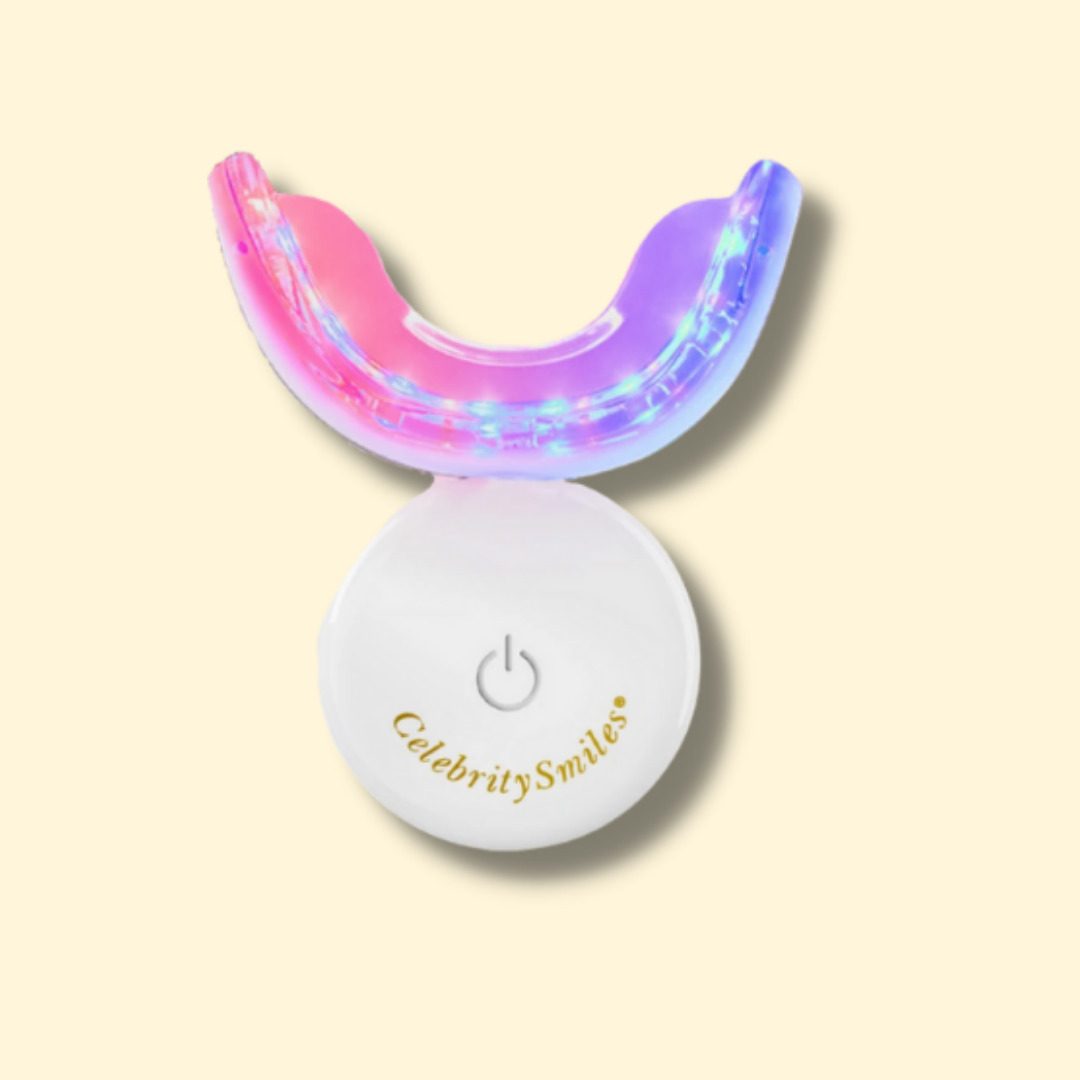
Hint: Celebrity Smiles LED Red Light can be helpful! Keep reading to discover how. You can help your patients with this simple preventive technology.

  • Wash your hands often and don’t rub your eyes
  • Replace your toothbrush often
  • Don’t kiss someone who has a cold sore or use that person’s utensils, towels, or razors
  • Apply sunscreen to your face and lips before prolonged exposure to the sun
  • Replace your lipstick or lip balm often
  • How to Recognize a Cold Sore Outbreak

If your patient had chicken pox, a herpes virus, or anything similar, they are always at risk for these unsightly sores.

Let’s help our patients recognize the stages of a cold sore and help them put a halt to the progression of these unsightly sores.

Below is a list of what to look for when a cold sore is beginning:

Tingling

Tingling is the first sign of a cold sore and we can educate our patients that this is the most important time to do all that they can to prevent the unsightly sore.

This is the best time for your patients to call your office and on that day they come to your office for a very short appointment and doctor or a laser certified hygienist can use a soft-tissue, diode laser to ZAP the early stages of this canker sore.

Many offices when introducing the soft-tissue laser for prevention of a full-blown-ugly cancer sore educate their patients to call immediate and come in that day for a quick appointment to ZAP the red area that will soon be a canker sore.

You will find that doing this (in the beginning) at no-cost to your patients is a great practice builder!

If you do decide to charge for the ZAP of a cancer sore, the soft-tissue, diode laser does need to be completed at the first signs of a cancer sore and it takes maybe 15 minutes in your office to ZAP the canker sore.

The charge will be minimal and it’s recommended you charge less than $60. Many offices charge approximately $20-30 for a quick ZAP.

It truly is a great marketing tool and helps your patients out in a big say!

Also, recommend your patient use an anti-viral cream such as Abreva. This cream will need to be reapplied frequently and will cost almost as much as the laser treatment at a dental office.

The ZAP of your laser plus the addition of an anti-viral cream makes a big difference in the beginning stages of a canker sore outbreak.

People with Crohns Disease, auto-immune diseases, patients undergoing chemotherapy are known to constantly deal with cold sores so let all your patients know you can easily help them at the first sign of a canker sore.

Your patients will be your raving fans!

Blisters

One stage of cold sores is the blistering stage.

Blisters occur from day two to four of the canker sore outbreak.

These blisters can fill with fluids to make the skin around it swollen and red. Blisters can occur inside the cheeks, nose, and lips, as well as the soft tissues inside your mouth and even your tongue.

The reason for blisters occur is because the immune system is working hard to heal the virus. During this stage, you want to continue using an anti-viral topical cream.

Educate your patients to now squeeze these blisters. Touching and squeezing the blisters will cause transmission of the virus, it will exacerbate the sores and can slow down the healing time.

Oozing

Oozing occurs about day 4-5 of the canker sore outbreak.

This is when the cold sore is most contagious and painful. The blister can burst during this stage.

This can lead to a red round area of inflammation around the affected area.

Scabbing

Scabbing happens around days 5-8, This is when the canker sore dries out and a scab will form. The scabs can feel itchy, they can crack open and shrink.

Cracking will lead to the cold sore bleeding. Other symptoms that may occur include burning and itching.

Healing

Healing starts between days 8 to 10.

The time it takes to heal a canker sore depends on how bad the outbreak is and if you’re your patient began early preventive measures to halt the cold sore.

Canker Sores are Contagious

Oner reason a family of patients all experience cold sores is because they are contagious.

Parents who experience cold sores and kiss their babies are literally transferring the virus to their child.

It is also possible for the cold sore to spread if someone touches the cold sore and then touches another mucous membrane such as the mouth, eyes, or nose.

Cross contamination of the virus can occur when two people share some personal bathroom items, like a toothbrush, a razor or drinking from the same glass. These are all things that when shared with a person who has a cold sore they will spread the virus to another person.

LED Red Light For Prevention of Canker Sores

Conclusion

As dental professionals we are advocates for our patients. Prevention is key and as dental professionals we are armed with the tools to heal and even prevent these unsightly canker sores that many of our patient’s experience.

Dental Practice Solutions offers a Blue/Red LED Light to dental offices that not only helps BOOST whiter teeth but the red LED light has shown great results for people who have various mouth sores.

If patients wear the Red LED light mouthpiece for ten minutes, 2-3 times a week, they are less likely to experience mouth sores from canker sores, that are caused by a virus, chemotherapy, and auto-immune diseases.

Using a diode, soft-tissue laser to ZAP these ugly sores works well and your patients can leave with an LED Red Light to continue preventing a full outbreak of this ugly sore.

Studies have shown that phototherapy, either by LASER and/or LED, is an effective therapeutic modality to promote healing of skin wounds. 

Check out our reseller page to order this wholesale LED Light and help your patients prevent canker sores. This RED LED light helps heal oral inflammation, soreness after dental treatment, dental sores, etc. The LED Light mouthpiece can also BOOST whiter teeth.

Find out how to use this in your dental office here.

Take your hygiene department to the next level. Enroll in our course.

Posted in Dental, Dental Hygiene Adjunctive Serivices, Dental Hygiene Appointment, Dental Patient, DENTAL PATIENT CASE ACCEPTANCE, Dental Services

5 Strategies for Managing A Dental Practice

By: Debbie Seidel-Bittke, RDH, BS

March 16, 2022

Guest Blog Post.

Image Source

For most dental professionals, it is challenging to see the dental offices as a business entity or a vocation, when in fact it is actually both. Although the entire practice is centered around ensuring optimal patients oral (dental) and total health, a dental practice will not be able to sustain your quality services if you’re not product, if revenue is not where it needs to be or if your equipment is not maintained well.

To make sure you can continue giving quality care, without sacrificing any other professional goal you might have, here are a few strategies for managing your own dental practice.

1. Reassess your working hours

Most dental offices still operate with a conventional schedule that usually starts at 8 AM in the morning and closes at or 5 PM. You might want to realign your clinic hours to better serve your patients, as well as open up your schedule for other opportunities. For example, some dentists who run a group dental practice, often have an alternating schedule. Some employees arrive early in the morning and leave early afternoon, while the employees arrive later in the day and leave later in the evening hours.

Many dental offices also intentionally work different hours, such as starting after lunch and schedule patients into the evening hours. This kind of setup allows patients to work half-day or get their dental work scheduled after their day of work.

2. Invest in your people

Of course, this is particularly important for all dental offices. Investing in your team in your dental practice is “investing in the business”. For starters, the dental office admin team members perform a wide range of activities from scheduling patient appointments, keeping records and the dental assistants complete various tasks that include x-rays, dental technologies like taking x-ray (images)and administer patient care. 

By equipping employees with the right certifications and training, they can perform some of the tasks that would otherwise fall on to the dentist themself. This saves up time and allows you to focus on more complex work, or attend to the business side of things.

Maintenance of dental equipment.
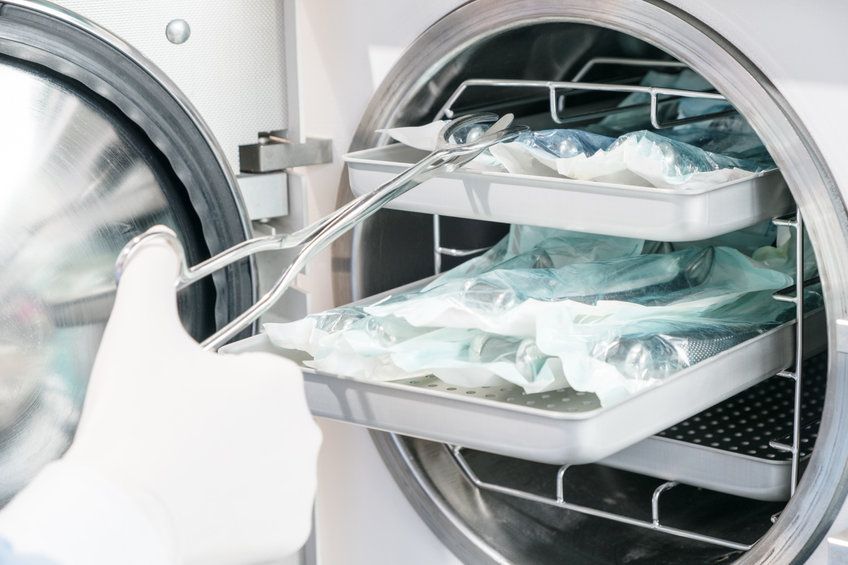
autoclave sterilizing maintenance.

3. Include regular maintenance on your equipment

Like any other machinery, the pieces of dental equipment you have in your dental office also require a periodic maintenance to ensure it doesn’t break down or malfunction right when you need it. A regular maintenance schedule might sound like an added expense for the business but it pays for itself in the long run, saving you from the hassle of having to stop or reschedule an appointment because something in the clinic doesn’t work as it should.

Of course, it involves x-ray machines, washer-disinfectors, hydraulic patient seats, lights, and more. You’ll also need to regularly check your handpieces to make sure you do your work with no worries.

4. Start automating processes

Rapid advancements in technology have made most of them less expensive and therefore more accessible for everyone. Some clerical tasks in your dental office can use this technology, saving you time and effort, all while minimizing the risks that come with manually performing them. The most common example is appointment setting and scheduling, automated solutions available today let you customize the platform and let the patients handle the rest. They can set their own schedules and the system will notify your team for confirmation.

One example of automation that saves the employees time and keeps patients returning to your office is NexHealth.

You can even automate your HR platform for your team, making sure that everyone’s salary and benefits are automatically taken care of. It can even help you see your upcoming schedule or if someone is planning to take a paid time-off, even when you’re not in the office. Some of these automated platforms are available in web browsers or even in mobile apps, improving mobility and accessibility for you and your patients.

5. Monitor your inventory

Sometimes, it’s the small things that derail the entire operation. To make sure you never run out of the important things you need, make sure to always keep a good handle on your inventory. You must frequently review the pace at which you consume certain materials such as cotton balls, Q-tips, patient toothbrushes, gloves, etc. Keeping yourself updated on the inventory status makes sure that you don’t overstock and more importantly, you don’t run out of the things you need in doing your day-to-day business.

For small dental offices, having tight control over the inventory means you only buy what you need, when you need it. This practice frees up a portion of your finances for other purposes, such as training staff or setting maintenance schedules. Also, you can start setting up an inventory management system and train the rest of the team for increased efficiency.

Conclusion

Effectively managing your dental practice often starts with the small, often-overlooked parts of the job. By making sure you pay enough attention and allot enough resources, you can continuously improve the place you work in and the processes with which you do business. Not only do they create better employee and customer experiences, but they also take off things from your mind–letting you focus on providing the best oral and dental health services.

Thank you to our guest author: Kat Sarmiento

Posted in Business of Dentistry, Dental, Guest Blog

THE “LAST” TRANSITION

By: admin

August 19, 2019

I had an accident at home in late spring, falling and landing awkwardly on my shoulder.

I did not break or chip a bone or tear any ligaments, but jammed it so badly I followed up with an orthopedic surgeon for all the right tests and images to be sure. 

He recommended 6-8 weeks of physical therapy and then a follow-up visit.  By late May, I decided I wasn’t progressing fast enough, so I also got some deep muscle massage.  On June 6th, my world changed.  I had severe pain from hips to neck. 

The doctor’s visit resulted in pain- killers to help me sleep and be able to get out of bed.  Many blood tests revealed nothing but the obvious increased inflammatory markers; no reason for the pain. 

Even though I am a diabetic, we decided to give steroid shots to break the pain cycle. It is now mid-July and my doctors and I still don’t have a definitive diagnosis.


DENTIST RETIREMENT

The “Last” transition from dentist into retirement is the transition from being the strong, Alpha leader of my family to a person who is dependent on my wife and family to take care of some or even all of my needs.  I could not drive.  I could hardly walk across the bedroom and I needed a cane to help me get around.  I could not concentrate long enough to even write a blog, which is the reason you haven’t heard from me for weeks.

My hope is that this is a passing thing, but it seems there is an underlying systemic problem that remains to be found.  I am going to have to adapt to whatever life changes that come next.  The psychological impact that is a result of this change is something that we all will face.  It is not directly related to retiring, but more to the transition of aging.  As hard as it is for us to accept it, we are all mortal, and aging and becoming dependent is the last transition in our lives.

I was reflecting on some changes I was considering to make for one of my presentations to include this information. Then I realized we all need to do some planning for this part of life, too.  I never considered that I would become totally dependent on my family for normal everyday functions.  The truth is, we all will come to this point in our life, at some time.  The tricky part is that we do not know when that will happen, and in most cases it happens before we have planned for it.

I have a picture of me with a golf trophy from about 6 years ago, when I won my flight in a golf tournament.  That day I shot an 83, which is not a bad score when you have a 20  handicap, but today I cannot even think of swinging a club because of the pain.  Age,  pathology, and progressive deterioration of our bodies will slowly rob us of many of the things we consider to be normal functions. 


THE LIST TO CREATE YOUR FREEDOM

Below are a list of things I planned while making my transition from dentist & owner of a dental practice to FREEDOM to do what I want, when I want.

I worked and prepared for my retirement years and this included end of life care.  Usually this is something we will stay in denial about, until reality is thrust upon us.  I am going to discuss a couple of the things I have done to plan and possibly some insights into some things we will all need to do before this final transition sneaks up on us.

  1. Long-term care insurance
    Like all insurance, the younger you are when you buy this coverage, the cheaper it is.  With the average cost of nursing care at over $8000/ month, the more you can afford, the better.  You can often use in-home care with the better companies, but any of this type care is becoming increasingly expensive.  Without this, you can quickly drain your retirement funds.
  2.  
  3. Cancer and intensive care insurance
    This is a specialty add-on to other supplemental insurance coverage, but with my family history, it seemed like something that was inexpensively added to my coverages.
  4.  
  5. Handicap accessible design of home
    We designed and custom built our home to have large hallways and doors into our bedrooms and bathrooms.  All necessary rooms are on the ground floor and handicap accessible.  We also had a family room that accommodated my father-in-law when we had hospice care for his final days being comfortably spent in our home.
  6.  
  7. Will preparation and legal council
    Make sure you have everything you wish to happen when you are no longer here planned out and written down.  Also have a good estate lawyer help you make the proper plans, before you have health issues, and with enough time to structure your finances so your spouse will be taken care of when you are gone. Be sure that your spouse has signature rights on all bank and investment accounts.
  8.  
  9. Consideration about how you will spend your life and time post-dentistry
    If you are planning to continue doing everything you are doing today, with no limitations, either you are a really strong and healthy person, or delusional.  The vast majority of us will have physical limitations as we age. Even those who are healthy until their last illness are often surprised to suddenly die.   I had plans to continue to do a lot more physical work and travel, but as my condition changes, I have to reassess what I am going to do in the next year and years.  I spoke to a widow several years ago about my surprise at the news of her husband’s death.  She informed me that he also was surprised at his death.  When my father died several years ago, he had terminal cancer and we knew death was imminent, but the day of his death, we all seemed surprised.  I think it is human nature to think it will be “later”.
  10.  
  11. Family discussions about retirement plans and transitional care if disabled
    Nothing can be worse than a sudden, premature death of a spouse.  Possibly the next worst thing is long-term disability.  Even for young families, you should have discussions and plans in the case of the worst possible situations.  Insurance policies and wills are the bare minimum of planning all of us should do.


This final transition is not something most of us want to discuss or even consider, but ignoring this obvious life event will not eliminate the need to make a plan.  Doing these simple, but possibly hard things will help you to be proactive in your life, instead of having a very negative surprise when you least expect it.

Make your last transition from dentist and owner of your practice into FREEDOM – retirement, one of the best adventures in your life.


ABOUT THE AUTHOR

Dr. Black owned his own dental practice for over 30 yrs. There he developed an understanding of the critical importance in development of the owner-doctor’s leadership abilities, in addition to having great clinical skills.

Once he built a high-level of productivity in his dental practice, he was able to sell to a group practice; and the rest of his career as a dental practice owner is history. In 2015, Dr. Black decided to share his knowledge to help other dentists duplicate his level of success, so he became a leadership coach and practice management consultant. His niche is treatment planning and case presentation.

Dr. Black is currently an associate coach and consultant, for Dental Practice Solutions, one of the leading consulting firms for nearly twenty years.

As a seasoned practitioner, Dr. Black adds to the proven hygiene profitability coaching that Dental Practice Solutions is well-known for providing, to dental practices around the world.

Dr. Black’s expertise as an EQ and DISC trainer, makes him the best person to help more patients to say “YES!” to your patient care, as well as to enjoy working together as a team and loving what you do for your patients!

Grab Dr. Blacks Free eBook called Transition Now! here.

Posted in Dental Practice Transition

Dental Practice Transition How Do You Create A Saleable Practice?

By: admin

June 12, 2019

You cannot have a dental practice transition unless you have a practice that someone else wants to buy. It is critical that you have many factors working in your favor to sell your practice.

There are both physical and esthetic attributes, along with sound business metrics and positive staffing considerations.

The question when considering a dental practice transition is, How do you create a saleable practice?

Dental Practice Transition

PHYSICAL AND ESTHETIC ATTRIBUTES

Location is always an important factor in any business or real estate deal.  How much traffic goes past your office will help drive up new patients.

● How easy it is to enter and exit your office will help get new patients?
● Are you close to a school or a shopping center?
● Are you in a new or growing part of town or are you in a tired area that is not showing growth?

Next you have to consider the appearance from the road and what the interior of your office is like.  Make sure trim is painted and not peeling.  Is the landscaping inviting?  Is the upholstery on your furniture torn and dirty or bright and comfortable.

● Do you have a physical barrier between the reception area and the receptionist?
● Is the carpet or tile in good shape?

Buyers look at all these things and it will affect their attitude about buying the office.

● Is your dental equipment modern or antique?

Both will sell, but the old stuff will bring a lower price.  You will need to calculate what buying new equipment will cost against what the buyer is willing to pay for the old equipment.

Also you need to consider whether you can recoup the cost of replacement against just reducing the price to offset buying new equipment.

● Are you digital?

Any more the standard in any modern office is to have computer records and digital x-rays at the very least. A digital Panorex is prevalent in most offices also. If this is not the case, you will need to consider buying the digital upgrades or recognize that this is a big liability when selling.

BUSINESS METRICS AND STAFFING

If someone is going to buy a business, they have one of two approaches. The first is to buy an office that is profitable with good systems in place. They expect to pay a reasonable price.

The second type is looking for a bargain basement sale. If you are not making a good profit, if your production and collections are not high, if you are not seeing many new patients or have a sizeable group of patients of record, you are not going to get a good offer.

A few years before I sold my practice, I approached an older doctor who was going to close his office without selling it. He had run it down to nearly nothing and the physical plant was old and dated. I bought his phone number and his charts for $5000. I could not activate all his patients of record because they had left because of the state of the practice, but I did activate enough of his clients to more that pay for the cost to buy out the practice and not have another doctor come into our community in his office space.

You have two choices if you do not have good metrics:

1. Sell for less or improve your metrics.

When I sold my office, I had above average numbers, but I wanted to get the maximum return on my 40+ years of practice.

2. Hire an expert to boost your performance and profitability.

I hired consultants to help me improve all the key performance indicators that create success.

This is what you need to make the practice very attractive to the buyers.

I had long-term employees that had good relationships with our patients. This makes a buyer feel better about patient retention after you are gone. We had put in place many systems so that the team knew how to run the office without me micromanaging each and every thing going on in the office. I had many long-time patients that created the base for a smooth transition. The result of these efforts was to increase the sale price by about 30%.

The choice is yours:

Create a great, saleable practice, or bail out of the practice with less return on investment than you could have realized.

If you need help with your transition, give me a call for a free thirty- minute consultation, or engage us for coaching you all the way through your TRANSITION. Also you can get my free E-BOOK at our website, https://dentalpracticesolutions.com/resources

ABOUT THE AUTHOR

David Black, DDS, FICD, FACD

DAVID BLACK, DDS, FICD, FACD

Dr. Black is an associate coach for Dental Practice Solutions. He is “The go-to-expert for all dentists who are thinking about transitioning into retirement or buying their 1st dental practice.

Dr. Black owned his own dental practice for over 30 yrs. There he developed an understanding of the critical importance in development of the owner-doctor’s leadership abilities, in addition to having great clinical skills. Once he built a high-level of productivity in his dental practice, he was able to sell to a group practice; and the rest of his career as a dental practice owner is history.

In 2015, Dr. Black decided to share his knowledge to help other dentists duplicate his level of success, so he became a leadership coach and practice management consultant. His niche is treatment planning and case presentation.

Dr. Black is currently an associate coach and consultant, for Dental Practice Solutions, one of the leading consulting firms for nearly twenty years. As a seasoned practitioner, Dr. Black adds to the proven hygiene profitability coaching that Dental Practice Solutions is well-known for providing, to dental practices around the world.

Dr. Black’s expertise as an EQ and DISC trainer, makes him the best person to help more patients to say “YES!” to your patient care, as well as to enjoy working together as a team and loving what you do for your patients!

Want to have Dr. David Black speak to your study club or dental association?

Click to know more about Dr. David Black’s courses: Speaker Packet

Thinking about taking your dental practice to the next level?

We are looking for a few dental offices to beta-test our Dental Practice University training.

The training has video modules for the doctor, front office, dental hygienists and the entire team. There are scripts, forms and written processes.

You get information about Creating your culture, vision, team huddles that creat big productivity, hygiene video trainings on time management, treating the gingivitis and periodontal patient, CAMBRA, Lasers, phone skills, time management for the front office, handling cancellation calls, reactivating overdue patients, treatment planning, case acceptance, presenting financial arrangements, etc, etc.

There is a lot of training you receive over the next year. There will be hundreds of training video modules. You will also receive 24 AGD CE Credits for participating.

As a beta-tester, you pay nothing. We do ask that you provide feedback and give your opinion and ways to improve the University trainings.

To learn more about the University and to see if your dental team qualifies to be a beta-tester please TEXT: DPU to: 949-351-8741. Please text us: your name, your office name, your best email address and phone number. We will schedule 15 minutes to share more and let you know what we need from you and your team should you be chosen as beta-testers.

Posted in Blog, Dental, Transitions

Happiness is NOT an Option!

By: admin

March 25, 2019


The Inspired Dentist

Most dental professionals begin their career with a very noble passion to serve others.

Doctors, dentists, hygienists, dental assistants, physicians, nurses, etc., want to make a difference in the health care industry and help people live a healthy life.

Once you graduate dental school and begin work in the real world as a dentist, life, for many, begins to feel overwhelming.

You may now decide to buy a dental practice. Now you find yourself overseeing your practice marketing, looking at your P & L, dealing with HR issues, managing people and so much more!

And on top of all this, as if this were not enough, you must keep up with all the changes in our dental industry, rising costs of supplies, equipment, technology; updates and repairs.

I can totally relate because I have experienced this in my life personally as a business owner.

The days, weeks and months, move so quickly that we lose sight of ourselves and our own needs.  We forget to put self-care on our list of priorities.

Our families and loved ones suffer because of this overwhelm.

  • We arrive to the office irritable and out of focus.
  • We leave the office and return to our family, our loved ones, worn out.
  • We are physically in our home but mentally we are absent.

As a result, our loved ones cannot connect with us. 

  • We miss out on a lot of relational cues that our family is giving us and there is a big disconnect that happens.

This happens because usually IQ (Intelligence Quotient) doesn’t match the EQ (Emotional Quotient).  Growing your IQ is great for many reasons however, growing our EQ is equally just as important.

We are learning that EQ is actually more important than IQ when dealing with people and living your best life.

If we leave our emotional quotient behind there is usually an imbalance that happens and we think the more we do, the more we achieve.

The truth is that more equals less; we’re less efficient.

We become more diluted and spread too thin. We are not able to recharge as much as we need.

When we allow this to happen we become consumed with too much negativity.  Eventually burn out gets the best of us.

Next, we notice physical, mental and emotional symptoms. We get fatigued, suffer heart attacks, anxiety, and depression takes over our life.

Truth be told, dentists have one of the highest suicide rates today.

So how do we change all this? 

  • We can’t very well expect things to magically change if we do the same things over and over again, right?  So, we have to rewire our brains.
  • We have to allow ourselves to get out of our comfort zone.
  • We need to shift the way we deal with our challenges our perspective, increased resilience and delve into the  zone of being aware of who we are as humans.
  • We have to forgive ourselves more, we have to break out that pattern of imposing self-inflictive pain; take a step back and acknowledge that our emotions have a purpose.

We gain back our kindness and compassion by indulging in self-care. This is a must.  If we can just take 5-10 minutes a day to reflect, journal, listen to music or work out, etc.

We must take a step back to see what we’re letting ourselves get drained with and what we should be thankful for.  When you do this, you will feel recharged.  You become more productive and stresses that seem so big before, will now appear smaller.

It’s important to reconnect with your roots.  Ask yourself, “What are my non-negotiables? “

SOLUTIONS TO GET YOUR LIFE BACK

  • We must reset, enjoy our home with family.
  • We must be able to enjoy the office with our dental team members.
  • We must figure out what our emotions mean and how to reconnect with ourselves. Ask yourself, “What is this trying to tell me?”
  • We can train our brain to wind down.

One example where we can do this is to remove our self from the social media vortex.

It can be a difficult habit to kick and that’s why it’s even more important to do this. In doing so, we can focus on what our day really looked like and just what happened that our day did not go well.

They say that if you place a dot on a white sheet of paper, people naturally notice the black dot first when in truth, 99% of that paper is white.

We have to bear in mind that when you start doing something that feels uncomfortable, this actually has the potential to make your life happier.

When you think about it, leaning into the discomfort is where the growth starts. It’s like trying something new that leads us to a new level we’ve never been before.

I hope you are able to get the gist of this truth that I am trying to relay to you.

If this article has spoken to you and you would like to know more, feel free to get in touch with us and we’ll help you achieve the change you need and desire.

We are only a call away or email away. 

ABOUT THE AUTHOR

Debbie Seidel-Bittke, RDH, BS is the founder and CEO of Dental Practice Solutions. She is a dental consultant, coach, speaker and author. Debbie is a world-class leader in creating profitable hygiene departments and does this by taking an integrative approach with the entire team. Debbie is well-known as a former clinical assistant professor at USC in Los Angeles and a former hygiene department program director. Dentistry Today recognizes Debbie as a Leader in Dental Consulting.


Check out the Dental Practice University to participate in one of our trainings. The training is at your leisure, from your computer, alone or with your team. It is intended for doctor and the entire team plus, it includes 16 AGD CE Credits. Enroll now and you can choose to be locked into a low monthly tuition. There are no contracts;  you pay to play….monthly. If you no longer want the information, you don’t pay for the trainings. What you paid for is yours to keep indefinitely.

Posted in Dental, Dentist Life

Creating a Culture of Payment

By: admin

December 4, 2018

I recently had a chance to sit down with the A/R Ninja, Andy Grover Cleveland.

During this short conversation we not only talked about how to create a culture of payment, but we talk about how important it is to bill your patients and call them regularly when they owe you money.

Andy will share why it is important to use a 3rd party to bill and he will let you know when it is best to get a 3rd party involved in collecting money in your dental practice.

Stick to the basic principles:

  1. Outsourcing your dental insurance.
  • In today’s world dental professionals have a lot more responsibility and therefore outsourcing your dental insurance is very helpful for efficiency.
  1. Empower your team to use their judgement when doing their job.


  • “Mr. Patient, it will be $599 today, how would you like to take care of that today?” Now the PAY-tient says, “My brother-in-law plays golf with doctor, so I will talk to the doctor about this.”
  • You must have parameters and stick with the plan.
  • Payment options must be clear.
  • Know what the rules are and empower your team to live by the rules.
  • Doctor, you can’t change the rules and make exceptions.
  1. Pay-tients must pay at the time of service.


Billing and Calling Pay-tients regularly

  1. Communicate routinely when your Pay-tients owe you money.


  • You can do collections but maybe.
  • Checkout the Tennessee Backwoods Dentist on youtube to see, are you equipped to do some of these important tasks yourself?


Where do you spend your time daily in the dental office?

There are too many things “to-do” in a given day in the dental office and outsourcing collections, etc., can be very efficient for running a dental practice.

Question: What is the average for accounts receivable (A/R)?

Answer: Debbie and Dental Practice Solutions recommends 98% collections.

Andy mentions that for a start-up, you don’t want a high overhead.

If you have a mature practice, now you can do in-office financing and you may not need to have the high monthly collections.

If your personal finances can weather a higher A/R to allow more patients to make payments (in-house) on high-end services, then a higher A/R may work for your dental practice.

Andy states: “Every time you send a statement to a Pay-tient you are sending a message that you have made a mistake.”

What is the best way to contact a patient who owes you money?

Andy says that it depends upon the individual person. Keep the end in mind and try not to send statements. Try using all the avenues for sending statements; email, paper statement mailed and/or a text message with a link to pay.

Andy also says,
Dentistry is non-recourse.

Recap of the Podcast:

  1. All patients are asked to pay at the time of service.
  2. If patients do not pay at time of service, they will leave with a statement
  3. Work A/R weekly.
  4. Call outstanding A/R Pay-tients to ask, “how is (state the last service, area in their mouth treated), feeling?
  5. If it doesn’t get done, it won’t get done without someone doing it. Hire a service that will get it done.
  6. Focus on your “core competency…for doctor that is clinical dentistry.”


Debbie says:

Understand, has your engine light come on? Is it blinking? If you said Yes, you need to outsource this area.

Be sure you don’t miss another info-packed FB live. Come over to our Facebook Business page for daily tips, inspiration and our weekly Facebook Lives: 

Do you wish you had more Pay-tients say “YES” to your care?

Check-out our Case Acceptance/Treatment Planing Mastermind.

The next session begins the week of January 7, 2019.

How do I know if this mastermind is right for my dental practice?

The Mastermind is great for dental practices who:

  • Want more hygiene patients to accept high-end services

-More implants, more crown/bridge, Invisalign, etc.

  • If your case acceptance is less than 90%
  • If you have one hole in your schedule each day
  • If you want your production to be higher
  • If you want more patients to pay at the time, they schedule for your care


Contact our office for the application.

Registration is limited to ONLY 10 offices.

When you contact our office, we will provide the mastermind details.

The 30-Day Mastermind is $795 and has a MONEY BACK GUARANTEE!

Email us: admin@dentalpracticesolutions.com

Or Call for application: 949-351-8741.

Posted in Blog, Business, Dental

How Do You Deliver Your Practice Culture to Your Patients?

By: admin

June 21, 2018

Written by: Debbie Seidel-Bittke, RDH, BS

A CRUCIAL ELEMENT of every successful dental practice is your culture.

  • What type of patients do you want to serve?
  • How do you want your patients to feel when they are in your office?

One of the first tasks we have our clients complete is to write down the type of culture they want for their dental office. We have a short template the doctors fill in the blanks, so we can “nail” their delivery of culture. We want to help our clients attract and retain their best patients. It also helps enjoy your day when your schedule is filled with patients who enjoy you and you enjoy having them in your chair.

The next step we take with our clients is to support the doctor; our client, to attract their ideal patient. What the office culture represents must be a part of everything the patients see, feel, hear, etc., etc. This must appeal to all of your patients’ senses. This feeling is the real reason why your patients will choose to return to your office.

Patients don’t truly know how great your clinical skills are. All they know is if you made them feel good or bad. And yes, they will remember if you hurt them.

If you want to be a family friendly office, how does your practice reflect this message?

If you want your office to feel like the Ritz Carlton, how do you deliver this message to your patients?

Make Your Culture Delivery A Priority for Your Practice

Many of our clients want to have a family friendly office and if this sounds like an example of what you want in your dental office here are a few suggestions to make your office feel family friendly.

You can also take these suggestions and tweak them to match your office culture:

1. Show off your family by inviting your employees to have pictures of their family around the office.

One of the doctors I worked for many years ago wanted to have a family friendly office. He also enjoyed photography. You can probably imagine what I am going to tell you about this doctor’s office. Yes, you guessed it! This doctor had a lot of beautiful pictures of his family throughout the walls of his office.

2. Make sure you invite the employees to have pictures of their family around the office. For example, in their operatory invite your employees to have pictures of their family, their pets, etc.

3. What type of reading materials do you have in your reception area?

Make sure you have family friendly reading materials for family members of every age.

4. What is playing on your tv if you have one in your reception area and in the operatories?

Make the viewing on your electronics: tv and music, family friendly. No obscenities or inappropriate language in the lyrics or messages/pictures on your TVs.

5. What are you giving patients as a “thank you for choosing our office?”

If this is a child or teenager, what do you hand out to them as a thank you? It is not only the parent you want to provide a “wow” experience for but the child or adolescent as well.

6. Be sure your schedule is blocked for those smaller children who need an early morning appointment and for school-aged children who need afterschool appointments.

We’re Here for You and Your Team!
We’re committed to providing you with almost everything you need to achieve your practice goals, whether you’re working to create a family-friendly environment for your patients or maybe you want to upgrade your hygiene department. If you have any questions about what more you could do in your practice, let us know in the comments below!

If we don’t provide something you need for success, we can direct you to the best expert.

We are here to serve you. Our team is growing so we can cover more of what your practice needs to be successful. Just ask us how we can support you and your dental practice. We can’t wait to hear from you!

Thank you for placing your trust in hiring us!

About the Author: Debbie Seidel-Bittke, RDH, BS

CEO: Dental Practice Solutions
DENTISTRY TODAY considers Debbie a top dental consultant for the past 18 yrs.
The focus of Dental Practice Solutions is to create healthier, longer lives for your patients while supporting the practice to optimize their hygiene department. The team at Dental Practice Solutions, takes an integrative approach with your team to create an increase in your production and collections without working harder.

When you continue to use the systems implemented, your dental practice will sustain growth for years to come.

Schedule a no-cost profit boosting call today and discover how you can be your best in 2018: Email to schedule a call with Debbie: admin@dentalpracticesolutions.com or Call our office to schedule this today: 949-351-8741.

Posted in Blog, Business, Case Acceptance, Dental, Dental Hygiene Patients, Dental Services, Practice Management Consulting, Uncategorized

How Dentists can Improve Loyalty

By: admin

June 14, 2018

How dentists can improve patient loyalty.

Our Guest Blog Written By: Dr. Nabil Mockbil

There have been many cases when patients who need certain expensive cosmetic or restorative dental procedures, cringe at the exorbitant cost and often forgo the expensive treatment completely.

It would seem that dentists are quick to recommend costly dental treatments with little or no regard to how their patients are going to pay for the costs.

The dentist is in a unique position to advise their patient on the best and most affordable dental care ensuring their patient is happy and financially comfortable.

How can your dental practice achieve this and keep or even grow your patient base?

  • Once a dental diagnosis has been made, use this time to educate the patient on the proposed procedure. The end goal should always be helping patients achieve and maintain their best oral health.

The patient should understand the benefits of the treatment plan and be able to make an informed decision, as opposed to opting out of the treatment because of what they believe is a high cost of dentistry.

The benefits you outline should focus on how the treatment will improve their overall health, comfort and appearance. This will help the patient make an educated choice based on your professional advice.

The patient may fully understand the benefits but still think the treatment is too pricey and not justified, but at least the patient sees you as being upfront and honest. This contributes to building your good reputation.

  • Be honest about the cost of the proposed treatment plan. This should also include all the dental appointments required and the length of time it takes to complete the treatment.

Being candid from the beginning is important in building a strong relationship, great rapport, between the dentist and patient, based on trust and honesty.

If you are able to offer an alternative treatment plan that takes less time or is less costly, be sure to offer it to your patient. This will leave the patient feeling like you have their best interests at heart rather than just making a quick buck!

  • It is a good idea to give your patient a written estimate of the treatment plan.

This shows that you are transparent about the costs and are willing to stick to the plan and the fees you’ve discussed; provided there are no “surprises” (aka: changes), during the treatment in the form of unexpected additional costs. Ensure the patient understands that “changes” to a treatment plan are possible.

The patient will also have a record for future reference during or after their treatment.

Some points to include in your written price estimate:

  1. The treatment proposed with the time it will take to complete from start to finish. Ensure that you include a provision that complications may arise due to unforeseen circumstances- this may impact the length of time of the treatment and even the costs.
  1. A breakdown of the fees as discussed with the patient at the initial consultation. This should clearly show what portion is covered by the patient’s dental/medical insurance and a fee the patient will have to cover “out-of-pocket.”
  1. Outline any payment options your dental practice offers. Does your office offer a special patient discount plan? Be clear on the amount that needs to be paid upfront before treatment begins, if there is any.


  1. Explain your dental practice’s billing options- whether you have convenient online payment options or how often invoices are sent out- either via email or postage. This will improve patient payment compliance. Who needs an inconvenience when trying to pay a bill?!
  1. Clarify how any amounts that are in arrears are dealt with. It is expected that some patients will not be able to pay their bills on time. This gives the patient options without impacting the reputation of your dental practice.

When you make an effort to connect with the patient you are able to explore all the available alternatives for his dental treatment but within his budgetary constraints.  This builds a strong relationship between the dentist and patient.

A happy patient is one who returns to your practice for all future dental care, brings the whole family and recommends you to friends thus, growing your patient base.

Author bio:

Dr. Nabil Mockbil received his DDS in 2001 from Umea University in Sweden, regarded as having the best dentist programme in Sweden for undergraduates. He’s now the founder of Swedish Dental Clinic in Dubai
Contact your highly trained and experienced dentist

https://www.swedishdentaldubai.com

Posted in Blog, Business, Case Acceptance, Dental, Dental Hygiene Patients, Dental Patient, Practice Management Consulting, Uncategorized

Post navigation

  • ← Older posts

Return to Your Training Vault

Contact Info

  • 15508 W. Bell Road Suite 101 PMB 431, Surprise, AZ 85374
  • (623) 252-1941
  • admin@dentalpracticesolutions.com

Office Hours

  • Mon-Thu 8:00am - 5:00pm PST
  • Friday 8:00am - 2:00pm PST

Useful Links

  • Home
  • About
  • Sitemap
  • Terms of Use
  • Privacy Policy

Recent PR

  • PrestoSmile® and Dental Practice
  • Dental Practice Solutions - Debbie Bittke
  • Dental Practice Solutions - Debbie Bittke
  • Dentistry Leaders
Copyright 2026 Dental Practice Solutions

    Input this code: captcha

    captcha

    • Home
    • About
      ▲
      • About Us
      • Testimonials
      • Videos
    • Services
      ▲
      • Hire a Dental Hygienist
      • Dental Hygiene MAX Course
      • 6-Month Dental Hygiene Department Optimization
      • 12- Month Dental Hygiene Department Training
      • Dental Hygiene Department / Team Workshop
    • E-Learning
      ▲
      • Free Resources
        ▲
        • BOOST CASE ACCEPTANCE eBook
        • Treating the Gingivitis Patient
      • More Courses
        ▲
        • Oral Inflammation and Systemic Vitality
        • Properly Sequence Hygiene Appointments
        • Alzheimer’s Disease Prevention.
    • Webinar
      ▲
      • Current Webinar
      • Power Hour March 15 2024
    • Blog
      ▲
      • Podcasts
    • Contact Us

    Schedule your free coaching call here client login

    (888) 816-1511

    Introduction to Orientation Video Part 1