Dental Practice Solutions
Schedule My Opportunity Call Call us now (623) 252-1941 Client login
  • Home
  • About
    • About Us
    • Testimonials
    • Videos
  • Services
    • Hire a Dental Hygienist
    • Dental Hygiene MAX Course
    • 6-Month Dental Hygiene Department Optimization
    • 12- Month Dental Hygiene Department Training
    • Dental Hygiene Department / Team Workshop
  • E-Learning
    • Free Resources
    • BOOST CASE ACCEPTANCE eBook
    • Treating the Gingivitis Patient
  • Webinars
    • Oral Inflammation and Systemic Vitality
    • Properly Sequence Hygiene Appointments
    • Alzheimer’s Disease Prevention.
    • The Mouth-Brain Connection
  • Blog
    • Podcasts
  • Contact Us

How Dentists can Improve Loyalty

By: admin

June 14, 2018

How dentists can improve patient loyalty.

Our Guest Blog Written By: Dr. Nabil Mockbil

There have been many cases when patients who need certain expensive cosmetic or restorative dental procedures, cringe at the exorbitant cost and often forgo the expensive treatment completely.

It would seem that dentists are quick to recommend costly dental treatments with little or no regard to how their patients are going to pay for the costs.

The dentist is in a unique position to advise their patient on the best and most affordable dental care ensuring their patient is happy and financially comfortable.

How can your dental practice achieve this and keep or even grow your patient base?

  • Once a dental diagnosis has been made, use this time to educate the patient on the proposed procedure. The end goal should always be helping patients achieve and maintain their best oral health.

The patient should understand the benefits of the treatment plan and be able to make an informed decision, as opposed to opting out of the treatment because of what they believe is a high cost of dentistry.

The benefits you outline should focus on how the treatment will improve their overall health, comfort and appearance. This will help the patient make an educated choice based on your professional advice.

The patient may fully understand the benefits but still think the treatment is too pricey and not justified, but at least the patient sees you as being upfront and honest. This contributes to building your good reputation.

  • Be honest about the cost of the proposed treatment plan. This should also include all the dental appointments required and the length of time it takes to complete the treatment.

Being candid from the beginning is important in building a strong relationship, great rapport, between the dentist and patient, based on trust and honesty.

If you are able to offer an alternative treatment plan that takes less time or is less costly, be sure to offer it to your patient. This will leave the patient feeling like you have their best interests at heart rather than just making a quick buck!

  • It is a good idea to give your patient a written estimate of the treatment plan.

This shows that you are transparent about the costs and are willing to stick to the plan and the fees you’ve discussed; provided there are no “surprises” (aka: changes), during the treatment in the form of unexpected additional costs. Ensure the patient understands that “changes” to a treatment plan are possible.

The patient will also have a record for future reference during or after their treatment.

Some points to include in your written price estimate:

  1. The treatment proposed with the time it will take to complete from start to finish. Ensure that you include a provision that complications may arise due to unforeseen circumstances- this may impact the length of time of the treatment and even the costs.
  1. A breakdown of the fees as discussed with the patient at the initial consultation. This should clearly show what portion is covered by the patient’s dental/medical insurance and a fee the patient will have to cover “out-of-pocket.”
  1. Outline any payment options your dental practice offers. Does your office offer a special patient discount plan? Be clear on the amount that needs to be paid upfront before treatment begins, if there is any.


  1. Explain your dental practice’s billing options- whether you have convenient online payment options or how often invoices are sent out- either via email or postage. This will improve patient payment compliance. Who needs an inconvenience when trying to pay a bill?!
  1. Clarify how any amounts that are in arrears are dealt with. It is expected that some patients will not be able to pay their bills on time. This gives the patient options without impacting the reputation of your dental practice.

When you make an effort to connect with the patient you are able to explore all the available alternatives for his dental treatment but within his budgetary constraints.  This builds a strong relationship between the dentist and patient.

A happy patient is one who returns to your practice for all future dental care, brings the whole family and recommends you to friends thus, growing your patient base.

Author bio:

Dr. Nabil Mockbil received his DDS in 2001 from Umea University in Sweden, regarded as having the best dentist programme in Sweden for undergraduates. He’s now the founder of Swedish Dental Clinic in Dubai

Contact your highly trained and experienced dentist

https://www.swedishdentaldubai.com

Posted in Blog, Business, Case Acceptance, Dental, Dental Hygiene Patients, Dental Patient, Practice Management Consulting, Uncategorized

Emotional Freedom Technique (Tapping): How to use it to Alleviate Anxiety in the Dental Patient

By: admin

June 7, 2018


Written by: Cindy Rogers, RDH, BS, OMT

How many times have you heard a patient say: “I hate the dentist.”? Well, they don’t actually mean they hate the dentist. More than likely they have dental anxiety. It has been estimated that 9% to 15% of Americans avoid seeing the dentist because of anxiety and fear.

Fear of the drill, fear of the needle, fear of the cost, fear of the white coat, fear of small spaces, fear of being lectured, fear of bad past experiences, and fear of being embarrassed.  These are all fears that can bring on anxiety about going to see a dentist.

There are many options we can offer our patients to help them conquer their anxiety. Some options are: listening to headphones, taking anti-anxiety medication, breathing exercises, etc. One option you may not have heard about is Emotional Freedom Technique, commonly referred to as tapping.

What is Emotional Freedom Technique (Tapping)?


Emotional Freedom Technique, often referred to as tapping, is a form of psychological acupressure that is meant to help your body focus on healing its self.  It has been shown to help relieve a wide range of emotional and physical issues such as anxiety, stress, depression, pain and trauma. It can be done anywhere and anytime without any tools, needles or side effects, which makes it very convenient.

Think of it as a form of acupuncture where you use your fingers instead of needles. Using your fingertips to tap on your energy meridians using a sequence which helps release blockages within your energy system.

The Three Parts to Tapping

Part One: The Setup Statement- Have the patient focus on their feelings of anxiety. They should come up with a statement that addresses that anxiety. The more specific they are with the statement, the better. An example is: “Even though I have dental anxiety, I love and accept myself.”

Part Two: The Reminder phase – The reminder phrase should be a very short version of your setup statement that states the issue. An example is: “This dental anxiety” The reminder phrase will be used as they continue through the tapping sequence.

Part Three: The Sequence- Start by having your patient rate their anxiety on a scale of 1-10. Then have them start the sequence by repeating the setup statement three times aloud, while tapping on their first meridian point, the karate chop. Next, have them tap 7-9 times on the reminding eight points in order listed below. As they are tapping on the eight remaining points, have them repeat the reminder phase.

The Nine Meridian Points Used for Tapping

www.TheTappingSolution.Com

  1. Karate Chop – Located on the fleshy, outside part of the hand between the top of the wrist and the bottom of the pinkie finger
  2. Eyebrow – Located just above the nose where the eyebrow starts, slightly to the side.
  3. Corner of the Eye– Located on the bone alongside the corner of the eye.
  4. Under the Eye – Located an inch under the pupil.
  5. Below the Nose– Located in the area between your nose and upper lip.
  6. Under the Mouth – Located below your bottom lip and above your chin.
  7. Collar Bone – Located where your collarbone and first rib meet.To find it, locate the U-shaped indentation at the top at the bottom of your throat (then move down 1 inch and to the side 1 inch.
  8. Under the Arm – Located about 4 inches below the armpit.
  9. Top of the Head- Located on the top of your skull in the middle of your head.

After they have completed the tapping sequence, have them take a deep breath and concentrate on how they are feeling. Now have them rate their anxiety again on a scale of 1-10. They should feel a sense of relief, but they may want to repeat the sequence for even better results.

Once your patient has perfected this sequence, they can perform this any time during their dental appointment to help ease their anxiety.

We now have several resources to offer our patients when it comes to dental anxiety. Tapping might be the best option as it is proven to be highly effective and does not require any equipment or medication. The patient is totally in control of the tapping and this helps ease their fear and anxiety even more.


Cindy Rogers, RDH, is a dental consultant, coach, speaker, and author for Dental Practice Solutions. Cindy coaches in the areas of front office systems and processes as well as the hygiene department. People love the calm ZEN vibe that comes with Cindy but don’t be surprised at her “Inspiring and Motivating” ability when working with your team! Please contact Cindy for a complimentary Profit Boosting Session:


cindy@dentalpracticesoultions.com or call 949-351-8741 the website for valuable resources and schedule your complimentary Profit Boosting Session today. Check out more information on our website: https://dentalpracticesolutions.com/

Posted in Blog, Dental, Dental Hygiene Patients, Dental Patient

Oregon Dental Consultant | Do You Find It Difficult to Talk About Increasing Fees?

By: admin

May 31, 2018

Written by: Debbie Seidel-Bittke, RDH, BS, CEO of Dental Practice Solutions

INCREASING FEES IN YOUR DENTAL PRACTICE can be a tricky subject. Patients don’t like to pay more, especially if they’ve been around for a long time and they’re used to the old rates, but it can’t always be avoided. So, what’s the best way to go about raising your fees so that it won’t cause any problems?
Increasing Fees, The Right Way

Each year we recommend that our clients take a look at their fee schedule and their PPO insurance fees. We include this for all of our clients, so they know if they are within the range of fees for their community. We also work with clients who are looking to eliminate PPO’s in their dental practice, so we are looking over their current PPO’s.

For our clients, each month we provide a PPO Wizard and review fees of treatment completed. We are constantly inspecting your progress and any inefficiencies that may occur.

We recommend a slight increase in your fees annually, depending upon what your range of fees are for your community.


Managing Patient Responses

When you make a slight annual change to your fees your patients are not likely to notice a change.

When you look at this dessert plate, what words come to mind?

It is the same thing with your patients. How you talk about fees, treatment plans, payment options and anything you say to your patients, it is all in the words you choose and how you say those words that really matters.


Bring Us Your Questions

If there’s more you’d like to know about handling fee increases, give us a call. We’re here to help ensure that your practice gets the success it deserves, and part of that is navigating the tricky waters around patient fees.

We are happy to take a quick look at your fees and PPO’s. Just ask us about the PPO wizard we use.

Keep working hard! You’re doing great!


ABOUT Debbie Seidel-Bittke, RDH, BS

DENTISTRY TODAY considers Debbie a top dental consultant for the past 18yrs.

The focus of Dental Practice Solutions is to create healthier, longer lives for your patients while supporting the practice to optimize their hygiene department. The team at Dental Practice Solutions, takes an integrative approach with your team to create an increase in your production and collections without working harder. When you continue to use the systems implemented, you will benefit from production that creates dividends year after year, for the life of your dental practice.

Debbie is also a former Hygiene Program Director and clinical assistant professor for the dental hygiene program at USC in Los Angeles.

Debbie is passionate about supporting dental teams to provide a profitable, patient-centered dental practice through improving systems and efficiencies in the dental hygiene department.


Grab You No-Cost Hygiene Department Training:

Free Gingivitis Webinar and Schedule a Strategic Planning Session: Enroll in the webinar and view at your leisure by clicking this link.

Call to Schedule: 949-351-8741 or send an email to: admin@dentalpracticesolutions.com


Posted in Blog, Dental Hygiene Patients, Practice Management Consulting

Dental Consultant in Newport Beach | Big Picture

By: admin

May 24, 2018

Oregon Dental Consultant

You and your team are personally involved in your business daily. This can make it difficult to evaluate the areas of opportunity that are available to you. Even the most well-trained team can have instances of inefficiency or miscommunication, leading to breakdowns in patient care and impacting your workplace environment.

Just as you recommend your patients receive a full examination annually, we recommend the same for your business. Whether we have an ongoing relationship with you or it’s been years since we’ve evaluated your team, we recommend scheduling a checkup of your practice. During this evaluation, we may recommend the following:
· Evaluate current practice goals and benchmarks
· Evaluate team morale and motivation
· Evaluate your systems and protocols
· Evaluate overall patient satisfaction
· Create a success plan for moving forward

All too often, business owners attempt to motivate their team with no outside guidance. In some cases, this approach can have some success. However, as a business owner, it can be difficult to see the patient perspective or to evaluate a team member without being influenced by your personal connection. Having a person outside of your organization reinforce the importance of your systems can be difference between stagnation and the progress you desire.

If you’re looking to make this year even better than the last, schedule your consultation today.

Posted in Blog, Dental Hygiene Patients, Practice Management Consulting

Clackamas Dental Consultant | Steps to Keep Your Dental Patients Returning

By: admin

May 17, 2018

Patient Loyalty: Keep Your Dental Patients Returning


ONE OF THE MOST important things a dental practice can do is earn and keep patients returning. When patients return to your practice again and again, it’s better for their dental health, but it’s also better for your practice!

In today’s environment of consumerism, most dental patients in your dental practice are probably satisfied to be your patient but how many of them are truly loyal?

People in general, have high expectations. Not only are your patient’s insurance driven but they are more price-conscious than ever before.

People have more access to oral health information and comparison shopping in today’s world. Dental patients who are only satisfied will leave your office if or when a “better” offer comes along; especially if their insurance tells them which dental office will pay for their dental care.


Returning Patients

Patients judge your dentistry by how you make them feel. The patient loyalty process begins from the first “hello,” and it includes everything that happens even after you leave your office.


What are you doing in your dental practice that sets you apart from the other businesses, other dentists in your community?


  • Do you know how your patients feel after leaving your office?
  • Do you know what your patients are saying about your dental office and your team?


Ask your patients to complete a survey and ask them to add this to your online reviews.


The Benefits of Loyal Patients


Why do your patients continue returning to your office?


Having a schedule full of your favorite patients means your dental team doesn’t spend a lot of time calling, texting or emailing patients to fill the schedule. This most likely makes you feel more fulfilled in your career when you see patients you really LOVE!


When you love your patients, you most likely love your job. The day goes by quickly when you enjoy what you do, with the people you enjoy spending time with.


We Can Help You Increase Patient Retention


We are always here to help you find success in your practice. Improving your patient relationships is big part of your success!

Keeping patients returning to your office is the most cost-effective way to build your dental practice.

We have discovered that patients return to their dental office more frequently when the dental office has a WIIFM system. At Dental Practice Solutions, we created a Lifetime Whitening program that promotes your office and keeps your patients returning to your office. This has proven to reduce cancellations and no-shows.

If you have any questions about how you can earn patient loyalty, don’t hesitate to ask!

Check out our customized patient loyalty program. We offer premium whitening gel, customized with your name. your logo and at wholesale.

CLICK HERE TO LEARN MORE


ABOUT DEBBIE SEIDEL-BITTKE, RDH, BS

Debbie Seidel-Bittke, RDH, BS

Debbie Seidel-Bittke, RDH, BS

Debbie Seidel-Bittke, is CEO of Dental Practice Solutions. Dental Practice Solutions focuses on helping dentists around the world to achieve their personal and professional goals by optimizing their hygiene department. Debbie has a team of consultants who optimize your front office processes, insurance reimbursement, credentialing and so much more.

Debbie has amazing insight that will tap into the true profit potential of each practice. When using the systems and strategies created by Dental Practice Solutions, dental practices will dramatically grow their current hygiene productivity.

The experienced team at Dental Practice Solutions can help dentists create their dream practice and enjoy a more fulfilling life.

Give us a call to have Debbie speak at your next national, state or local event, or call for a no-cost practice boosting session: Email: admin@dentalpracticesolutions.com.  Call us at: 949-351-8741.

To learn more about the services of Dental Practice Solutions, visit their website: https://dentalpracticesolutions.com/

Posted in Blog, Dental Hygiene Patients, Practice Management Consulting

Dental Consultant in Oregon | How To Deal With The Stress of Being A Dentist

By: admin

May 10, 2018

How To Deal With The Stress of Being A Dentist

Written by Dr. Rachel Hall

It is true – being a dentist is stressful. Most patients dislike coming and are themselves stressed or anxious and this often comes across as rudeness, aggression and irrational behaviour. No one seems to appreciate or understand how hard it is to fix a tooth when you are leaning over, ruining your posture and straining your eyes.

Dentist Various Types of Stress

Many patients do not want to take your advice and simply think they know best despite the level of knowledge, experience and expertise you have.

Many complain about the bill, blow things out of proportion, ask the same question over and over even though you spent forever explaining it and even drew them a picture. And why do the challenging patients all seem to be booked in on the busiest and most demanding of days?

Then there is constantly being pushed for time, dealing with the bickering and team dynamics and their inability to think or organise anything for themselves – which come on doctor you know you’ve had a hand in as you are so controlling and need to micro-manage everything!

Add to that the bills are overdue, stock needs ordering, cash flow is a drip feed and the most vital piece of equipment has just blown up and yes…. It’s not surprising you’re stressed!

What Dentists Were Never Prepared For

Dental school fails to prepare the fresh-faced young and eager dentist to cope with the pressures they will face once graduated and working in dental practice. Instead it puts you under enormous amounts of pressure to learn, to achieve, and to come up to standard, pass exams and see patients on clinic at the same time.

You learn not to complain, to suck it up because you have to be the one to make it work, pay the bills, make the patients happy. You hold it all inside and put your brave face on as you dare not show you are overwhelmed and not handling the workload.

We come to rely on coping mechanisms like sugar, caffeine, alcohol and even drug abuse to handle the demands of daily practice; demands that we vent at our staff, patients, families and friends and then beat ourselves up over. Is a downward spiral!

Eventually we get sick, develop musculoskeletal problems, anxiety and depression, become de-motivated, resent our job, our staff and our patients and suffer from professional burnout and a higher than average rate of divorce, drug and alcohol addiction and suicide.

The statistics speak for themselves; in a study from the British Dental Journal July 2004, 90% of dentists said they drank alcohol regularly (with 1 in 7 dentists having an alcohol problem), 10% smoked and 35% were overweight. 62% suffered from heartburn, wind or indigestion, 60% reported being nervy, tense or depressed, 58% reported headache, 48% reported difficulty in sleeping and 48% reported feeling tired for no apparent reason.

Results also indicated that levels of minor psychiatric symptoms were high at 32%, similar to doctors at 27% and higher than the general population, which has been reported at 18%.

It is obvious from the studies that dentists do encounter numerous sources of professional stress, which can impact negatively on their personal and professional lives. Because of this dentists are prone to professional burnout, anxiety disorders and clinical depression and must be made aware of the importance of maintaining good physical and mental health to enjoy satisfying professional and personal lives.

Anecdotally, health professionals do not seek help for their own stress and personal frailty readily and instead are likely to put on a brave face and pretend they have the situation under control. Many often refuse to seek help for fear they will be stigmatised or lose their job whilst many others remain in denial.

Would it not then be sensible and beneficial to teach dental students and dentists a different way of managing stress and caring for themselves so they would be better equipped to deal with life? What if we could show dentists how to live in a way that supports them to deal with their issues and stresses and thus be able maintain their own health and remain fit and healthy both physically and mentally?

Solving the Dentist Stress Challenge

On a business level it’s important that you have systems and processes and are able to delegate to your team and have a team that is engaged and aligned to your practice values and mission. Sounds like a lot right there. Plus, as well as taking care of the business side of things you must learn to take care of your number one asset – YOU.

Here is a simple common sense approach to health and vitality that encourages you to care for and respect your body. This has worked well for me and many of my clients.

Eat to Support the Body

By assessing how the body reacts to foods (and situations) we can see what is beneficial and what to avoid such as gluten, dairy, sugar, caffeine and alcohol as these can cause stress to the body or may make you feel unwell. It is also a well-known fact that what we eat can affect our mood and wellbeing.

Sleep Quality

Go to bed early after unwinding from your day to support you to get plenty of good quality sleep. Wake when your body feels to, not when the clock or society says you should, which may be earlier than you are used to. Once you establish a healthy sleep pattern you awake less exhausted and full of energy.

Be in Control of Your Choices

Every choice we make affects and contributes to what happens in our life. These choices can either be self-caring and nurturing or not. The body constantly communicates with us about how those choices impact on it. If we override or ignore those messages instead of addressing them then eventually the body will suffer aches and pains, digestive problems, emotional fluctuations, stress, tension etc and illness can result.

Gentle Exercise

Exercise gently to keep the body fit, strong and supple. This assists us to be physically healthy without over-stressing the body, causing muscle tears or injury and producing excess lactic acid build up which can cause pain and stiffness.

Focusing the Mind

The constant chatter of our mind and thinking about other things and situations instead of the task at hand is draining and stressful. It is like a computer trying to run several programs at once, it uses up a lot of energy and drains the batteries. By remaining more present and focusing the mind to what is occurring in each moment we save energy and reduce stress levels. By switching off the incessant brain chatter it is easier to connect to the body and how we feel and thus remain calm.

The Gentle Breath Meditation can help to calm and de-stress the body and provide a moment to stop and reflect on how we are. Being aware of our breath allows us to feel when we are stressed or holding tension. By breathing gently we can slow the heart rate, reduce our blood pressure and let go of tension. By tuning in with our body we can feel where we are tight and holding tension; e.g. if our jaw is clenched, shoulders are up around our ears, our breath is laboured or whether our movements are rigid, tense and rushed or not; and then choose to let that tension go and allow the body to relax.


Seek Support

Sometimes our issues and the pressures that we face are too much for us to handle alone. It is important that we realise that everyone at some point in their life finds it hard to cope and that it is perfectly acceptable to seek support and ask for help.

Self-care is an integral and essential part of having a long and healthy dental career and should be incorporated into the undergraduate curriculum and be offered as part of our continuing professional development education. By equipping people with the tools of self-care that they can carry throughout their career; ill health and the need to use sugar, caffeine and alcohol or drugs as coping mechanisms could be reduced and avoided. In this way our health care providers including us dentists would be a living example to those that we are caring for, treating and educating on wellbeing.

About the Author

Dr Rachel Hall, business coach and founder of Ascendancy Business Coaching for Dentists, dentist and practice owner. Rachel’s coaching helps you develop tools and skills for a dental office that is less dependent on you, so you can do what you love and focus on being productive and happy through planning, strategy and systems – “without them you don’t own your business it owns you”.

You can learn more about her by going to one of her websites:

www.ascendancybusinesscoaching.com  or  https://www.facebook.com/AscendancyBusinessCoaching/

Or you can directly contact her at this email: contact@ascendancybusinesscoaching.com

Posted in Blog, Dental Hygiene Patients, Dental Patient, Dental Services, Practice Management Consulting

Dental Consultant in Oregon | The Ketogenic Diet and Periodontal Disease

By: admin

May 3, 2018

The Ketogenic Diet and Periodontal Disease: Could Eating More Fat Help Reduce Periodontal Disease?

Written by Cindy Rogers, RDH, BS


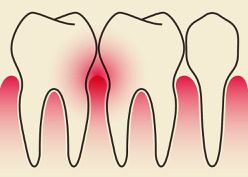
Inflammation has been found to be associated with just about every health condition. Chronic inflammation is a common thread among many conditions like stroke, cancer, heart disease, obesity, arthritis, Alzheimer’s and depression. So, it would make sense that it is also associated with periodontal disease.


How Inflammation is Associated to Periodontal Disease

For starters, inflammation is right there in the name periodontitis. Itis is defined as a medical condition accompanied by inflammation. Periodontitis is an inflammatory disease initiated by oral microbial biofilm. This distinction implies that it is the host’s response to the biofilm that destroys the periodontium in the pathogenesis of the disease.


Five Signs of Inflammation

  1. Heat
  2. Pain
  3. Redness
  4. Swelling
  5. Loss of Function


The Ketogenic Diet

If it is the host’s response of inflammation that is destroying the periodontium, then maybe we can control this response by following an anti-inflammatory diet. The ketogenic diet is a very effective anti-inflammatory diet.

The Ketogenic diet is known for being a low carb diet, but it is much more than a low carb diet and different than the Atkins Diet. The ketogenic diet is a high-fat, adequate protein and low carbohydrate diet.

When following this diet, your body is forced to burn fats rather than carbohydrates for energy. If there are little carbohydrates in the diet, the liver converts fats into fatty acids and ketone bodies. The ketones replace glucose as an energy source. Food that are high in carbohydrate will cause your body to produce glucose and insulin. Glucose is the easiest molecule for your body to convert and as energy so it chosen first over any other energy source.  Insulin is produced to process the glucose in your bloodstream by taking it around the body. When glucose is being used as primary energy, the fats you eat are not needed and are therefore stored around your body.

Ketosis is a natural process that the body uses to survive when food intake is low. Ketosis happens when you have lowered your intake of carbohydrates to the point that your body is forced to use fat as energy. When this happens, ketones are produced from the breakdown of fats in the liver.

Excess carbohydrates are converted into pyruvate, then to acetyl-CoA and then into HMG-CoA. Cholesterol is formed when HMB-CoA is converted into cholesterol by the enzyme HMG-CoA reductase. Statins lower cholesterol by blocking HMG-CoA reductase.

High carbohydrate diets lead to the overproduction of insulin, and insulin stimulates HMG-CoA reductase. High carbohydrate diets and its associated hyperinsulinemia equals hypercholesterolemia.


Why Ketones Help Reduce Periodontitis

 An anti-inflammatory diet works like a natural statin. With the release of ketones in the body, the body is in a state of ketosis. Ketosis is a desirable anti-inflammatory state. Ketone bodies reduce oxidative stress, which is very important, because an excess production of free radicals is implicated as a promotor of most chronic inflammatory diseases.


Getting into a State of Ketosis

To get into ketosis, you must eat less than 50 grams of carbohydrates per day.  Most carbohydrates should come from non-starchy vegetables, nuts and dairy. Refined carbohydrates, starch and fruit are off limits with the exception of avocados. Berries and star fruit can be eaten in moderation once you have entered ketosis. It is recommended that you take supplements as well.

 DO NOT EAT:

  • Grains- wheat, corn, rice, cereal, etc.
  • Sugar- honey, maple syrup, agave, etc.
  • Fruit- oranges, apples, bananas, etc.
  • Starchy vegetables- potatoes, yams, sweet potatoes, etc.

DO EAT:

  • Meat- beef, chicken, lamb, pork, eggs, etc.
  • Nuts and seeds- almonds, walnuts, macadamias, sunflower, etc.
  • High fat dairy- cream, butter, hard cheese, etc.
  • Leafy greens- kale, spinach, etc.
  • Avacado
  • Berries- raspberries, blackberries, other low glycemic berries
  • Vegetables- above ground such as cauliflower, broccoli, etc.
  • Fats- coconut oil, loive oil, salad dressing, etc.
  • Sweetners- stevia, erythritol (try mixing together for a better taste)
  • Anti-inflammatory supplements- magnesium, vitamin D, omega-3 fatty acids, chromium, ginger, turmeric and garlic


 Oregon Dental Consultant

Cindy Rogers, RDH, BS is a dental consultant, coach, speaker, and author for Dental Practice Solutions. Cindy coaches in the areas of front office systems and processes as well as the hygiene department. People love the calm ZEN vibe that comes with Cindy but don’t be surprised at her “Inspiring and Motivating” ability when working with your team! Please contact Cindy for a complimentary Profit Boosting Session:


cindy@dentalpracticesoultions.com or call 949-351-8741 Visit the website for valuable resources and schedule your complimentary session today: https://dentalpracticesolutions.com/


Posted in Blog, Dental Hygiene Patients, Dental Patient, Dental Services, Marketing, Practice Management Consulting

Oregon Dental Consultant | How to Increase New Patient Production

By: admin

April 12, 2018

Written by Cindy Rogers, RDH

A potential new patient calls your office and says that he has a tooth ache and would like to be seen as soon as possible because he is in pain. Excited at the opportunity to fill a hole in your schedule, you gleefully say “we have some time available today to do an exam and x-ray and get you out of pain.” Great, that is all the guy wants, right?  Well not exactly.

This patient has to this pain because he has not had comprehensive dental care in a while; maybe even years.  His dental care has consisted of seeking relief from toothache to toothache. He would get a toothache, go to the dentist, get out of pain and then repeat the cycle of limited exams, PA’s and limited treatment. He was never offered the option of having a comprehensive exam and full mouth x-rays.

You see, this guy is a general contractor, he does not work in dentistry and does not really know much about it. All he knows it that he is in pain and he needs dentistry to help him get out of it. It is our job to educate him on dentistry and what is best for him.  It is also our job as a business to determine what is best for us. This is a win-win opportunity.


Why is a Comprehensive Exam and FMX Best for the Patient?

  1. The patient has an active infection spreading throughout his body and it needs to be treated. Caries and periodontal disease are infectious. If one area is infected then it is likely that others are as well.  Bacteria travels throughout the blood stream to vital organs.
  2. The patient is valuable as a person and a patient in your dental practice. They need to get as much treatment completed as possible in one appointment to eliminate returning to your office and leaving their job. A limited exam and Periapical are usually scheduled for 30 minutes in your day. A comprehensive exam is usually scheduled for 60 minutes. The patient will have a diagnosis and treatment plan for his whole mouth in one appointment instead of retuning numerous times.
  3. This patient works hard and wants to get the most out of his insurance and the almighty pocket book. The majority of insurance companies only cover two exams of any type per year, regardless if they are a comprehensive or a limited exam. Most insurance companies will cover preventative services at 100%. To the patient, with insurance, there is no difference in cost for a comprehensive or a limited exam. They will get the most savings and a valuable benefit by having insurance pay for a comprehensive exam and Full mouth x-rays.


Why is this best for the Practice?

True, you could possibly add a little bonus in production by doing emergency treatment. Let’s take a look at the bigger production picture. Here is a possible scenario of the opportunity to increase production.


Scheduled Time 30 minutes 60 minutes
Production $150 $300
Patient Cost $0 $0
Possible Treatment Plan $500 $5000


By doubling the initial appointment time, you will at least double the production. You will also be able to present him with a “whole mouth comprehensive treatment plan.” The patient will be so impressed that you took the extra time with them that they will refer their friends and family to your dental office.

What to Say to the Patient During the Initial Phone Call

Dental Office: “Mr. South, I understand that you have a toothache and it is our priority to get you out of pain. Let me explain how we can do that and prevent you from suffering again in a few months, all while saving you time and money. How does that sound?”

“Mr. South, I understand you are trying to save money by only fixing one tooth at a time. Let me explain why this is actually costing you more money and keeping you from using the insurance benefit that you pay for.”

“Mr. South, did you know that cavities are contagious? We are concerned that if we only fix the one tooth, that many others in your mouth are still infected and will be causing you pain in the near future. Let me explain how we can help prevent this from happening.”


Getting the patient out of pain is indeed a priority, but, let’s not forget about the big picture. The big picture for him and for your practice.


Your Goal: No more pain for the patient and in return you have a patient for life in your dental practice.


Cindy Rogers, RDH, BS is a dental consultant, coach, speaker, and author for Dental Practice Solutions. Cindy coaches in the areas of front office systems and processes as well as the hygiene department. People love the calm ZEN vibe that comes with Cindy but don’t be surprised at her “Inspiring and Motivating” ability when working with your team! Please contact Cindy for a complimentary Profit Boosting Session: cindy@dentalpracticesoultions.com or call 949-351-8741 Visit the website for valuable resources and schedule your complimentary session today: https://dentalpracticesolutions.com/

Posted in Blog, Dental, Dental Hygiene Adjunctive Serivices, Dental Hygiene Patients, Dental Patient, Dental Services, Practice Management Consulting, Uncategorized

Dental Consulting | 5 Simple Steps to Implementing a Successful Oral Cancer Screening Protocol

By: admin

April 5, 2018

Dental Advisor

Written by: Kelly Kunkel, Director of Strategic Development at Forward Science

April is National Oral Cancer Awareness Month and we have asked Forward Science to write a guest blog and share this important message. Thank you to Forward Science and Kelly Kunkel for your contribution to our guest blog series this month.


  1. Educate your patients & community about oral cancer

The stereotypical demographic has changed from years past.  While the traditional risk factors (smoking, drinking, family history, etc.) still apply, the fastest growing demographic of new oral cancer cases is younger patients without any of the traditional risk factors.  Patients need to be aware and understand that everyone is at risk and should be screened annually for oral cancer.  This is our industry’s cancer and we need to educate and make a difference in our communities.  Forward Science works with each of our clients to help you spread the word and differentiate your practice.


  1. Use adjunctive screening technology

Did you know that 69% of oral cancers are found in their later stages?  Fluorescence technology for early discovery of this growing epidemic has continued to evolve and allows you to identify abnormalities such as oral cancer, pre-cancer and other abnormal lesions at an earlier stage, thus saving lives. Adjunctive devices that incorporate this proven technology have been simplified and made to be cost-efficient. With devices like OralID that allow clinicians to use the latest technology with no cost per patient, oral cancer screening has become a no-brainer.


  1. Make sure EVERYONE on your team is trained

Like anything else you implement into your practice, training is key.  Everyone in your practice, from front office to back, needs to be 100% comfortable talking to patients about the current statistics and why everyone needs to be screened, how the technology works, how to present the screening to the patient and do so with passion!  If you’re going to talk the talk, you need to walk


  1. To Charge or not to charge

Enhanced oral cancer screening is a service you provide, and it is perfectly acceptable to expect an increase in revenue in return for the service.  How to charge for enhanced oral cancer screening can vary from office to office and can increase your revenue significantly if you choose.  When you are thinking about whether “to charge or not to charge,” remember that there is no right or wrong answer. By making the simple choice to incorporate this technology into your practice, you could be making a life-changing decision for your patients.


  1. Testing

If during the screening an abnormal area is found, the typical protocol is to schedule the patient back for a follow up in approximately 2 weeks.  If the lesion is still present and continues exhibit a loss of fluorescence, we will then move to the next step of the protocol; diagnostic testing. CytID is a simple and non-invasive test that will give a diagnostic result read by a pathologist on what is happening on a cellular level.  CytID liquid based cytology is used “when you need to know more”, and is not a replacement for the standard of care biopsy. This will help you gain more information regarding the lesion, so we can have a more informed plan of action. In the common occurrence that the results come back normal, the patient’s mind will be at ease, but you as the clinician can also rest assured that you provided the best quality care.


Guest Blog Author

Kelly Kunkel is the Director of Strategic Development of Forward Science LLC. Forward

Science is a medical device company founded on advancing oral healthcare through early discovery (OralID), diagnostics (CytID, PathID, hpvID, phID), and treatment options (SalivaMAX & SalivaCAINE). Utilizing her 20 years of dental sales, marketing and practice management experience, Kelly continues to grow the Forward Science user base and develop strategic partnerships while revolutionizing the way dentists screen for oral cancer. You can contact Kelly at Forward Science: Email: kkunkel@forwardscience.com or Call: 480.734.3914. Website: www.ForwardScience.com


Posted in Blog, Dental, Dental Hygiene Patients, Dental Patient, Dental Services, Marketing

Dental Consultant in Oregon | Converting Leads into Patients

By: admin

March 22, 2018

Marketing is an essential part of attracting new business. Strong print and internet marketing materials can help introduce your practice to potential new patients. Glowing reviews and testimonials tell people that you have a trustworthy team and offer quality care. However, even the best marketing efforts won’t contribute anything to your business if you fail to convert leads into patients. There are a variety of reasons outside of your control that might stop someone from scheduling an appointment at your practice, but it’s important to make sure you do all you can to help motivate people to seek treatment with you. Below are some tips to help your team more effectively sell the value of your service to potential new patients.

Be responsive and available. As a dental professional, you know what it’s like to be busy. Often, your patients have busy lives of their own. Make sure your team is available to take calls as they come and try to offer flexible appointment times to help people work within their limited free time.


Don’t be too pushy. While it’s helpful to be clear about all the treatments offered at your practice, patients are often turned off by overly “salesy” approaches. Take the time to get to know a patient and their needs, goals, and budget before trying to sell them on dental solutions. This will make them feel valued and understood, increasing the likelihood of treatment plan acceptance.


Offer a friendly and welcoming environment. There are a number of people who absolutely dread going to the dentist. Because of that, some potential patients may already have a negative feeling towards you and your team despite no fault of your own. Work to overcome this discomfort quickly by offering a personable and kind environment. Make sure your team greets patients by name and gets to know a bit about them. A little can go a long way.


Don’t lose track of people. Repetition is one of the easiest techniques for cementing something into memory. If a potential new patient contacts your office, be sure to follow up if you don’t hear from them again. You never know the reason they didn’t call back, so taking that step for them can offer a second chance to make a connection and help your practice stand out more in their mind.


Many dentists find it difficult to think about their practice as a business. It is likely that you chose dentistry due to a passion for service and healing, not bookkeeping or sales. Yet nearly any successful retailer will say that the only way to gain business is to give customers what they want, when they want it. Contact us for more strategies on boosting new patient numbers and patient retention!

Debbie Seidel-Bittke, RDH, BS

Debbie Seidel-Bittke, RDH, BS


Debbie Seidel-Bittke, RDH, BS is a dental consultant, coach, speaker and author. She is also CEO of Dental Practice Solutions. Debbie is a world-class leader in creating profitable hygiene departments. She is well-known as a former clinical assistant professor at USC in Los Angeles and a former hygiene department program director. Dentistry Today recognizes Debbie as a Leader in Dental Consulting. She can be reached at (888) 816-1511. Send an e-mail to info@dentalpracticesolutions.com or go to her website: https://dentalpracticesolutions.com

Check out the Free 3-Part Hygiene Department Training: http://www.dentalhygiene.solutions

Posted in Blog, Dental Hygiene Patients, Dental Patient, Dental Services, Practice Management Consulting, Scheduling, Treatment Planning

Post navigation

  • ← Older posts
  • Newer posts →

Return to Your Training Vault

Contact Info

  • 15508 W. Bell Road Suite 101 PMB 431, Surprise, AZ 85374
  • (623) 252-1941
  • admin@dentalpracticesolutions.com

Office Hours

  • Mon-Thu 8:00am - 5:00pm PST
  • Friday 8:00am - 2:00pm PST

Useful Links

  • Home
  • About
  • Sitemap
  • Terms of Use
  • Privacy Policy

Recent PR

  • PrestoSmile® and Dental Practice
  • Dental Practice Solutions - Debbie Bittke
  • Dental Practice Solutions - Debbie Bittke
  • Dentistry Leaders
Copyright 2026 Dental Practice Solutions

    Input this code: captcha

    captcha

    • Home
    • About
      ▲
      • About Us
      • Testimonials
      • Videos
    • Services
      ▲
      • Hire a Dental Hygienist
      • Dental Hygiene MAX Course
      • 6-Month Dental Hygiene Department Optimization
      • 12- Month Dental Hygiene Department Training
      • Dental Hygiene Department / Team Workshop
    • E-Learning
      ▲
      • Free Resources
      • BOOST CASE ACCEPTANCE eBook
      • Treating the Gingivitis Patient
    • Webinars
      ▲
      • Oral Inflammation and Systemic Vitality
      • Properly Sequence Hygiene Appointments
      • Alzheimer’s Disease Prevention.
      • The Mouth-Brain Connection
    • Blog
      ▲
      • Podcasts
    • Contact Us

    Schedule your free coaching call here client login

    (888) 816-1511

    Introduction to Orientation Video Part 1