Dental Practice Solutions
Schedule My Opportunity Call Call us now (623) 252-1941 Client login
  • Home
  • About
    • About Us
    • Testimonials
    • Videos
  • Services
    • Hire a Dental Hygienist
    • Dental Hygiene MAX Course
    • 6-Month Dental Hygiene Department Optimization
    • 12- Month Dental Hygiene Department Training
    • Dental Hygiene Department / Team Workshop
  • E-Learning
    • Free Resources
      • BOOST CASE ACCEPTANCE eBook
      • Treating the Gingivitis Patient
    • More Courses
      • Oral Inflammation and Systemic Vitality
      • Properly Sequence Hygiene Appointments
      • Alzheimer’s Disease Prevention.
  • Webinar
    • Current Webinar
    • Power Hour March 15 2024
  • Blog
    • Podcasts
  • Contact Us

The Mouth-Body Connection: Gum Disease, and Overall Health

By: Debbie Seidel-Bittke, RDH, BS

December 11, 2023

Mouth-Body Connection association to gum disease--periodontal disease.

When you think about overall health, high blood pressure, heart attack, Alzheimer’s disease, etc, many patients consider that gum disease is worlds apart from these other systemic diseases.

How many patients sit in your dental chair each day, week or month, and have underlying health conditions that may be associated with gum disease?

Dental hygienists do not “clean teeth”, we identify abnormalities and put a halt to the disease process.  Our professional goal should be to provide patients with optimal oral health. Dental hygienists have a perfect opportunity to empower patients with information that will positively impact their overall health.

Today, let’s explore the intricate relationship between high blood pressure, heart attack, stroke, and Alzheimer’s disease, etc, etc, which are associated with gum disease, while shedding light on the journey towards a longer-healthier life.

Connecting the Dots. Inflammatory Markers:

As we dive into this topic, let’s start with the basics. Gum disease, or periodontal disease, isn’t just a local issue affecting the teeth and gums, it’s a dynamic process involving inflammation that extends beyond the oral cavity. It will impact the entire body if there is no end to the inflammation.

Research has uncovered a strong link between gum disease and systemic conditions like high blood pressure, heart attack, stroke, crohn’s disease, Parkinsons and even Alzheimer’s disease.

Inflammatory markers, substances that increase during inflammation, play a crucial role in systemic disease. When a patient has gum disease, these inflammatory markers enter the bloodstream through the mouth, triggering a cascade of reactions throughout the body. High blood pressure is only one of the systemic consequences, highlighting the importance of addressing oral health as an integral part of overall wellness.

Understanding the Domino Effect:

Imagine your body as a finely tuned instrument, with each note influencing the others. When gum disease enters the picture, it’s like a rogue element disrupting what once was a harmonious environment. 

Inflammatory markers contribute to the development of arterial plaque, narrowing blood vessels and making your heart work harder to pump blood. This increased strain can elevate your blood pressure, setting the stage for cardiovascular problems and other systemic issues. This is only one example of what happens with inflammatory markers invade our body.

Now, the question arises: How can addressing gum disease impact this domino effect and potentially improve your overall health?

The Empowering Journey: Treatment and Prevention:

Here’s the good news: As dental hygienists, and dental professionals, we have the power to interrupt this cascade of events. Treating gum disease involves a multi-faceted approach that not only revitalizes your oral health but also contributes to a healthier you.

  1. Professional Dental Hygiene Appointments. Guided biofilm therapy, scaling, root planing, soft-tissue diode laser, etc:

The foundation for treatment of gum disease lies in removing the source of inflammation – the plaque and tartar/calculus buildup on the teeth. A professional hygienist delivered -preventive care appointment can target these inflammatory markers, providing a chance for the inflamed gingiva to heal.

  1. Home Care:

Maintaining good oral hygiene at home is our superpower in the fight against gum disease. Brushing, flossing, and using an antiseptic (non-alcohol) mouthwash support the frontline defense against plaque, and bacteria, preventing its return between dental visits.

This superpower also requires routine preventive care by a dental hygienist.

  1. Lifestyle Changes:

The overall health journey isn’t just confined to the dental chair. Adopting a heart-healthy lifestyle – incorporating a balanced diet, regular exercise, and stress management – complements the efforts we make in the dental office.

Dental hygienists must know the basics to support proper nutrition and supplementation with their patients.

Inspiring a Desire for Wellness:

Now that we’ve unraveled the connection between high blood pressure, various systemic diseases, gum disease, and outlined the path to recovery, let’s shift our focus to why we want to have our patients “want” what they need when there is an unhealthy oral condition such as gingival inflammation: gingivitis or periodontitis.

Consider this: by motivating our patients to take charge of their oral health, we are not just helping them prevent tooth loss or malodor but we are actively contributing to our patients overall well-being, reducing the risk of systemic diseases, and helping them to live a longer and healthier life.

The journey towards creating healthier patients (and populations around the world) is not just a necessity; it’s an opportunity for dental hygienists to empower their patients and level-up their patients’ self-care routine.

Conclusion:

In the chair of each dental hygienist lies a unique space where oral health and overall wellness intersect. Understanding the connection between high blood pressure, heart attack, stroke, Crohn’s disease, Alzheimers, gum disease, and inflammatory markers equips patients with the knowledge needed to make informed decisions about their total health. 

As we embark on this journey to empower our patients to make the best decisions, let’s remember that treating gum disease isn’t just about preserving our patients smile; it’s about safeguarding the heart, blood vessels, and our patients overall vitality. 

Let’s embrace the journey, let’s work together as a team of dental professionals to help conquer this disease process.

Let’s create healthier and happier patients. Dental hygienists no longer CLEAN teeth! We are in the business and profession of creating healthier, longer lives.

  • Do you wish your entire team knew how to educate your patients about total health? 
  • Do you wish your dental hygiene department was more profitable?
  • Does your team know how to effectively communicate this message about optimal health and living a longer, healthier life?

If you want to level-up your hygiene department, book a quick hygiene department discovery call. Debbie will share with you where you have the “Low-Hanging” fruit– the easiest way to tap into more productivity. On the call Debbie will share the hygiene department training if you are interested in group hygiene department coaching.

The next cohort begins February 6 and ends May 5, 2024. If you join in December 2023, or January 2024, you begin 1:1 with Debbie and your team asap. The tuition will be the same as it is for the 3-month program. You receive a huge bonus when you raise your hand to be a part of this training now.

There will only be 10 offices accepted in this next cohort so don’t delay applying today!

BOOK YOUR HYGIENE CALL HERE. 

Posted in Business, CE course, Dental Hygiene Coaching, Dental Hygiene Treatment

Updates For Treating Oral Inflammation

By: Debbie Seidel-Bittke, RDH, BS

September 18, 2023

guided biofilm therapy

Periodontal disease, comprising gingivitis and periodontitis, is a common oral health issue affecting millions of people worldwide.1

As dental professionals, we play a vital role in managing and preventing this disease condition. 

Our overarching reason for treating patients with oral inflammation, active gum disease,  is because when we put a halt to oral inflammation and gingival diseases we can help our patients live a longer, healthier life.

This blog post will explore the latest research findings, treatment options, and effective prevention strategies for periodontal disease, including innovative approaches like Guided Biofilm Therapy and BioGaia ProBiotics. 

This blog will also include sequencing of various appointments when treating oral inflammation.

Understanding Periodontal Disease:

Gum disease encompasses various conditions affecting the supporting tissues of the teeth, including gums, periodontal ligaments, and alveolar bone.

The two primary forms are:

  1. Gingivitis:
  • Gingivitis, a milder form of gum disease, features inflamed, red, and bleeding gums and no alveolar bone loss.
  • Accumulation of dental plaque, a biofilm of bacteria, and is often the cause of early gum disease.
  • This early sign of gum disease can also be associated with various systemic diseases as outlined below.
  • Gingivitis is often reversible with regular dental hygiene preventive care appointments, and proper home care routines.
  1. Periodontitis:
  • Periodontitis, a more severe form of gum disease includes alveolar bone loss. 
  • Often this begins with gingivitis and can be associated with other systemic diseases such as: diabetes, high blood pressure, heart attack, stroke, high cholesterol, various cancers, Crohns’ disease and even Alzheimer’s Disease.
  • The most common risk factor is tobacco use.
  • It involves more severe inflammation, gum recession, and radiographic bone loss.
  • Recent research suggests potential systemic health links, such as  diabetes, stroke heart disease, etc. See the list of systemic diseases and research website link outlined below.

Latest Research on Periodontal Disease:

Recent studies have uncovered crucial insights into periodontal disease, offering a deeper understanding of its etiology, progression, and systemic connections:

    • Microbiome and Dysbiosis: Research has highlighted the role of the oral microbiome in gum disease development. Understanding specific bacteria involved can inform targeted treatments.
    • Inflammation and Systemic Health: Emerging evidence suggests the inflammation associated with periodontal disease may contribute to systemic health issues. 
    • Dental professionals must consider the systemic links to gingival diseases during patient assessments and share this important message to help patients “live a longer, healthier life with optimal oral health.”

Treatment Options for Oral Inflammation:

Dentists and dental hygienists employ various approaches to treat gingival and periodontal diseases, tailored to its severity such as:

Gingivitis Treatment: Indicated for patients with generalized moderate to severe inflammation in the absence of radiographic bone loss.

Scaling and Root Planing: Indicated for patients with radiographic bone loss, and moderate to severe gingival inflammation.

Guided Biofilm Therapy (GBT):  GBT focuses not only on prevention and maintenance of gingival, periodontal and peri-implant diseases in adults but is also the only proven protocol to manage biofilm around orthodontics and in non-surgical periodontal treatment. 2

This therapy utilizes an E.M.S. Electro Medical System.

1.Diode Laser: 

Can reduce bacterial load without the side effects of antibiotics. There are clinical advantages for use of the diode laser therapy in the reduction of subgingival bacteria—the etiology of periodontitis. Evidence suggests that lasers can be bactericidal to subgingival pathogens. 3

 2. Antibiotics: Dentists may prescribe antibiotics like doxycycline. Dental hyginists may use sub-dose microspheres of Arestin® (minocycline HCl), subgingivally, and/or antimicrobial mouth rinses during home care to manage inflammation and infection.

3. End-Point Therapy/Re-Evaluation: 

Every patient who is treated for generalized moderate to severe inflammation, with or without radiographic bone loss will also have a follow-up appointment to re-evaluate the condition of this inflammation. 

At the re-evaluation you will complete a comprehensive periodontal exam (CPE). This must include pocket depths, recession, bleeding, mucogingival involvement, furcations, etc.

You will use diode laser, ultrasonics, GBT, scale, polish (No need to polish when GBT is initiated), review of oral-systemic link & perio process ending with an update or continuation of homecare. When there is a halt of the disease process and no active gum disease is present you will determine the interval your patient will return for preventive care.

If your patient returns and active gum disease exists, you will refer to step 1 of this sequence of care. 

For a gingivitis patient, you will refer the patient to their PCP for a full blood panel to rule out any systemic diseases; most common may be diabetes, high-cholesterol, or high blood pressure. 

The patient will be scheduled to return for re-evaluation in 6 weeks and repeat the above listed protocol. See the above 1st step in treating gingivitis.

In the case of your periodontal patient, who returns with active disease,  you will, 1. Re-treat these affected areas (see step 1 of the treatment plan) of active disease and according to each individual’s risk factors and perio status, you will refer to a periodontist for evaluation.

The purpose of this re-evaluation- (Purpose of an “end point” assessment is to be certain there is a halt of the gingival inflammation. 

After therapy If we schedule a patient for three or six months without six weeks re-evaluation to check the “endpoint” of the disease, it’s possible that when the patient does return in three months of six months, active disease will progress to a more serious condition which will ultimately affect the patient’s total health and well-being. 4

End point therapy is considered the end of Phase I therapy.

Innovative Treatment Approaches:

  1. Guided Biofilm Therapy (GBT):
  • GBT is a cutting-edge approach that uses advanced technology and devices to target and remove dental biofilm more effectively.
  • It utilizes air-polishing devices to dislodge biofilm from tooth surfaces and below the gumline, improving treatment outcomes.
  • This therapy is non-invasive, a great way to show patients where they are missing with their toothbrush and floss. You can also disclose to show acidic plaque, etc. Pain Free enamel-safe, plaque removal and a great way to inspire patients to “own their disease.” 

Show patients what you see (Biofilm) because “seeing is believing!:”

  1. BioGaia ProBiotics: 
  • BioGaia ProBiotics are beneficial bacteria applied topically to the oral cavity to restore and maintain a healthy oral microbiome.
  • Research is ongoing, but preliminary studies suggest potential benefits in preventing and managing gum disease. 5

Effective Prevention Strategies:

Preventing periodontal disease is paramount, and as dental professionals we can guide patients using these preventive measures:

  • Oral Hygiene Education: Emphasize proper brushing, flossing, and the use of antimicrobial mouthwash.
  • Routine Dental Hygiene Appointments: Stress the importance of routine dental visits for professional preventive care and early detection of gum disease.
  • Lifestyle Adjustments: Educate and share information about tobacco cessation as necessary, maintain a balanced diet. Share information about systemic conditions, such as diabetes, heart disease and even Alzheimer’s Disease, which can exacerbate gum disease.

Conclusion:

Periodontal disease remains a significant oral health challenge, but ongoing research and evolving treatment modalities offer hope for improved patient outcomes. Dental professionals must stay informed about the latest developments to provide the best possible patient care. 

Innovative approaches like Guided Biofilm Therapy and BioGaia ProBiotics show promise by enhancing treatment and prevention efforts. By working together, dental professionals and patients can effectively combat gum disease and our patients can live a longer, healthier life.

Our overarching message to patients is that optimal oral health leads to a longer-healthier life.

References.

  1. Americans with Perio Disease. https://bit.ly/3PgUuI5 Accessed on September 15, 2015.
  2. Guided Biofilm Therapy. https://www.ems-dental.com/en/guided-biofilm-therapy Accessed on September 18, 2023.
  3. Effects of Diode Laser and mitochondria. ​​ https://bit.ly/LBRMitochondria Accessed September 18, 2023.
  4. End Point Therapy. https://tinyurl.com/AAPEndPt See page 557. Accessed on September 18, 2023.
  5. BioGaia ProBiotics. https://tinyurl.com/BIOGIA Accessed on September 18, 2023.

For more information about this consider a complimentary 30 minutes coaching session with Debbie Seidel Bittke, Founder and CEO of Dental Practice Solutions.

Click here to book your coaching session. 

Posted in American Academy of Periodontology Classification, Dental Consulting, Dental Hygiene Appointment, Dental Hygiene Coaching, Dental Hygiene Department, Dental Hygiene Department Services, Dental Hygiene Patients, Dental Hygiene Services, Dental Hygiene Services, Dental Hygiene Training, Dental Hygiene Treatment, Dental Patient, Hygiene Appointment Reactivation

Treating Inflammation: The Key Role of Hygienists in Addressing Gum Disease and Gingivitis

By: Debbie Seidel-Bittke, RDH, BS

June 28, 2023

Dental Hygiene Care

Maintaining oral health goes beyond just having clean teeth. One crucial aspect is the treatment of inflammation, specifically gingivitis and gum disease. While routine preventive care dental hygiene appointments are vital, it is the expertise of dental hygienists that plays a pivotal role in effectively addressing oral inflammatory conditions that will ultimately help patients live a longer, healthier life.

In this blog post, we will delve into the importance of hygienists in treating inflammation and how their specialized skills contribute to the patient’s overall wellbeing.

  1. Understanding Gum Disease and Gingivitis: Gum disease and gingivitis are common oral health issues that affect millions of people worldwide. These conditions involve inflammation of the gums, often caused by the buildup of plaque and bacteria. If left untreated, they can lead to severe consequences, including tooth loss and potential systemic health problems. While preventive care, routine dental cleanings help remove plaque and tartar, treating inflammation requires a more targeted approach.
  2. The Role of Dental Hygienists: Dental hygienists play a critical role in addressing gingivitis and gum disease. Their expertise extends beyond cleaning teeth to specialized adjunctive services and preventive measures. Dental hygienists also provide valuable education on proper oral hygiene practices, including brushing, flossing techniques, and various homecare products, to manage and prevent inflammation.
  3. The Importance of Early Detection and Intervention: One of the key benefits of hygienists’ is early detection and intervention of oral inflammation, gum disease and other oral abnormalities. Early intervention in 2023 includes adjunctive services, such as antimicrobial rinses or localized antibiotics, soft-tissue diode laser to halt infection and reduce inflammation, as well as fluoride varnish treatments.

It’s important that hygienists guide patients on lifestyle modifications, including smoking cessation and dietary changes, proper nutrition, use of probiotics to support gut health to further support healing and prevention of systemic diseases.

Dental hygienists can inform patients that, “Prevention will save money, treating disease can cost a lot of money.”

  1. Collaboration with Dentists and the Dental Hygienist: To ensure comprehensive care its imperative that Dental hygienists work closely with the dentist and are easily able to collaborate and provide the very best patient care. During the hygiene appointment the hygienist completes the initial patient assessments, discovering oral inflammation, abnormalities and initiates a treatment plan for gum disease and gingivitis. This collaborative approach ensures that patients receive coordinated care tailored to their specific needs.

The exam process is not only the doctor visually looking at the patient’s oral condition but the hygienist has a great opportunity to support the potential diagnosis before the doctor exam begins. This helps the patient take ownership of their oral condition and saves time when the hygienist sets up a preliminary treatment plan.

Hygienists provide vital support by monitoring and tracking the progress of the patients care, recommending further interventions as necessary, and educating patients on maintaining optimal oral health.

It’s important that hygienists can effectively communicate with patients about the mouth body connection.

Dentistry today is no longer about treating a tooth or cleaning teeth. We are in the business of helping our patients live a longer and healthier life by putting a halt to oral inflammation.

“A healthy mouth leads to a longer, healthier life!”

Through the teamwork of doctor and hygienist the dental patients benefit from a holistic approach to addresses both the symptoms and underlying causes of inflammation.

Conclusion

The importance of dental hygienists in treating gum disease and gingivitis cannot be overstated. Their specialized knowledge and skills enable them to effectively address inflammation, prevent complications, and promote long-term oral health.

By prioritizing the role of hygienists, we can ensure that patients receive the comprehensive care needed to preserve their smiles and overall well-being.

Dental hygiene schools lack training in these essential skills for promoting longer, healthier lives. If you’re a hygienist or a dentist whose hygienist doesn’t grasp the value of collaboration and effective communication, schedule a discovery call to learn how this information can transform patient care and health outcomes. When patients realize you can help them lead longer, healthier lives, they become attentive. By effectively communicating and demonstrating the impact on their oral and overall health, patients are more likely to take responsibility for their well-being.

If you want to optimize your hygiene department schedule a quick discovery call here.

Posted in Dental Hygiene Services

Treating Inflammation: The Key Role of Hygienists in Addressing Gum Disease and Gingivitis

By: Debbie Seidel-Bittke, RDH, BS

Dental Hygiene Care

Maintaining oral health goes beyond just having clean teeth. One crucial aspect is the treatment of inflammation, specifically gingivitis and gum disease. While routine preventive care dental hygiene appointments are vital, it is the expertise of dental hygienists that plays a pivotal role in effectively addressing oral inflammatory conditions that will ultimately help patients live a longer, healthier life.

In this blog post, we will delve into the importance of hygienists in treating inflammation and how their specialized skills contribute to the patient’s overall wellbeing.

  1. Understanding Gum Disease and Gingivitis: Gum disease and gingivitis are common oral health issues that affect millions of people worldwide. These conditions involve inflammation of the gums, often caused by the buildup of plaque and bacteria. If left untreated, they can lead to severe consequences, including tooth loss and potential systemic health problems. While preventive care, routine dental cleanings help remove plaque and tartar, treating inflammation requires a more targeted approach.
  2. The Role of Dental Hygienists: Dental hygienists play a critical role in addressing gingivitis and gum disease. Their expertise extends beyond cleaning teeth to specialized adjunctive services and preventive measures. Dental hygienists also provide valuable education on proper oral hygiene practices, including brushing, flossing techniques, and various homecare products, to manage and prevent inflammation.
  3. The Importance of Early Detection and Intervention: One of the key benefits of hygienists’ is early detection and intervention of oral inflammation, gum disease and other oral abnormalities. Early intervention in 2023 includes adjunctive services, such as antimicrobial rinses or localized antibiotics, soft-tissue diode laser to halt infection and reduce inflammation, as well as fluoride varnish treatments.

It’s important that hygienists guide patients on lifestyle modifications, including smoking cessation and dietary changes, proper nutrition, use of probiotics to support gut health to further support healing and prevention of systemic diseases.

Dental hygienists can inform patients that, “Prevention will save money, treating disease can cost a lot of money.”

  1. Collaboration with Dentists and the Dental Hygienist: To ensure comprehensive care its imperative that Dental hygienists work closely with the dentist and are easily able to collaborate and provide the very best patient care. During the hygiene appointment the hygienist completes the initial patient assessments, discovering oral inflammation, abnormalities and initiates a treatment plan for gum disease and gingivitis. This collaborative approach ensures that patients receive coordinated care tailored to their specific needs.

The exam process is not only the doctor visually looking at the patient’s oral condition but the hygienist has a great opportunity to support the potential diagnosis before the doctor exam begins. This helps the patient take ownership of their oral condition and saves time when the hygienist sets up a preliminary treatment plan.

Hygienists provide vital support by monitoring and tracking the progress of the patients care, recommending further interventions as necessary, and educating patients on maintaining optimal oral health.

It’s important that hygienists can effectively communicate with patients about the mouth body connection.

Dentistry today is no longer about treating a tooth or cleaning teeth. We are in the business of helping our patients live a longer and healthier life by putting a halt to oral inflammation.

“A healthy mouth leads to a longer, healthier life!”

Through the teamwork of doctor and hygienist the dental patients benefit from a holistic approach to addresses both the symptoms and underlying causes of inflammation.

Conclusion

The importance of dental hygienists in treating gum disease and gingivitis cannot be overstated. Their specialized knowledge and skills enable them to effectively address inflammation, prevent complications, and promote long-term oral health.

By prioritizing the role of hygienists, we can ensure that patients receive the comprehensive care needed to preserve their smiles and overall well-being.

Dental hygiene schools lack training in these essential skills for promoting longer, healthier lives. If you’re a hygienist or a dentist whose hygienist doesn’t grasp the value of collaboration and effective communication, schedule a discovery call to learn how this information can transform patient care and health outcomes. When patients realize you can help them lead longer, healthier lives, they become attentive. By effectively communicating and demonstrating the impact on their oral and overall health, patients are more likely to take responsibility for their well-being.

If you want to optimize your hygiene department schedule a quick discovery call here.


Posted in Dental Hygiene Services

Gingivitis Code: What You Must Do!

By: admin

February 2, 2017

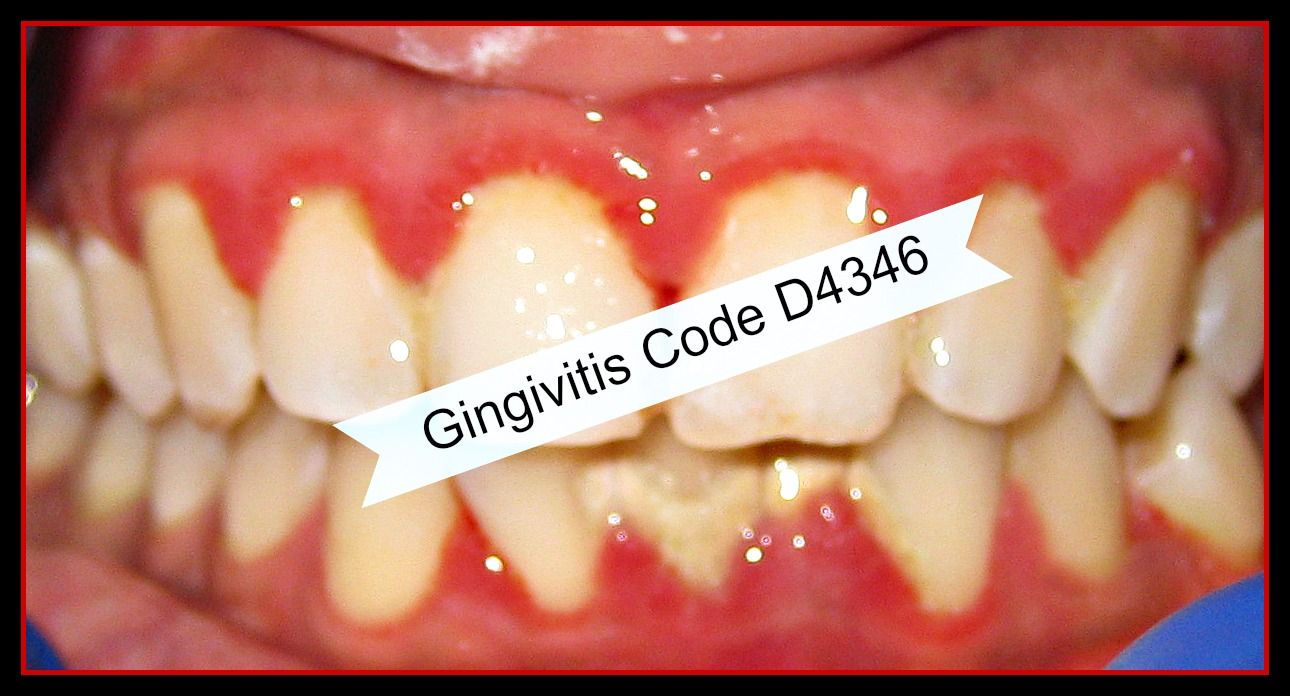
The New Gingivitis Code D4346Welcome to 2017 and our new CDT Codes! The long-awaited gingivitis code has arrived and we should be jumping for joy!

But wait….You are saying you don’t think you should use the code? Yes, that is what we are hearing. Some of you are not sure insurance  will reimburse your patient for this service.

Gingivitis Code: What You Must Do!

What you must do it record in your patient notes what treatment you provided your patient.

BTW: Our clients who are utilizing the D4346 Code have received payment. The payment they  received was about or around the same amount as the reimbursement paid for D4910 – Periodontal Maintenance.

We know that some of the Delta Plans have made payment for this code as well as Blue Cross and a 3rd party umbrella plan “DHA” have all reimbursed for our clients who billed D4346.

Some of you may remember when we first had the fluoride varnish code. Not all insurance companies reimbursed for this insurance code when billed but as time passed and the more offices billed and insurance companies saw this code being submitted for payment, the more insurance companies began to reimburse for this service.

Bottom Line. Bill exactly what you diagnose treatment and then treat according to your diagnosis.

D1110 Definition

Prophylaxis is”only for people who do not exhibit any of the signs and symptoms of periodontal disease, including bone loss, bleeding, mobility, exudate, and recession.” It is for  “the removal of plaque, calculus, and stains from the tooth structures in the permanent and transitional dentition. It is intended to control local irritational factors.”

D4346 Definition

“Scaling in presence of generalized moderate or severe gingival inflammation – full mouth, after oral evaluation The removal of plaque, calculus and stains from supra- and sub-gingival tooth surfaces when there is generalized moderate or severe gingival inflammation in the absence of periodontitis. It is indicated for patients who have swollen, inflamed gingiva, generalized suprabony pockets, and moderate to severe bleeding on probing. Should not be reported in conjunction with prophylaxis, scaling and root planing, or debridement procedures.”

Video Gingivitis Code

Video Gingivitis Code

Legally you need to document a diagnosis. The next time you see your hygiene patient and make your diagnosis before you begin your patient care, be sure to match your diagnosis with Healthy, using one of these procedures or Disease, which indicates you begin or continue periodontal therapy.

Next time you question insurance payment for your hygiene patient care refer to these definitions for determination of your diagnosis and then treat accordingly.

We are in the business of helping our patients live a longer and healthier life. It is also our ethical and legal respsonsibility to treat our patients according to their diagnosis.

This is what we must do!

Got questions about  this new code? Yes, it can be confusing but here is what you can do now:

  • Grab our Free Resource on treating gingivitis
  • Once you grab this resource you will receive an invitation to join the webinar on Feb 21, 2107 with Dr. Roy Shelburne – The coding and billing expert
  • Read our other numerous articles  written previously
  • Mark your calendar for February 21st at 5:30PM Pacific and plan to join me with Dr. Roy Shelburne as we discuss this topic in more depth.
One of Dentistry Today's top dental consultants

Debbie Seidel- Bittke, RDH, BS Dental Hygiene Consultant

ABOUT DEBBIE SEIDEL-BITTKE

Debbie Seidel-Bittke, RDH, BS is an international dental consultant, coach, speaker and author. She is also CEO of Dental Hygiene Solutions, powered by Dental Practice Solutions. Debbie is a world-class leader in creating highly profitable hygiene departments. She is a well-known former clinical assistant professor at USC in Los Angeles and a former hygiene department program director. Dentistry Today recognizes Debbie as a Leader in Dental Consulting for the past 12 yrs.

Posted in CDT Dental Insurance Codes

New Gingivitis Code in 2017

By: admin

November 8, 2016

use-video-gingivitis

CLICK THIS LINK TO VIEW VIDEO

Today I will address the new gingivitis code and what it means for dental professionals and our patients.

Each week in November I will write about one area of this new Gingivitis Code i 2017.

Be sure to subscribe to our BLOG and YOUTUBE channel so you are notified when the new information is available.
This week I want to share the reason WHY this new scaling code was added to the CDT codes.

Our Current CDT codes only allow for documentation of procedures for patients with a healthy periodontium, AND – OR – patients with periodontal disease that has accompanying loss of attachment.

THE CDT D1110 CODE is primarily a preventive procedure and we have used this code for various types of patients especially when we “thought” they did not want to pay for (Or their insurance may not pay for) the necessary periodontal therapy and at times this meant alternating between a periodontal  maintenance appointment and a prophylaxis appointment.
For many years now Dental Insurance CDT Codes D4341 and D4342 are therapeutic procedures, and are indicated for patients who require scaling and
root planing due to bone loss and subsequent loss of attachment. Instrumentation of the exposed root surface to remove deposits is
an integral part of this procedure.

What we have been missing here is a CDT Code to report therapeutic treatment of patients with generalized moderate to severe gingival inflammation, with or without pseudo-pockets ——–but exhibiting no bone loss AND this is the gap filled by our new code which is
D4346.

Questions you are probably asking so let me provide a few answers in today’s video and blog:

 You may wonder…..

  • What does this code mean for our practice and our pts?
  • Can the new code D4346 procedure be appropriate to use for a “more difficult prophy pt?”
  • Can we use this new code when more time than usual is required to remove plaque, calculus and excessive staining from the tooth structures in order to control local irritational factors?
  • What if a patient is overdue for a hygiene apt and we need more time?

Answer:

The most direct answer to these questions is “No.”

The new D4346 code is used only when there is generalized moderate or severe gingival inflammation in the absence of attachment loss. In other words, the procedure is based on the diagnosis rather than intensity of treatment required.

Key Words

  • Attachment loss

This new CDT definition for gingivitis is intended for patients who exhibit moderate or severe gingival inflammation in the absence of attachment loss.

  • Diagnosis

The new gingivitis code is provided when there is a diagnosis made. This code is not intended for patients who have a more difficult prophy appointment or a patient who is healthy but slightly  overdue for a hygiene appointment.

Be sure to subscribe to the blog and our youtube channel for future updates on this topic.

Do you want to have a “Team Driven” Practice? Be sure to register for our Live All-Day Events Beginning in January 2017:

hygiene-dept-success-by-the-numbers

REGISTER HERE Early-Bird Pricing Expires December 5, 2016 and Group of 6 or more save even more!

Dental Hygiene Consultant

Dental Hygiene Consultant

ABOUT DEBBIE SEIDEL-BITTKE, RDH, BS

Debbie Seidel-Bittke, RDH, BS is a dental consultant, coach, speaker and author. She is also CEO of Dental Hygiene Solutions, powered by Dental Practice Solutions. Debbie is a world-class leader in creating profitable hygiene departments. She is a well-known as a former clinical assistant professor at USC in Los Angeles and a former hygiene department program director. Dentistry Today recognizes Debbie as a Leader in Dental Consulting. She can be reached at (888) 816-1511. Send an e-mail to info@dentalpracticesolutions.com or go to her website: https://dentalpracticesolutions.com

Check out the Free 3-Part Hygiene Department Training: http://www.dentalhygiene.solutions


Posted in Uncategorized

Return to Your Training Vault

Contact Info

  • 15508 W. Bell Road Suite 101 PMB 431, Surprise, AZ 85374
  • (623) 252-1941
  • admin@dentalpracticesolutions.com

Office Hours

  • Mon-Thu 8:00am - 5:00pm PST
  • Friday 8:00am - 2:00pm PST

Useful Links

  • Home
  • About
  • Sitemap
  • Terms of Use
  • Privacy Policy

Recent PR

  • PrestoSmile® and Dental Practice
  • Dental Practice Solutions - Debbie Bittke
  • Dental Practice Solutions - Debbie Bittke
  • Dentistry Leaders
Copyright 2026 Dental Practice Solutions

    Input this code: captcha

    captcha

    • Home
    • About
      ▲
      • About Us
      • Testimonials
      • Videos
    • Services
      ▲
      • Hire a Dental Hygienist
      • Dental Hygiene MAX Course
      • 6-Month Dental Hygiene Department Optimization
      • 12- Month Dental Hygiene Department Training
      • Dental Hygiene Department / Team Workshop
    • E-Learning
      ▲
      • Free Resources
        ▲
        • BOOST CASE ACCEPTANCE eBook
        • Treating the Gingivitis Patient
      • More Courses
        ▲
        • Oral Inflammation and Systemic Vitality
        • Properly Sequence Hygiene Appointments
        • Alzheimer’s Disease Prevention.
    • Webinar
      ▲
      • Current Webinar
      • Power Hour March 15 2024
    • Blog
      ▲
      • Podcasts
    • Contact Us

    Schedule your free coaching call here client login

    (888) 816-1511

    Introduction to Orientation Video Part 1