Dental Practice Solutions
Schedule My Opportunity Call Call us now (623) 252-1941 Client login
  • Home
  • About
    • About Us
    • Testimonials
    • Videos
  • Services
    • Hire a Dental Hygienist
    • Dental Hygiene MAX Course
    • 6-Month Dental Hygiene Department Optimization
    • 12- Month Dental Hygiene Department Training
    • Dental Hygiene Department / Team Workshop
  • E-Learning
    • Free Resources
      • BOOST CASE ACCEPTANCE eBook
      • Treating the Gingivitis Patient
    • More Courses
      • Oral Inflammation and Systemic Vitality
      • Properly Sequence Hygiene Appointments
      • Alzheimer’s Disease Prevention.
  • Webinar
    • Current Webinar
    • Power Hour March 15 2024
  • Blog
    • Podcasts
  • Contact Us

A Dental Hygienists Guide to Treating Oral Inflammation

By: Debbie Seidel-Bittke, RDH, BS

September 26, 2023

Dental Hygienists and Soft Tissue Diode Laser

Periodontal disease is a prevalent oral health issue that affects millions of people worldwide. If left untreated, it can lead to tooth loss and other systemic health problems. 

In the battle to conquer this disease process, dental professionals employ various techniques and tools to provide effective treatment. One service that has revolutionized treatment of oral inflammation and one that has a significant result in our total health and well being is use of the soft tissue diode laser. 

In this blog, we will explore how diode lasers are used in the treatment of periodontal disease, their effectiveness in targeting aerobic cells, and the ability to boost cellular mitochondria. 

This blog will also explain the hygienist’s responsibility to determine health or disease in the oral cavity, how to sequence  appointments when a patient has various levels of gingival inflammation and you will learn about the benefits of using soft tissue diode lasers. 

At the end of reading this blog you will have information to help your patients better understand the importance of optimal oral health and how this will help them live a longer, healthier life!

Diagnosis of Gingivitis and Periodontitis:

The journey towards treating periodontal disease begins with a comprehensive examination of the oral cavity and a diagnosis. When your patient is seated in the chair for a dental hygiene preventive care appointment it’s imperative for the dental hygienist to evaluate for any abnormalities.

An annual comprehensive periodontal examination (CPE) must be performed at the beginning of a dental hygiene appointment to determine if the patient has active periodontal (“gum”) disease: Gingivitis or Periodontitis. Our goal is to determine optimal oral health.

When the dental hygienist recognizes generalized moderate to severe gingival inflammation, with or without radiographic bone loss, the hygienist and dentist will make a diagnosis for treatment of gingivitis or periodontitis.

When there is a diagnosis of generalized moderate to severe gingivitis or periodontitis, the clinician will properly plan a sequence of appointments to treat the disease which will also include scheduling a 4-6 week re-evaluation, to determine an end-point of the disease.

At the time of a diagnosis and when the patient has active gum disease, a sequence of appointments to treat the disease will be scheduled.

Periodontal Disease Etiology:

Bacterial plaque is the primary etiologic factor associated with periodontitis, yet there are several other variables that may place an individual at risk for developing disease. Two of these variables are clearly defined risk factors: tobacco smoking and diabetes.

Periodontitis is considered the sixth complication of diabetes. Periodontitis and diabetes (DM) have a two-way relationship. DM increases the risk of periodontitis, and severe periodontitis coexists with severe DM. 

It’s mandatory for diabetic patients to receive adequate treatment for periodontitis.

The basic treatment modality for periodontitis is scaling and root planing. The conventional periodontal procedure includes scaling and root planing (SRP), which consists of debridement of contaminated root surfaces as well as the elimination of bacteria and their endotoxins from the cementum and from the adjacent periodontal tissues. 

Scaling, root planing and curettage procedure creates a long junctional epithelium with no connective tissue attachment.

During the InitialAppointment, the Dental Hygienist Will:

  • Conduct a comprehensive oral health assessment with comprehensive periodontal evaluation (CPE). CPE includes measuring pocket depths, assessing bleeding upon probing, recording recession, mucogingival involvement, furcation, occlusal disease, etc. 
  • Recent full mouth  x-rays are used to determine the extent of disease.
  • Identify any contributing factors such as tobacco use, medical conditions such as diabetes, high blood pressure, RA, Crohn’s disease, etc, and/or poor oral hygiene habits.
  • Formulate an individualized treatment plan tailored to the patients specific needs.

The Role of Soft Tissue Diode Laser

Soft tissue diode lasers have become indispensable in modern dentistry, particularly in treating gingivitis and periodontal disease. Diode lasers emit specific wavelengths of light that are absorbed by pigmented bacteria and inflamed tissues, making them highly effective in eradicating bad cells and promoting healing.

Soft Tissue Diode Laser Therapy 

Let’s delve into how the soft tissue diode laser becomes a crucial component in the treatment of oral inflammation. Use of the diode laser targets the bacteria and inflamed tissues in the periodontal pockets.

  • Reduction of Inflammation: Diode lasers also promote the reduction of inflamed tissues, creating a more conducive environment for healing.
  • Stimulation of Mitochondria: Research suggests that diode laser therapy may stimulate the mitochondria of cells, enhancing their energy production and overall cellular health.

Practice Management/Communication Tip: “What happens inside the mouth transfers through the saliva and blood stream and eventually happens inside the body. Year after year of bleeding gums year after year, can create various systemic diseases such as: heart attack, stroke, high cholesterol, Crohn’s Disease, Parkinson’s Disease, Low Birth Weight Babies, and even Alzheimer’s Disease, etc.”

The enhanced reduction of inflammation induced by laser therapy is also due to the effective bacterial reduction property of diode lasers. In previous research it was demonstrated that diode laser light at 805 nm eliminated Aggregatibacter actinomycetumcomitans and Porphyromonas gingivalis in periodontal pockets. 

Lin et al, demonstrated that subgingival treatment with the diode laser effectively inhibited recolonization of A. actinomycetumcomitans for up to 28 days than in root planing. 

Note. Read below about the end-point and re-evaluation appointment for more information on the importance of this 4-6 weeks re-evaluation appointment.

Pick et al. showed that diode laser light not only eliminates bacteria but also inactivates bacterial toxins diffused within root cementum. A study by Moritz et al. showed that Gram-negative species showed immediate structural damage when exposed to the laser. Diode laser at 810 nm causes bacterial damage without injury to periodontal tissues.

Soft Tissue Diode Laser Therapy Advantages:

  • Minimally invasive: It requires no incisions, minimizing patient discomfort and reducing the need for sutures.
  • Precision: The laser can precisely target infected areas, leaving healthy tissues unaffected.
  • Reduced healing time: Patients typically experience faster recovery compared to traditional methods.
  • Improved outcomes: Laser therapy can lead to better results and long-term periodontal health.

Re-Evaluation, Periodontal Maintenance, and  End-Point

The final phase of Phase I therapy involves 4-6 weeks re-evaluation. This is also known as (in the case of using a CDT code) the patient’s 1st periodontal maintenance appointment. 

This appointment is essential for long-term success in managing periodontal disease. The 4-6 week re-evaluation is very important because we must identify an end-point of the disease process.

When we see a physician for treatment of a disease there is always a re-evaluation appointment to be certain the disease process has ended.

In terms of treating dental patients, we will have the same sequence of appointments: re-evaluate to determine an end to the disease process. Only when you have a patient return after treatment of active disease can you can clearly determine the next interval for preventive care (Periodontal Maintenance).

Never do we treat disease and hope for a positive outcome. We must always have patients return for an evaluation to determine the state of the disease.

Our goal is to halt bleeding gums and gingival inflammation. Only when we know there is an end point to active gingival disease can we truly help our patients live a longer, healthier life!

The Dental Hygienist Will:

1. Complete the CPE

2. Determine if there is a halt of the disease process or if the patients will need referral to a periodontist, etc, 

3. If periodontal disease is no longer in an active stage the hygienist will:

  • Complete LBR full mouth
  • Scale any new calculus
  • Polish
  • Re-cap mouth-body connection, perio process (episodic and cyclic, etc.), review homecare and
  • schedule regular follow-up preventive care appointments, typically every 3-4 months, to monitor periodontal (“gum”) health.

Conclusion

Periodontal disease is a chronic gingival disease in populations around the world. Treatment of this disease requires meticulous care and attention. 

Soft tissue diode lasers have emerged as powerful tools in the battle against gingivitis and periodontal disease, offering precision, reduced invasiveness, and the potential to stimulate cellular mitochondria. 

By following a comprehensive treatment plan that includes diagnosis, gross debridement, soft tissue diode laser therapy, scaling and root planing, end-point re-evaluation and ongoing maintenance, patients can achieve optimal total health. 

Our overarching message to patients is that optimal oral health will help us live a longer, healthier life.

Do you have questions about this? 

Would you like to learn more about treating gingivitis and periodontitis patients?

I have opened my calendar for 30 minute complimentary coaching sessions. Book yours today. Doctors and hygienists must be present for this un-interrupted 30 minutes!

BOOK HERE

Resources.

  1. Löe H. Periodontal disease. The sixth complication of diabetes mellitus. Diabetes Care. 1993;16:329–34. Accessed September 21, 2023.
  2. Preshaw PM, Alba AL, Herrera D, Jepsen S, Konstantinidis A, Makrilakis K, et al. Periodontitis and diabetes: A two-way relationship. Diabetologia. 2012;55:21–31. Accessed September 21, 2023.
  3. Adriaens PA, Edwards CA, De Boever JA, Loesche WJ. Ultrastructural observations on bacterial invasion in cementum and radicular dentin of periodontally diseased human teeth. J Periodontol. 1988;59:493–503. Accessed September 21, 2023. 
  4. J Pharm Bioallied Sci2015 Aug; 7(Suppl 2): S636–S642. doi https://tinyurl.com/LBRPTRDIODE . Accessed September 21, 2023.
  5.  Laser curettage as adjunct to SRP, compared to SRP alone, in patients with periodontitis and controlled type 2 diabetes mellitus: A comparative clinical study. Accessed September 21, 2023.
Posted in Dental Hygiene Adjunctive Serivices, Dental Hygiene Appointment, Dental Hygiene Department, Dental Hygiene Department Services, Dental Hygiene Patients, Dental Hygiene Services, Dental Hygiene Services, Dental Hygiene Training, Dental Hygiene Treatment

LED Red Light & Dental Lasers Used for Canker Sores

By: Debbie Seidel-Bittke, RDH, BS

April 8, 2022

Laser for Canker Sores. Soft Tissue laser to prevent canker sores. Dental Office Treatment of Canker Sores.
Dental Office Treatment of Cancer Sores.

Cold sores are not pretty to look at.

They are uncomfortable, painful, embarrassing, and hard to get rid of.

There are ways to help our dental patients alleviate these unsightly sores and prevent the pain from cancer sores.

Let’s take a deeper look at the cause of these ugly mouth sores and how dental professionals can be an advocate for treatment and prevention.

What is a Canker Sore?

  1. Canker sores are a common viral infection

A cold sore is a group of tiny, painful blisters caused by the herpes simplex virus (HSV). They’re also called fever blisters or herpes simplex labialis.

Up to 90% of people around the world experience at least one form of HSV.Dental professionals and especially dental hygienists are great advocates for their patients.

Patients see their dental hygienist routinely and dental professionals review medical histories. We are great messengers to educate or patients in prevention of canker sores and a lot more!

What causes Canker Sores?

Below is a list of triggers for these awful outbreaks:

  • Stress
  • Fatigue.
  • Overexposure to the sun
  • Exposure to cold temperatures
  • Upper respiratory infections and fever
  • Dental services: gum treatment, fillings, etc.
  • HPV
  • Hormonal changes
  • Compromised immune system
  • Certain foods: acidic foods, certain fruit, and chocolate

Prevention

When we see a medical history and the patient documents frequent cold sores, canker sores and herpetic lesions, we can now advise our patient about ways to help prevent these ugly, painful, mouth sores.

Below is a list of recommendations we can make for our patients who do suffer from canker sores:

  • Antiviral medications such as valacyclovir (Valtrex) or acyclovir (Zovirax).
  • Lysine, an essential amino acid is found in protein. It isn’t produced in your body, so you must consume it through an oral supplement or diet.

Common foods rich in lysine include:

  • beef
  • chicken
  • turkey
  • pork
  • codfish
  • sardines
  • eggs
  • yogurt
  • parmesan cheese
  • spirulina
  • soybeans

Lysine is essential for our health; it helps with calcium absorption and collagen formation. Many people many not consume enough lysine in their diet. Athletes and/ or vegans may need to consume more.

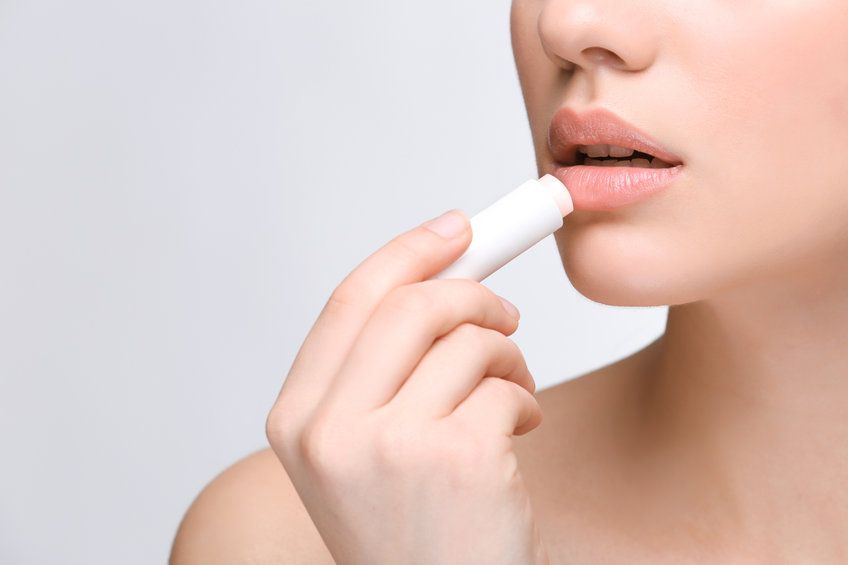
Lemon Lip Balm for Prevention of Canker Sores. How to prevent canker sores.
Lemon Lip Balm for Prevention of Canker Sores.
  • Lemon Balm

The antiviral properties of lemon balm, also known as Melissa officinalis, may help reduce the redness or discoloration and swelling associated with a blister, or protect against future infections — at least according to a 1994 study.

Use a lip balm with at least 1 percent lemon balm. Or, as an alternative, a compress made of a lemon balm infusion (tea) may provide similar benefits.

  • Avoid acidic foods such as citrus fruits and even an abundance or frequent chocolate
  • Red LED Light Therapy

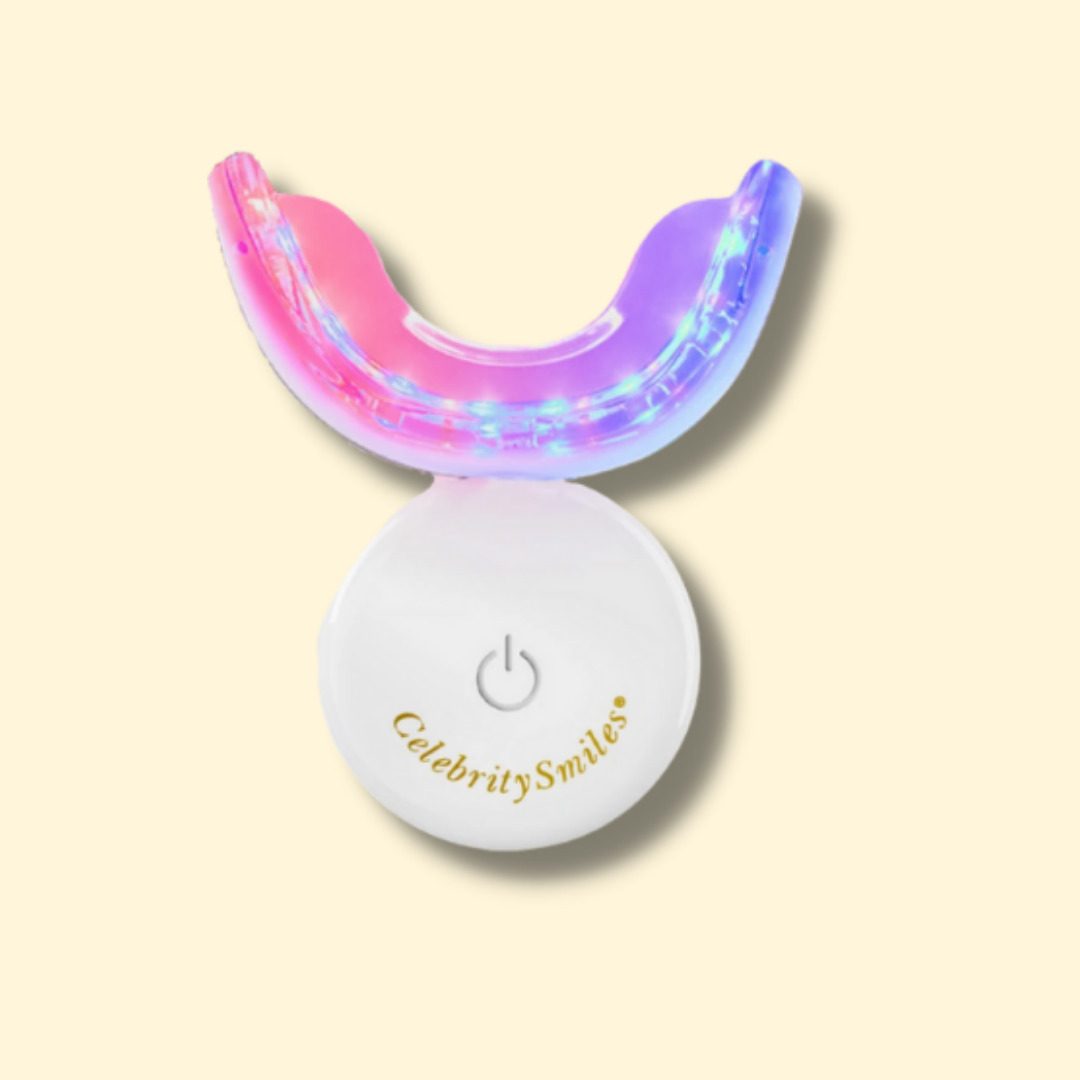
Hint: Celebrity Smiles LED Red Light can be helpful! Keep reading to discover how. You can help your patients with this simple preventive technology.

  • Wash your hands often and don’t rub your eyes
  • Replace your toothbrush often
  • Don’t kiss someone who has a cold sore or use that person’s utensils, towels, or razors
  • Apply sunscreen to your face and lips before prolonged exposure to the sun
  • Replace your lipstick or lip balm often
  • How to Recognize a Cold Sore Outbreak

If your patient had chicken pox, a herpes virus, or anything similar, they are always at risk for these unsightly sores.

Let’s help our patients recognize the stages of a cold sore and help them put a halt to the progression of these unsightly sores.

Below is a list of what to look for when a cold sore is beginning:

Tingling

Tingling is the first sign of a cold sore and we can educate our patients that this is the most important time to do all that they can to prevent the unsightly sore.

This is the best time for your patients to call your office and on that day they come to your office for a very short appointment and doctor or a laser certified hygienist can use a soft-tissue, diode laser to ZAP the early stages of this canker sore.

Many offices when introducing the soft-tissue laser for prevention of a full-blown-ugly cancer sore educate their patients to call immediate and come in that day for a quick appointment to ZAP the red area that will soon be a canker sore.

You will find that doing this (in the beginning) at no-cost to your patients is a great practice builder!

If you do decide to charge for the ZAP of a cancer sore, the soft-tissue, diode laser does need to be completed at the first signs of a cancer sore and it takes maybe 15 minutes in your office to ZAP the canker sore.

The charge will be minimal and it’s recommended you charge less than $60. Many offices charge approximately $20-30 for a quick ZAP.

It truly is a great marketing tool and helps your patients out in a big say!

Also, recommend your patient use an anti-viral cream such as Abreva. This cream will need to be reapplied frequently and will cost almost as much as the laser treatment at a dental office.

The ZAP of your laser plus the addition of an anti-viral cream makes a big difference in the beginning stages of a canker sore outbreak.

People with Crohns Disease, auto-immune diseases, patients undergoing chemotherapy are known to constantly deal with cold sores so let all your patients know you can easily help them at the first sign of a canker sore.

Your patients will be your raving fans!

Blisters

One stage of cold sores is the blistering stage.

Blisters occur from day two to four of the canker sore outbreak.

These blisters can fill with fluids to make the skin around it swollen and red. Blisters can occur inside the cheeks, nose, and lips, as well as the soft tissues inside your mouth and even your tongue.

The reason for blisters occur is because the immune system is working hard to heal the virus. During this stage, you want to continue using an anti-viral topical cream.

Educate your patients to now squeeze these blisters. Touching and squeezing the blisters will cause transmission of the virus, it will exacerbate the sores and can slow down the healing time.

Oozing

Oozing occurs about day 4-5 of the canker sore outbreak.

This is when the cold sore is most contagious and painful. The blister can burst during this stage.

This can lead to a red round area of inflammation around the affected area.

Scabbing

Scabbing happens around days 5-8, This is when the canker sore dries out and a scab will form. The scabs can feel itchy, they can crack open and shrink.

Cracking will lead to the cold sore bleeding. Other symptoms that may occur include burning and itching.

Healing

Healing starts between days 8 to 10.

The time it takes to heal a canker sore depends on how bad the outbreak is and if you’re your patient began early preventive measures to halt the cold sore.

Canker Sores are Contagious

Oner reason a family of patients all experience cold sores is because they are contagious.

Parents who experience cold sores and kiss their babies are literally transferring the virus to their child.

It is also possible for the cold sore to spread if someone touches the cold sore and then touches another mucous membrane such as the mouth, eyes, or nose.

Cross contamination of the virus can occur when two people share some personal bathroom items, like a toothbrush, a razor or drinking from the same glass. These are all things that when shared with a person who has a cold sore they will spread the virus to another person.

LED Red Light For Prevention of Canker Sores

Conclusion

As dental professionals we are advocates for our patients. Prevention is key and as dental professionals we are armed with the tools to heal and even prevent these unsightly canker sores that many of our patient’s experience.

Dental Practice Solutions offers a Blue/Red LED Light to dental offices that not only helps BOOST whiter teeth but the red LED light has shown great results for people who have various mouth sores.

If patients wear the Red LED light mouthpiece for ten minutes, 2-3 times a week, they are less likely to experience mouth sores from canker sores, that are caused by a virus, chemotherapy, and auto-immune diseases.

Using a diode, soft-tissue laser to ZAP these ugly sores works well and your patients can leave with an LED Red Light to continue preventing a full outbreak of this ugly sore.

Studies have shown that phototherapy, either by LASER and/or LED, is an effective therapeutic modality to promote healing of skin wounds. 

Check out our reseller page to order this wholesale LED Light and help your patients prevent canker sores. This RED LED light helps heal oral inflammation, soreness after dental treatment, dental sores, etc. The LED Light mouthpiece can also BOOST whiter teeth.

Find out how to use this in your dental office here.

Take your hygiene department to the next level. Enroll in our course.

Posted in Dental, Dental Hygiene Adjunctive Serivices, Dental Hygiene Appointment, Dental Patient, DENTAL PATIENT CASE ACCEPTANCE, Dental Services

Return to Your Training Vault

Contact Info

  • 15508 W. Bell Road Suite 101 PMB 431, Surprise, AZ 85374
  • (623) 252-1941
  • admin@dentalpracticesolutions.com

Office Hours

  • Mon-Thu 8:00am - 5:00pm PST
  • Friday 8:00am - 2:00pm PST

Useful Links

  • Home
  • About
  • Sitemap
  • Terms of Use
  • Privacy Policy

Recent PR

  • PrestoSmile® and Dental Practice
  • Dental Practice Solutions - Debbie Bittke
  • Dental Practice Solutions - Debbie Bittke
  • Dentistry Leaders
Copyright 2026 Dental Practice Solutions

    Input this code: captcha

    captcha

    • Home
    • About
      ▲
      • About Us
      • Testimonials
      • Videos
    • Services
      ▲
      • Hire a Dental Hygienist
      • Dental Hygiene MAX Course
      • 6-Month Dental Hygiene Department Optimization
      • 12- Month Dental Hygiene Department Training
      • Dental Hygiene Department / Team Workshop
    • E-Learning
      ▲
      • Free Resources
        ▲
        • BOOST CASE ACCEPTANCE eBook
        • Treating the Gingivitis Patient
      • More Courses
        ▲
        • Oral Inflammation and Systemic Vitality
        • Properly Sequence Hygiene Appointments
        • Alzheimer’s Disease Prevention.
    • Webinar
      ▲
      • Current Webinar
      • Power Hour March 15 2024
    • Blog
      ▲
      • Podcasts
    • Contact Us

    Schedule your free coaching call here client login

    (888) 816-1511

    Introduction to Orientation Video Part 1