Dental Practice Solutions
Schedule My Opportunity Call Call us now (623) 252-1941 Client login
  • Home
  • About
    • About Us
    • Testimonials
    • Videos
  • Services
    • Hire a Dental Hygienist
    • Dental Hygiene MAX Course
    • 6-Month Dental Hygiene Department Optimization
    • 12- Month Dental Hygiene Department Training
    • Dental Hygiene Department / Team Workshop
  • E-Learning
    • Free Resources
      • BOOST CASE ACCEPTANCE eBook
      • Treating the Gingivitis Patient
    • More Courses
      • Oral Inflammation and Systemic Vitality
      • Properly Sequence Hygiene Appointments
      • Alzheimer’s Disease Prevention.
  • Webinar
    • Current Webinar
    • Power Hour March 15 2024
  • Blog
    • Podcasts
  • Contact Us

Dental Consultant in Oregon | The Ketogenic Diet and Periodontal Disease

By: admin

May 3, 2018

The Ketogenic Diet and Periodontal Disease: Could Eating More Fat Help Reduce Periodontal Disease?

Written by Cindy Rogers, RDH, BS

 

Inflammation has been found to be associated with just about every health condition. Chronic inflammation is a common thread among many conditions like stroke, cancer, heart disease, obesity, arthritis, Alzheimer’s and depression. So, it would make sense that it is also associated with periodontal disease.


How Inflammation is Associated to Periodontal Disease

For starters, inflammation is right there in the name periodontitis. Itis is defined as a medical condition accompanied by inflammation. Periodontitis is an inflammatory disease initiated by oral microbial biofilm. This distinction implies that it is the host’s response to the biofilm that destroys the periodontium in the pathogenesis of the disease.


Five Signs of Inflammation
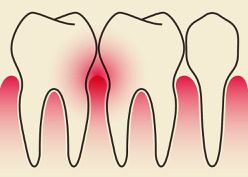
  1. Heat
  2. Pain
  3. Redness
  4. Swelling
  5. Loss of Function


The Ketogenic Diet

If it is the host’s response of inflammation that is destroying the periodontium, then maybe we can control this response by following an anti-inflammatory diet. The ketogenic diet is a very effective anti-inflammatory diet.

The Ketogenic diet is known for being a low carb diet, but it is much more than a low carb diet and different than the Atkins Diet. The ketogenic diet is a high-fat, adequate protein and low carbohydrate diet.

When following this diet, your body is forced to burn fats rather than carbohydrates for energy. If there are little carbohydrates in the diet, the liver converts fats into fatty acids and ketone bodies. The ketones replace glucose as an energy source. Food that are high in carbohydrate will cause your body to produce glucose and insulin. Glucose is the easiest molecule for your body to convert and as energy so it chosen first over any other energy source.  Insulin is produced to process the glucose in your bloodstream by taking it around the body. When glucose is being used as primary energy, the fats you eat are not needed and are therefore stored around your body.

Ketosis is a natural process that the body uses to survive when food intake is low. Ketosis happens when you have lowered your intake of carbohydrates to the point that your body is forced to use fat as energy. When this happens, ketones are produced from the breakdown of fats in the liver.

Excess carbohydrates are converted into pyruvate, then to acetyl-CoA and then into HMG-CoA. Cholesterol is formed when HMB-CoA is converted into cholesterol by the enzyme HMG-CoA reductase. Statins lower cholesterol by blocking HMG-CoA reductase.

High carbohydrate diets lead to the overproduction of insulin, and insulin stimulates HMG-CoA reductase. High carbohydrate diets and its associated hyperinsulinemia equals hypercholesterolemia.


Why Ketones Help Reduce Periodontitis

 An anti-inflammatory diet works like a natural statin. With the release of ketones in the body, the body is in a state of ketosis. Ketosis is a desirable anti-inflammatory state. Ketone bodies reduce oxidative stress, which is very important, because an excess production of free radicals is implicated as a promotor of most chronic inflammatory diseases.



Getting into a State of Ketosis

To get into ketosis, you must eat less than 50 grams of carbohydrates per day.  Most carbohydrates should come from non-starchy vegetables, nuts and dairy. Refined carbohydrates, starch and fruit are off limits with the exception of avocados. Berries and star fruit can be eaten in moderation once you have entered ketosis. It is recommended that you take supplements as well.

 DO NOT EAT:

  • Grains- wheat, corn, rice, cereal, etc.
  • Sugar- honey, maple syrup, agave, etc.
  • Fruit- oranges, apples, bananas, etc.
  • Starchy vegetables- potatoes, yams, sweet potatoes, etc.

DO EAT:

  • Meat- beef, chicken, lamb, pork, eggs, etc.
  • Nuts and seeds- almonds, walnuts, macadamias, sunflower, etc.
  • High fat dairy- cream, butter, hard cheese, etc.
  • Leafy greens- kale, spinach, etc.
  • Avacado
  • Berries- raspberries, blackberries, other low glycemic berries
  • Vegetables- above ground such as cauliflower, broccoli, etc.
  • Fats- coconut oil, loive oil, salad dressing, etc.
  • Sweetners- stevia, erythritol (try mixing together for a better taste)
  • Anti-inflammatory supplements- magnesium, vitamin D, omega-3 fatty acids, chromium, ginger, turmeric and garlic

 

 Oregon Dental Consultant

Cindy Rogers, RDH, BS is a dental consultant, coach, speaker, and author for Dental Practice Solutions. Cindy coaches in the areas of front office systems and processes as well as the hygiene department. People love the calm ZEN vibe that comes with Cindy but don’t be surprised at her “Inspiring and Motivating” ability when working with your team! Please contact Cindy for a complimentary Profit Boosting Session:

cindy@dentalpracticesoultions.com or call 949-351-8741 Visit the website for valuable resources and schedule your complimentary session today: https://dentalpracticesolutions.com/


Posted in Blog, Dental Hygiene Patients, Dental Patient, Dental Services, Marketing, Practice Management Consulting

What Most Successful Dentists Are Doing Right

By: admin

April 26, 2018

Written by: Debbie Seidel-Bittke, RDH, BS

Dentists go to dental school to be a clinician. Most dentists do not go to dental school to become a business owner.

Dental schools do not provide much education on business and owning or running a dental office.

The reason why successful dental practices are profitable and have little employee turn-over is because the doctor-owner has qualities of a great leader.

What are the qualities of a great leader?

You can ask to google or Siri this question however, I have put together a list of what I know to be true.

1. Trust

Often the team is intimidated by not only the doctor/owner/DDS/ DMD title but it is possible that the employee has never worked in a professional atmosphere before. It is important to encourage the team to express their opinions and the owner of the dental practice must have patience and a willingness to listen to what the other employees believe, feel or think.

The owner of the dental practice must provide a safe environment where the employees are not afraid to communicate. It is important the doctor is approachable.

2. Decisive

Successful dental practice owners and leaders are expert decision makers. They either facilitate the dialogue to empower their team (employees) to reach a strategic conclusion or they do it

themselves. They focus on “making things happen” at all times – decision making activities that sustain progress and profitability of their dental business. Successful leaders don’t waste their time on issues that disrupt momentum. It is important that business owners can make decisions in 3 mins, 3 days and for big decisions, in less than 3 weeks.

3. Communicate Expectations

All successful leaders will communicate their vision, mission and the culture they expect their employees to live by. Successful leaders are great communicators and it is important that they communicate their expectations about their employee’s performance, what systems and processes they expect to be completed and when these are to be completed.

4. Mindset

The mindset of a successful leader/ dental business owner is one who has a positive attitude. They are open to looking at various systems and processes “Outside the box.” These successful leaders are always looking for areas of improvement not only within themselves but within their business. They have a constant and never-ending commitment for improvement.

5. Accountability

Outside of mentoring their employees to be their very best, a successful dental practice owner will hold others accountable and they will also allow others to hold them accountable. They will also allow the team (their employees) to drive the practice so they can be the expert clinician they set out to be at the beginning of their career. The doctor/leader allows the team to sit in the drives seat.

6. Lead by Example

Successful leaders practice what they preach and are mindful of their actions. They know everyone is watching them and therefore are incredibly intuitive about detecting those who are observing their every move, waiting to detect a performance shortfall

7. Know Their Numbers & Reward Performance

Great leaders always have a strong “pulse” on business. They are looking at end of day reports and they always follow end-of month protocols: looking at where their business numbers are and understanding areas of inefficiency in their business; sooner than later. They also review and check-in with their employee’s performance and are quickly to change a pattern of poor performance and they reward when the practice and employees are successful.

8. Seek Expert Advise

Successful leaders will seek the counsel of an expert when they have questions or believe the business is not functioning at its full capacity. From the outside, successful leaders appear to know-it-all – yet on the inside, they have a deep thirst for knowledge and always are on the look-out for new information because of their commitment to making themselves better through the wisdom of others.

9. Problem Solve

Successful leaders tackle issues head-on and know how to discover the heart of the matter at hand, they don’t procrastinate. They become incredibly proficient at problem solving; they learn from and don’t avoid uncomfortable circumstances; they welcome them. Getting ahead in life is about doing the things that most people don’t like doing.

10. Positive Energy & Attitude

Successful leaders create a positive and inspiring workplace culture. Let’s face it, dentistry can be stressful. It is not a place where patients are excited to be. I have to admit that it can be difficult when we have a lot of estrogen trapped between four walls, 8-10 hours a day. Most weeks we spend more time together with our team members than we do with our family so let’s make it a fun place to be.

These ten things are only a few things that will ultimately allow dentist/leaders and business owners to increase the value of their business brand, while at the same time minimize stress and business failure no matter what the economic climate is.

If you would like to know more about your office having a harmonious atmosphere and/or build your leadership skills to create a higher level of success please contact our office to schedule a complimentary practice boost session. Email: admin@dentalpracticesolutions.com or call: 949-351-8741.


ABOUT THE AUTHOR

Debbie Seidel-Bittke, RDH, BS is a dental consultant, coach, speaker and author. She is also CEO of Dental Practice Solutions. Debbie is a world-class leader in creating profitable hygiene departments. She is well-known as a former clinical assistant professor at USC in Los Angeles and a former hygiene department program director. Dentistry Today recognizes Debbie as a Leader in Dental Consulting. She can be reached at (888) 816-1511. Send an e-mail to info@dentalpracticesolutions.com or go to her website: https://dentalpracticesolutions.com

Check out the Free 3-Part Hygiene Department Training: http://www.dentalhygiene.solutions

Posted in Blog

Oregon Dental Consultant | How to Increase New Patient Production

By: admin

April 12, 2018

Written by Cindy Rogers, RDH

A potential new patient calls your office and says that he has a tooth ache and would like to be seen as soon as possible because he is in pain. Excited at the opportunity to fill a hole in your schedule, you gleefully say “we have some time available today to do an exam and x-ray and get you out of pain.” Great, that is all the guy wants, right?  Well not exactly.

This patient has to this pain because he has not had comprehensive dental care in a while; maybe even years.  His dental care has consisted of seeking relief from toothache to toothache. He would get a toothache, go to the dentist, get out of pain and then repeat the cycle of limited exams, PA’s and limited treatment. He was never offered the option of having a comprehensive exam and full mouth x-rays.

You see, this guy is a general contractor, he does not work in dentistry and does not really know much about it. All he knows it that he is in pain and he needs dentistry to help him get out of it. It is our job to educate him on dentistry and what is best for him.  It is also our job as a business to determine what is best for us. This is a win-win opportunity.


Why is a Comprehensive Exam and FMX Best for the Patient?

  1. The patient has an active infection spreading throughout his body and it needs to be treated. Caries and periodontal disease are infectious. If one area is infected then it is likely that others are as well.  Bacteria travels throughout the blood stream to vital organs.
  2. The patient is valuable as a person and a patient in your dental practice. They need to get as much treatment completed as possible in one appointment to eliminate returning to your office and leaving their job. A limited exam and Periapical are usually scheduled for 30 minutes in your day. A comprehensive exam is usually scheduled for 60 minutes. The patient will have a diagnosis and treatment plan for his whole mouth in one appointment instead of retuning numerous times.
  3. This patient works hard and wants to get the most out of his insurance and the almighty pocket book. The majority of insurance companies only cover two exams of any type per year, regardless if they are a comprehensive or a limited exam. Most insurance companies will cover preventative services at 100%. To the patient, with insurance, there is no difference in cost for a comprehensive or a limited exam. They will get the most savings and a valuable benefit by having insurance pay for a comprehensive exam and Full mouth x-rays.


Why is this best for the Practice?

True, you could possibly add a little bonus in production by doing emergency treatment. Let’s take a look at the bigger production picture. Here is a possible scenario of the opportunity to increase production.


Scheduled Time 30 minutes 60 minutes
Production $150 $300
Patient Cost $0 $0
Possible Treatment Plan $500 $5000


By doubling the initial appointment time, you will at least double the production. You will also be able to present him with a “whole mouth comprehensive treatment plan.” The patient will be so impressed that you took the extra time with them that they will refer their friends and family to your dental office.

What to Say to the Patient During the Initial Phone Call

Dental Office: “Mr. South, I understand that you have a toothache and it is our priority to get you out of pain. Let me explain how we can do that and prevent you from suffering again in a few months, all while saving you time and money. How does that sound?”

“Mr. South, I understand you are trying to save money by only fixing one tooth at a time. Let me explain why this is actually costing you more money and keeping you from using the insurance benefit that you pay for.”

“Mr. South, did you know that cavities are contagious? We are concerned that if we only fix the one tooth, that many others in your mouth are still infected and will be causing you pain in the near future. Let me explain how we can help prevent this from happening.”


Getting the patient out of pain is indeed a priority, but, let’s not forget about the big picture. The big picture for him and for your practice.


Your Goal: No more pain for the patient and in return you have a patient for life in your dental practice.


Cindy Rogers, RDH, BS is a dental consultant, coach, speaker, and author for Dental Practice Solutions. Cindy coaches in the areas of front office systems and processes as well as the hygiene department. People love the calm ZEN vibe that comes with Cindy but don’t be surprised at her “Inspiring and Motivating” ability when working with your team! Please contact Cindy for a complimentary Profit Boosting Session: cindy@dentalpracticesoultions.com or call 949-351-8741 Visit the website for valuable resources and schedule your complimentary session today: https://dentalpracticesolutions.com/


Posted in Blog, Dental, Dental Hygiene Adjunctive Serivices, Dental Hygiene Patients, Dental Patient, Dental Services, Practice Management Consulting, Uncategorized

Dental Consulting | 5 Simple Steps to Implementing a Successful Oral Cancer Screening Protocol

By: admin

April 5, 2018

Dental Advisor

Written by: Kelly Kunkel, Director of Strategic Development at Forward Science

April is National Oral Cancer Awareness Month and we have asked Forward Science to write a guest blog and share this important message. Thank you to Forward Science and Kelly Kunkel for your contribution to our guest blog series this month.


  1. Educate your patients & community about oral cancer

The stereotypical demographic has changed from years past.  While the traditional risk factors (smoking, drinking, family history, etc.) still apply, the fastest growing demographic of new oral cancer cases is younger patients without any of the traditional risk factors.  Patients need to be aware and understand that everyone is at risk and should be screened annually for oral cancer.  This is our industry’s cancer and we need to educate and make a difference in our communities.  Forward Science works with each of our clients to help you spread the word and differentiate your practice.


  1. Use adjunctive screening technology

Did you know that 69% of oral cancers are found in their later stages?  Fluorescence technology for early discovery of this growing epidemic has continued to evolve and allows you to identify abnormalities such as oral cancer, pre-cancer and other abnormal lesions at an earlier stage, thus saving lives. Adjunctive devices that incorporate this proven technology have been simplified and made to be cost-efficient. With devices like OralID that allow clinicians to use the latest technology with no cost per patient, oral cancer screening has become a no-brainer.


  1. Make sure EVERYONE on your team is trained

Like anything else you implement into your practice, training is key.  Everyone in your practice, from front office to back, needs to be 100% comfortable talking to patients about the current statistics and why everyone needs to be screened, how the technology works, how to present the screening to the patient and do so with passion!  If you’re going to talk the talk, you need to walk


  1. To Charge or not to charge

Enhanced oral cancer screening is a service you provide, and it is perfectly acceptable to expect an increase in revenue in return for the service.  How to charge for enhanced oral cancer screening can vary from office to office and can increase your revenue significantly if you choose.  When you are thinking about whether “to charge or not to charge,” remember that there is no right or wrong answer. By making the simple choice to incorporate this technology into your practice, you could be making a life-changing decision for your patients.


  1. Testing

If during the screening an abnormal area is found, the typical protocol is to schedule the patient back for a follow up in approximately 2 weeks.  If the lesion is still present and continues exhibit a loss of fluorescence, we will then move to the next step of the protocol; diagnostic testing. CytID is a simple and non-invasive test that will give a diagnostic result read by a pathologist on what is happening on a cellular level.  CytID liquid based cytology is used “when you need to know more”, and is not a replacement for the standard of care biopsy. This will help you gain more information regarding the lesion, so we can have a more informed plan of action. In the common occurrence that the results come back normal, the patient’s mind will be at ease, but you as the clinician can also rest assured that you provided the best quality care.


Guest Blog Author

Kelly Kunkel is the Director of Strategic Development of Forward Science LLC. Forward

Science is a medical device company founded on advancing oral healthcare through early discovery (OralID), diagnostics (CytID, PathID, hpvID, phID), and treatment options (SalivaMAX & SalivaCAINE). Utilizing her 20 years of dental sales, marketing and practice management experience, Kelly continues to grow the Forward Science user base and develop strategic partnerships while revolutionizing the way dentists screen for oral cancer. You can contact Kelly at Forward Science: Email: kkunkel@forwardscience.com or Call: 480.734.3914. Website: www.ForwardScience.com


Posted in Blog, Dental, Dental Hygiene Patients, Dental Patient, Dental Services, Marketing

Dentistry: Get a Grip On Your Business and Grow Your Practice

By: admin

March 23, 2018

Date:

Fri, September 21, 2018

Presented by: Debbie Seidel-Bittke, RDH, BS, CEO of Dental Practice Solutions

Presenting Sponsor: Doug Fettig, CPA, MBA at Aldrich CPAs + Advisors LLP

6 CE Credit Hours – Breakfast, Lunch and Afternoon Snack – Lots of Fun Learning!

Location:

Embassy Suites by Hilton Portland Airport

7900 Northeast 82nd Avenue

Portland, OR 97220

Time:

Fri, September 21, 2018

9:00 AM – 4:30 PM PD

Schedule:

Breakfast & Check-In – 8:00 AM to 9:00 M

Morning Session – 9:00 AM to 12:00 PM

Lunch – 12:00 PM to 1:15 PM

Afternoon Session – 1:15 PM to 4:15 PM

Closing Remarks & Questions – 4:15 PM to 4:30 PM

Click here to register

Posted in Blog, Dental, Dental Hygiene Adjunctive Serivices, Dental Patient, Dental Services, Live Events, Marketing, Practice Management Consulting

Dental Consultant in Oregon | Converting Leads into Patients

By: admin

March 22, 2018

Marketing is an essential part of attracting new business. Strong print and internet marketing materials can help introduce your practice to potential new patients. Glowing reviews and testimonials tell people that you have a trustworthy team and offer quality care. However, even the best marketing efforts won’t contribute anything to your business if you fail to convert leads into patients. There are a variety of reasons outside of your control that might stop someone from scheduling an appointment at your practice, but it’s important to make sure you do all you can to help motivate people to seek treatment with you. Below are some tips to help your team more effectively sell the value of your service to potential new patients.

Be responsive and available. As a dental professional, you know what it’s like to be busy. Often, your patients have busy lives of their own. Make sure your team is available to take calls as they come and try to offer flexible appointment times to help people work within their limited free time.


Don’t be too pushy. While it’s helpful to be clear about all the treatments offered at your practice, patients are often turned off by overly “salesy” approaches. Take the time to get to know a patient and their needs, goals, and budget before trying to sell them on dental solutions. This will make them feel valued and understood, increasing the likelihood of treatment plan acceptance.


Offer a friendly and welcoming environment. There are a number of people who absolutely dread going to the dentist. Because of that, some potential patients may already have a negative feeling towards you and your team despite no fault of your own. Work to overcome this discomfort quickly by offering a personable and kind environment. Make sure your team greets patients by name and gets to know a bit about them. A little can go a long way.


Don’t lose track of people. Repetition is one of the easiest techniques for cementing something into memory. If a potential new patient contacts your office, be sure to follow up if you don’t hear from them again. You never know the reason they didn’t call back, so taking that step for them can offer a second chance to make a connection and help your practice stand out more in their mind.


Many dentists find it difficult to think about their practice as a business. It is likely that you chose dentistry due to a passion for service and healing, not bookkeeping or sales. Yet nearly any successful retailer will say that the only way to gain business is to give customers what they want, when they want it. Contact us for more strategies on boosting new patient numbers and patient retention!

Debbie Seidel-Bittke, RDH, BS

Debbie Seidel-Bittke, RDH, BS


Debbie Seidel-Bittke, RDH, BS is a dental consultant, coach, speaker and author. She is also CEO of Dental Practice Solutions. Debbie is a world-class leader in creating profitable hygiene departments. She is well-known as a former clinical assistant professor at USC in Los Angeles and a former hygiene department program director. Dentistry Today recognizes Debbie as a Leader in Dental Consulting. She can be reached at (888) 816-1511. Send an e-mail to info@dentalpracticesolutions.com or go to her website: https://dentalpracticesolutions.com

Check out the Free 3-Part Hygiene Department Training: http://www.dentalhygiene.solutions

Posted in Blog, Dental Hygiene Patients, Dental Patient, Dental Services, Practice Management Consulting, Scheduling, Treatment Planning

Oregon Dental Consultant | What is your BIG Audacious Goal for 2018?

By: admin

March 20, 2018

It’s that time of year…again! The gym was packed tonight. I could barely find a parking spot! Even my chiropractor was running 20 minutes behind schedule. He told me this month of January is very busy with people wanting to take care of their health.

I started seeing a chiropractor in August 2017 (After someone ran into my car and then ran off! Another story, another time) and no one else was even scheduled at the same time as my appointment.

If you think this blog is a bit trite, let me explain…. The Dow Jones was at an all high record!

What does this mean for you?

It means that people are spending money.

So, what will you do differently in 2018?

What is your BIG audacious goal?

Are you thinking you are ready to retire?

Are you thinking 2017 was good enough?

If you said “yes” to the two questions above and if you say the Dow Jones on January 4, 2017, I want to suggest you step outside your comfort zone.

Want to retire in the next five years?

Yes?

I suggest you make a commitment. Call it a resolution to improve your treatment planning and case acceptance skills.

Check out some of the classes at the numerous dental conferences with your team and especially your hygienist. Your hygienist should be the one team member who gets your patients “set-up” to accept treatment before you doctor, even walk in that hygiene room to begin your exam.

Are you satisfied with your production and collections in 2017?

Yes?

My suggestion is that you run some reports such as unscheduled hygiene appointments and unscheduled treatment. These are two great areas to look at.

This is important to do now because you want to tap into this time of abundance in our world. IT is happening NOW.

Whether you want to retire this year, in five years or in twenty-five years today is the day to write down your BIG audacious goals.

AUDACIOUS GOAL

Why an audacious goal?

I saw an audacious goal because if you don’t step outside of your comfort zone, things will remain the same for you.

Comfort Zone. Definition: a place or situation where one feels safe or at ease and without stress.

Or put another way: To Remain the Same.

How will you accomplish your audacious goal?

  1. Create a new habit.

The second thing you need to do is write down your goal and the third is to have confidence that you can achieve this goal.

What is the #1 habit I have now accomplished?

I wrote it down and I also have confidence that I can absolutely achieve this goal.

It is one VERY simple goal. What is it????

I have started to make my bed every day.

Ok. SO, it’s day 5 in 2018, and I am telling you that it is so simple that I have achieved it.

Your audacious goal needs to be a simple one. It needs to be something that you absolutely, without a doubt, can accomplish.

You must write this down.

I also want to suggest that you write these goals down as a team.

If you want to have your own goals, that is fine but if you have business goals, to accomplish them, you will need 100% team participation.

YOUR WHY

Now that you have decided to write down at least one goal you will accomplish in 2018 (Love my optimism? lol), I want to ask that you think about WHY you want to increase _______________.

The reason you must get clear on this is because if you make $100,000 more in 2018, your front office employee(s) still make $12.hr (Maybe more. Maybe less) which means nothing is in it for them.

Your “Why” can be to spend more time with your family. In this case maybe you want to work three days and not four each week. If this is an example of your goal in 2018, I suggest that you allow your employees work on this goal, so they can earn the same salary in three days.

When you create your goal, it needs to be shared with your team. Remember, they are there to support your vision for the practice, so you must find a way to involve your entire team if you want to accomplish your dream.

Tips to Prioritize the Action Plan

  1. Identify what needs to be done to accomplish your goal(s).

For example: If you want to improve the number of New Patients who come to your office in 2018, write down your number accomplished in 2017.

  1. Write down the systems, the processes needed to achieve your audacious goal(s).
  2. Write down who needs to do what and when to accomplish your goal(s).
  3. Accountability is key so have one person who will report on your progress.
  4. Finally, is to look at your goal(s) daily and do at least one task that will move you towards accomplishing your goal(s).

Whatever you do, enjoy accomplishing your BIG audacious goal(s). Life is too short to be stressed every day.

Remember to do something small every day to achieve your goal. Create one habit that will get you to your goal(s) in 2018.


ABOUT THE AUTHOR

Debbie Seidel-Bittke, RDH, BS

Debbie Seidel-Bittke, RDH, BS

Debbie Seidel-Bittke, RDH, BS is a dental consultant, coach, speaker and author. She is also CEO of Dental Practice Solutions. Debbie is a world-class leader in creating profitable hygiene departments. She is well-known as a former clinical assistant professor at USC in Los Angeles and a former hygiene department program director. Dentistry Today recognizes Debbie as a Leader in Dental Consulting. She can be reached at (888) 816-1511. Send an e-mail to info@dentalpracticesolutions.com or go to her website: https://dentalpracticesolutions.com

Check out the Free 3-Part Hygiene Department Training: http://www.dentalhygiene.solutions

Posted in Blog, Dental Hygiene Patients, Marketing, Practice Management Consulting, Scheduling, Uncategorized

Dental Consultant | Now is the Time for Tax Planning for Your Practice

By: admin

March 15, 2018

By Doug Fettig, CPA, MBA

In case you hadn’t noticed, the annual “tax season” is upon us, with everyone working towards the tax deadline of April 15th!  However, you may not fully appreciate how engaging in tax planning with your CPA or financial advisor throughout the course of the year can pay huge dividends, both in stress and in your final tax bill.  So, when the dust settles from this year’s tax season, resist the temptation to go back to “business as usual.”

The earlier in the year you begin your tax planning process, the more your CPA can leverage the change in tax laws to ensure that your dental practice is maximizing the tax benefits and minimizing the tax impacts.  A forward-thinking CPA will engage in tax planning with their clients several times during the year, creating the best possible tax situation and also ensuring that you are not hit with a “tax surprise” after year-end.  After all, nobody likes to get a call from their CPA informing them that their tax bill will be bigger than was originally estimated!

Here are three really good reasons to make time for your tax professional now and to get your dental practice and your personal financials in the best shape possible.

One: It’s Time to Get Your Financial House in Order

Before your tax professionals can prepare your annual tax filings, your books will be evaluated to ensure that all transactions have been posted correctly. By starting the process during the year, your tax professionals can help you tidy up your records for the majority of the year and institute process changes to address any systematic errors.

This quick turnaround provides multiple benefits including:

  • You’re in a position to satisfy bank covenants by supplying accurate financial statements during the first month of the New Year.
  • You’ll have a clear sense of where you stand financially when making important decisions during the year regarding investments in your dental practice, employee compensation, wealth management, and tax planning.
  • You’ll get ahead of the curve when you aren’t bumping up against a filing deadline.

In other words:  Since you’ll need to do it anyway, why not get a head start?

Two: It’s Time to Leverage Your Financial Data for Business Planning

During the year, not at year-end, is the appropriate time for a real-time look at your finances. A clean, up-to-date set of financial statements and the associated management reports transforms your “gut feel” for the health of the dental practice into concrete metrics to evaluate revenue streams, operational efficiency, and financial controls.

These reports generated from your dental practice can help you answer key questions about the business, such as:

  • Is your dental practice attracting the right clientele to reach the target reimbursement rates for services rendered?
  • Is the mix of services at your dental practice attaining target profitability?
  • Is the dental practice managing receivables to minimize late payments and delinquencies?

A dental practice with soft performance can leverage this data and associated expert advice to institute strategies, process changes, scripting changes, and/or employee development initiatives to render improvements during the year. Even the strongest dental practice can find room for improvement.

A mid-review by your tax professionals can provide information to help you make investment decisions with respect to the dental practice – e.g., leasehold improvements or capital equipment procurement.  It may trigger a review and update on insurance coverage for your practice as well.

Three: Meet with Your Tax Professional to Develop Your Tax Plan

A mid-year conference with your tax professional places you in the driver’s seat for the work you’ll do together in the remainder of the year. You can take the opportunity to outline your anticipated financial reporting requirements – e.g., tax returns for bank loans, student loans. You can schedule your collective resources when it makes the most sense for your dental practice. And you can outline your mutual obligations to ensure thorough and professional accounting services and tax filings with the least amount of effort on both sides of the table. It’s good for your dental practice and good for the bottom line.

Summary

Without a doubt, the insights that you glean by engaging in tax planning during the year can inform actions that will benefit you and your dental practice in the coming year and beyond.   What better gift could you give yourself?

If you would like more information or would a free consultation regarding your tax or retirement plan status, please contact Doug Fettig at dfettig@aldrichadvisors.com or at 503-716-9316.

Bios

Doug Fettig, CPA, MBA, is a consultant and dental speaker within the Dental Services Group at Aldrich CPAs + Advisors, ranked as one of the top 100 accounting firms nationwide. With over 25 years of business and consulting experience, Doug has the unique ability to understand dentists’ needs and help them grow efficient and profitable practices. His insight allows him to effectively communicate business concepts to dental practices while strategically addressing tax, investment, and retirement planning needs.

Posted in Blog, Uncategorized

Clackamas Dental Consulting | SEO and Its Real ROI

By: admin

March 1, 2018

SEO has developed a bit of a bad reputation as of late. It’s true that some companies or individuals might try to cheat the system in unethical ways, putting you at risk of being blacklisted by Google. These spamming techniques include keyword stuffing, buying links, article stuffing, and more. While they might have worked to give you good results in the past, Google’s ever-learning algorithms have become much more adept at catching these tactics and punishing websites for them. However, a properly implemented SEO strategy is an invaluable part of a strong internet marketing plan. In order to understand the true value that SEO provides, you must first understand what it is and how it works.


What is SEO, Really?

While many individuals might be familiar with the term “SEO,” fewer know what it stands for, or how it really works. Search Engine Optimization, or SEO, is an umbrella term for a variety of strategies one might use to try and increase the ranking of a website on Google and other search engines. These techniques can include strategic keyword integration, off-site link-building, social media integration, and more. As search engines recognize an increased proliferation of your site across the web, your site will move up in rankings.


The Benefits of a Comprehensive Strategy

SEO is most effective as a part of a larger internet marketing strategy. In order to see a real improvement in your ranking results, it’s important to have an online presence that will get your site noticed and foster an increase in online engagement. By making sure that this engagement is all tied back to your site, you can organically boost the results. Having a site that’s SEO-optimized and kept up-to-date with the latest changes in Google’s algorithms will ensure that you’re making the most of the traffic and links to your site.


Why does this matter for me?

90% of individuals never venture past page one of web search results. If you’re trying to attract more people to your business, it’s important to ensure that your website ranks well for a variety of keyword combinations. Maintaining a consistent SEO strategy of keyword integration and diversified backlinks is your best bet for seeing a stable increase in your rankings on Google and other search engines. Don’t let poor rankings cause you to miss potential new business!


Grace is the proud owner of Identity Dental Marketing where she has made it her personal mission to improve the business of each dental practice she works with by a measurable amount. In her first position as a Marketing Director for a multiple location dental practice, she tripled the number of new patients seen on a monthly basis (in 3 short months, on the same marketing budget). From there, she created a variety of sales-focused training workshops, attended many marketing seminars and became obsessed with dental marketing and branding as whole.

Posted in Blog, Dental Hygiene Patients, Dental Patient, Dental Services, Marketing, Uncategorized

Dental Consultant Clackamas | How Expanding Your Services Can Expand Your Dental Business

By: admin

February 23, 2018

Written by: Debbie Seidel-Bittke, RDH, BS

AS YOU KNOW, patients don’t just visit their dentist for bi-annual hygiene appointments, aka: Preventive Care. There are a host of services available to promote great oral health and create beautiful smiles.


Is It Time to Expand Your Services?

Expanding the services, you offer can be a great way to improve value for your current patients and pique the interest of prospective patients as well. Have you considered expanding the services in your practice?

Here’s a few simple value-add services to consider:

April is oral cancer awareness month so offer your patients a no-cost screening using the latest technology such as the Oral ID. Does your hygienist understand how valuable sleep apnea screenings are for all patients (even children)? Another simple service your dental hygienist can offer is a TMJ exam. This is easily administered during the oral cancer screening.


Other simple, same-day, adjunctive services are: fluoride varnish and whitening services, just to name a few.

I just had my teeth whitening using a 4 minute system called Uphoria. It was created for hygienists to use after the hygiene appointment. It was a simple ultrasonic device that added a hydrogen peroxide to my teeth. It was simple, no sensitivity or awful taste in my mouth.  My teeth lighted by 3 shades in those 4 minutes.

We’re Here for You at Every Stage of Your Business

It’s never wise to bite off more than you can chew, but strategically expanding your services can yield huge dividends—for your patients and your business. If you have any questions about expanding the services your practice offers, let us know! We can guide you through all of your options and help you select the best solutions for your unique needs.

We’re grateful for our clients!


AUTHOR Debbie Seidel-Bittke, RDH, BS

Debbie Seidel-Bittke, RDH, BS

Debbie Seidel-Bittke, RDH, BS

Founder and CEO of Dental Practice Solutions

Debbie can’t remember life without dentistry. She has worked in the dental field as a dental assistant, hygienist, former assistant clinical professor, hygiene department program director and for eighteen years as a coach, consultant, author and speaker.

In 2000, Debbie founded Dental Practice Solutions and she has helped thousands of dental offices world-wide share the important message that oral health will help people live a longer, healthier life.

When a dental office is able to share this message with their patients they will discover patients are most likely to continue returning to their office. These are patients for life when they understand how much you care about them.

Email us or call to schedule a Profit Boosting No-Cost Training with Doctor your Hygiene Department. Email: admin@dentalpracticesolutions.com or Call to schedule a training: 949-351-8741.

Posted in Blog, Dental, Dental Hygiene Adjunctive Serivices, Dental Hygiene Patients, Dental Patient, Dental Services, Marketing, Practice Management Consulting

Post navigation

  • ← Older posts
  • Newer posts →

Return to Your Training Vault

Contact Info

  • 15508 W. Bell Road Suite 101 PMB 431, Surprise, AZ 85374
  • (623) 252-1941
  • admin@dentalpracticesolutions.com

Office Hours

  • Mon-Thu 8:00am - 5:00pm PST
  • Friday 8:00am - 2:00pm PST

Useful Links

  • Home
  • About
  • Sitemap
  • Terms of Use
  • Privacy Policy

Recent PR

  • PrestoSmile® and Dental Practice
  • Dental Practice Solutions - Debbie Bittke
  • Dental Practice Solutions - Debbie Bittke
  • Dentistry Leaders
Copyright 2026 Dental Practice Solutions

    Input this code: captcha

    captcha

    • Home
    • About
      ▲
      • About Us
      • Testimonials
      • Videos
    • Services
      ▲
      • Hire a Dental Hygienist
      • Dental Hygiene MAX Course
      • 6-Month Dental Hygiene Department Optimization
      • 12- Month Dental Hygiene Department Training
      • Dental Hygiene Department / Team Workshop
    • E-Learning
      ▲
      • Free Resources
        ▲
        • BOOST CASE ACCEPTANCE eBook
        • Treating the Gingivitis Patient
      • More Courses
        ▲
        • Oral Inflammation and Systemic Vitality
        • Properly Sequence Hygiene Appointments
        • Alzheimer’s Disease Prevention.
    • Webinar
      ▲
      • Current Webinar
      • Power Hour March 15 2024
    • Blog
      ▲
      • Podcasts
    • Contact Us

    Schedule your free coaching call here client login

    (888) 816-1511

    Introduction to Orientation Video Part 1