Dental Practice Solutions
Schedule My Opportunity Call Call us now (623) 252-1941 Client login
  • Home
  • About
    • About Us
    • Testimonials
    • Videos
  • Services
    • Hire a Dental Hygienist
    • Dental Hygiene MAX Course
    • 6-Month Dental Hygiene Department Optimization
    • 12- Month Dental Hygiene Department Training
    • Dental Hygiene Department / Team Workshop
  • E-Learning
    • Free Resources
      • BOOST CASE ACCEPTANCE eBook
      • Treating the Gingivitis Patient
    • More Courses
      • Oral Inflammation and Systemic Vitality
      • Properly Sequence Hygiene Appointments
      • Alzheimer’s Disease Prevention.
  • Webinar
    • Current Webinar
    • Power Hour March 15 2024
  • Blog
    • Podcasts
  • Contact Us

The Big Challenge Dentists Face with their Dental Hygiene Department

By: Debbie Seidel-Bittke, RDH, BS

July 19, 2023

Challenges dentists have and how to overcome them.

Dental hygiene plays a crucial role in maintaining oral health and preventing various dental diseases. Dentists understand the importance of a well-functioning dental hygiene department, as it serves as the foundation for delivering quality dental care to patients. 

However, amidst the daily demands of running a dental practice, dentists face a significant challenge in optimizing the efficiency and productivity of their dental hygiene department. 

In this blog, we will explore this challenge and discuss potential solutions to overcome it.

The Challenge:

One of the major challenges that dentists encounter in managing their dental hygiene department is maintaining a balance between patient care and operational efficiency. Dental hygienists are responsible for performing a range of preventive and therapeutic procedures, including dental cleanings, fluoride treatments, and patient education. 

However, the time-consuming nature of these procedures can lead to scheduling conflicts, prolonged patient wait times, and decreased overall productivity.

Furthermore, dentists often find it challenging to align the workload of their dental hygienists with the number of patients needing dental hygiene services.

*If you are up-to-date with treating oral inflammation, you will need to expand your number of appointments for hygiene patients. How can you fit in more appointments in a day? Hygienists are not plentiful these days and efficiency becomes imperative to meet the needs of treating the high number of gingivitis and perio patients.

Variations in patient flow, cancellations, and no-shows can disrupt the workflow and result in underutilization or overburdening of hygienists’ schedules. This can hinder optimal patient care and compromise the financial stability of your dental practice.

Solutions:

To address the challenges faced by dentists in their dental hygiene department, several strategies can be implemented:

  • Efficient Appointment Scheduling: Implementing an efficient appointment scheduling system can help optimize the utilization of dental hygienists’ time. By analyzing patient data and historical patterns, dentists can better anticipate demand and allocate appropriate time slots for dental hygiene procedures. Implementing electronic reminders and confirmations can also reduce no-shows and last-minute cancellations.
    • Ask us  how to simplify analyzing important data and how your team can have an important role in driving the productivity of your dental practice.
    • What you measure, matters, and what matters creates your future success.
    • Your team should look at the numbers just like they view the dashboard in their car before they arrive at the office each day!
  • The Celebrity Smiles Club, a patient rewards, loyalty program will reduce those costly last-minute cancellations. Ask us more about this in the link below or schedule a coffee chat below.
  • Delegating Tasks: Dentists can delegate certain tasks to dental assistants, allowing dental hygienists to focus on their core responsibilities. 

For example: a dental hygiene assistant can seat patients, perform preliminary patient screenings, take radiographs, set up and breakdown treatment rooms, sterilize instruments and set-up the hygiene trays with instruments, etc. 

By delegating these tasks, dental hygienists can maximize their time spent on direct patient care.

  • Technology Integration: The integration of advanced technologies within the dental hygiene department can significantly enhance efficiency.
    • For example: Empower hygienists to use various digital imaging systems; digital scanners, to streamline the process of capturing and introducing abnormalities, potential treatment plans and diagnoses that will be made during the hygiene-patient- doctor exam.  
      • Help patients see what is happening in the mouth. Bring them into a partnership early in the hygiene appointment.
      • Help the doctor with educating the patient and helping them own their disease before the doctor exam begins.

The hygienist has the ability to take annual digital scans and/or an intra-oral video of the patients mouth. Hygienists’ will give the patient a tour of their mouth and show them what is happening in their mouth. 

All data collection and patient communication about potential oral abnormalities should be introduced to each patient by the dental hygienist, and always prior to the hygiene-patient-doctor exam. This saves time with the doctor exam and builds trust with the patient.

The hygienist has a great opportunity to help patients “own their disease.” Patients who see what is happening in their mouth vs. being “told” what they need are 75% more likely to schedule and pay for your care.

“People buy what they want, not what they need.”

  • Continuing Education and Training: Encourage ongoing professional development and training for dental hygienists. This is vital to stay updated on the latest advancements in dental hygiene techniques.

Note: There are a lot of new advancements and technologies which will enhance patient care and dental hygiene appointment efficiency. Dentists must support their hygienists to attend workshops, conferences, and online courses so they stay at the forefront of their field.

  • Performance Monitoring and Feedback: Regular 360 performance evaluations and feedback sessions can help identify areas for improvement within the dental hygiene department. Dentists should provide constructive feedback, recognize achievements, and set realistic goals to motivate their hygienists and enhance their performance.

Allow the employees to offer their feedback and suggestions for improvement. 360 degree employee evaluations allow employees to be heard. Empower each employee to become a leader in a specific area of the dental practice.

Conclusion:

The dental hygiene department is a critical component of a dental practice. Optimizing the hygiene department efficiency and productivity is an ongoing challenge for dentists.

By implementing efficient appointment scheduling, delegating tasks, integrating technology, investing in continuing education, and providing performance feedback, dentists can overcome many of their challenges and ensure the highest quality of patient care while maintaining a thriving practice. 

Dentists do not need to manage but when they delegate they now inspect, what they expect of their employees. Many employees report that they don’t understand what the dentist expects from them.

Finding the right balance between patient care and operational efficiency in the dental hygiene department is an ongoing journey, but one that is essential for the long-term success and growth of a dental practice.

Dentists and dental hygienists should not feel as if they live on an island. Dental Practice Solutions has various solutions to optimize your hygiene department, streamline systems and grow your dental practice.

Consider a quick coffee chat and discover how you can quickly achieve your next level of success.

Click and schedule here.

Or feel free to contact us here and discover how to upgrade your hygiene department and empower your team.

* Reference. Percent of Adults with Oral Inflammation: https://bit.ly/47percentgumdisease Accessed July 19, 2023.

Posted in Dental Hygiene Coaching, Dental Hygiene Department, Dental Hygiene Department Services, Dental Hygiene Services, Dental Hygiene Training, Hygiene Appointment Reactivation

Treating Inflammation: The Key Role of Hygienists in Addressing Gum Disease and Gingivitis

By: Debbie Seidel-Bittke, RDH, BS

June 28, 2023

Dental Hygiene Care

Maintaining oral health goes beyond just having clean teeth. One crucial aspect is the treatment of inflammation, specifically gingivitis and gum disease. While routine preventive care dental hygiene appointments are vital, it is the expertise of dental hygienists that plays a pivotal role in effectively addressing oral inflammatory conditions that will ultimately help patients live a longer, healthier life.

In this blog post, we will delve into the importance of hygienists in treating inflammation and how their specialized skills contribute to the patient’s overall wellbeing.

  1. Understanding Gum Disease and Gingivitis: Gum disease and gingivitis are common oral health issues that affect millions of people worldwide. These conditions involve inflammation of the gums, often caused by the buildup of plaque and bacteria. If left untreated, they can lead to severe consequences, including tooth loss and potential systemic health problems. While preventive care, routine dental cleanings help remove plaque and tartar, treating inflammation requires a more targeted approach.
  2. The Role of Dental Hygienists: Dental hygienists play a critical role in addressing gingivitis and gum disease. Their expertise extends beyond cleaning teeth to specialized adjunctive services and preventive measures. Dental hygienists also provide valuable education on proper oral hygiene practices, including brushing, flossing techniques, and various homecare products, to manage and prevent inflammation.
  3. The Importance of Early Detection and Intervention: One of the key benefits of hygienists’ is early detection and intervention of oral inflammation, gum disease and other oral abnormalities. Early intervention in 2023 includes adjunctive services, such as antimicrobial rinses or localized antibiotics, soft-tissue diode laser to halt infection and reduce inflammation, as well as fluoride varnish treatments.

It’s important that hygienists guide patients on lifestyle modifications, including smoking cessation and dietary changes, proper nutrition, use of probiotics to support gut health to further support healing and prevention of systemic diseases.

Dental hygienists can inform patients that, “Prevention will save money, treating disease can cost a lot of money.”

  1. Collaboration with Dentists and the Dental Hygienist: To ensure comprehensive care its imperative that Dental hygienists work closely with the dentist and are easily able to collaborate and provide the very best patient care. During the hygiene appointment the hygienist completes the initial patient assessments, discovering oral inflammation, abnormalities and initiates a treatment plan for gum disease and gingivitis. This collaborative approach ensures that patients receive coordinated care tailored to their specific needs.

The exam process is not only the doctor visually looking at the patient’s oral condition but the hygienist has a great opportunity to support the potential diagnosis before the doctor exam begins. This helps the patient take ownership of their oral condition and saves time when the hygienist sets up a preliminary treatment plan.

Hygienists provide vital support by monitoring and tracking the progress of the patients care, recommending further interventions as necessary, and educating patients on maintaining optimal oral health.

It’s important that hygienists can effectively communicate with patients about the mouth body connection.

Dentistry today is no longer about treating a tooth or cleaning teeth. We are in the business of helping our patients live a longer and healthier life by putting a halt to oral inflammation.

“A healthy mouth leads to a longer, healthier life!”

Through the teamwork of doctor and hygienist the dental patients benefit from a holistic approach to addresses both the symptoms and underlying causes of inflammation.

Conclusion

The importance of dental hygienists in treating gum disease and gingivitis cannot be overstated. Their specialized knowledge and skills enable them to effectively address inflammation, prevent complications, and promote long-term oral health.

By prioritizing the role of hygienists, we can ensure that patients receive the comprehensive care needed to preserve their smiles and overall well-being.

Dental hygiene schools lack training in these essential skills for promoting longer, healthier lives. If you’re a hygienist or a dentist whose hygienist doesn’t grasp the value of collaboration and effective communication, schedule a discovery call to learn how this information can transform patient care and health outcomes. When patients realize you can help them lead longer, healthier lives, they become attentive. By effectively communicating and demonstrating the impact on their oral and overall health, patients are more likely to take responsibility for their well-being.

If you want to optimize your hygiene department schedule a quick discovery call here.

Posted in Dental Hygiene Services

Treating Inflammation: The Key Role of Hygienists in Addressing Gum Disease and Gingivitis

By: Debbie Seidel-Bittke, RDH, BS

Dental Hygiene Care

Maintaining oral health goes beyond just having clean teeth. One crucial aspect is the treatment of inflammation, specifically gingivitis and gum disease. While routine preventive care dental hygiene appointments are vital, it is the expertise of dental hygienists that plays a pivotal role in effectively addressing oral inflammatory conditions that will ultimately help patients live a longer, healthier life.

In this blog post, we will delve into the importance of hygienists in treating inflammation and how their specialized skills contribute to the patient’s overall wellbeing.

  1. Understanding Gum Disease and Gingivitis: Gum disease and gingivitis are common oral health issues that affect millions of people worldwide. These conditions involve inflammation of the gums, often caused by the buildup of plaque and bacteria. If left untreated, they can lead to severe consequences, including tooth loss and potential systemic health problems. While preventive care, routine dental cleanings help remove plaque and tartar, treating inflammation requires a more targeted approach.
  2. The Role of Dental Hygienists: Dental hygienists play a critical role in addressing gingivitis and gum disease. Their expertise extends beyond cleaning teeth to specialized adjunctive services and preventive measures. Dental hygienists also provide valuable education on proper oral hygiene practices, including brushing, flossing techniques, and various homecare products, to manage and prevent inflammation.
  3. The Importance of Early Detection and Intervention: One of the key benefits of hygienists’ is early detection and intervention of oral inflammation, gum disease and other oral abnormalities. Early intervention in 2023 includes adjunctive services, such as antimicrobial rinses or localized antibiotics, soft-tissue diode laser to halt infection and reduce inflammation, as well as fluoride varnish treatments.

It’s important that hygienists guide patients on lifestyle modifications, including smoking cessation and dietary changes, proper nutrition, use of probiotics to support gut health to further support healing and prevention of systemic diseases.

Dental hygienists can inform patients that, “Prevention will save money, treating disease can cost a lot of money.”

  1. Collaboration with Dentists and the Dental Hygienist: To ensure comprehensive care its imperative that Dental hygienists work closely with the dentist and are easily able to collaborate and provide the very best patient care. During the hygiene appointment the hygienist completes the initial patient assessments, discovering oral inflammation, abnormalities and initiates a treatment plan for gum disease and gingivitis. This collaborative approach ensures that patients receive coordinated care tailored to their specific needs.

The exam process is not only the doctor visually looking at the patient’s oral condition but the hygienist has a great opportunity to support the potential diagnosis before the doctor exam begins. This helps the patient take ownership of their oral condition and saves time when the hygienist sets up a preliminary treatment plan.

Hygienists provide vital support by monitoring and tracking the progress of the patients care, recommending further interventions as necessary, and educating patients on maintaining optimal oral health.

It’s important that hygienists can effectively communicate with patients about the mouth body connection.

Dentistry today is no longer about treating a tooth or cleaning teeth. We are in the business of helping our patients live a longer and healthier life by putting a halt to oral inflammation.

“A healthy mouth leads to a longer, healthier life!”

Through the teamwork of doctor and hygienist the dental patients benefit from a holistic approach to addresses both the symptoms and underlying causes of inflammation.

Conclusion

The importance of dental hygienists in treating gum disease and gingivitis cannot be overstated. Their specialized knowledge and skills enable them to effectively address inflammation, prevent complications, and promote long-term oral health.

By prioritizing the role of hygienists, we can ensure that patients receive the comprehensive care needed to preserve their smiles and overall well-being.

Dental hygiene schools lack training in these essential skills for promoting longer, healthier lives. If you’re a hygienist or a dentist whose hygienist doesn’t grasp the value of collaboration and effective communication, schedule a discovery call to learn how this information can transform patient care and health outcomes. When patients realize you can help them lead longer, healthier lives, they become attentive. By effectively communicating and demonstrating the impact on their oral and overall health, patients are more likely to take responsibility for their well-being.

If you want to optimize your hygiene department schedule a quick discovery call here.


Posted in Dental Hygiene Services

Dental Hygienists Role in Maintaining Dental Implants

By: admin

May 10, 2017

Dental Hygienists Role in Treating Implants

Dental Hygienists Role in Treating Implant Patients

Dental Implants are an expensive alternative to tooth replacement and they must last a lifetime. This is our ultimate goal when placing implants.

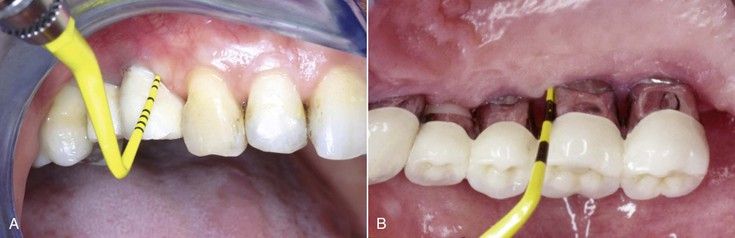
If our desire is to keep implants for a lifetime of the patient, it is important for the dental hygienist to understand the morphology of the peri-implant mucosa, the attachment between the mucosa and the titanium implant. This area comprises the junctional epithelium, about 2 mm high, and the connective tissue zone of greater than or equal to 1 mm in height. This is the zone that protects the osseointegrated surface from environmental factors, such as plaque in the oral cavity.

It is this zone where the health and longevity of a dental implant is imperative and it is a major role for dental hygienists is to maintain dental implants.

Dental Implants

Dental Implant Maintenance

An important role of the hygienist is to assess if their patient as a potential implant candidate. Many people know about dental implants but choose not to inquire about them and they choose not to consider them for tooth replacement.

It is the open-ended questions, a smile evaluation and communication with a potential implant patient will begin a foundation for case acceptance of dental implants. When you allow the patient to complete a smile evaluation, you allow the patient to be the one asking about the area where a tooth is missing.

Allowing your patient to be the one inquiring about treatment will put them in the drivers seat and you are only there to offer answers to the area the patient has checked off in their smile evaluation that the are not 100% satisfied with.

You can now lead this conversation into a discussion about the consequences of not having an implant. You now have an opportunity to discuss why  implant therapy a good option for a particular patient.

Continuing with your conversation you may talk about adjunctive or alternative forms of therapy/treatment that can be utilized.

It is very important for all the auxiliaries to understand why implants work, how well they work, and everyone on the dental team must understand all aspects of implant care so communications and explanations to the patient, that based on the doctor’s diagnosis, is a seamless process. This means that you have had role-play sessions as a team about “what to say,” “Who are the patients that doctor considers a good implant candidate, etc.”

When your patient accepts treatment, it’s the hygienist who will be responsible for educating the patient about oral care during the surgical and prosthetic phases of treatment. It is important for all the clinicians to understand the surgical treatment your patient will undergo and the types of restorations that will be placed. It is imperative that you recommend the appropriate oral hygiene techniques during healing phases.

Clinical hygiene and routine home-care procedures need to be effective but non-invasive so the healing tissues are not disturbed. It is also important for the patient to be aware that gentle debridement will only be effective while tissues are healing. Once healing and restoration are complete, a new hygiene routine will need to be established, learned, and complied with.

It crucial for the hygienist to educate their patients about the need for routine, maintenance. This is not an option if the patient has a desire to keep their implants for the rest of their life. Explain to your patient what can happen when their implants are not properly cared for at home and maintained by their dental hygienist.

Debbie Seidel-Bittke, RDH, BS One of Dentistry Today's Top Consultants

Debbie Seidel-Bittke, RDH, BS One of Dentistry Today’s Top Consultants

 ABOUT DEBBIE SEIDEL-BITTKE, RDH, BS

Debbie Seidel-Bittke, RDH, BS is a dental consultant, coach, speaker and author. She is also CEO of Dental Hygiene Solutions, powered by Dental Practice Solutions. Debbie is a world-class leader in creating profitable hygiene departments. She is well-known as a former clinical assistant professor at USC in Los Angeles and a former hygiene department program director. Dentistry Today recognizes Debbie as a Leader in Dental Consulting. She can be reached at (888) 816-1511. Send an e-mail to info@dentalpracticesolutions.com or go to her website: https://dentalpracticesolutions.com

Be sure to check out the live CE Events for FUN, Educational learning and AGD CE Credits.

Posted in Dental, Dental Hygiene Adjunctive Serivices, Practice Management Consulting, Treatment Planning

Return to Your Training Vault

Contact Info

  • 15508 W. Bell Road Suite 101 PMB 431, Surprise, AZ 85374
  • (623) 252-1941
  • admin@dentalpracticesolutions.com

Office Hours

  • Mon-Thu 8:00am - 5:00pm PST
  • Friday 8:00am - 2:00pm PST

Useful Links

  • Home
  • About
  • Sitemap
  • Terms of Use
  • Privacy Policy

Recent PR

  • PrestoSmile® and Dental Practice
  • Dental Practice Solutions - Debbie Bittke
  • Dental Practice Solutions - Debbie Bittke
  • Dentistry Leaders
Copyright 2026 Dental Practice Solutions

    Input this code: captcha

    captcha

    • Home
    • About
      ▲
      • About Us
      • Testimonials
      • Videos
    • Services
      ▲
      • Hire a Dental Hygienist
      • Dental Hygiene MAX Course
      • 6-Month Dental Hygiene Department Optimization
      • 12- Month Dental Hygiene Department Training
      • Dental Hygiene Department / Team Workshop
    • E-Learning
      ▲
      • Free Resources
        ▲
        • BOOST CASE ACCEPTANCE eBook
        • Treating the Gingivitis Patient
      • More Courses
        ▲
        • Oral Inflammation and Systemic Vitality
        • Properly Sequence Hygiene Appointments
        • Alzheimer’s Disease Prevention.
    • Webinar
      ▲
      • Current Webinar
      • Power Hour March 15 2024
    • Blog
      ▲
      • Podcasts
    • Contact Us

    Schedule your free coaching call here client login

    (888) 816-1511

    Introduction to Orientation Video Part 1