Dental Practice Solutions
Schedule My Opportunity Call Call us now (623) 252-1941 Client login
  • Home
  • About
    • About Us
    • Testimonials
    • Videos
  • Services
    • Hire a Dental Hygienist
    • Dental Hygiene MAX Course
    • 6-Month Dental Hygiene Department Optimization
    • 12- Month Dental Hygiene Department Training
    • Dental Hygiene Department / Team Workshop
  • E-Learning
    • Free Resources
      • BOOST CASE ACCEPTANCE eBook
      • Treating the Gingivitis Patient
    • More Courses
      • Oral Inflammation and Systemic Vitality
      • Properly Sequence Hygiene Appointments
      • Alzheimer’s Disease Prevention.
  • Webinar
    • Current Webinar
    • Power Hour March 15 2024
  • Blog
    • Podcasts
  • Contact Us

Exploring the Essence of Complete Health Dentistry

By: Debbie Seidel-Bittke, RDH, BS

February 7, 2024

Complete Health Dentistry, though often under the radar, is one way to grow new patient appointments for your dental practice. Patients who understand you are treating their total health and not just a tooth are most likely to feel a sense of urgency when scheduling for dental care. These are the patients who have a strong commitment to their dentist.

Patients who embrace Complete Health Dentistry choose a specific dental office because they understand these dental professionals (Dentist- owner and the entire team) are in the business of helping them live a longer and healthier life!

Today’s dentistry must include the patients’ total health. Dentistry in our world today intertwines oral health with holistic well-being, transcending the mere treatment of teeth to encompass our patients’ total well-being.

Complete Health Dentistry embodies robust dental care with an all-inclusive approach to patient care. It transcends mere cavity checks and cleaning teeth to delve into lifestyle factors like systemic diseass, medications, supplements, nutrition, sleep patterns, and stress levels, etc, etc. Dentistry has moved from treating a tooth and “cleaning teeth” to a whole body approach.

This holistic approach goes beyond the routine dental appointment. For example when a patient presents with gingivitis, discussions extend beyond brushing techniques to encompass medications, health – disase history, family history, dietary habits, hydration levels, and stress-induced acidity. The patients appointment will include a discussion about systemic diseases associated with oral inflammation. These patients who seek Complete Health Dentistry, understand the consequences of untreated oral inflammation and disease.

The Complete Health Dentistry paradigm shift redefines the dentist-patient and dental hygienist-patient interaction, starting from the initial consultation, medical history review, a list of medications, systemic disease, heart attack, stroke, Crohns disease, etc. Today’s dentistry is about understanding the patients total health. Treatment diagnosis, recommendations, and specific products, all align with the patients total health.

Complete Health Dentistry includes evaluating saliva acidity, pH levels, and microbial analysis under the microscope. These are services and assessments crucial for understanding oral-systemic health connections.

Patient education plays a pivotal role in this paradigm. By elucidating how oral health influences systemic well-being, dental professionals empower patients to make informed choices. Discussions on how oral bacteria affect our systemic health, coupled with microscopic insights, foster patient engagement and accountability. In today’s world of dentistry we talk to our patients about inflammation and how oral inflammation can lead to other systemic diseases. We are treating the patients total health not just a tooth.

We explain oral inflammation in a way that helps our patient “own their disease” and want what they need.

Communication of health-related information and inspiring behavior change reinforces this partnership with our patients. Patients who understand this complete health module will heed our advise, make behavior changes and or maintain health journals, fostering a proactive approach to wellness. In this sense, dentists and dental hygienists transform into complete health coaches.

The choice of dental materials is pivotal. The importance of biocompatibility, considering patients’ varying sensitivities becomes paramount. Understanding our patients sensitivities to specific ingredients will guide our selection of the dental materials we use when treating our patients. Post-procedure following these protocols provides a more holistic approach that supports each patient’s individual health needs.

As a dental hygienist, I understand that many patients have a specific sensitivity to Sodium Lauryl Sulfate. In this situation I have a list of recommended home care products that do not have this ingredient.

Among biocompatible composites, VOCO’s Admira Fusion emerges as a favored choice, backed by extensive patient testing. Its compatibility with diverse patient profiles makes it a reliable option. Using a product with hydroxyapatite or xylitol versus sodium fluoride for caries prevention can be beneficial to your patients and supports many of your patients needs and desires.1, 2

Beyond clinical excellence, Complete Health Dentistry serves as a practice catalyst. Patients appreciate the personalized care and holistic approach, fostering loyalty and positive referrals. Moreover, collaboration with medical professionals enhances patient care and boosts professional satisfaction, enriching the dental practice ecosystem. Elevated patient care leads to happy patients. Happy patients usually renders a thriving practice

In essence, Complete Health Dentistry heralds a new era in dental care, where oral health intertwines seamlessly with overall well-being, empowering patients to embrace a holistic approach to dental wellness.

References.

  1. https://www.ncbi.nlm.nih.gov/pmc/articles/PMC8641555/
  2. https://www.ncbi.nlm.nih.gov/pmc/articles/PMC8432723/

Register Here for the Biologic Dentistry webinar and February 29, 2024 and learn more about this interesting topic.

Posted in CARIES RISK, Dental, Dental Hygiene Patients, Dental Hygiene Services, Dental Patient, flouride, Oral Systemic Link

LED Red Light & Dental Lasers Used for Canker Sores

By: Debbie Seidel-Bittke, RDH, BS

April 8, 2022

Laser for Canker Sores. Soft Tissue laser to prevent canker sores. Dental Office Treatment of Canker Sores.
Dental Office Treatment of Cancer Sores.

Cold sores are not pretty to look at.

They are uncomfortable, painful, embarrassing, and hard to get rid of.

There are ways to help our dental patients alleviate these unsightly sores and prevent the pain from cancer sores.

Let’s take a deeper look at the cause of these ugly mouth sores and how dental professionals can be an advocate for treatment and prevention.

What is a Canker Sore?

  1. Canker sores are a common viral infection

A cold sore is a group of tiny, painful blisters caused by the herpes simplex virus (HSV). They’re also called fever blisters or herpes simplex labialis.

Up to 90% of people around the world experience at least one form of HSV.Dental professionals and especially dental hygienists are great advocates for their patients.

Patients see their dental hygienist routinely and dental professionals review medical histories. We are great messengers to educate or patients in prevention of canker sores and a lot more!

What causes Canker Sores?

Below is a list of triggers for these awful outbreaks:

  • Stress
  • Fatigue.
  • Overexposure to the sun
  • Exposure to cold temperatures
  • Upper respiratory infections and fever
  • Dental services: gum treatment, fillings, etc.
  • HPV
  • Hormonal changes
  • Compromised immune system
  • Certain foods: acidic foods, certain fruit, and chocolate

Prevention

When we see a medical history and the patient documents frequent cold sores, canker sores and herpetic lesions, we can now advise our patient about ways to help prevent these ugly, painful, mouth sores.

Below is a list of recommendations we can make for our patients who do suffer from canker sores:

  • Antiviral medications such as valacyclovir (Valtrex) or acyclovir (Zovirax).
  • Lysine, an essential amino acid is found in protein. It isn’t produced in your body, so you must consume it through an oral supplement or diet.

Common foods rich in lysine include:

  • beef
  • chicken
  • turkey
  • pork
  • codfish
  • sardines
  • eggs
  • yogurt
  • parmesan cheese
  • spirulina
  • soybeans

Lysine is essential for our health; it helps with calcium absorption and collagen formation. Many people many not consume enough lysine in their diet. Athletes and/ or vegans may need to consume more.

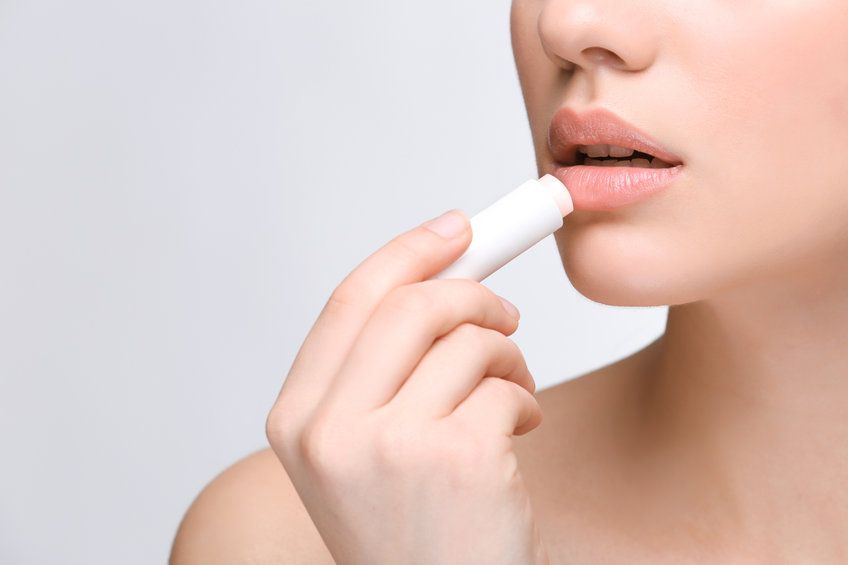
Lemon Lip Balm for Prevention of Canker Sores. How to prevent canker sores.
Lemon Lip Balm for Prevention of Canker Sores.
  • Lemon Balm

The antiviral properties of lemon balm, also known as Melissa officinalis, may help reduce the redness or discoloration and swelling associated with a blister, or protect against future infections — at least according to a 1994 study.

Use a lip balm with at least 1 percent lemon balm. Or, as an alternative, a compress made of a lemon balm infusion (tea) may provide similar benefits.

  • Avoid acidic foods such as citrus fruits and even an abundance or frequent chocolate
  • Red LED Light Therapy

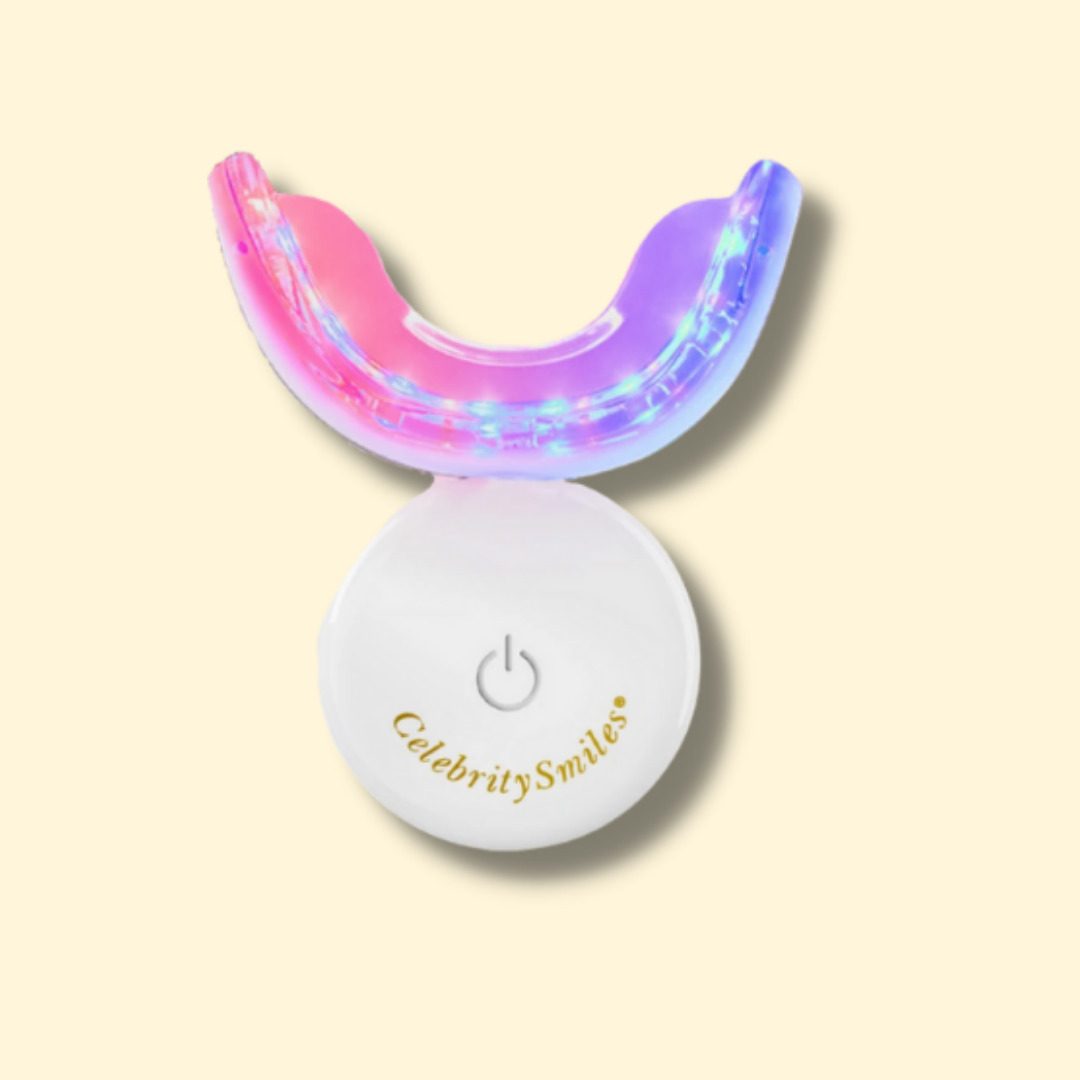
Hint: Celebrity Smiles LED Red Light can be helpful! Keep reading to discover how. You can help your patients with this simple preventive technology.

  • Wash your hands often and don’t rub your eyes
  • Replace your toothbrush often
  • Don’t kiss someone who has a cold sore or use that person’s utensils, towels, or razors
  • Apply sunscreen to your face and lips before prolonged exposure to the sun
  • Replace your lipstick or lip balm often
  • How to Recognize a Cold Sore Outbreak

If your patient had chicken pox, a herpes virus, or anything similar, they are always at risk for these unsightly sores.

Let’s help our patients recognize the stages of a cold sore and help them put a halt to the progression of these unsightly sores.

Below is a list of what to look for when a cold sore is beginning:

Tingling

Tingling is the first sign of a cold sore and we can educate our patients that this is the most important time to do all that they can to prevent the unsightly sore.

This is the best time for your patients to call your office and on that day they come to your office for a very short appointment and doctor or a laser certified hygienist can use a soft-tissue, diode laser to ZAP the early stages of this canker sore.

Many offices when introducing the soft-tissue laser for prevention of a full-blown-ugly cancer sore educate their patients to call immediate and come in that day for a quick appointment to ZAP the red area that will soon be a canker sore.

You will find that doing this (in the beginning) at no-cost to your patients is a great practice builder!

If you do decide to charge for the ZAP of a cancer sore, the soft-tissue, diode laser does need to be completed at the first signs of a cancer sore and it takes maybe 15 minutes in your office to ZAP the canker sore.

The charge will be minimal and it’s recommended you charge less than $60. Many offices charge approximately $20-30 for a quick ZAP.

It truly is a great marketing tool and helps your patients out in a big say!

Also, recommend your patient use an anti-viral cream such as Abreva. This cream will need to be reapplied frequently and will cost almost as much as the laser treatment at a dental office.

The ZAP of your laser plus the addition of an anti-viral cream makes a big difference in the beginning stages of a canker sore outbreak.

People with Crohns Disease, auto-immune diseases, patients undergoing chemotherapy are known to constantly deal with cold sores so let all your patients know you can easily help them at the first sign of a canker sore.

Your patients will be your raving fans!

Blisters

One stage of cold sores is the blistering stage.

Blisters occur from day two to four of the canker sore outbreak.

These blisters can fill with fluids to make the skin around it swollen and red. Blisters can occur inside the cheeks, nose, and lips, as well as the soft tissues inside your mouth and even your tongue.

The reason for blisters occur is because the immune system is working hard to heal the virus. During this stage, you want to continue using an anti-viral topical cream.

Educate your patients to now squeeze these blisters. Touching and squeezing the blisters will cause transmission of the virus, it will exacerbate the sores and can slow down the healing time.

Oozing

Oozing occurs about day 4-5 of the canker sore outbreak.

This is when the cold sore is most contagious and painful. The blister can burst during this stage.

This can lead to a red round area of inflammation around the affected area.

Scabbing

Scabbing happens around days 5-8, This is when the canker sore dries out and a scab will form. The scabs can feel itchy, they can crack open and shrink.

Cracking will lead to the cold sore bleeding. Other symptoms that may occur include burning and itching.

Healing

Healing starts between days 8 to 10.

The time it takes to heal a canker sore depends on how bad the outbreak is and if you’re your patient began early preventive measures to halt the cold sore.

Canker Sores are Contagious

Oner reason a family of patients all experience cold sores is because they are contagious.

Parents who experience cold sores and kiss their babies are literally transferring the virus to their child.

It is also possible for the cold sore to spread if someone touches the cold sore and then touches another mucous membrane such as the mouth, eyes, or nose.

Cross contamination of the virus can occur when two people share some personal bathroom items, like a toothbrush, a razor or drinking from the same glass. These are all things that when shared with a person who has a cold sore they will spread the virus to another person.

LED Red Light For Prevention of Canker Sores

Conclusion

As dental professionals we are advocates for our patients. Prevention is key and as dental professionals we are armed with the tools to heal and even prevent these unsightly canker sores that many of our patient’s experience.

Dental Practice Solutions offers a Blue/Red LED Light to dental offices that not only helps BOOST whiter teeth but the red LED light has shown great results for people who have various mouth sores.

If patients wear the Red LED light mouthpiece for ten minutes, 2-3 times a week, they are less likely to experience mouth sores from canker sores, that are caused by a virus, chemotherapy, and auto-immune diseases.

Using a diode, soft-tissue laser to ZAP these ugly sores works well and your patients can leave with an LED Red Light to continue preventing a full outbreak of this ugly sore.

Studies have shown that phototherapy, either by LASER and/or LED, is an effective therapeutic modality to promote healing of skin wounds. 

Check out our reseller page to order this wholesale LED Light and help your patients prevent canker sores. This RED LED light helps heal oral inflammation, soreness after dental treatment, dental sores, etc. The LED Light mouthpiece can also BOOST whiter teeth.

Find out how to use this in your dental office here.

Take your hygiene department to the next level. Enroll in our course.

Posted in Dental, Dental Hygiene Adjunctive Serivices, Dental Hygiene Appointment, Dental Patient, DENTAL PATIENT CASE ACCEPTANCE, Dental Services

Overcoming Overwhelm In The Dental Office

By: admin

May 21, 2019

Do you feel like you have too much to do and so little time to do it?

If you said YES, to this question, you are not alone.

I am hearing dental professionals around the world say they feel overwhelmed and they say they can’t complete it all!

I decided to attack this complaint head-on. I am on a mission to help you do more in less time.

Let’s strategize ways to overcoming overwhelm in the dental office.


24 Hours in a Day

We all have the same 24 hours in a day. This is something that we can’t change.


What we can change is how we look at MORE.

There will always be more.

There will be more holes in your schedule.

OUCH!

More holes in your schedule is NOT a good type of more.

There will always be more insurance claims to submit.

There will be more calculus to remove on people’s teeth.

Instead of looking at more as a negative, let’s flip this and look at more as a good thing.

More new patients. That is good; right?!

More calculus to scale?

Another good thing; right?

This means you have a J O B.

How many emails do you have to read each day?

How many voice messages did you listen to today?

How many text messages will you read today?

It feels a bit stressful to look down at your cell phone and see ten text messages and then we have those voice messages! This adds to more time away from doing something else you probably enjoy MORE of.

There is something MORE you would rather do than these type of tasks.

BTW: I decided to not delete my voice messages last week because I felt overwhelmed with all the messages. I thought, if this is an important call, this person can text or email me.

And yes, one person could not leave an important message because my voice mailbox was full. So guess what?!

This person emailed me. Then when I had a few minutes, I emailed them back.

180 Degree Shift

Let’s shift this negativity around MORE into MORE as a good thing.

How about if we now focus on:

More money.

More friends.

More hours of work because this means more production.

More production means a great chance of paying the bills for the dental practice, more money to share with the team, more money to buy new equipment.

The Plan To Overcome Overwhelm


  1. Feel Gratitude


  • Each day take just three to five minutes and write three things that you are grateful for.
  • Write down the first three things that come to mind.
  • After you start to do this daily, your gratitude will come very easily.

I write silly things down that I am grateful for. Things like my electric toothbrush, my sweet dog and loving cat.

When you focus on the positive and especially before you go to bed, there is a shift in your thoughts.

Negative thoughts more easily turn to positive thoughts.

  1. Every 90 Days, Write A List Of What You Have Accomplished


Look back ninety days and think about what you have accomplished since that day ninety days ago.

If you can’t think back that far then get your calendar and go to ninety days from today. Mark today’s date on the calendar ninety days away.

Now when you get to that date on your calendar you can think back to today and know how much you have accomplished.

You have come a long way in ninety days. This is turning LESS into MORE.

There is always MORE to be grateful for.

  1. Volunteer, Give Back


Now this may sound counter-intuitive but when you have the opportunity to help people who don’t have as much as you, there is a natural shift into what you feel grateful for.

If you are able to read this, I know that you are in the top 10% of the population in this world!

I would love to know if this has helped you to overcome the overwhelm.

I get it!

I understand how much we have to do in a dental office and in life, in general.

Let’s create solutions to overcome the overwhelm.

Let me know by commenting below, if this has helped you to overcome the overwhelm.


ABOUT THE AUTHOR

Debbie Seidel-Bittke


 DEBBIE SEDIEL-BITTKE, RDH, BS

Debbie founded Dental Practice Solutions in 2000. She speaks at dental conferences throughout the world and also coaches and consults with dental practices worldwide.

The team at Dental Practice Solutions takes a holistic approach working with each dental practice. Debbie understands how to quickly tap into productivity of the dental hygiene department to optimize systems with the entire team, showing everyone how to work smarter and not work so hard.


Thinking about taking your dental practice to the next level?

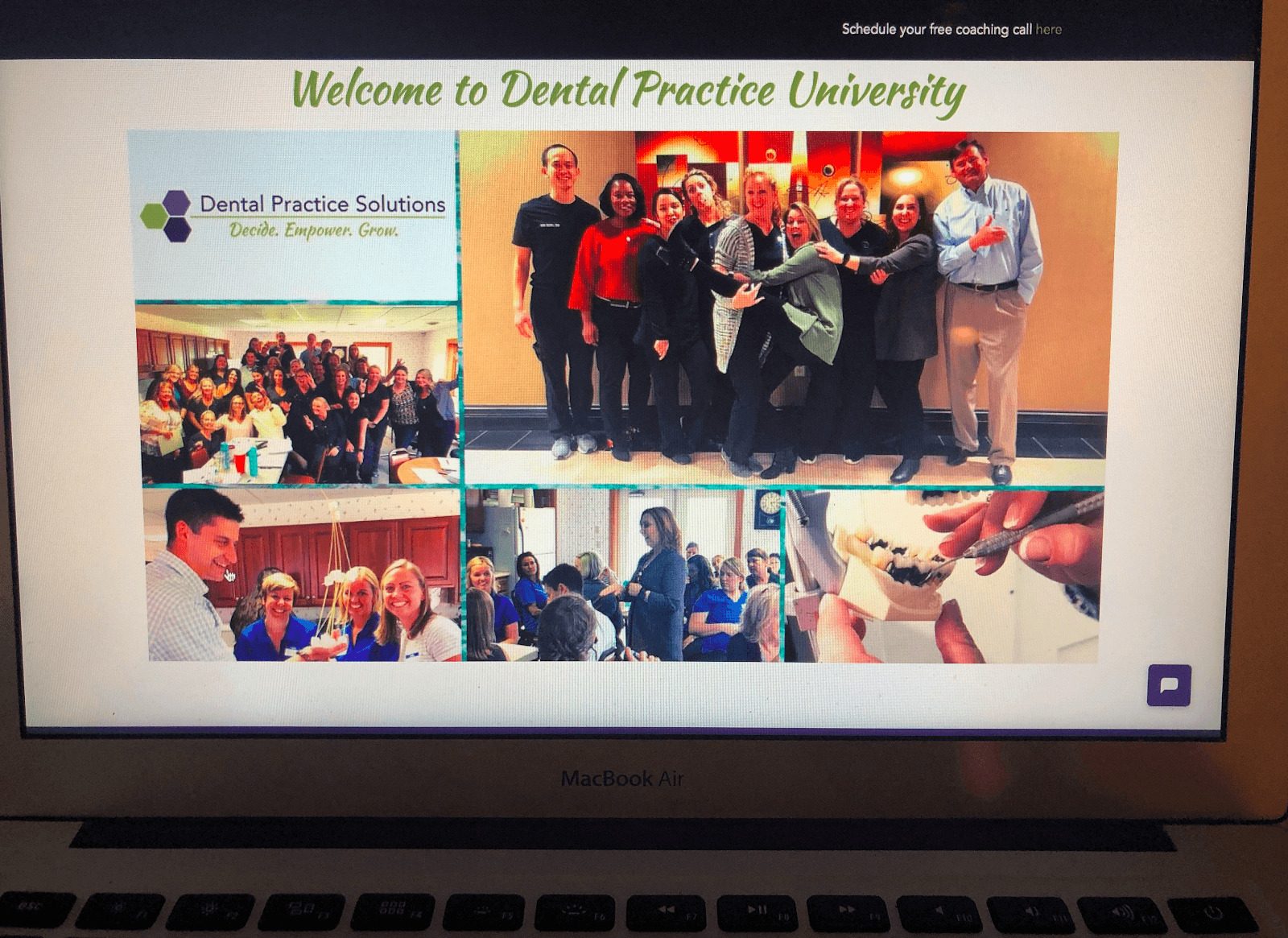
We are looking for a few dental offices to beta-test our Dental Practice University training.

The training has video modules for the doctor, front office, dental hygienists and the entire team. There are scripts, forms and written processes.

You get information about Creating your culture, vision, team huddles that creat big productivity, hygiene video trainings on time management, treating the gingivitis and periodontal patient, CAMBRA, Lasers, phone skills, time management for the front office, handling cancellation calls, reactivating overdue patients, treatment planning, case acceptance, presenting financial arrangements, etc, etc.

There is a lot of training you receive over the next year. There will be hundreds of training video modules. You will also receive 24 AGD CE Credits for participating.

As a beta-tester, you pay nothing. We do ask that you provide feedback and give your opinion and ways to improve the University trainings.

To learn more about the University and to see if your dental team qualifies to be a beta-tester please TEXT: DPU to: 949-351-8741. Please text us: your name, your office name, your best email address and phone number. We will schedule 15 minutes to share more and let you know what we need from you and your team should you be chosen as beta-testers.


Posted in Dental Services

Caries Risk: Fluoride Risk and Benefits

By: admin

May 7, 2019

This is about the “F” word. I say the “F” word because there is so much controversy around the use of fluoride. Very few dental materials have created this strong of a controversy. Much of this controversy is about fluoridated water.


This blog will talk about caries risk: Fluoride risk and benefits. Part II will be posted next week and it will cover the various caries prevention products.

Questioning isn’t wrong; good research should always stand up to scrutiny or be dismissed when discovered to have incorrect, unprovable, or unreproducible data. The public is asking questions and we must provide best answers.

Water fluoridation began about 60 years ago as an experiment and the purpose were to find out if it would reduce the amount of tooth decay.

In 1959 the study concluded that fluoride in the water reduced caries in children by 55.5%.

The CDC has stated that, “Fluoride is safe and effective in preventing and controlling dental caries when used appropriately.” The American Dental Association (ADA) endorsed water fluoridation as safe and effective in the 1950s and continues to champion the impressive results.

Many caries-risk assessment tools are available to help with the decision. The ADA offers several resources to help clinicians decide how to balance the fluorosis negatives of fluoride with the anticaries positives. They advocate frequent caries risk assessment along with analysis of overall fluoride source intake. Printable caries-risk assessment forms are available online from the ADA, AAPD, and other professional and commercial websites.
Nonfluoride therapies

Nonfluoride therapies include oral xylitol and topical chlorhexidine products. Reducing sugar consumption and placing sealants are known to be the best adjunctive services to prevent tooth decay.

The ADA Journal has printed the research on Caries Assessment by Risk Management with protocols and a wealth of information to help educate our patients and this provides information to provide our patients with the best possible care.

The journal can be accessed here.

The Caries Risk Assessment Coalition meeting frequently to collaborate on the latest research on caries and the prevention of tooth decay.

The Caries Risk Assessment Tool (CRA) is also updated frequently. This is a tool that every dental practice should use to educate their patients about their risk for caries.

The most recent ADA Journal reports that an instituted early-caries-management program includes a family meeting with a registered hygienist for 30 minutes. The dental hygienist will complete a screen and provide education which includes nutrition counseling, a toothbrush prophylaxis and a fluoride varnish application.

For the past 21 years of CAMBRA existence, there is an overwhelming evidence due to the CRA tool that results in an accurate assessment of caries risk.

This also supports the creation of effective and individualized caries management plans.

To access the CRA forms please view this CDA CAMBRA Guide by the CDA Foundation and view pages 19 and 20.


BIOLOGICAL AND ENVIRONMENTAL FACTORS

Biological risk factors contribute directly to the initiation or progression of dental caries. They include an assessment of cariogenic bacteria and fermentable carbohydrates, the two required conditions for dental caries.

Additional factors such as frequency of ingestion of fermentable carbohydrates and salivary-reducing medications have been established as important.

The following are the risk factors utilized in the updated CRA form.


1. Frequent snacking on fermentable carbohydrates at least three times daily outside of meal times.

Frequent carbohydrate intake results in a prolonged acidic environment in the plaque that dissolves the tooth mineral and can act as a driving force to reinforce the overgrowth of cariogenic bacteria and the suppression of oral commensal (beneficial) bacteria, leading to future caries development.

Fermentable carbohydrates such as sucrose, fructose (high-fructose corn syrup), glucose and cooked starch are included. Fruit juice (e.g., apple juice) is an important but often overlooked source of fermentable carbohydrates among young children.

2. Use of bottle or non-spill cup containing liquids other than water or milk.

This provides a continuous ingestion of carbohydrates, such as from fruit juices, that leads to a continual acid environment in the plaque. It should be stressed that the use of milk in a bottle overnight and nursing on demand in the presence of cariogenic bacteria provide a prolonged acid challenge that increases the risk for caries and should be strongly discouraged.

3. Mother/primary caregiver or sibling has current decay or a recent history of decay.

Presence of recent decay indicates they have high levels of cariogenic bacteria, especially mutans streptococci (MS), which can be transmitted to the child. Early colonization of MS by age 3 will increase the child’s risk for developing caries.

Current or recent decay in the parent or caregiver is an important indicator of potential high caries risk for the child. This becomes more important in infants with few teeth present, where signs of additional risk factors are not yet evident and is supported by the strong correlation found in numerous studies.

4. Family has low socioeconomic/ health literacy status.

Low socioeconomic status cannot usually be changed and is not a biological contributor to the caries process. However, as a social determinant of health for many other diseases, it is one of several statistically significant factors associated with high caries risk.

Practitioners should account for a challenging family socioeconomic context in formulating a personalized caries management plan. Similarly, low health literacy is not a biological risk factor, but it is often associated with socioeconomic levels and contributes to increased risk of disease. Importantly, it is possible to educate the parent/primary caregiver regarding caries and caries prevention.

5. Use of medications that induce hyposalivation.

Hyposalivation is a side effect of some of the most commonly prescribed medications, such as those used to treat allergies, asthma, mental disorders and cancer. The risk of dry mouth increases with the number of medications prescribed.


PROTECTIVE FACTORS

Protective factors are environmental factors or chemical therapy that help to swing the caries balance to caries prevention or reversal. The factors included in the newly proposed CRA form are:

1. Lives in a fluoridated drinking water area.

2. Drinks fluoridated water.

The beneficial effect of drinking fluoridated water is well established.

3. Uses a fluoride-containing toothpaste at least twice daily.

The beneficial effect of brushing with fluoridated toothpaste has been well established in numerous clinical trials and is a major factor in reductions in caries over recent decades. The American Academy of Pediatric Dentistry (AAPD) recommends the use of a smear of fluoride toothpaste for ages 0 to 2 years and a pea-sized application for ages 3 to 6 years. For children aged 0 to 6 years, it is recommended that the parent/caregiver brushes the child’s teeth or supervises toothbrushing twice a day. Parent-supervised toothbrushing with fluoride toothpaste at least twice daily provides considerable added benefit greater than once daily.

4. Has had FV applied in the last six months.

The caries-reducing benefit of FV is well established, including when used in young children.

Note: Xylitol use by the caregiver is no longer listed as a protective factor in this revised CRA version
as the evidence of its antimicrobial effects to achieve caries prevention is limited for adults or children.

CONTINUATION


Next week’s blog will continue on this topic, but I will outline some of the products to prevent caries.

REFERENCES

https://www.cda.org/Portals/0/journal/journal_012019.pdf

Information accessed on May 6, 2019


Debbie Seidel-Bittke

ABOUT DEBBIE SEDIEL-BITTKE, RDH, BS

Debbie Seidel-Bittke, RDH, BS is founder and CEO of Dental Practice Solutions. Debbie is also a former dental hygiene program director. Her expertise is optimizing the hygiene department by taking a total team approach; including the doctor as the leader.


Our Dental Practice University will launch for dentists and their team on June 6, 2019.

We are looking for ten offices to test drive (Beta-test) the university. The university has training video modules, forms and scripts for each department in your dental practice.

*For our beta-testers this includes modules for the doctor(s) about creating a culture to have a lot of new patients, keep your dental team the life-time of your dental practice, as well as re-create or create your vision and mission. Doctors receive a 90-Day goal setting journal.

The hygienists have their own training video modules that cover time management, caries risk, treating the gingivitis and perio patient.

The front office has video modules on phone calls, new patient calls, we provide job descriptions and a lot of information for hiring and keeping employees long-term.

You receive 24 AGD CE Credits. Once the University is open to all dental practices around the world, it will be FREE for the first 2 weeks and then $97.00 a month indefinitely. It includes AGD CE Credits for up to 2 employees each month. Additional employees can register and get the AGD CE Credits for $20/month.

If you would like to test drive the University over the next year, we do have a few requirements. Please text our office: 949-3551-8741 AND write DPU.

You must include: YOUR NAME, YOUR DENTAL PRACTICE NAME, BEST PHONE NUMBER and EMAIL.
Once we receive this we will get back to you to discuss if you qualify for the “test drive” to Beta Test the Dental Practice University.

P.S. If you are chosen to test drive the DPU, two of your team members will receive the 24 AGD CE Credits.*


Posted in CARIES RISK

Dental Hygienists, What Does Your Cheat Sheet Have on It?

By: admin

October 16, 2018

Dental Hygienists have so many tasks to complete every day at the office and with every patient they see. My question is this, Dental Hygienists, what does your cheat sheet have on it?

As our team of consultants works with dental teams and dental hygienists around the world what we notice is that important tasks, valuable parts of a dental hygiene appointment go “untouched.”

Here are some examples:

• Patient rapport

Patients are greeted but immediately seated in the dental chair. A patient bib goes on and back they recline in the dental chair.

How do you connect or reconnect with your patient in your chair?
What do you know makes your patient feel like they are more than a tooth and more than a way for doctor to pay for their next vacation?

A quick reconnect or connection with your patient means a lot and it takes about 2 minutes, maximum.

Ideas for quick rapport building are:

Patients of record
• How is your son doing at University of ABC?
• Did you see that new movie 123ABC?
• Are you planning any new vacations?

New Patients
• I see you are new to ABC City, what brings you to ABC City?
• Looks like you work for Amazon, what do you enjoy most about working there?

When speaking to a new patient use ice-breaker type of questions as listed above. Make the conversations light-hearted and easy-to-answer.

The Most Valuable Cheat Sheet

After you have seated and greeted your patients, you have a lot of task and services to complete so what type of cheat sheets do you have available in your treatment room to remember everything you need to do during your dental hygiene appointment?

We have created laminated cheat sheets for the dental hygiene teams we work with.

Please contact our office for your own cheat sheet and you can laminate to use during your day with patients.

One cheat sheet we have found hygienists like is the Comprehensive Periodontal Exam. Many hygienists we meet do not know all eight areas to annually evaluate to determine if your patient has a healthy mouth, active disease or gingivitis.

The areas listed on the Comprehensive Periodontal Exam Cheat Sheet are:

1. Six-point pocket depths
2. Recession
3. Mobility
4. Furcation
5. BOP (Bleeding upon probing)
6. Mucogingival Involvement
7. Suppuration/Pus
8. Occlusal Issues

Another Valuable Cheat Sheet Lists “Areas a Dental Hygienist Needs to Report on During the Doctor/Hygiene Exam.”

We teach a specific system for all team members to transition (Dismiss) a patient from back office to the front office. This is a five-step program.

Let us know if you use a “Cheat Sheet” and if you believe this can be helpful to your team, please email us to share some of our cheat sheets with you and your team.

Need help implementing these areas in your dental practice? Do you have a system to support each of these areas listed above?

We can help! Contact us today to find out how we can help create these systems and find out how to Implement the systems that create success without working so hard.

About the Author

Debbie Seidel-Bittke, RDH, BS is founder and CEO of Dental Practice Solutions. She is also a former dental hygiene program director. Her expertise is optimizing the hygiene department by taking a total team approach; including the doctor as the leader.

Dental Practice Solutions is able to support your dental practice with supporting your front office admin skills, insurance billing, reimbursement as well as credentialing and increasing your PPO fees.
Schedule your no-cost Profit Boosting Session Here Today. You can also call our office to schedule: 949-35-8741 or email.

Posted in Blog, Dental Services, Treatment Planning

Dental Consulting | When Do We Begin Screening for Gum Disease?

By: admin

July 19, 2018

Dental Coach Oregon

Written by: Debbie Seidel-Bittke, RDH, BS, CEO

One of the big controversies working with dental hygienists is “When do we begin screening for gum disease?

It is a common question and each office we work with has a different answer.

What is the correct answer to this question?


In 2011, the American Academy of Periodontology published the Comprehensive Periodontal Therapy Statement, which recommends that all adults receive an annual comprehensive evaluation of their periodontal health.

The periodontal exam begins for all adults.


Who is considered an adult?

As a former dental assistant and then clinical dental hygienist, I have learned from experience, over years seeing teens and watching them grow to be mature adults, that periodontal disease begins at a very young age.

The description of adult for a dental patient begins when the patient has all twenty-eight of their adult dentition. This is the best time to begin screening for gum disease.

The conversation about gum health should begin with a patient at a very young age. You may notice that during orthodontic treatment, young patients have gingivitis. This is a great time to begin treatment for gingivitis and this conversation about the benefits of oral health.

Start educating your patients about gum health at a young age.

As dental professionals, our goal needs to be not only optimal oral health but optimal health. We are in a great position to help our patients understand that a healthy mouth can lead to a longer and healthier life. This needs to be our overarching message as a dental healthcare provider.

What does a periodontal comprehensive exam include?

The American Academy of Periodontology has a checklist that you can download. You can download this checklist here.

Your periodontal exam will begin with an overview of the patients’ total health. This will include recent surgeries, medications; herbs are included with medications because some herbs will cause more bleeding.

Here is a list of medications and herbs that may cause more bleeding then expected during a hygiene appointment or dental procedure.

What do we say when the CPE is not a good report for the patient?

It is very helpful when the clinician providing the CPE explains what is happening before they lie the patient back in the chair.

Next week I will walk you through the process on exactly what you should say before you begin the screening.

If you can explain what you are about to do for example, “I am going to use this ruler to take some measurements and these numbers mean X, Y & Z. When I am finished calling out these numbers, I will ask you “What is the highest and what is the lowest number you hear me call?”

When you explain this to your patients before you begin your screening, you will notice that patients tell you they have disease before you ask them what numbers they heard called out.


Your message

In conclusion, our goal is to help our patients live a longer and heathier life. When your patient has gingivitis, periodontitis or any type of infection in their mouth, it is a chance to sit with your patient and talk about the mouth-body connection.

We are in the business of helping people live a longer and healthier life.

When this is your message, you will have patients who schedule and pay for treatment. When this is your message you will have a dental practice of patients who return for routine care. This message shows how much you really care!

For more information about treating the patient with gingivitis and/or periodontitis download our free resource with a Hygiene Patient Flow Chart.

ABOUT THE AUTHOR

Debbie Seidel-Bittke, RDH, BS is a dental consultant, coach, speaker and author. She is also CEO of Dental Practice Solutions. Debbie is a world-class leader in creating profitable hygiene departments. She is well-known as a former clinical assistant professor at USC in Los Angeles and a former hygiene department program director. Dentistry Today recognizes Debbie as a Leader in Dental Consulting. She can be reached at (888) 816-1511. Send an e-mail to info@dentalpracticesolutions.com or go to her website: https://dentalpracticesolutions.com


Does your dental practice run your life? If you want to change the way you currently live your life in our world of dentistry check out our Live CE Event

Dentistry: Get a Grip on Your Practice and Grow Your Business

September 21, 2018   6AGD Credits

Early-bird special until August 21, 2018.

$97 Tuition which includes Food all day, Your Customized Success Blueprint, Prizes valued at $50-1,500.00 plus 6 AGD Credits.

More Info Here Click Here.

Posted in Dental Services, Treatment Planning

How Do You Deliver Your Practice Culture to Your Patients?

By: admin

June 21, 2018

Written by: Debbie Seidel-Bittke, RDH, BS

A CRUCIAL ELEMENT of every successful dental practice is your culture.

  • What type of patients do you want to serve?
  • How do you want your patients to feel when they are in your office?

One of the first tasks we have our clients complete is to write down the type of culture they want for their dental office. We have a short template the doctors fill in the blanks, so we can “nail” their delivery of culture. We want to help our clients attract and retain their best patients. It also helps enjoy your day when your schedule is filled with patients who enjoy you and you enjoy having them in your chair.

The next step we take with our clients is to support the doctor; our client, to attract their ideal patient. What the office culture represents must be a part of everything the patients see, feel, hear, etc., etc. This must appeal to all of your patients’ senses. This feeling is the real reason why your patients will choose to return to your office.

Patients don’t truly know how great your clinical skills are. All they know is if you made them feel good or bad. And yes, they will remember if you hurt them.

If you want to be a family friendly office, how does your practice reflect this message?

If you want your office to feel like the Ritz Carlton, how do you deliver this message to your patients?

Make Your Culture Delivery A Priority for Your Practice

Many of our clients want to have a family friendly office and if this sounds like an example of what you want in your dental office here are a few suggestions to make your office feel family friendly.

You can also take these suggestions and tweak them to match your office culture:

1. Show off your family by inviting your employees to have pictures of their family around the office.

One of the doctors I worked for many years ago wanted to have a family friendly office. He also enjoyed photography. You can probably imagine what I am going to tell you about this doctor’s office. Yes, you guessed it! This doctor had a lot of beautiful pictures of his family throughout the walls of his office.

2. Make sure you invite the employees to have pictures of their family around the office. For example, in their operatory invite your employees to have pictures of their family, their pets, etc.

3. What type of reading materials do you have in your reception area?

Make sure you have family friendly reading materials for family members of every age.

4. What is playing on your tv if you have one in your reception area and in the operatories?

Make the viewing on your electronics: tv and music, family friendly. No obscenities or inappropriate language in the lyrics or messages/pictures on your TVs.

5. What are you giving patients as a “thank you for choosing our office?”

If this is a child or teenager, what do you hand out to them as a thank you? It is not only the parent you want to provide a “wow” experience for but the child or adolescent as well.

6. Be sure your schedule is blocked for those smaller children who need an early morning appointment and for school-aged children who need afterschool appointments.

We’re Here for You and Your Team!
We’re committed to providing you with almost everything you need to achieve your practice goals, whether you’re working to create a family-friendly environment for your patients or maybe you want to upgrade your hygiene department. If you have any questions about what more you could do in your practice, let us know in the comments below!

If we don’t provide something you need for success, we can direct you to the best expert.

We are here to serve you. Our team is growing so we can cover more of what your practice needs to be successful. Just ask us how we can support you and your dental practice. We can’t wait to hear from you!

Thank you for placing your trust in hiring us!

About the Author: Debbie Seidel-Bittke, RDH, BS

CEO: Dental Practice Solutions
DENTISTRY TODAY considers Debbie a top dental consultant for the past 18 yrs.


The focus of Dental Practice Solutions is to create healthier, longer lives for your patients while supporting the practice to optimize their hygiene department. The team at Dental Practice Solutions, takes an integrative approach with your team to create an increase in your production and collections without working harder.

When you continue to use the systems implemented, your dental practice will sustain growth for years to come.

Schedule a no-cost profit boosting call today and discover how you can be your best in 2018: Email to schedule a call with Debbie: admin@dentalpracticesolutions.com or Call our office to schedule this today: 949-351-8741.

Posted in Blog, Business, Case Acceptance, Dental, Dental Hygiene Patients, Dental Services, Practice Management Consulting, Uncategorized

Dental Consultant in Oregon | How To Deal With The Stress of Being A Dentist

By: admin

May 10, 2018

How To Deal With The Stress of Being A Dentist

Written by Dr. Rachel Hall

It is true – being a dentist is stressful. Most patients dislike coming and are themselves stressed or anxious and this often comes across as rudeness, aggression and irrational behaviour. No one seems to appreciate or understand how hard it is to fix a tooth when you are leaning over, ruining your posture and straining your eyes.

Dentist Various Types of Stress

Many patients do not want to take your advice and simply think they know best despite the level of knowledge, experience and expertise you have.

Many complain about the bill, blow things out of proportion, ask the same question over and over even though you spent forever explaining it and even drew them a picture. And why do the challenging patients all seem to be booked in on the busiest and most demanding of days?

Then there is constantly being pushed for time, dealing with the bickering and team dynamics and their inability to think or organise anything for themselves – which come on doctor you know you’ve had a hand in as you are so controlling and need to micro-manage everything!

Add to that the bills are overdue, stock needs ordering, cash flow is a drip feed and the most vital piece of equipment has just blown up and yes…. It’s not surprising you’re stressed!

What Dentists Were Never Prepared For

Dental school fails to prepare the fresh-faced young and eager dentist to cope with the pressures they will face once graduated and working in dental practice. Instead it puts you under enormous amounts of pressure to learn, to achieve, and to come up to standard, pass exams and see patients on clinic at the same time.

You learn not to complain, to suck it up because you have to be the one to make it work, pay the bills, make the patients happy. You hold it all inside and put your brave face on as you dare not show you are overwhelmed and not handling the workload.

We come to rely on coping mechanisms like sugar, caffeine, alcohol and even drug abuse to handle the demands of daily practice; demands that we vent at our staff, patients, families and friends and then beat ourselves up over. Is a downward spiral!

Eventually we get sick, develop musculoskeletal problems, anxiety and depression, become de-motivated, resent our job, our staff and our patients and suffer from professional burnout and a higher than average rate of divorce, drug and alcohol addiction and suicide.

The statistics speak for themselves; in a study from the British Dental Journal July 2004, 90% of dentists said they drank alcohol regularly (with 1 in 7 dentists having an alcohol problem), 10% smoked and 35% were overweight. 62% suffered from heartburn, wind or indigestion, 60% reported being nervy, tense or depressed, 58% reported headache, 48% reported difficulty in sleeping and 48% reported feeling tired for no apparent reason.

Results also indicated that levels of minor psychiatric symptoms were high at 32%, similar to doctors at 27% and higher than the general population, which has been reported at 18%.

It is obvious from the studies that dentists do encounter numerous sources of professional stress, which can impact negatively on their personal and professional lives. Because of this dentists are prone to professional burnout, anxiety disorders and clinical depression and must be made aware of the importance of maintaining good physical and mental health to enjoy satisfying professional and personal lives.

Anecdotally, health professionals do not seek help for their own stress and personal frailty readily and instead are likely to put on a brave face and pretend they have the situation under control. Many often refuse to seek help for fear they will be stigmatised or lose their job whilst many others remain in denial.

Would it not then be sensible and beneficial to teach dental students and dentists a different way of managing stress and caring for themselves so they would be better equipped to deal with life? What if we could show dentists how to live in a way that supports them to deal with their issues and stresses and thus be able maintain their own health and remain fit and healthy both physically and mentally?

Solving the Dentist Stress Challenge

On a business level it’s important that you have systems and processes and are able to delegate to your team and have a team that is engaged and aligned to your practice values and mission. Sounds like a lot right there. Plus, as well as taking care of the business side of things you must learn to take care of your number one asset – YOU.

Here is a simple common sense approach to health and vitality that encourages you to care for and respect your body. This has worked well for me and many of my clients.

Eat to Support the Body

By assessing how the body reacts to foods (and situations) we can see what is beneficial and what to avoid such as gluten, dairy, sugar, caffeine and alcohol as these can cause stress to the body or may make you feel unwell. It is also a well-known fact that what we eat can affect our mood and wellbeing.

Sleep Quality

Go to bed early after unwinding from your day to support you to get plenty of good quality sleep. Wake when your body feels to, not when the clock or society says you should, which may be earlier than you are used to. Once you establish a healthy sleep pattern you awake less exhausted and full of energy.

Be in Control of Your Choices

Every choice we make affects and contributes to what happens in our life. These choices can either be self-caring and nurturing or not. The body constantly communicates with us about how those choices impact on it. If we override or ignore those messages instead of addressing them then eventually the body will suffer aches and pains, digestive problems, emotional fluctuations, stress, tension etc and illness can result.

Gentle Exercise

Exercise gently to keep the body fit, strong and supple. This assists us to be physically healthy without over-stressing the body, causing muscle tears or injury and producing excess lactic acid build up which can cause pain and stiffness.

Focusing the Mind

The constant chatter of our mind and thinking about other things and situations instead of the task at hand is draining and stressful. It is like a computer trying to run several programs at once, it uses up a lot of energy and drains the batteries. By remaining more present and focusing the mind to what is occurring in each moment we save energy and reduce stress levels. By switching off the incessant brain chatter it is easier to connect to the body and how we feel and thus remain calm.

The Gentle Breath Meditation can help to calm and de-stress the body and provide a moment to stop and reflect on how we are. Being aware of our breath allows us to feel when we are stressed or holding tension. By breathing gently we can slow the heart rate, reduce our blood pressure and let go of tension. By tuning in with our body we can feel where we are tight and holding tension; e.g. if our jaw is clenched, shoulders are up around our ears, our breath is laboured or whether our movements are rigid, tense and rushed or not; and then choose to let that tension go and allow the body to relax.


Seek Support

Sometimes our issues and the pressures that we face are too much for us to handle alone. It is important that we realise that everyone at some point in their life finds it hard to cope and that it is perfectly acceptable to seek support and ask for help.

Self-care is an integral and essential part of having a long and healthy dental career and should be incorporated into the undergraduate curriculum and be offered as part of our continuing professional development education. By equipping people with the tools of self-care that they can carry throughout their career; ill health and the need to use sugar, caffeine and alcohol or drugs as coping mechanisms could be reduced and avoided. In this way our health care providers including us dentists would be a living example to those that we are caring for, treating and educating on wellbeing.

About the Author

Dr Rachel Hall, business coach and founder of Ascendancy Business Coaching for Dentists, dentist and practice owner. Rachel’s coaching helps you develop tools and skills for a dental office that is less dependent on you, so you can do what you love and focus on being productive and happy through planning, strategy and systems – “without them you don’t own your business it owns you”.

You can learn more about her by going to one of her websites:

www.ascendancybusinesscoaching.com  or  https://www.facebook.com/AscendancyBusinessCoaching/

Or you can directly contact her at this email: contact@ascendancybusinesscoaching.com

Posted in Blog, Dental Hygiene Patients, Dental Patient, Dental Services, Practice Management Consulting

Dental Consultant in Oregon | The Ketogenic Diet and Periodontal Disease

By: admin

May 3, 2018

The Ketogenic Diet and Periodontal Disease: Could Eating More Fat Help Reduce Periodontal Disease?

Written by Cindy Rogers, RDH, BS


Inflammation has been found to be associated with just about every health condition. Chronic inflammation is a common thread among many conditions like stroke, cancer, heart disease, obesity, arthritis, Alzheimer’s and depression. So, it would make sense that it is also associated with periodontal disease.


How Inflammation is Associated to Periodontal Disease

For starters, inflammation is right there in the name periodontitis. Itis is defined as a medical condition accompanied by inflammation. Periodontitis is an inflammatory disease initiated by oral microbial biofilm. This distinction implies that it is the host’s response to the biofilm that destroys the periodontium in the pathogenesis of the disease.


Five Signs of Inflammation

  1. Heat
  2. Pain
  3. Redness
  4. Swelling
  5. Loss of Function


The Ketogenic Diet

If it is the host’s response of inflammation that is destroying the periodontium, then maybe we can control this response by following an anti-inflammatory diet. The ketogenic diet is a very effective anti-inflammatory diet.

The Ketogenic diet is known for being a low carb diet, but it is much more than a low carb diet and different than the Atkins Diet. The ketogenic diet is a high-fat, adequate protein and low carbohydrate diet.

When following this diet, your body is forced to burn fats rather than carbohydrates for energy. If there are little carbohydrates in the diet, the liver converts fats into fatty acids and ketone bodies. The ketones replace glucose as an energy source. Food that are high in carbohydrate will cause your body to produce glucose and insulin. Glucose is the easiest molecule for your body to convert and as energy so it chosen first over any other energy source.  Insulin is produced to process the glucose in your bloodstream by taking it around the body. When glucose is being used as primary energy, the fats you eat are not needed and are therefore stored around your body.

Ketosis is a natural process that the body uses to survive when food intake is low. Ketosis happens when you have lowered your intake of carbohydrates to the point that your body is forced to use fat as energy. When this happens, ketones are produced from the breakdown of fats in the liver.

Excess carbohydrates are converted into pyruvate, then to acetyl-CoA and then into HMG-CoA. Cholesterol is formed when HMB-CoA is converted into cholesterol by the enzyme HMG-CoA reductase. Statins lower cholesterol by blocking HMG-CoA reductase.

High carbohydrate diets lead to the overproduction of insulin, and insulin stimulates HMG-CoA reductase. High carbohydrate diets and its associated hyperinsulinemia equals hypercholesterolemia.


Why Ketones Help Reduce Periodontitis

 An anti-inflammatory diet works like a natural statin. With the release of ketones in the body, the body is in a state of ketosis. Ketosis is a desirable anti-inflammatory state. Ketone bodies reduce oxidative stress, which is very important, because an excess production of free radicals is implicated as a promotor of most chronic inflammatory diseases.


Getting into a State of Ketosis

To get into ketosis, you must eat less than 50 grams of carbohydrates per day.  Most carbohydrates should come from non-starchy vegetables, nuts and dairy. Refined carbohydrates, starch and fruit are off limits with the exception of avocados. Berries and star fruit can be eaten in moderation once you have entered ketosis. It is recommended that you take supplements as well.

 DO NOT EAT:

  • Grains- wheat, corn, rice, cereal, etc.
  • Sugar- honey, maple syrup, agave, etc.
  • Fruit- oranges, apples, bananas, etc.
  • Starchy vegetables- potatoes, yams, sweet potatoes, etc.

DO EAT:

  • Meat- beef, chicken, lamb, pork, eggs, etc.
  • Nuts and seeds- almonds, walnuts, macadamias, sunflower, etc.
  • High fat dairy- cream, butter, hard cheese, etc.
  • Leafy greens- kale, spinach, etc.
  • Avacado
  • Berries- raspberries, blackberries, other low glycemic berries
  • Vegetables- above ground such as cauliflower, broccoli, etc.
  • Fats- coconut oil, loive oil, salad dressing, etc.
  • Sweetners- stevia, erythritol (try mixing together for a better taste)
  • Anti-inflammatory supplements- magnesium, vitamin D, omega-3 fatty acids, chromium, ginger, turmeric and garlic


 Oregon Dental Consultant

Cindy Rogers, RDH, BS is a dental consultant, coach, speaker, and author for Dental Practice Solutions. Cindy coaches in the areas of front office systems and processes as well as the hygiene department. People love the calm ZEN vibe that comes with Cindy but don’t be surprised at her “Inspiring and Motivating” ability when working with your team! Please contact Cindy for a complimentary Profit Boosting Session:

cindy@dentalpracticesoultions.com or call 949-351-8741 Visit the website for valuable resources and schedule your complimentary session today: https://dentalpracticesolutions.com/


Posted in Blog, Dental Hygiene Patients, Dental Patient, Dental Services, Marketing, Practice Management Consulting

Oregon Dental Consultant | How to Increase New Patient Production

By: admin

April 12, 2018

Written by Cindy Rogers, RDH

A potential new patient calls your office and says that he has a tooth ache and would like to be seen as soon as possible because he is in pain. Excited at the opportunity to fill a hole in your schedule, you gleefully say “we have some time available today to do an exam and x-ray and get you out of pain.” Great, that is all the guy wants, right?  Well not exactly.

This patient has to this pain because he has not had comprehensive dental care in a while; maybe even years.  His dental care has consisted of seeking relief from toothache to toothache. He would get a toothache, go to the dentist, get out of pain and then repeat the cycle of limited exams, PA’s and limited treatment. He was never offered the option of having a comprehensive exam and full mouth x-rays.

You see, this guy is a general contractor, he does not work in dentistry and does not really know much about it. All he knows it that he is in pain and he needs dentistry to help him get out of it. It is our job to educate him on dentistry and what is best for him.  It is also our job as a business to determine what is best for us. This is a win-win opportunity.


Why is a Comprehensive Exam and FMX Best for the Patient?

  1. The patient has an active infection spreading throughout his body and it needs to be treated. Caries and periodontal disease are infectious. If one area is infected then it is likely that others are as well.  Bacteria travels throughout the blood stream to vital organs.
  2. The patient is valuable as a person and a patient in your dental practice. They need to get as much treatment completed as possible in one appointment to eliminate returning to your office and leaving their job. A limited exam and Periapical are usually scheduled for 30 minutes in your day. A comprehensive exam is usually scheduled for 60 minutes. The patient will have a diagnosis and treatment plan for his whole mouth in one appointment instead of retuning numerous times.
  3. This patient works hard and wants to get the most out of his insurance and the almighty pocket book. The majority of insurance companies only cover two exams of any type per year, regardless if they are a comprehensive or a limited exam. Most insurance companies will cover preventative services at 100%. To the patient, with insurance, there is no difference in cost for a comprehensive or a limited exam. They will get the most savings and a valuable benefit by having insurance pay for a comprehensive exam and Full mouth x-rays.


Why is this best for the Practice?

True, you could possibly add a little bonus in production by doing emergency treatment. Let’s take a look at the bigger production picture. Here is a possible scenario of the opportunity to increase production.


Scheduled Time 30 minutes 60 minutes
Production $150 $300
Patient Cost $0 $0
Possible Treatment Plan $500 $5000


By doubling the initial appointment time, you will at least double the production. You will also be able to present him with a “whole mouth comprehensive treatment plan.” The patient will be so impressed that you took the extra time with them that they will refer their friends and family to your dental office.

What to Say to the Patient During the Initial Phone Call

Dental Office: “Mr. South, I understand that you have a toothache and it is our priority to get you out of pain. Let me explain how we can do that and prevent you from suffering again in a few months, all while saving you time and money. How does that sound?”

“Mr. South, I understand you are trying to save money by only fixing one tooth at a time. Let me explain why this is actually costing you more money and keeping you from using the insurance benefit that you pay for.”

“Mr. South, did you know that cavities are contagious? We are concerned that if we only fix the one tooth, that many others in your mouth are still infected and will be causing you pain in the near future. Let me explain how we can help prevent this from happening.”


Getting the patient out of pain is indeed a priority, but, let’s not forget about the big picture. The big picture for him and for your practice.


Your Goal: No more pain for the patient and in return you have a patient for life in your dental practice.


Cindy Rogers, RDH, BS is a dental consultant, coach, speaker, and author for Dental Practice Solutions. Cindy coaches in the areas of front office systems and processes as well as the hygiene department. People love the calm ZEN vibe that comes with Cindy but don’t be surprised at her “Inspiring and Motivating” ability when working with your team! Please contact Cindy for a complimentary Profit Boosting Session: cindy@dentalpracticesoultions.com or call 949-351-8741 Visit the website for valuable resources and schedule your complimentary session today: https://dentalpracticesolutions.com/

Posted in Blog, Dental, Dental Hygiene Adjunctive Serivices, Dental Hygiene Patients, Dental Patient, Dental Services, Practice Management Consulting, Uncategorized

Post navigation

  • ← Older posts

Return to Your Training Vault

Contact Info

  • 15508 W. Bell Road Suite 101 PMB 431, Surprise, AZ 85374
  • (623) 252-1941
  • admin@dentalpracticesolutions.com

Office Hours

  • Mon-Thu 8:00am - 5:00pm PST
  • Friday 8:00am - 2:00pm PST

Useful Links

  • Home
  • About
  • Sitemap
  • Terms of Use
  • Privacy Policy

Recent PR

  • PrestoSmile® and Dental Practice
  • Dental Practice Solutions - Debbie Bittke
  • Dental Practice Solutions - Debbie Bittke
  • Dentistry Leaders
Copyright 2026 Dental Practice Solutions

    Input this code: captcha

    captcha

    • Home
    • About
      ▲
      • About Us
      • Testimonials
      • Videos
    • Services
      ▲
      • Hire a Dental Hygienist
      • Dental Hygiene MAX Course
      • 6-Month Dental Hygiene Department Optimization
      • 12- Month Dental Hygiene Department Training
      • Dental Hygiene Department / Team Workshop
    • E-Learning
      ▲
      • Free Resources
        ▲
        • BOOST CASE ACCEPTANCE eBook
        • Treating the Gingivitis Patient
      • More Courses
        ▲
        • Oral Inflammation and Systemic Vitality
        • Properly Sequence Hygiene Appointments
        • Alzheimer’s Disease Prevention.
    • Webinar
      ▲
      • Current Webinar
      • Power Hour March 15 2024
    • Blog
      ▲
      • Podcasts
    • Contact Us

    Schedule your free coaching call here client login

    (888) 816-1511

    Introduction to Orientation Video Part 1