Dental Practice Solutions
Schedule My Opportunity Call Call us now (623) 252-1941 Client login
  • Home
  • About
    • About Us
    • Testimonials
    • Videos
  • Services
    • Hire a Dental Hygienist
    • Dental Hygiene MAX Course
    • 6-Month Dental Hygiene Department Optimization
    • 12- Month Dental Hygiene Department Training
    • Dental Hygiene Department / Team Workshop
  • E-Learning
    • Free Resources
      • BOOST CASE ACCEPTANCE eBook
      • Treating the Gingivitis Patient
    • More Courses
      • Oral Inflammation and Systemic Vitality
      • Properly Sequence Hygiene Appointments
      • Alzheimer’s Disease Prevention.
  • Webinar
    • Current Webinar
    • Power Hour March 15 2024
  • Blog
    • Podcasts
  • Contact Us

Check Your Dental Hygiene Department Pulse and Increase Your Profit Potential

By: admin

May 21, 2013

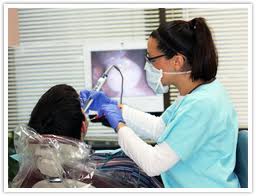
Dental RDH an intraoral camera

Is your dental hygiene department the second highest profit center of your dental practice? What do profitable hygiene departments have in place that will allow them to work like a well-oiled machine and be their most profitable? Why does one hygiene department create more treatment plan success from their dental hygiene department than many others? Do these hygiene departments see more patients to create these higher results? Do they perform more dental hygiene services? Do these auxiliaries work longer hours?

Strategic Systems

New patients are the lifeline to every successful dental practice. Without new patients, production will decline and the practice will not exist. Every dental practice has a normal attrition of patients. This is a fact of business. People move, pass away, or leave because you are not on their “insurance plan” and this can mean an annual loss of 10%. Just as your heart beats at least 60 beats per minute, you must have a continual flow of new patients walking in the front door to make up for those patients who are walking out the back door.

Patient retention (continuing care) is the heartbeat of the dental practice. Your active patient base consists of patients who value your care, accept your recommendations, and pay for treatment. These are the people who trust you and your team. They refer their families, friends, and colleagues to you. These are the are key players to the ongoing success of your business Most patients see the hygienist more than any other auxiliary of the dental team. This is what makes the hygienist carry and important role in building and maintaining the current active patient base.

Maintaining the Active Patient Base

Always preschedule 90 percent of your hygiene department patients. Patients are more likely to understand the importance of why they need to schedule their next hygiene appointment. When the hygienist schedules the patients for their next hygiene visit there is a continuation in the practioner/hygiene communication process. You most likely see a positive patient attitude and an increase in patient compliance occur when the hygienist is engaged in scheduling the patient next hygiene appointments. Ideally this should occur when the patient is still present in the hygiene treatment room.

Words do matter

The dialogue between the auxiliary and patient is extremely important. Here is an example of how the conversation may go:

Example: “Today I found a few areas of bleeding that were considered abnormal and doctor is observing and area where you have the beginning of decay. Our schedule is very tight because patients usually schedule before they leave their dental hygiene appointment. I know that you like to come in first thing in the morning on Thursdays so I recommend that we reserve your next appointment to assure that you can return on that day of the week and at that time in fact that is a very valuable and popular time for most of our patients. To make sure you have your next appointment on this day of the week and at this time, I want to schedule and reserve this time for you now. I can see you on Thursday, October 18th at 8am. Will this work for your schedule? ”

The dental hygienist is the oral health educator for every dental practice. It is the role of the dental hygienist to educate patients about the relationship between oral health and systemic health. Patient involvement and active participation create ownership and accountability and will ultimately reduce the cancellation and failure rates of the continuing care patients. The preventive care and supportive periodontal maintenance appointments have the highest cancellations and failed appointment rates of any service in the dental practice. If you have one hygienist working four days a week and each day you have one cancellation you this can lead to an annual loss as high as $150,000 in hygiene department profits and this does not account for the treatment normally diagnosed from the hygiene appointments.

For a hygiene department achieve success they should be scheduling 95 percent of their future dental hygiene appointments at the time of the patients current dental hygiene appointment. Always create monitors and track the scheduling ratio. Count the total number of patients seen in the hygiene department each month and divide this number by the number of appointments available for the month. The hygiene or scheduling coordinator should then report the current scheduling rate to the team at monthly team meetings. The scheduling coordinator needs to always report in the morning huddle the open times available on the hygiene schedule each day for the next week.

Many dental practices charge a fee for failed appointments, and the effect of doing this has been positive in raising patient awareness of the importance of the time set aside for their appointments.

Team approach

Everyone on the team should understand the words which are effective for a positive patient response. Courtesy confirmation calls, emails, text messages and written communications define the hygiene appointment (continuing care) with dialogues such as this:

“Hello Mr. Goodman, its Megan calling because Maria (Insert the name of the hygienist seeing the patient) and I are looking forward to seeing you tomorrow at 3 o’clock for your preventive care appointment. I see on the schedule that Maria will be doing your annual periodontal screening exam and Dr. Goodtooth mentioned to me that you were in tested in the new whitening product we are using. We’ll see you then. By doing this, patients are moved beyond the“just-a-cleaning-and-a-check-up” mentality. It is best not to discuss any type of cancellation policy because this is only a subconscious reminder that if something else comes up they can cancel and it sets up for failure for your continuing care systems’ success. Do not ask for calls back to the office to verify an appointment. Have the expectation that patients understand the importance of their dental service and desire to come to see the doctor and/or hygienist.

Accountability

Chart audit and patient activation must be ongoing systems that are frequently performed in the office. This is completed through daily reviews and computer reports. While everyone on the team plays an important role, one auxiliary (the hygiene or scheduling coordinator) is responsible and accountable for keeping the daily schedule full and productive. At team meetings, the scheduling coordinator reports and discusses the scheduling effectiveness rate. Everyone needs to be aware of what is working and what is not working so that problem-solving can take place.

Create a plan of action when there is a crack in the system. Ask for suggestions to overcome these challenges which may occur and when you are feeling like a hemorrhaging is occurring in your dental hygiene schedule you may want to consider the advise of a dental expert who is knowledgeable in overcoming these challenges, especially during these stressful economic times.

Scheduling effectively for today and the future

To achieve and assure a full and productive schedule (for all providers), the team should always prepare for the day by auditing patient records. The hygienist reviews patient records for incomplete dental treatment, updated X-rays, status exams, perio, update the medical history, etc. The hygienist needs to be prepared to discuss, demonstrate (with an intraoral camera), answer questions, and provide the facts and findings, risks and benefits, when the doctor enters the treatment room to provide the patient exam. Ideally, a brief meeting (the morning huddle) enables the entire team to communicate, delegate, and maximize the day. One of the most important topics reviewed at huddles with my consulting clients is having the clinical assistants audit their records and identify patients who are seeing the doctor that day that are overdue for hygiene care.

Picture Paint

When patients are in for the appointment with doctor and overdue or need a dental hygiene appointment ask them to stay for the dental hygiene appointment using words such as: “save you-time missing work another day, Save you time returning to the office, etc. Create statements that are certain to benefit the patient. The hygienist does the same if the doctor has an opening and the hygienist has a patient with undone dentistry.

PHILOPHYSHARE (PLAYING WITH PHILOSOPHY)

Finally, by working together, the doctor, hygienist and entire team, communicate and share a practice philosophy for the patients, the hygiene department, and the practice. Working with the dentist as a partner in oral/systemic health care, everyone on the team is committed to the vision of the practice, proudly recommends dental treatment, and refers family and friends to the doctor.

Facilitate change by regularly scheduling meetings with your hygiene team and as a whole team to support and reinforce initiatives and explore new ideas and opportunities for growth and development. Open pathways for communication will lead to mutual respect and admiration and will be reflected in increased profits, a harmonious dental team, and most importantly, healthier patients. It’s a win for all!
Posted in Uncategorized

A Plan to Change Patients’ Lives ‘One Smile at a Time!’

By: admin

April 18, 2013

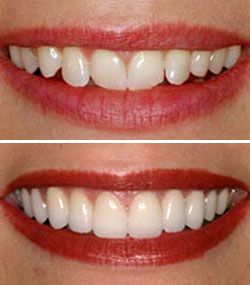
Before and After Front teeth

“Dentistry is about changing lives!” I had no idea when I chose to become a dental hygienist that I would be able to help patients live a longer and healthier life! Besides providing optimal health we also create beautiful smiles!

How does a dental office plan to create beautiful smiles, optimal patient health, be profitable and with little to now stress? The answer lies in how you begin your day. You may rush into the office at the last minute but if you take time to breathe, meet as a team for 10-15 minutes and prepare for a dream day at the office, everything else can be like the icing on the cake!

Start your day at the office or the day before by reviewing the patient charts. Then discuss as a team, the days patients, challenges, difficult personalities, pre-medication, special needs, exams, x-rays, exams needed, emergency time available, etc. The morning team meeting is where you can create your plan for success and it is where the profitability is maximized for the practice. Make sure you have an effective plan not just recite who is coming into the office. Talk about bottlenecks, who has outstanding treatment and where ER appointments can be fit in, etc. This is not a good time to flip through charts but to come prepared with valuable information to share with each other.

Have your financial coordinator or the office manager report to your office production and collections. Are you on track and what will you do when there is a decrease production? Allow the team to experience bliss when there is an increase in production! What is your plan to celebrate success?

Communication

If you want success treating patients with aesthetic and periodontal disease communication is key. Annually have your patient complete a smile evaluation during the hygiene appointment.

Ask you patient to complete a small intake form about their smile when they check in for their appointment. When the patient is seated in the chair have the hygienist give the patient a mirror, show the patient a shade guide and have the patient pick what shade they believe they are according to the guide. You will soon find out you open doors to aesthetic treatment that patients never would have dreamed about completing.

Use the intraoral camera to document not only restorative concerns but bleeding, heavy calculus and plaque.

Ask yourself these questions: “Did I ask my patient the right kind of questions? “Did I ask questions that only allowed my patient to answer yes or no?” “Did I ask my patient to express their ideas and concerns?” Did you really understand emotions inside of your patient?” If you answered “No” to any of these questions, there is a good chance your patient will not be satisfied with the outcome, regardless of how clinically sound any treatment is presented. It is possible that your patient may not be in the right frame of mind to hear your answers to their questions.

Sit down at a team meeting and know what questions you need to be asking patients.

Treatment Planning

Treatment planning for aesthetic dentistry and all preventive treatment concerns should be a group effort. This includes doctor, the entire team, the lab and even referral dentists. Your patient expectations need to be met for the entire process of communication, case acceptance and future patient relationships to continue. It is very important that patients understand their end result and personal benefits for completing treatment recommendations.

Sit down as a team and discover what your patients really want. Have you taken a patients survey to understand what they really want from you as their dental healthcare provider? How do you measure the success of your communication and listening skills? What percentages of treatment plans are outstanding? How do you know that patient understand the benefits and why they really need the treatment completed?

When was the last time you assessed your outstanding treatment plans? What is your plan to get those treatment plans completed this year? When was the last time you discussed outstanding treatment and alternative options with those patients?

Get to “YES!”

Of course you want your patients to respond with “YES!” You just need to know what questions to ask them. Listen closely to their answers and what their body language as they are speaking. They are giving you their honesty with many non-verbal clues.

Creating the Plan

Each morning, come prepared to discuss options to hear more patients say “YES!” each day. Monitor your successes and keep track of the outstanding treatment plans. If you find many patients leave the office saying “I need to think about it” or “Let me talk to my husband” let me suggest it is time to look at your verbal skills and make some changes in your communication skills.

We are in the business of changing people’s lives. We really can change each patient’s life just one smile at a time. Imagine the great feeling and rewards you will experience if you can change a smile that your patient has never imagined possible!

Communication, planning, and execution can go a long way when you provide optimal health and excellent aesthetic dentistry. Now we’re talking success!


Posted in Uncategorized

Case Acceptance Life to Your Practice and Profits

By: admin

September 29, 2012

Through many years of surveying dental practices we have learned that 20-25% of your patients schedule their necessary treatment. We also know that if dental professionals are educated in effective communication and learn how to talk about value and benefits to patients, their case acceptance rate will jump to 70%.

One huge factor that will affect case acceptance is trust from your patients. Where does this trust begin? You guessed it! It begins before a patient even walks into your dental office. Right now, as you are reading this, millions of people are also on the internet. This is how most people will find a dentist in today’s world. That being said, people will find your office via your website.

Your Social Edge

Yes, you know that most people spend hours on the internet each day and most people find their dentist via their website. Now I need to ask you: “What does your website say about you?” I also want to ask “Do you show off photos of your beautiful dentistry and do you have photos of your employees with a bio of everyone who works in the office?” Do you offer Invisalign® or Six Month Smiles®? Show off your expertise on your website and begin the relationship here.

Yes! Get personal. Be real! Let people learn as much as possible before they even pick up the phone to make their first inquiry about your office. This is where you begin to build trust!

Mindset

Is your mindset” Insurance” or is it “Fee-for-service”? Is your practice philosophy all about what is best for your patient? Whether you answered yes or no, how can you educate your patients about insurance dictation and insurance provdership? The delivery mechanism in your office can’t be driven by what the insurance company will pay. 80% of all dental offices only offer patients “what their insurance will pay.”

What you say to your patient in approximately 4 minutes will build patients trust. This begins in the hygiene treatment room.

We are the experts. We know that without optimal oral health the overall body can’t be 100% healthy.

Try sitting your patient upright in the chair and communicate the true value of preventive care. Share the science and research when asked for this. Patients usually find a way to live a healthy and longer life. They will also pay for exactly what they want. Tell them they can have a beautiful smile, live longer and be healthier and the majority of people will find a way to pay for this! Who doesn’t want to look their best PLUS live a longer life when they are healthy!

Hygiene Tips

  1. Hire a hygienist!

    Many dentists today are trying to save their way to prosperity by doing the soft tissue management and preventive services themselves. Build your hygiene department so you can free up your time for restorative procedures and explain treatment plans with your patients to increase case acceptance.

    When the dentist is free to spend valuable time providing cosmetic and restorative dentistry, the hygienist can focus on patient retention and continuing care. This helps to stop chasing after patients to schedule their hygiene appointments when you pre-schedule at least 98% of all hygiene appointments.

  2. FMX every 5 yrs. (at least) This is one more profit Center for your practice and patients need it
    1. Schedule more time either in the hygiene appointment of with your assistant
    2. Schedule time for a comprehensive exam –allowing time to diagnose more dentistry
  3. Repeat the findings before the patient leave the treatment room
    1. Use the intraoral camera
    2. Bring patients up to YOUR Level

         i. Don’t dumb it down

         ii. Educate your patients to be at your level

         iii. Show them the bleeding gums and tell them “This can cause irreversible damage to your gum and the bone that supports them.”

            1. “Gum recession and these areas of abfractions, in your mouth here (Show them on their intraoral photos) can decay so we recommend that each night you use a sodium fluoride and each hygiene appointment I will brush on a fluoride varnish.”

         iv. Open new doors, avenues for cosmetic and restorative dentistry to be provided

    Conclusion

    • It’s time to give patients what they really need not only what their insurance will pay for!
    • Always educate your patients regarding your services, your hygiene preventive services and products available in your office to prevent disease
    • Deepen your relationships with your current patients of record.

    Every one of us has the ability to be a leader. Lead your patients in the right direction to complete the necessary treatment. They are worth knowing what is the very best for them!


    “Leadership is communicating to people their worth and potential so clearly that they come to see it in themselves. “

    Stephen Covey, the 8th habit

Posted in Business

Going For the Gold! What is Your Half Time Plan for Success?

By: admin

August 3, 2012

There is a bigger game being played than the World Olympic Games. Yes, Olympic athletes train for years and many leave their families to accomplish these goals. As dental professionals we do this approximately 50 weeks out of a year and for usually, more than 30 years. Many of us spend thousands of dollars in college and then later another few hundred thousand dollars to buy an office. We have a huge legal and financial liability for many years. Profitability and sustainability are very important aspects of a dental professionals’ life and for many decades!

The year is more than half over and it’s time to get your game face on.  What type of plays do you have planned for this second half of the year? How well did you and your team play in the first two quarters? Did you have a mid-year team meeting to evaluate the first half of 2012 and what are your plans to get the gold by December 31st?

If you have met with the team, what type of adjustments will you make? How do you plan to accomplish this year’s goals?

When you meet with the team, it will be beneficial to share what you discover when analyzing your mid-year numbers, systems, etc.

The Office of Dr. Doolittle

This dental practice started off with a bang! They not only met their goals by March but exceeded their production goals by March 1st for the first quarter of 2012. During the second quarter of 2012, things dramatically changed and they are currently $55,000 behind their year-to-date production goal. We also noticed that the employee salaries paid are up from June 30, 2011. We’ll need to talk to doctor about this challenging situation and how this could have occurred.

First of all, Dr. Doolittle acknowledged to us what went well the first quarter of 2012. He reports a steady flow of new patients, creative and very effective marketing, the hygiene schedule has 9.3% unfilled patient hours, and collections

Dr. Doolittle realizes that unless these revenues and expenditures are resolved, his deficit, when annualized, will be $110,000.00, or worse, if this decline continues. Doctor has planned to cover the overhead with the 2012 production goals. If these facts do not change over the last half of 2012 his expenses will not be covered. This creates stress!

After reviewing the numbers with Dr. Doolittle we decided to begin on a positive note and the half yearly team meeting began by celebrating success! Doctor gave each team member a personally written card with a note of how much they are appreciated. Inside the card he wrote specifically what each team member did to make a difference for the practice. The second step was for everyone to sit down and discover what created this $55,000.00 deficit the first half of 2012. The challenge was doctor’s plan to cover expenses with the production goals. During the team meeting and through analysis, they discovered many patients had unscheduled treatment. The total amount of unscheduled treatment was in excess of $100,000.00. The next step was to review patient communication for the unaccepted treatment. Where was the breakdown? Why did patients choose not to accept and schedule treatment?

After brainstorming together, as a team, they discovered:

1. Patients had not been taken into the new consultation room for private conversations. This is the perfect atmosphere to answer patient questions, concerns and overcome their objections to treatment. As you can tell from the above story, patients are returning for their hygiene appointments but by the time they returned for the next hygiene appointment (Months later) their enthusiasm that may have been there, had now faded. Any value added and benefits communicated at the time of diagnosis, had now been lost. The challenge was that too many patients said “I’ll call to schedule later…” and too much time had since passed to remember what they were going to “schedule an appointment for”. No follow through nor follow up was the big breakdown in this scenario.

2. Although the Financial Coordinator has been with Dr. Doolittle for over 8 years, and she does not have effective communication skills. She is a great listener but not real confident overcoming patient objections. She is also not confident in offering third-party financing. The final result is too many patients who do not understand the value of moving forward with treatment sooner than later. She is also not able to assist patients with their financial needs when they think they don’t have money to spend. People usually buy what they want, not always what they need.

There are three solutions to get this team back on track and accomplish their 2012 goals!

1. Effective communication must now take place in the new consult room

2. The auxiliaries will always offer third-party payment plans when finances are an objection

3.  A follow-up time with patients, who do not schedule treatment, will be made before the patient leaves the office without a next appointment. This follow up will usually occur one week after the treatment plan was presented. A new change will be made to contact patients to follow up with outstanding treatment sooner than later.

Dr. Well May Throw Money Down the Drain

The economic climate aside, this office had a chronic hemorrhage in their daily schedule; both doctor and the two hygienists! (too many holes in the schedule, cancellations were out of control!) As of June 30, 2012, the practice production was down 43% from their 2012 production goal. Doctor spent $3,000.00 on a new website last year (2011) and this did not help any with potential new patients finding the office through search engine optimization. (Google, etc., type searches) The new website was unfortunately, not set up correctly! Dr. Well could just continue to “throw money” down the drain by continuing on with her current marketing plan and she could wish upon a star that the cancellations will come to a halt. W I S H is not how Dr. Well spells success. After meeting with Dr. Well, she set up a “half-time” team meeting to look at what specifically is going wrong. (half-time = half year)

Here are some questions they will ask at the meeting:

  • What was working well last year (2011) and now has a deficit this year?
  • How many hygiene patients leave their appointment without a next appointment?
  • Do we check route slips prior to the patient appointments? Do we check if patients need a next hygiene appointment?
  • Do we check the route slips to see if other family members need a hygiene appointment?
  • When do we call to confirm appointments?
  • What do we say on the phone call when confirming a patient appointment?
  • Do we need to call to confirm appointments?
  • What are alternative methods to call patients and confirm appointments?
  • What is our patient reactivation system? (Continuing Care System)
  • Do we allow our patients to leave a message with the answering service (voicemail) to cancel an appointment?
  • Do our patients understand the value, benefits and risks to their health if they cancel an appointment?
  • Do we have a cancellation policy?
  • What can be done to create more unique visits to the new website?
  • What are other low cost marketing aspects to keep an ongoing conversation with patients between appointments and attract new patients?

The Team Meeting

A key to success during team meetings is to have a facilitator who can keep the team ideas flowing. It is important that the facilitator supports the ground rules for meetings and this means starting and ending the meeting on time,  no negativity or finger pointing, etc.  Always come prepared with an Action Plan Form which outlines/keeps record of what solutions need to be created. If team members are assigned a project write this down in the Action Plan Form, along with the due date for the project to be completed, and plan a time to follow up with the plans created.

Lessons Learned from Two Doctors

What I enjoy about and applaud both of these 2 doctors for is that they “inspect what they expect”. Notice how they both agreed to take a proactive approach to solving challenging situations? Both doctors have great leadership skills which makes it much easier to work with. This makes it easier to create a system for improvement and overall success. These doctors were open to sitting down to analyze their challenges and then discuss/problem-solve with their teams. Both doctors realize it takes an entire team to bring about effective, solution-based change.

Both doctors have a positive attitude and never once did they go into panic mode. As the leader of your team, the team members find it easy to follow you. Panic is caustic and creates stress. Solutions are not easily resolved when panic or negativity exists. If you are proactive in your approach to deal with a challenge, you will lower your stress and the creative juices are more likely to flow from everyone. One positive creates another positive much easier than if you begin with a negative.
Both doctors have been solution-focused.  Challenges arise in every business; it’s the nature of the beast and finger pointing does not resolve challenges. A good leader will not point fingers but will be solution-focused.

The plan of action, which direction you choose to take on your road to 2012 success, has everything to do with how you will be celebrating at the end of the 2012 game! This is a choice you need to make and your chances for success are greater if you take action today.

 Need more “halftime” plays?

Purchase Continuing Care for Dental Practice Success. This is an eBook that you can access immediately. It has all the necessary tools to reactivate patients and then keep them coming back! Your cost is only $47.
Contact us to discuss Your Dental COO which is our proprietary yearlong consulting program. This is designed to streamline your systems for a GO! Or we have a lower cost virtual comprehensive practice management program called RAISE™.  Read more about these.


Posted in News

Post navigation

  • Newer posts →

Return to Your Training Vault

Contact Info

  • 15508 W. Bell Road Suite 101 PMB 431, Surprise, AZ 85374
  • (623) 252-1941
  • admin@dentalpracticesolutions.com

Office Hours

  • Mon-Thu 8:00am - 5:00pm PST
  • Friday 8:00am - 2:00pm PST

Useful Links

  • Home
  • About
  • Sitemap
  • Terms of Use
  • Privacy Policy

Recent PR

  • PrestoSmile® and Dental Practice
  • Dental Practice Solutions - Debbie Bittke
  • Dental Practice Solutions - Debbie Bittke
  • Dentistry Leaders
Copyright 2026 Dental Practice Solutions

    Input this code: captcha

    captcha

    • Home
    • About
      ▲
      • About Us
      • Testimonials
      • Videos
    • Services
      ▲
      • Hire a Dental Hygienist
      • Dental Hygiene MAX Course
      • 6-Month Dental Hygiene Department Optimization
      • 12- Month Dental Hygiene Department Training
      • Dental Hygiene Department / Team Workshop
    • E-Learning
      ▲
      • Free Resources
        ▲
        • BOOST CASE ACCEPTANCE eBook
        • Treating the Gingivitis Patient
      • More Courses
        ▲
        • Oral Inflammation and Systemic Vitality
        • Properly Sequence Hygiene Appointments
        • Alzheimer’s Disease Prevention.
    • Webinar
      ▲
      • Current Webinar
      • Power Hour March 15 2024
    • Blog
      ▲
      • Podcasts
    • Contact Us

    Schedule your free coaching call here client login

    (888) 816-1511

    Introduction to Orientation Video Part 1