Unleash the Dental Code Breakers: Elevate Dental Hygiene Care Using the ADA Codes
June 30, 2023

As dental professionals, staying up to date with the latest advancements in dentistry is essential to provide optimal care for our patients. One significant aspect of every successful dental practice involves effectively utilizing the Current Dental Terminology (CDT) with codes established by the American Dental Association (ADA).
In this blog, we will explore the various ADA codes used during dental hygiene appointments, including gross debridement, gingivitis, SRP, soft tissue diode laser, fluoride varnish, oral hygiene instructions, oral cancer screening, and other new and not so new ADA codes that enhance patient care and streamline documentation.
At this time, get a pen and paper and take notes because you are about to read valuable information that you will want to implement after you read this blog.
- Gross Debridement (Code: D4355): Gross debridement is a critical procedure used to remove heavy plaque and calculus deposits from the teeth, particularly in patients who haven’t received dental care for many years. The CDT code D4355 allows dental professionals to accurately document and bill for this essential service, ensuring proper reimbursement and improved patient outcomes.
This code is not to be used in conjunction with a comprehensive exam. At the time of the 1st quadrant when the patient returns for gum treatment the hygienist will complete a comprehensive periodontal exam (CPE) and you will bill insurance for the CPE. The CPE is now paid at the same rate as a comprehensive exam.
- Comprehensive Periodontal Exam (Code D180): This code is used to evaluate gingival health. Annually, every adult (or when a patient has a full dentition of permanent teeth) should have a comprehensive (CPE) exam completed and documented annually.
When you make the determination that your patient has a specific level of gum disease this exam information and the documentation is now used for your patient to receive insurance reimbursement for the specific service they will need to treat their gum disease.
Practice Management Tip:
The CPE is completed not only annually but after gingivitis has been completed, at the 2–6-week re-evaluation (most likely this next appointment will be a prophylaxis but there may be circumstances where you will retreat for gingivitis. Not the norm but it is possible. That is another blog, another day) At the appointment 2-6 weeks after the initial treatment of gingivitis you will complete the CPE to determine if there is a halt of the oral inflammation, the generalized moderate to severe gingivitis.
When a patient needs scaling and root planing most insurance companies request the CPE be documented and submitted on the time the first quadrant or 1-3 teeth are scaled.
At the 1st Periodontal Maintenance appointment, the 6-week re-evaluation, the CPE is again completed.
After your patient has completed gum treatment, annually complete and bill their insurance for the CPE. Many insurances will pay for this service annually once your patient has completed gum treatment. If you never bill for this service you will never receive reimbursement. One day dental insurance will cover this procedure and if you are not billing, then your patient misses out on the potential reimbursement.
The more offices that submit a specific CDT code for reimbursement, the more likely in the future, insurance companies will pay for that service.
We experienced this when the fluoride varnish CDT code became available and now most insurance companies cover for this. It’s the same story for coverage of the Oral Cancer screening as mentioned below.
Completing the CPE after gingivitis and any type of gum treatment provides critical knowledge for the dental hygienist and dentist to determine the end phase of the gum treatment.
Without a final CPE we will never know if the patient’s oral inflammation has resolved.
Determining the End-Point of gum disease is an important factor when determining the patients preventive care (Recare) or periodontal maintenance interval.
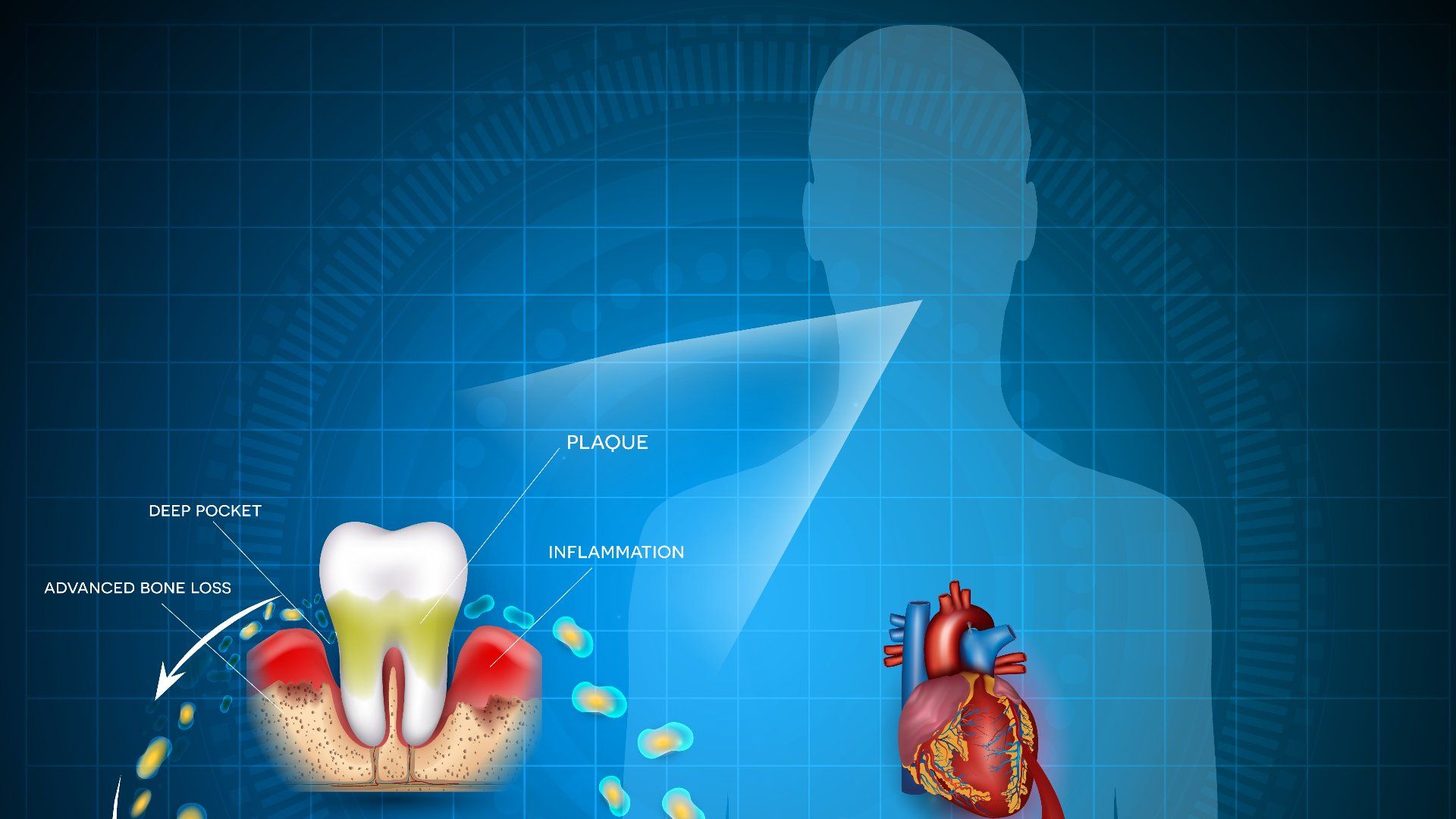
- Gingivitis Treatment (Code: D4366): Gingivitis, characterized by generalized moderate to severe inflammation which may include bleeding on probing, requires diligent treatment to prevent gum disease progression into more severe periodontal (gum) disease.
In 2018 the ADA established this valuable CDT code which helps the dentist and dental hygienist identify generalized moderate to severe inflammation without radiographic bone loss.
This allows dental hygienists to jump off the prophy treadmill and spend more time explaining the importance of optimal oral health that supports a longer-healthier life. Dental hygienists no longer “Just Clean teeth” but they also educate and inform patients about how to have a healthy mouth (“optimal oral health”) which supports a longer, healthier life.
Practice Management Tip:
Once gingivitis has been diagnosed, after the dental hygienist has had time to discuss the mouth-body connection and educate the patient on prevention of oral inflammation means less chance of other systemic disease over the course of their life, if your state allows the dental hygienist to use a diode laser this is how you will begin the gingivitis service.
Begin with laser bacterial reduction (Use a soft tissue diode laser on a specific setting) to reduce inflammatory markers. The diode laser reduces inflammation in the mouth and it also affects the cells in our body at a mitochondrial level.
Next ultrasonics are used, then scale, and polish, if time permits (Polishing can be completed at the re-evaluation appointment in 2-6 weeks). Complete oral hygiene instructions, provide post-op instructions, and schedule the patient to return in 2-6 weeks to re-evaluate (Comprehensive periodontal evaluation at the next appointment. CPE).
At the 2–6-week re-evaluation, when the CPE is completed and if the patient’s oral condition has improved, only localized inflammation, a prophylaxis is completed. Plan to use LBR (Diode laser) around each tooth at the 2nd appointment after gingivitis treatment.
The re-evaluation appointment is also a time to once again reinforce the mouth-body connection, provide additional home care instructions and/or update homecare and establish a Recare interval of six months (Not always is six months appropriate but this interval must be determined at this 2nd appointment) hygiene appointment.
- Scaling and Root Planing (ADA codes D4341 scaling and root planing for four or more teeth and D4342 scaling and root planing for one to three teeth) These codes are therapeutic procedures and indicated for patients who require gum treatment due to radiographic bone loss with subsequent loss of attachment. Instrumentation of the exposed root surface to remove deposits is an integral part of this procedure. Soft tissue diode laser is an important adjunct you want to add to this procedure. The laser is set to a laser periodontal therapy setting and it is used full mouth even if you are scaling one quadrant. The LPT setting is used on the quadrant scaled and the other areas can be treated with the LBR setting.
Laser is used full mouth at each periodontal (gum) treatment appointment, as well as the 4–6-week re-evaluation (the 1st periodontal maintenance appointment) and then at all future periodontal (gum)maintenance appoitments you will use the laser.
- Soft Tissue Diode Laser (Code: D9997): Utilizing a soft tissue diode laser in dental hygiene appointments can provide several benefits, including improved healing, reduction in bleeding, and enhanced patient comfort. The ADA code D9997 enables dental professionals to accurately code and bill for soft tissue diode laser procedures, promoting transparency in treatment records and insurance claims.
Soft tissue diode lasers will affect and stimulate at the cell mitochondria level. For patients who are diagnosed with systemic inflammatory diseases such as, stroke, heart attack, high blood pressure, Chron’s disease, rheumatoid arthritis and most recently, we know patients with oral inflammation have a high risk for Alzheimer’s as they are.
Soft tissue diode laser is a valuable adjunctive service for not only gingivitis and gum treatment but for all future dental hygiene appointments laser bacterial reduction (LBR) should be included in the hygiene appointment if the patient has completed gum treatment or has systemic inflammatory diseases.
- Fluoride Varnish Application (Code: D1206): Fluoride varnish is a preventive treatment that helps strengthen tooth enamel, protecting against tooth decay. The ADA code D1206 allows dental hygienists to properly document and bill for fluoride varnish applications, ensuring patients receive the benefits of this valuable preventive measure.
Applying fluoride varnish means you can arrest and reverse the process of cavity formation.
Practice BOOST Tip: Look at the current number of patients who receive this preventive service.
Practice Management Tip: If at least 30% Of your current hygiene patients leave without a fluoride varnish educate yourself and the entire team about the benefits of this simple and inexpensive preventive service.
Read more about this here: https://bit.ly/F2VarnishBenefits
And read: https://bit.ly/CAMBRAADA411
- Oral Hygiene Instructions (Code: D1330): Patient education is a crucial aspect of dental hygiene appointments. The ADA code D1330 allows dental professionals to record and bill for the time spent on providing oral hygiene instructions, including proper brushing, and flossing techniques, the importance of regular dental visits, and the benefits of maintaining optimal oral health.
- Oral Cancer Screening (Code: D0431, D0432): Regular oral cancer screenings are essential for the early detection of potentially malignant lesions. The ADA codes D0431 (screening) and D0432 (diagnostic) help dental professionals accurately document and report oral cancer screenings, enabling prompt diagnosis and appropriate referral if necessary.
No longer do we wait until we visually see an oral abnormality to refer out for a biopsy, etc. We can now use fluorescence lights to detect abnormal cells before they are visible to the naked eye or felt upon palpation.
Practice Management Tip:
More and more dental insurances do reimburse for this important and life-altering service.
If you are not completing an abnormality screening using fluorescence technology take time to read about this and educate the team how to have conversation with patients to prevent life altering oral cancer.
If you do not use this technology or understand it’s importance in saving lives be sure you read this evidence-based article: https://www.ncbi.nlm.nih.gov/pmc/articles/PMC8729265/
ADA Codes: The ADA continually updates and introduces new codes to meet the evolving needs of the dental profession. It’s essential to stay informed about these updates and incorporate the relevant codes into dental hygiene appointments. Dentists and dental hygienists should regularly review the ADA’s updates to ensure accurate coding and billing practices while delivering the highest standard of care.
Conclusion:
The use of ADA codes in dental hygiene appointments plays a crucial role in enhancing patient care, facilitating accurate documentation, and streamlining billing processes. By correctly documenting procedures such as gross debridement, gingivitis treatment, scaling and root planing, soft tissue diode laser usage, fluoride varnish application, oral hygiene instructions, and oral cancer screenings, dental professionals can provide comprehensive care while ensuring proper insurance reimbursement.
Additionally, staying updated on new ADA codes allows dental teams to remain at the forefront of dental practice management and advancing patient care.
As always, please reach out if I can be of service to your hygiene department. Do you believe your hygiene department is running like a well-oiled machine?
Do you know that your hygiene department production should be approximately 30% of your total dental office production?
This dental industry KPI is for a general dental office and if you are a prosthodontist of doing high-end cosmetic dental cases it’s possible that your hygiene department is about 20% of your total production.
One more key metric to analyze is the percentage of adult patients aged 18 and above have some level of gum disease. When you look at the percentage of adult patients who have received a 4366, 4341, 4342 or 4910 in the past 12 months. If this percentage is not at 30% it’s time to consider looking at why this number is so low when in fact, a large majority of adults do have some level of gum disease. If this percentage is less than 30, I recommend you schedule a quick coffee chat so we can discover what’s truly happening.
Remember, “Prevention costs less money than treating disease” and “We are in the business of helping our patients live a longer, healthier life because of optimal oral health.”
Click this LINK and Schedule Your Coffee Chat to learn how to optimize these areas of your dental hygiene department.
Reference.
47% Of Adults have gum disease. https://bit.ly/47AdultGumDiseaseLinked accessed June 16, 2023