Dental Practice Solutions
Schedule My Opportunity Call Call us now (623) 252-1941 Client login
  • Home
  • About
    • About Us
    • Testimonials
    • Videos
  • Services
    • Hire a Dental Hygienist
    • Dental Hygiene MAX Course
    • 6-Month Dental Hygiene Department Optimization
    • 12- Month Dental Hygiene Department Training
    • Dental Hygiene Department / Team Workshop
  • E-Learning
    • Free Resources
      • BOOST CASE ACCEPTANCE eBook
      • Treating the Gingivitis Patient
    • More Courses
      • Oral Inflammation and Systemic Vitality
      • Properly Sequence Hygiene Appointments
      • Alzheimer’s Disease Prevention.
  • Webinar
    • Current Webinar
    • Power Hour March 15 2024
  • Blog
    • Podcasts
  • Contact Us

TAKE THE ACTION THAT WILL CREATE THE CHANGE YOU NEED TO BE!

By: admin

May 7, 2012

It makes complete sense that becoming a dentist appears and may sound very attractive to many young high school or college students today. The traditional work model for a dentist and even a dental hygienist seems like a good fit for men and especially women. For a woman they are possibly thinking about raising a family. For many, being able to custom-design a business that fits the lifestyle we want is the ultimate dream!

The downside is that Dentists are also business owners. When I met with the dental students at USC in Los Angeles, they have no clue, no knowledge about becoming a business owner and being an entrepreneur. Being an entrepreneur requires one KEY quality: the willingness to take risks. And this is where I see many promising dental professionals and new dental practice owners struggle.

You see, when I mentor a client, they always start out saying “I am finally ready to step up and build a very profitable dental practice.” Then, we get to that place where they may be required to “take a risk”. Often what happens is—while in the beginning having the support of a coach/consultant sounds exciting, all seems wonderful—but then it tends to get uncomfortable and I find that clients begin to crawl into their black hole. They begin to say things like: “I’m not ready for x yet.” Or “x is too …!” “Why don’t we start with w or z first?” Or, “v sounds great, but let’s save it for six months from now.”

This is not unusual, because honestly we are not programmed to just “go for it”. When we are born, we first crawl, then we walk. In school, we go to grade one, grade two, middle school, high school and so forth. In college, we become freshmen, sophomores, juniors, seniors- –THEN you are accepted into dental school. Not many dental schools today offer business skills. Then REALITY SINKS in soon after graduation! In the real world, you may start out as an associate dentist and then you move up in the world a few years later to buy your own practice

The problem is, this “grade school” way of thinking stays with us for life. And when you also add in the fact that essentially at the DNA level most of us are wired for safety, you can see why this becomes a big hurdle.

If you are ready to step up into a bigger purpose and make a big change in your life, this type of ladder-type thinking will defeat you. It feels safer, but in the end, it will get you nowhere. At the most, you may make a step in the right direction, but most often you’ll end up back where you started.

Big gains in your personal income and your practice profits will come from leaping—not ladder climbing. This will take some adjustment to your thinking– your mindset.

To help my clients start thinking in “leaps”, I recommend they read a few great books such as The E-Myth by Michael Gerber or Good to Great by Jim Collins, just to name a few. Then there are the biographies of big-thinking entrepreneurs like, Oprah Winfrey, Donald Trump and Bill Gates, etc.

In most of these books you will find that when these people came across big opportunities, they were in line with their mission, and never did they shy away. They jumped in all the way—even when the resources they needed to do so weren’t apparent yet. They took risks!

Did you get that last part? They said YES even when they weren’t sure how they would do it, where they would get the money, or who could support and guide them to do it all. Very quickly they found—sure enough as you will too—that when a big opportunity presents itself and you step up and say “yes”, and when you truly believe in your heart that this goal is yours, suddenly the universe seems to rearrange itself to help you. Have you ever thought “The force is with me?!” Now is your time to create the change that takes you where you deserve to be! Feel safe in taking the action that will create the CHANGE! This change creates a positive power down the pefect path for your success in life.

And here’s the good news… You typically don’t have to go looking for these opportunities. These are usually right in front of you, or one will soon drop in your lap. Once you declare you are ready, your awareness is heightened, a shift occurs, something presents itself, and you will suddenly see the path to all that you, your business and your life, can truly be!

I hear countless times from my clients, as I will use an example here; that they were not sure where they would get the money to pay for a years’ contract of my services. Surprisingly enough, once they signed the contract, suddenly, the resources they needed to pay for the consulting services — surfaced. Funny how that happens!

So, are you really ready to be an entrepreneur? Is your pulse racing? Did you feel a shift here? If your heart is right now is shouting, “Yes!” here are some examples for you to take action and create the change for success:

  • Do you know how to increase your income in 2012?
  • Do you want to create a few new income streams to increase your own paycheck? How many profit centers do you have in your dental practice today? ANSWER: Many!
  • Are you aware of an expert coach, consultant, mentor whom you could hire, or whose training or coaching program you could join?
  • Are you aware of a powerful event you could attend that could help fast-forward your success? See below for this answer
  • Is there an influential person whom you know if you connected with could change your trajectory of success? Again look here

Here is the scoop… Save your SPOT, register for your place, invest in our low cost high ROI Mastermind Program or our RAISE Virtual Program – choose what that step is—and make that big move. All your rewards are waiting… if you’re ready to make the leap!


Posted in News

California Dental Association Anaheim Meeting

By: admin

May 5, 2012

Dentistry Today Live Blog

Click on the above link to Catch up on the meeting in case you missed the CDA in Anaheim this year. Great turn out!

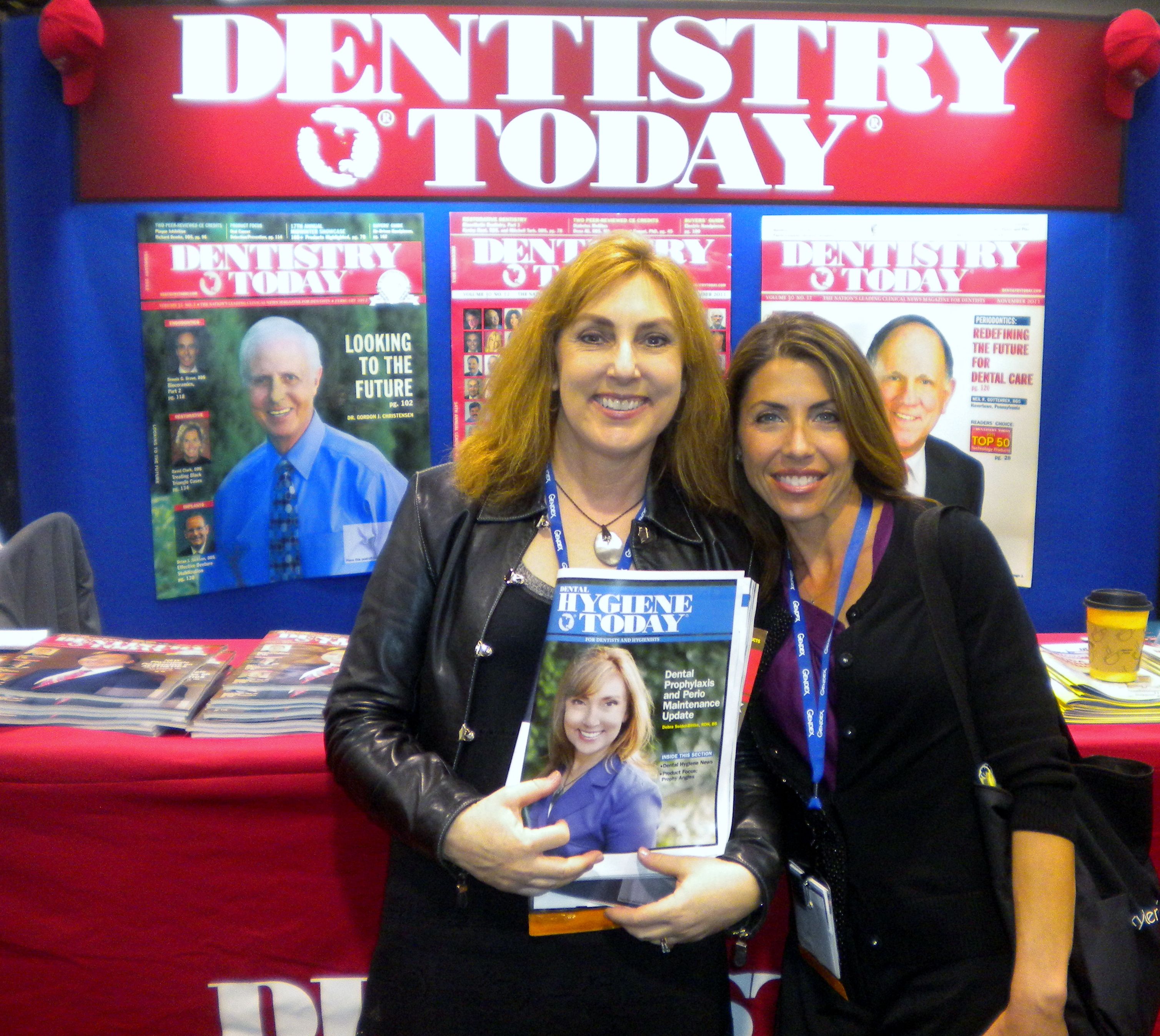
Journal: Hygiene Today Article “Getting to YES for Non-Surgical Periodontal Treatment.” Author Debra Seidel-Bittke, RDH, BS

May 2012 Issue. Page 76.  READ HERE

COVER OF HYGIENE TODAY

Posted in News

DENTAL HYGIENE DEPARTMENT CREATES MILLION DOLLAR PROFIT CENTER

By: admin

April 30, 2012

For many years the dental hygiene department has been known as a loss leader. We live in a new era of dentistry. If you have specific systems in place you will add value to your patient services, increase case acceptance and increase your dental business profits.  Here is a 6 step process to streamline this process and increase your profits.

For many years the dental hygiene department has been thought of as a loss leader. Furthermore, many dental professionals believe they must see more patients each day and complete more procedures during a patient appointment to become more profitable. Perhaps, if you are a dental hygienist, when you hear the phrase, “Increase profits,” you cringe and think of working longer hours.

The good news: This doesn’t have to be the case for you! But why are some hygiene departments more profitable than others? We’ll tell you why and share the secrets to success in 6 steps. Times have changed, and the business of dental hygiene can mean profits for the entire dental team. When the correct systems are in place, a day in the dental office will feel less like a migraine and more like a mission accomplished

1. Understand the Importance of the Hygienist’s Role

Hygienists play a huge role in the growth of a dental practice today. In fact, the hygiene department should be the second-largest profit center in the dental practice. Think of the dental hygienist as an ambassador for the dental practice. Indeed, the hygienist is in a very unique position, spending a large majority of one-on-one time with patients in the chair. The hygienist is first in line to present the risks and benefits of preventive and aesthetic dental treatments. The dental hygienist can, thus, set the stage to help patients accept treatment plans, large and small.

Furthermore, when a hygienist sees the same patients multiple times a year, he or she has a chance to develop personal relationships with these patients — and this means building more trust. This added trust will, then, make patients more likely to listen to the hygienist’s treatment plan suggestions and more likely to ask the hygienist for help in their decision-making process.

Examples of where a hygienist can — and should — get involved with suggestions and decision-making include:
• Choosing the best restorative options
• Deciding upon various cosmetic/aesthetic procedures
• Understanding preventive products, such as power toothbrushes and knowing which one is best for them
• Choosing which mouth rinse to buy and what toothpaste is best suited for their oral condition.

2. Foster Daily Teamwork

All successful businesses begin with a collaborative team. Even the vocabulary the world’s most successful businesses use will describe their employees and show the companies’ high regard for teamwork. Wal-Mart employees are known as associates. When you’re a guest at the Ritz Carlton, employees and guests are known as, “ladies and gentlemen, serving ladies and gentlemen.”

And there’s no reason your dental office can’t emanate (and profit from) these very same values. For starters, everyone should be on the same page. Each member of the dental team needs to be enthusiastic and well-versed in discussing the benefits of preventive and aesthetic dentistry. Also, the doctor and the auxiliaries must share a practice vision and philosophy for patient care. That’s where dental professionals can make a difference. Expert dental coaches can analyze your dental office’s highest potential and create a custom, step-by-step plan that capitalizes on your practice vision and brings you more success than you thought possible.

Meanwhile, start with a morning team huddle to get your team on the same page, and if you don’t already, plan monthly team meetings to provide a time for collaboration and exploration of new ideas and systematic processes. This is where the right hand learns what the left hand needs to do, so to speak. Then, your team will have the ability to be in complete harmony… which leads to higher profitability. Taking time during team meetings to set the backdrop for a seamless day at the office creates added value to the patient services — and the team doesn’t feel dead at the end of the day.

Let’s not forget the value of dental team-to-patient teamwork. When the dental team takes time to review its patient communication skills and the team understands how to communicate the science behind the art of dentistry, patients see the opportunity (and importance of) optimal health. This is when it becomes a winning situation for the patient and the dental practice. See a trend here? If you can build a relationship where the patient looks to the hygienist as a trusted advisor, patients are more willing to agree to an optimal plan of care — which means better health for them. And remember: happy patients refer other patients to your office. It’s a win-win situation.

3. Move Beyond the Prophy


A critical item to discuss in your team meetings is changing your practice’s treatment approach paradigm. Many dental practices in this new era of preventive dentistry face challenges moving from the Prophy to treating the patient’s total health. Many dental hygienists today still feel pressure to complete the cleaning when; in fact, the most important service they can provide is education and a treatment plan to reverse the disease process.

Diagnosing and treating based on what insurance will cover or based on what the patient wants, instead of what the patient’s needs, helps neither your patient nor your practice.

So here’s another example that demonstrates the value of your dental hygiene department: When the hygienists regularly move beyond the Prophy, they add value to the patient’s services. Most patients see their dental hygienist more often than their physicians. And when you begin offering a variety of services, such as blood pressure screenings, oral cancer exams, fluoride treatments, xylitol products, periodontal exams, smile analyses, etc., you increase the value of your services — and your patients start to see amazing potential to improving their overall health just by visiting the dentist. Plus, many of these services incur a small fee, adding to the profits of the dental hygiene department.

Afraid you’ll scare your patients away if you go beyond the Prophy and present a treatment plan that’s in their best interest? You won’t, if you show patients you’re on their side. You can’t go wrong with stating the facts. Always present the scientific evidence to support your findings. Then, show patients their options, along with the risks and benefits of completing and not completing treatment. It is when you discuss the science and your expert knowledge of oral health that you add value to your services. The increase in profitability will come alongside when patients sit up, listen, and then take action to treat their disease.

4. Tap Into The Recare System Gold Mine

Remember that myth we busted at the beginning of this blog, which you don’t need to pack in extra patients each day to build profit? If you’re still wondering how this works, the answer is in your practice’s recare system — with your hygiene department at the helm.

Imagine the hygiene department as an energy cell and the recare systems the mitochondria of the dental practice. When a well-developed system is in place, your practice will experience increased profits.

The key is in pre-scheduling. That is, before the patient leaves the hygiene room, the hygienist or hygiene assistant schedules the patient’s next appointment. The hygiene department has the best auxiliary to schedule the next appointment because they intimately understand the patient’s needs and desires for the next appointment and the necessary procedure to schedule. This is your ticket to success: You must have close to 95% of your hygiene patients leave with their next appointments already scheduled. And you should know the barriers and patient objections which may occur ahead of time so you can plan accordingly in your team meetings.

For example, many times patients will not know what they are doing in two weeks, and especially they may not know their schedule in 4 or 6 months. So, the hygienist and the hygiene team need a plan of action to communicate with patients who may object to scheduling a next hygiene appointment.
Short on ideas? Try this: Take time during a team meeting to role play, and create a plan of action for various types of objections patients have toward scheduling a next appointment. Also, keep in mind that so many people these days carry smart phones and PDAs with their calendars, so a patient with a device like this can easily check his or her schedule and add to it instantly.

One dental practice our team of experts worked with originally had 75% of their hygiene patients leave the hygiene appointment without scheduling a next appointment. With help and guidance, the team has taken on a new attitude. Here is an example of a patient dialogue after the team changed the way it communicated and viewed the appointment schedule.

Kris (Hygiene Assistant): “Beth, I understand that you travel a lot, and I want to make certain that you return in three months for your regular maintenance appointment. Today, I found a few areas that are bleeding, and I am concerned that if you call us to schedule you next hygiene appointment, we won’t be able to accommodate your schedule. I want to suggest that you make your next hygiene appointment today so we can attempt to accommodate your busy travel schedule. If you find you can’t make this appointment, then you are welcome to call us a month before the appointment to reschedule. I know you prefer to come later in the day, and we have so many patients who want this time of day, that it is best for you to schedule this appointment today and only change if you find there is a conflict.”

Beth (Patient): “Mary, I understand what you are saying. I am a procrastinator, and I can see how waiting to make my next appointment can most likely create more problems in my mouth. I really do not like hearing my gums are bleeding, and I believe that I can rearrange any travel plans or change my work schedule so I don’t have to change this appointment. From what I heard today about my mouth, I really want to take better care of my teeth and gums. I never knew how important the gums are to my overall health.

Kris: “Beth, I am so happy that you understand how important your oral health is to your overall health. We can see you on Tuesday November 12th at 3:30pm. Will this time work for you?”
Beth: “I’m looking at my calendar, and I don’t see any conflict with this date or time so let’s schedule it!”

Notice how this type of communication between the patient and hygiene auxiliary allowed the patient to be in control. Beth felt involved in the process of scheduling her next appointment. Beth took responsibility for her health, and she was an active participant in the conversation.

This dental team also has changed to a blocked or tiered schedule which can better accommodate new patient appointments, alongside the preventive care appointments, periodontal maintenance appointments, and scaling and root planing appointments, etc. Not all patients are seen at the same interval of time, but the office can accommodate patients in a timely manner with this type of scheduling system.

5. Improve Cancellation Rates

Scheduling the recare appointment is only half the battle, though. The recare appointment is the most canceled and failed appointment on the dental schedule. And one cancellation per day in the hygiene department will lead to what is called a loss leader. This means a loss in the hygiene and doctor productivity. Many offices experience a cancellation and patient appointment failure rate of 25%. But this need not occur when you use the strategies we suggest. In fact, a realistic goal to set when following these suggestions is 95% or better in scheduling effectiveness.

Most important strategy: Have written guidelines for patients that explain what will occur when they cancel an appointment at the last minute or fail to be present for their scheduled appointment. Some practices post these in a visible place in the office, in addition to having new patients sign that they’ve read and understand the cancellation policies.

Just make sure you write your expectations using positive words. Check out our example below of guidelines written in a positive manner:

“We will always respect your time, and our team will make every effort to schedule appointments that accommodate the needs of all of our patients. In return, we ask that our patients make every effort to keep their reserved dental appointments. When a patient appointment is broken or an appointment is missed, it creates scheduling challenges for other patients as well as for our dental office.

Our dental office will charge a fee for cancellations and appointment failures without 72 hour’s notice. We understand that emergencies and personal situations do arise, so after a series of two failed or broken appointments outside of the 72 hour guideline, a charge will apply to your account before a next appointment is scheduled.”

Bottom line, when effective communication occurs between the patient and the dental team, a change in the patient’s attitude occurs, which translates into improved patient compliance. Consequently, the dental practice will see a reduction in cancellation and appointment failures.

6. Measure Your Success

Seeing the fruits of your labor is extremely important to continued success. Knowing exactly how much your numbers have improved each month can guide you to know where more potential remains. Not to mention, seeing your improvements is a huge morale booster — now you know that all your hard work is worth it!

Not sure how to track your progress? It is recommended that each month, the hygiene team or office administrator run and review (with doctor) a “Production Analysis Report”. This report will analyze all dental hygiene procedures each month to determine what percentage of production the appropriate hygiene department codes represent. And what better time to review this data, which tracks the hygiene department’s effectiveness, than during your monthly team meeting?

It’s exciting, actually. You’ll see that when you implement many of the assessments and procedures just described, you will experience at least a 30% increase in your hygiene department within the next six to nine months.

Services that may account for this increase in hygiene profits are fluoride treatments, (Utilizing the Evidence-based science from CAMBRA) sealants, antimicrobials, xylitol products, oral rinses, toothpastes, 5% sodium fluoride for at home use, and power toothbrushes.
.

Change Your Patient’s Paradigm, Too

A final word: The twenty-first century is a new era for dentistry, and particularly dental hygiene. Cleaning teeth is no longer the standard of care. In fact, we suggest removing this word from your dental practice terminology when talking with patients. Today’s dental teams must talk to their patients about prevention — and the dental hygiene appointment is actually a preventive care appointment.

If the patient has any level of disease, the time to treat is now! Take the classic example of a patient in the early stages of periodontal disease. Phase I of non-surgical periodontal treatment ends with the periodontal maintenance, which is a 4-6 week post-operative appointment to evaluate the disease state. The last appointment of Phase I non-surgical treatment is the first of regular periodontal maintenance appointments. The patient who does not have a healthy evaluation must return for more treatment in the Phase I level of treatment. In fact, this is the time where you may need to refer the patient to a periodontist.

If a patient is healthy at the final evaluation (The first periodontal maintenance appointment) then he or she will return consistently for the rest of his/her life every 3-4 months for periodontal maintenance. Periodically, a patient may have episodes where the disease state returns and the hygienist will need to schedule the patient to return for scaling and root planing and even antimicrobial therapy.
All that said, you must communicate with all periodontal patients that periodontal disease is episodic and the idea that “once a periodontal patient, always a periodontal patient.” If the patient has a hard time taking the information seriously, explain that his/her situation is the same as when a patient is diagnosed with high blood pressure or diabetes.(And various other disease conditions.) The physician will always monitor the disease state even when everything seems to be “status-quo”.

Most successful dental businesses have implemented these systems. No longer will you hear that the Dental Hygiene Department is a “loss leader.” Expectations of the dental professional may be high, but remember you don’t have to take this path of success alone. Begin with these few guidelines to get on the path to where you want to be. And remember, we have many experts available to guide you along the road to success so don’t ever feel like you have to walk the path to success alone. Dream big and happy planning as you embrace this new era of dentistry!

 

Posted in News

Passion, Purpose, and Profits!

By: admin

April 20, 2012

“From Your Purpose with Your Passion to the People you Serve.”

So, do any of these three words above feel magical? When you feel passionate about your purpose, I believe you will see your profits soar and suddenly everything is well… ummmm magical! Life is GRRREAT!

And easy.Here’s the scoop:

1. Understand EXACTLY who you are at the deepest level, and what your unique message is. This will help you stand out from the other dentists in your neighborhood. This is how you will be the most profitable. This is when you will find it easy to corner that specific market that is especially yours. You will stop trying to follow models that self-proclaimed gurus use and finally realize the greatest gift you have is unique to you… and THAT is what brings you the income you really want.

2. Provide patient serves that are rich in benefits and provide solutions for your patients. These solutions are your natural talent. You will simply turn your passion into a profit center. Then you exponentially increase the lifetime value of your patients by leveraging your knowledge and skills. (Your God given talent) When you solve problems for people, they are more than happy to pay for those services which create answers to what they really want. (Mental note: You can’t get to step 2 until you have thoroughly completed step one.)

3. Find Your Niche and get in front of people who want what you enjoy providing. Share your unique message about what you represent. This is where strategy is King. (or Queen, depending upon…) You must find and then associate with your unique set of patient(s). These people are YOUR market. They are like you in some way, and you are like them in many ways. Research what the people you want to serve need and then give it to them. Get involved. Be their expert. Be their solution.

4. Create Profit Centers. Yes, I said “Profit CenterS”. Plural. There are more than one or two areas in your business that – if you have systems in place, you will create Profits — Profits and MORE PROFITS! You must have a strategy, a timeline, specific services and a strategic structure for your dental practice. This is the large package where –Your business– will grow and fluorish for many years to come. Sounds easy enough, doesn’t it? Here is where very often, I see people fall short. Many dentists don’t clearly see where the fastest path to profitability lies. This is that time when they throw spaghetti at the wall (metaphoric pasta) and hope for their cash cow to roll in. They are now overworked and they have under planned their strategy. They become a slave to their business. It’s not pretty. Why are you in business for yourself? Do you own a dental practice because you love freedom? Freedom does not include slavery. Get. A. Plan.

Your business success is a glorious mix of passion, purpose, and PROFITS. All three ingredients must be present in order for the recipe to turn out like a beautiful soufflé. If your masterpiece is collapsing you simply must adjust the recipes and spruce up your ingredients. Then whoola…. magic.

If you want to accelerate your results join me as a part of our Dental Practice Owners Mastermind Group

Debbie Seidel-Bittke, RDH, BS, is an international speaker, author and one of Dentistry Today’s 2012 Leaders in Dental Consulting. She is president of Dental Practice Solutions, a dental practice management business specializing in patient-centered solutions, uncovering hidden office potential and maximizing profits. DPS touches dental practices worldwide with its top-notch consulting and has most recently debuted a one-of-a-kind, online comprehensive coaching program for dental teams. This step-by-step program is designed to give dental practices an “extreme makeover,” jumpstarting improvements in finances, teamwork, productivity, and more. Ms. Seidel-Bittke, seamlessly combines her sharp knowledge of the latest dental hygiene science, financial savvy and her knack for solving the toughest dilemmas of the dental team to put even the most struggling dental practices on the fast track to success. To learn how you can unlock your practice’s potential, email Ms. Seidel-Bittke at info@dentalpracticesolutions.com, call toll-free, 888-816-1511 888-816-1511 or visit her website at https://dentalpracticesolutions.com/.


Posted in News

It’s all about Total Health!

By: admin

April 11, 2012

We know today that oral health and systemic health are interrelated and the importance of a dental hygiene appointment is now more than “just a cleaning.” The various assessments completed during a dental hygiene appointment can be lifesaving.

Take a look at the “to do” list during a dental hygiene appointment. If you had to prioritize this list what would you put at the top of your list? Once you select your #1 service, break down your dental hygiene appointment into sections: the beginning of the appointment (exam and assessments), the middle of the appointment (scale & polish), and the end of the appointment (the doctor exam and scheduling the next hygiene apt.). What service in the dental hygiene process of care do you dedicate the most time to? Is it the beginning, middle, or end? Are you dedicating the most amount of time to the service you identified earlier as the most important? Do you find that you are spending more than 20 minutes during the mid-point (Scaling and polishing) of the dental hygiene appointment? If you say “Yes”, then you are most likely providing something that is “More than a Prophylaxis.” If your mid-point is greater than 20 minutes in length you need to re-think what the diagnosis or periodontal type of this patient truly is.

Patient assessments, especially the review of the health history, blood pressure, periodontal screening exam, and the oral cancer exam are the most important services you will provide during a dental hygiene appointment.

As a dental hygiene coach/consultant, I typically find that a large majority of dental hygienists say they “don’t have time to do these screenings”. I have also discovered that many hygienists don’t understand the importance of the oral cancer screening because they have never actually found a suspicious lesion. To that I say “Are you going to WAIT until the 1st time a patient has a melanoma or suspicious area to begin examining for oral cancer?” Many hygienists focus on scaling and polishing the teeth. After all, most of the patients expect to leave the dental hygiene appointment with clean teeth!

Many clinicians will classify the appointment a “success” when they are able to scale and polish perfectly, every tooth in the arch, while eliminating extremely important screenings in order to do this.

Do you provide blood pressure screenings at least once a year as a courtesy to your patients at every visit? This is a great value add service to your patients and will go a long way creating a “win” for everyone!

Regarding the oral cancer exam, the death rates associated with oral cancer are not attributed to issues with diagnosis. The death rates are directly related to late diagnosis. Epidemiologists state that until we have standardized, comprehensive programs to screen for oral cancer, patients will continue to get diagnosed far too late in the disease progression; the late stage discovery where the disease is already metastasized is extremely common. Between 1988 and 2004, the incidence of-positive oropharyngeal cancers increased 225%.(1)

When you have less than 60 minutes for a prophylaxis or supportive periodontal maintenance appointment it becomes almost impossible to complete the very important screening exams which can be a life-saving tool!

Remember the motto for the twenty-first century “The Dental Hygiene Appointment is about Providing Total Health!”

References

1. J. Clin. Oncol. Chaturvedi, A. et al 2008; Incidence Trends for Human Papillomavirus Related and Unrelated Oral Squamous Cell Carcinomas in the United States. 26:612-9.


Posted in News

Boost Your Hygiene Department’s Scheduling Prowess

By: admin

April 5, 2012

Every dental hygiene department has potential to be the second-highest profit center of the dental practice. Is yours in this category? Why do some hygiene departments have more success than others? Do these hygiene departments see more patients? Do they perform more dental hygiene services? Do the auxiliaries work longer hours?

The secret is in maintaining a constant flow of patients, both new and old.

New patients are the lifeline to every successful dental practice. Without new patients, production will decline and the practice will not exist. Every dental practice has a normal attrition of patients. This is a fact of business. People move, pass away, or leave because you are not on their insurance plan, and this can mean a potential annual loss of 10%. Just as your heart beats at least 60 beats per minute, you must have a continual flow of new patients walking in the door to make up for those patients who are walking out.

If new patients are the lifeline, then patient retention (continuing care) is the heartbeat of the dental practice. Your active patient base consists of patients who value your care, accept your recommendations, and pay for treatment. These are the people who trust you and your team. They refer their families, friends, and colleagues to you. These are the key players in the ongoing success of your business.

That said, to keep your lifeline and heartbeat going, you must have a scheduling system that maximizes the number of filled – and fulfilled – appointments. Think you have no control over patients refusing to schedule and patient cancellations? Think again. These next few suggestions show how you can tip the outcome to your favor, and quite successfully, at that.

Get the Hygienists Involved in Scheduling

Most patients see the hygienist more than any other auxiliary of the dental team. Thus, the hygienist carries a critical role in building and maintaining the current active patient base.

You will usually see a positive patient attitude and an increase in patient compliance occur when the hygienist is involved in scheduling the patient’s next hygiene appointment. Ideally this should occur when the patient is still present in the hygiene treatment room.

The dental hygienist is a valuable oral health educator for every dental practice. The role of the dental hygienist is to educate patients about the relationship between oral health and systemic health. Patient involvement and active participation create ownership and accountability and will ultimately reduce the cancellation and failure rates of the continuing care patients. Patients are more likely to understand the importance of why they need to schedule their next hygiene appointment when they are still in active conversation with the hygienist. There is a continuation in the patient-practitioner communication process.

Watch Your Words

Everyone on the team should understand effective words for a positive patient response. Courtesy confirmation calls, emails, text messages, and written communications define the hygiene appointment. Shoot for wording such as this:

Hello Mr. Goodman, it’s Megan calling from (insert dental practice name). We are looking forward to seeing you tomorrow at three o’clock for your preventive care appointment. I see on the schedule that Maria will be doing your annual periodontal screening exam, and Dr. Goodtooth mentioned to me that she is watching a few areas that may have possible decay in the near future. We look forward to seeing you then.

Note how the wording suggests far more than “just-a-cleaning-or-a-check-up,” adding value to your services. Also note the positive expectation of seeing the patient. Megan does not discuss the cancellation policy because it would only be a subconscious reminder that the patient can cancel if something else comes up. She also does not ask for a call back to the office to verify an appointment. She keeps it simple. Above all, set the expectation that patients understand the importance of their dental service and desire to come to see the doctor, hygienist and team members. The dialogue between the auxiliary and patient in the office is also extremely important. Here is an example of how a conversation about scheduling a next appointment may go:

“Today I found a few areas of bleeding that are considered abnormal, and the doctor is observing an area where you have the beginning of decay. Our schedule is booked tightly because patients usually schedule future appointments before they leave their hygiene appointment. I know that you like to come in first thing in the morning on Thursdays, so I recommend that we reserve your next appointment now since that’s a popular time. I can see you on Thursday, October 18th at 8am. Will this work for your schedule?”

Note the opening educational dialogue. The patient suddenly is tuned in to the importance of coming back for another appointment. Also, the wording suggests consideration for the patient’s preferred schedule, while at the same time, gently insisting on a commitment now.Tip: When patients see the doctor but are overdue for a dental hygiene appointment, if you have an opening, ask them to stay for a dental hygiene appointment when doctor is finished with treatment that day. The hygienist does the same if the doctor has an opening and the patient has incomplete treatment.

Use wording such as, “we can save you time from missing work another day,” or “we can save you time returning to the office,” etc. In summary, create statements that are certain to benefit the patient.

Build a Well-Oiled Scheduling Machine

Ideally, a brief morning meeting (a “team huddle”) enables the entire team to communicate, delegate, and maximize the day – especially the current days’ schedule. One of the most important topics reviewed at huddles with my consulting clients is having the clinical assistants audit patient records and identify who seeing the doctor that day and also overdue for hygiene care.

To achieve and assure a full and productive schedule (for all providers), the hygienist should review patient records for incomplete dental treatment, update x-rays, exams, perio exam, medical history, etc. With this current information, the hygienist can prepare to discuss issues with the patient, demonstrate/educate (with an intraoral camera), answer questions, and provide the facts, risks and benefits, when the doctor enters the treatment room. The hygienist can also discuss scheduling future appointments much better, knowing where the patient is in his/her treatment cycle.

With these facts under the team’s belt, scheduling will be much more efficient. For a hygiene department to achieve success, it should attempt to schedule 95 percent of its future dental hygiene appointments at the time of the patient’s current dental hygiene appointment.

The dental practice needs to create monitors and track the scheduling ratio. For example, count the total number of patients seen in the hygiene department each month and divide this number by the number of appointments available for the month. The hygiene or scheduling coordinator should then report the current scheduling rate to the team at monthly team meetings. The scheduling coordinator should always report in the morning huddle any open times on the hygiene schedule each day for the next week. When you have more open holes in the schedule over the next 2 weeks a strategic plan must be in place to halt the decline of the practice profitability. What is your plan when times get tough?!Chart audits and patient activation must be ongoing systems whether done via daily reviews or computer reports. While everyone on the team plays an important role, one auxiliary (the hygiene or scheduling coordinator) should be responsible and accountable for keeping the daily schedule full with paying patients to be productive. At team meetings, the scheduling coordinator should report and discuss the scheduling effectiveness rate.

Everyone needs to be aware of what is working and what is not working so that the team can create a plan of action when there is a crack in the system. Ask your team mates for suggestions to overcome challenges when you are feeling a hemorrhage in your dental hygiene schedule. You may want to consider the advice of a dental expert (consultant)who is knowledgeable in overcoming these challenges, especially during these stressful economic times.

Manage Cancellations Wisely

Preventive care and supportive periodontal maintenance appointments have the highest cancellations and failed appointment rates of any service in the dental practice. If you have one hygienist working four days a week and each day you have one cancellation, this can lead to an annual loss of at least $80,000 in hygiene department profits. (this calculation is based one hygienist with an average dental hygiene appointment cost at $150.00 USD. The hygienist sees patients 200 days a year and each patient will spend an additional $250.00 USD average annually for products and/or treatment.) The numbers used for this calculation are low but can give you an idea of the loss potential when just one patient each day no shows or cancels last minute- and- this is only taking into account one hygiene schedule!

Many dental practices charge a fee for failed appointments, and the effect of doing this has been positive in raising patient awareness of the importance of the time set aside for their appointments. Be sure, however, to put your cancellation fee in writing.

Conclusion

By working together, the doctor, hygienist, and entire team, communicate and share a practice philosophy for the patients, the hygiene department, and the practice. Working with the dentist as a partner in oral and systemic health care, everyone on the team is committed to the vision of the practice, proudly recommends optimal dental treatment, and refers family and friends to the dental practice.
Facilitate change by regularly scheduling meetings with your hygiene team and as a whole team to support and reinforce initiatives and explore new ideas and opportunities for growth and development, especially in scheduling. Open communication pathways will lead to mutual respect and will be reflected in increased profits, a harmonious dental team, and most importantly, healthier patients. It’s a win for all!

Posted in News

Got Profits? 10 Facts of the Matter.

By: admin

March 27, 2012

The Dental Hygiene Department needs to be and should be the 2nd highest profit center in your dental practice. Imagine this now! Possibly, when you see the words “INCREASE and PROFITS” together, you see a treadmill where high volume and financial reward are the main focus of the dental hygiene department. I hope you see quality patient-centered care when you put the words increase and profits together in the same sentence. These 2 words can be congruent with operating the successful systems in your dental practice.

A Paradigm Shift

During the twenty-first century, the goal of helping our patients has now progressed from treating infection to providing good health. It is very important that your team understand the cost of running a dental practice. It is when the team understands the financial aspects of a dental practice that the members of the dental team will be committed to excellence. It is important to have team meetings to educate every team member of the cost associated with the daily operations of running the business of dentistry and dental hygiene. One important time to deliver this information is the morning team-huddle.

The Facts

The fact is, the hygiene department is the second largest profit center in the dental practice and provides support for the practice as a whole. Within the hygiene department are several other areas of profitability for the dental practice.

Most of your patients spend one hour–two to possibly four times a year with the dental hygienist(s) and because of this ongoing relationship patients are more likely to remain committed to your practice, accept treatment recommendations and refer patients to your dental office. This makes your dental hygiene department a business within a business and it makes the dental hygiene executive in this department held accountable for the success. When the dental hygienist is held accountable for the department success and when he/she understands the vision and principles of the dental practice, success will follow. You will find the team working in harmony when they understand the vision for the practice, share the same code of patient ethics and take ownership for the way patients are treated.

When every team member takes ownership of their role in the dental practice the patients are sure to experience a caring attitude, a superior dental experience, the highest level of care and the profits are certain to follow. This is what creates a win-win situation.

One of the most important aspects of the dental hygiene treatment that is often overlooked is the list of assessments. Dental hygienists feel as if they are on a treadmill but when the team plans the day effectively these assessments can really make the day run smoothly, allow patients to feel they received the highest level of care and now allows for a more comprehensive treatment plan to occur. The treatment plan now moves to a higher level of care. Profits will follow.

New Treatment Heights

There are approximately 10 assessments that stimulate profitability in the dental hygiene department. These ten are all important aspects of the patients’ oral and total health. Not all offices participate in this list of 10 and this is where untapped potential can be easily missing.

If you take a look at the list below and notice a missing piece choose to just implement 1 or 2 within the next month. Make an appointment this month to discuss with your team how to implement these ten successfully into the dental hygiene patient appointment time. Be patient with these changes and take time to discuss how to effectively implement these with full participation from the entire team.

The most overlooked assessments are the annual full-mouth periodontal screening exam. Still in the 21st century many hygienists who see a patient every six months, neglect to pick up a periodontal probe prior to picking up a curette. Most dental offices assessed during an initial consultation for practice management services, are found to have approximately 15% of their adult patients lacking early intervention and preventive procedures for periodontal disease. If each of these patients continues down this path we know that research states this disease process will continue and the patient will at some point experience tooth mobility and most likely tooth loss.

When disease goes untreated, imagine what this will cost the dental practice? Take into account that most non-surgical periodontal treatment plans are approximately $1,000.00 for four quadrants of just scaling and root planing not taking into account the use of antimicrobials or laser therapy. Now take into account the frequency of the periodontal maintenance appointments that follow about every 90 days.

Once a periodontal patient, always a periodontal patient. It is the same as a patient with diabetes or high blood pressure. These patients are seen frequently and always at risk for future disease even after the disease has been halted. These diseases are all episodic. We are not talking about the almighty dollar but a gain of our patients’ overall health!

Another new area of treatment that is overlooked at this time is the pediatric patient – first visit. CAMBRA is a new evidence-based protocol for assessing caries. It is now the standard of care for the pediatric patient to have their first visit when the first primary tooth erupts. This appointment can be done in a consult room with the child seated on the mothers lap. This is an appointment to assess the tooth structure, biofilm and any suspicious areas of the child’s oral cavity. If you are concerned about receiving payment the CDT codes have you covered.

How many patients qualify for this preventive measure? How will this benefit your patients and your bottom line?

When the dental hygienist and team all understand the need to prevent and intervene at an early stage vs. wait and watch; not only does the patient gain an improved level of health but the dental hygiene production will automatically increase. Establish periodontal and the various preventive protocols today. Now is the time to cease treating the periodontal patient with a prophy appointment and begin to utilize the
preventive measures according to the new CAMBRA guidelines.

Another area in dentistry that has changed in the past decade or more is selling home care products. Many decades ago we wrote a prescription or sent our patients to a pharmacy with names of products written on a piece of paper. Our knowledge and research over the past few decades states that 70% of these patients returned to our dental office and never took time to get the prescription filled. Patients seldom took that piece of paper with them to purchase the specific product recommended. When patients have the toothbrush they are to use and shown in the dental office how to use that new power toothbrush they are more likely to use the brush effectively.

This is the one area of your dental practice that has a net profit of about a 70%. You can spend hours preparing a crown or bridge and you have lab fees to pay at the end. The ROI (return on investment) for home care products sold in the dental office is about 70%. We want patients to buy their home care products from the experts, the people who know which toothpaste, toothbrush, mouth rinse, etc. is appropriate for each individual patient to use at home. The sales person at the local drug store and even the pharmacist is not the person to educate a patient about xylitol and its benefits, let alone what type of silica is appropriate to use on the expensive restorations the dental patient just paid for.

By engaging and empowering the entire team your dental business is certain to excel. You will create a cohesive team and a dental practice based on patient-centered care, excellence and the extraordinary. Realizing your potential for the dental hygiene team and creating a thriving profit center inside this valuable department of your business is essential to building the dental practice you have always dreamed of. This assures you long-term relationships along side your success.

Your team and the dental hygiene department are all very important assets to the health, profitability and success of the dental practice.

The 10 FACTS for Profitability:

  1. Perform oral health care assessments that include the review of patients’ health history, dental charting, oral cancer screening, periodontal assessments, biofilm assessment, saliva pH test, smile analysis, xerostomia, etc.
  2. Expose and interpret dental radiographs (x-rays); co-diagnose
  3. Non-surgical periodontal procedures, antimicrobial agents, laser therapy, etc.
  4. CAMBRA
  5. Apply cavity-preventive agents such as fluorides varnish and sealants to the teeth;
  6. Administer local anesthetic and / or nitrous oxide analgesia;
  7. Educate patients on proper oral hygiene techniques to maintain healthy teeth and gums and recommend home care products
  8. Discuss whitening treatment and take impressions when applicable
  9. Administer smoking cessation programs; and
  10. Counsel patients on the importance of good nutrition for maintaining

Debra Seidel-Bittke, RDH, BS is founder of Dental Practice Solutions a full-service dental consulting, coaching and speaking business. Ms Seidel-Bittke is considered a leader in the field of dental hygiene and named one of Dentistry Today’s top consultants. Dental Practice Solutions is focused on increasing the profitability of your dental practice quickly through 4 areas of the dental hygiene department. Research and technological advances have created more opportunities to deliver a higher level of non-surgical periodontal care. An important component of any successful dental business is the function and profitability of the dental hygiene department.

Posted in News

6 Steps to Create a Highly Profitable Dental Hygiene Department

By: admin

March 13, 2012

For many years the dental hygiene department has been known as a loss leader. We live in a new era of dentistry. If you have specific systems in place you will add value to your patient services, increase case acceptance and increase your dental business profits.  Here is a 6 step process to streamline this process and increase your profits.

For many years the dental hygiene department has been thought of as a loss leader. Furthermore, many dental professionals believe they must see more patients each day and complete more procedures during a patient appointment to become more profitable. Perhaps, if you are a dental hygienist, when you hear the phrase, “Increase profits,” you cringe and think of working longer hours.

The good news: This doesn’t have to be the case for you! But why are some hygiene departments more profitable than others? We’ll tell you why and share the secrets to success in 6 steps. Times have changed, and the business of dental hygiene can mean profits for the entire dental team. When the correct systems are in place, a day in the dental office will feel less like a migraine and more like a mission accomplished

1. Understand the Importance of the Hygienist’s Role

Hygienists play a huge role in the growth of a dental practice today. In fact, the hygiene department should be the second-largest profit center in the dental practice. Think of the dental hygienist as an ambassador for the dental practice. Indeed, the hygienist is in a very unique position, spending a large majority of one-on-one time with patients in the chair. The hygienist is first in line to present the risks and benefits of preventive and aesthetic dental treatments. The dental hygienist can, thus, set the stage to help patients accept treatment plans, large and small.

Furthermore, when a hygienist sees the same patients multiple times a year, he or she has a chance to develop personal relationships with these patients — and this means building more trust. This added trust will, then, make patients more likely to listen to the hygienist’s treatment plan suggestions and more likely to ask the hygienist for help in their decision-making process.

Examples of where a hygienist can — and should — get involved with suggestions and decision-making include:
• Choosing the best restorative options
• Deciding upon various cosmetic/aesthetic procedures
• Understanding preventive products, such as power toothbrushes and knowing which one is best for them
• Choosing which mouth rinse to buy and what toothpaste is best suited for their oral condition.

2. Foster Daily Teamwork

All successful businesses begin with a collaborative team. Even the vocabulary the world’s most successful businesses use will describe their employees and show the companies’ high regard for teamwork. Wal-mart employees are known as associates. When you’re a guest at the Ritz Carlton, employees and guests are known as, “ladies and gentlemen, serving ladies and gentlemen.”

And there’s no reason your dental office can’t emanate (and profit from) these very same values. For starters, everyone should be on the same page. Each member of the dental team needs to be enthusiastic and well-versed in discussing the benefits of preventive and aesthetic dentistry. Also, the doctor and the auxiliaries must share a practice vision and philosophy for patient care. That’s where dental professionals can make a difference. Expert dental coaches can analyze your dental office’s highest potential and create a custom, step-by-step plan that capitalizes on your practice vision and brings you more success than you thought possible.

Meanwhile, start with a morning team huddle to get your team on the same page, and if you don’t already, plan monthly team meetings to provide a time for collaboration and exploration of new ideas and systematic processes. This is where the right hand learns what the left hand needs to do, so to speak. Then, your team will have the ability to be in complete harmony… which leads to higher profitability. Taking time during team meetings to set the backdrop for a seamless day at the office creates added value to the patient services — and the team doesn’t feel dead at the end of the day.

Let’s not forget the value of dental team-to-patient teamwork. When the dental team takes time to review its patient communication skills and the team understands how to communicate the science behind the art of dentistry, patients see the opportunity (and importance of) optimal health. This is when it becomes a winning situation for the patient and the dental practice. See a trend here? If you can build a relationship where the patient looks to the hygienist as a trusted advisor, patients are more willing to agree to an optimal plan of care — which means better health for them. And remember: happy patients refer other patients to your office. It’s a win-win situation.

3. Move Beyond the Prophy
A critical item to discuss in your team meetings is changing your practice’s treatment approach paradigm. Many dental practices in this new era of preventive dentistry face challenges moving from the Prophy to treating the patient’s total health. Many dental hygienists today still feel pressure to complete the cleaning when, in fact, the most important service they can provide is education and a treatment plan to reverse the disease process.

Diagnosing and treating based on what insurance will cover or based on what the patient wants, instead of what the patient’s needs, helps neither your patient nor your practice.

So here’s another example that demonstrates the value of your dental hygiene department: When the hygienists regularly move beyond the Prophy, they add value to the patient’s services. Most patients see their dental hygienist more often than their physicians. And when you begin offering a variety of services, such as blood pressure screenings, oral cancer exams, fluoride treatments, xylitol products, periodontal exams, smile analyses, etc., you increase the value of your services — and your patients start to see amazing potential to improving their overall health just by visiting the dentist. Plus, many of these services incur a small fee, adding to the profits of the dental hygiene department.

Afraid you’ll scare your patients away if you go beyond the Prophy and present a treatment plan that’s in their best interest? You won’t, if you show patients you’re on their side. You can’t go wrong with stating the facts. Always present the scientific evidence to support your findings. Then, show patients their options, along with the risks and benefits of completing and not completing treatment. It is when you discuss the science and your expert knowledge of oral health that you add value to your services. The increase in profitability will come alongside when patients sit up, listen, and then take action to treat their disease.

4. Tap Into The Recare System Gold Mine

Remember that myth we busted at the beginning of this blog, that you don’t need to pack in extra patients each day to build profit? If you’re still wondering how this works, the answer is in your practice’s recare system — with your hygiene department at the helm.

Imagine the hygiene department as an energy cell and the recare systems the mitochondria of the dental practice. When a well-developed system is in place, your practice will experience increased profits.
The key is in pre-scheduling. That is, before the patient leaves the hygiene room, the hygienist or hygiene assistant schedules the patient’s next appointment. The hygiene department has the best auxiliary to schedule the next appointment because they intimately understand the patient’s needs and desires for the next appointment and the necessary procedure to schedule. This is your ticket to success: You must have close to 95% of your hygiene patients leave with their next appointments already scheduled. And you should know the barriers and patient objections which may occur ahead of time so you can plan accordingly in your team meetings.

For example, many times patients will not know what they are doing in two weeks, and especially they may not know their schedule in 4 or 6 months. So, the hygienist and the hygiene team need a plan of action to communicate with patients who may object to scheduling a next hygiene appointment.
Short on ideas? Try this: Take time during a team meeting to role play, and create a plan of action for various types of objections patients have toward scheduling a next appointment. Also, keep in mind that so many people these days carry smart phones and PDAs with their calendars, so a patient with a device like this can easily check his or her schedule and add to it instantly.

One dental practice our team of experts worked with originally had 75% of their hygiene patients leave the hygiene appointment without scheduling a next appointment. With help and guidance, the team has taken on a new attitude. Here is an example of a patient dialogue after the team changed the way it communicated and viewed the appointment schedule.

Kris (Hygiene Assistant): “Beth, I understand that you travel a lot, and I want to make certain that you return in three months for your regular maintenance appointment. Today, I found a few areas that are bleeding, and I am concerned that if you call us to schedule you next hygiene appointment, we won’t be able to accommodate your schedule. I want to suggest that you make your next hygiene appointment today so we can attempt to accommodate your busy travel schedule. If you find you can’t make this appointment, then you are welcome to call us a month before the appointment to reschedule. I know you prefer to come later in the day, and we have so many patients who want this time of day, that it is best for you to schedule this appointment today and only change if you find there is a conflict.”

Beth (Patient): “Mary, I understand what you are saying. I am a procrastinator, and I can see how waiting to make my next appointment can most likely create more problems in my mouth. I really do not like hearing my gums are bleeding, and I believe that I can rearrange any travel plans or change my work schedule so I don’t have to change this appointment. From what I heard today about my mouth, I really want to take better care of my teeth and gums. I never knew how important the gums are to my overall health.

Kris: “Beth, I am so happy that you understand how important your oral health is to your overall health. We can see you on Tuesday November 12th at 3:30pm. Will this time work for you?”
Beth: “I’m looking at my calendar, and I don’t see any conflict with this date or time so let’s schedule it!”
Notice how this type of communication between the patient and hygiene auxiliary allowed the patient to be in control. Beth felt involved in the process of scheduling her next appointment. Beth took responsibility for her health, and she was an active participant in the conversation.

This dental team also has changed to a blocked or tiered schedule which can better accommodate new patient appointments, alongside the preventive care appointments, periodontal maintenance appointments, and scaling and root planing appointments, etc. Not all patients are seen at the same interval of time, but the office can accommodate patients in a timely manner with this type of scheduling system.

5. Improve Cancellation Rates

Scheduling the recare appointment is only half the battle, though. The recare appointment is the most canceled and failed appointment on the dental schedule. And one cancellation per day in the hygiene department will lead to what is called a loss leader. This means a loss in the hygiene and doctor productivity. Many offices experience a cancellation and patient appointment failure rate of 25%. But this need not occur when you use the strategies we suggest. In fact, a realistic goal to set when following these suggestions is 95% or better in scheduling effectiveness.

Most important strategy: Have written guidelines for patients that explain what will occur when they cancel an appointment at the last minute or fail to be present for their scheduled appointment. Some practices post these in a visible place in the office, in addition to having new patients sign that they’ve read and understand the cancellation policies.

Just make sure you write your expectations using positive words. Check out our example below of guidelines written in a positive manner:

“We will always respect your time, and our team will make every effort to schedule appointments that accommodate the needs of all of our patients. In return, we ask that our patients make every effort to keep their reserved dental appointments. When a patient appointment is broken or an appointment is missed, it creates scheduling challenges for other patients as well as for our dental office.

Our dental office will charge a fee for cancellations and appointment failures without 72 hours notice. We understand that emergencies and personal situations do arise, so after a series of two failed or broken appointments outside of the 72 hour guideline, a charge will apply to your account before a next appointment is scheduled.”

Bottom line, when effective communication occurs between the patient and the dental team, a change in the patient’s attitude occurs, which translates into improved patient compliance. Consequently, the dental practice will see a reduction in cancellation and appointment failures.

6. Measure Your Success

Seeing the fruits of your labor is extremely important to continued success. Knowing exactly how much your numbers have improved each month can guide you to know where more potential remains. Not to mention, seeing your improvements is a huge morale booster — now you know that all your hard work is worth it!

Not sure how to track your progress? It is recommended that each month, the hygiene team or office administrator run and review (with doctor) a “Production Analysis Report”. This report will analyze all dental hygiene procedures each month to determine what percentage of production the appropriate hygiene department codes represent. And what better time to review this data, which tracks the hygiene department’s effectiveness, than during your monthly team meeting?

It’s exciting, actually. You’ll see that when you implement many of the assessments and procedures just described, you will experience at least a 30% increase in your hygiene department within the next six to nine months.

Services that may account for this increase in hygiene profits are fluoride treatments, (Utilizing the Evidence-based science from CAMBRA) sealants, antimicrobials, xylitol products, oral rinses, toothpastes, 5% sodium fluoride for at home use, and power toothbrushes.

Change Your Patient’s Paradigm, Too

A final word: The twenty-first century is a new era for dentistry, and particularly dental hygiene. Cleaning teeth is no longer the standard of care. In fact, we suggest removing this word from your dental practice terminology when talking with patients. Today’s dental teams must talk to their patients about prevention — and the dental hygiene appointment is actually a preventive care appointment.

If the patient has any level of disease, the time to treat is now! Take the classic example of a patient in the early stages of periodontal disease. Phase I of non-surgical periodontal treatment ends with the periodontal maintenance, which is a 4-6 week post-operative appointment to evaluate the disease state. The last appointment of Phase I non-surgical treatment is the first of regular periodontal maintenance appointments. The patient who does not have a healthy evaluation must return for more treatment in the Phase I level of treatment. In fact, this is the time where you may need to refer the patient to a periodontist.

If a patient is healthy at the final evaluation (The first periodontal maintenance appointment) then he or she will return consistently for the rest of his/her life every 3-4 months for periodontal maintenance. Periodically, a patient may have episodes where the disease state returns, and the hygienist will need to schedule the patient to return for scaling and root planing and even antimicrobial therapy.
All that said, you must communicate with all periodontal patients that periodontal disease is episodic and the idea that “once a periodontal patient, always a periondontal patient.” If the patient has a hard time taking the information seriously, explain that his/her situation is the same as when a patient is diagnosed with high blood pressure or diabetes.(And various other disease conditions.) The physician will always monitor the disease state even when everything seems to be “status-quo”.

Most successful dental businesses have implemented these systems. No longer will you hear that the Dental Hygiene Department is a “loss leader.” Expectations of the dental professional may be high, but remember you don’t have to take this path of success alone. Begin with these few guidelines to get on the path to where you want to be. And remember, we have many experts available to guide you along the road to success so don’t ever feel like you have to walk the path to success alone. Dream big, and happy planning as you embrace this new era of dentistry!

Posted in News

The Art of Continuing Care in Your Dental Practice

By: admin

March 11, 2012

How do you currently communicate the importance of optimal oral health to your patients? When you understand how to communicate to your patients so they understand you will have happy and healthy patients. This means job security to the employees and increased revenue for the business owner. Preventive care and periodontal maintenance appointment scheduling need to be an important source of success for your dental practice.

Preventive care and periodontal maintenance appointment scheduling may be the most important source of success for your dental practice. But not every practice knows how to fully tap this goldmine. Filling your schedule with future dental hygiene appointments is an art that requires a daily system — and forming some new habits — but once learned, it’s a system that will make your dental hygiene department rock-solid.

Keep Your Schedule Rockin’ With Pre-Blocking

The most effective way to keep the hygiene schedule full is to, number one, pre-block it. This means blocking out specific timeframes in your schedule for specific kinds of visits. For example, how many hours each day do you need for new patient exams? Cosmetic procedures? Pediatric Patients? Prophys? (with and without x-rays). Include time to chart data if you don’t have an assistant, and remember to allow 10 minutes for breaking down the room, disinfecting, and setup. Best tip is to have another auxiliary available to do this simple, yet important task.

The goal of pre-blocking appointments is to keep the hygiene schedule full and to be productive — so that each day brings in the optimal amount of hygiene revenue. Holes in the schedule lead to a domino effect of patients not returning for maintenance care, and the dentist will see openings in the treatment schedule in the very near future.

Tip:Have the dental hygienist or hygiene assistant schedule future dental hygiene appointments. They are the auxiliary who understands the purpose of the next visit and how much time needs to be allotted for the patient’s next visit.

So, setting up a pre-blocked or tiered schedule is key, but that’s not your only step for successfully scheduling preventive care (Dental Hygiene) appointments. Now you need to make sure that ALL patients make an appointment for their next dental visit. What’s the point of pre-blocking the patient time if you don’t fill the appointment slots, with the correct type of patient treatment?

Postcards Only Get You So Far

Now the question is, how do you get those patients on the schedule for their next visit(s)? Many years ago, it was considered the standard of care to have a patient complete a postcard. This would be mailed to the patient when it was time to call in for their next hygiene appointment. Most dental offices have since discovered this method to not only be passive and impersonal, but fairly unsuccessful. Offices that use this type of recall system will lose about 60-70% of their current dental hygiene continuing care patients.

Offices that have patients call to reschedule appointments find many openings in their hygiene schedules. People are very busy in the 21st century, and they will put off calling their dental office if they have to call to schedule their future appointments. The good news is that technology in this 21st century allows people to manage their calendars from the palm of their hand. We can lock in appointments on our hand-held device and we even have pop-up reminders which occur months, days, and even minutes in advance.

Now all you have to do is get the dental appointments on the calendar. Your highest success rate occurs while the patient schedules their next appointment while they are the dental office and before he/she leaves the office. Better to have the patient walk away with a date and time than to hope that he/she calls the office for the next appointment.

It’s All in How You Ask

Are you using a call-in type of continuing care system? Usually a patient declines to schedule an appointment because he/she was asked a closed-ended question (where the answer is either yes or no). Take a look at these three different questions:

1) “Mr. Jones, would you like to schedule your next cleaning with me?”

2) “Mr. Jones, when you would like to schedule your next cleaning appointment?”

3) “Mr. Jones, I can see you on Wednesday July 6th or Thursday July 7th for your next continuing care appointment. Which day worksbest for you?

The first sentence is a closed-ended question. It allows the patient to say “No” very easily. The patient may forget to call back in 3 or 6 months.

The second question is better but still allows room for the patient to say “No” to an appointment. It also allows the patient to be in charge of the appointment book. You are the professional, and you are the one in charge of the schedule. You understand the patients’ needs and you know what is available on the office’ schedule.

The third question suggests, without question, that the patient will be coming back, and h/she already understands the importance of why he/she will be returning. There are no questions to be asked. The patient already has bought into his/her treatment plan and understands the importance of regular preventive care.

See what a huge difference a few tweaks in your wording can make? The significance of excellent verbal skills will help to implement a successful continuing care system and book your hygiene schedule months in advance!

Choose Your Words Wisely

There’s still more to say about the power of your words. When scheduling the hygiene appointment, avoid using words such as “cleaning” and “recall.” The perception among patients is that a “recall” appointment is not significant. After all, you are not “recalling” the patient. Have you heard of a recall on a car with a problem? This is nothing similar to what you are doing in your dental office. The dentist is not “recalling” the patient back into the practice to check whether they need a cleaning or tune-up. You are inviting patients back for preventive care.

Likewise, asking a patient to return for a “cleaning” is like asking to have your house cleaned — anyone can do it. This image runs counter to today’s hygienists, who are considered preventive care professionals and non-surgical periodontal therapists.  We need to add value to the dental hygiene appointment by using words such as preventive care appointment, continuing care, and periodontal maintenance. Nix the word cleaning.

Seal the Deal in Your Farewell

Every patient should be dismissed with a verbal reminder that there is another appointment, even if it is six months away. Create a perception of value and importance in the mind of the patient by saying something like, “Mrs. Smith, I look forward to seeing you in July, and I want to hear more about your daughter’s wedding. See you at your preventive care appointment December 6th, and I will recheck that one area I was concerned about on the lower left side.”

Try to ask the patient to come back at a time similar to the one he/she is currently scheduled for. Many people work best if they have consistent times for certain appointments. For example: dental, psychologist, chiropractic, etc. Also, some patients want afternoon dental appointments and some prefer them first thing in the morning. People also better remember their appointments when there is continuity and consistency. Tip: For younger patients always try to schedule before the noon time hour.

Of course, you will provide the patient with a written reminder with the next date written on a card along with Doctors name, hygienists name and all the important office information.

Try an Easier Way to Contact Stragglers

Even with excellent verbal skills and a well-oiled machine of utilizing a pre-blocked schedule, you will still have some unscheduled patients. You know the drill: Each month someone has the daunting task of running the continuing care report and calling patients who need to have an appointment. One lucky auxiliary is in charge of creating the list of overdue and patients who are due but not scheduled for their hygiene appointment. Then they spend numerous hours chasing down these people who have long forgotten about a dental appointment. And if they are thinking—“It’s only a cleaning” — Good Luck educating them NOW that this is an important appointment to schedule sooner than later!

Before any calls can be made, research has to be completed regarding when the last hygiene appointment occurred, the patient’s periodontal health, areas of concern, if there’s outstanding treatment, what insurance allows, what x-rays are needed, the length of the appointment needed, any outstanding balances, etc. All patient phone numbers must be called and messages left at each number. Maybe one in twenty patients will answer the phone, let alone schedule an appointment. This becomes monotonous and very time consuming.

The good news: Now, you understand the systematic approach of pre-appointing patients, which is much more efficient and productive. And that means a lot less patients to track down the hard way. But if you are stuck with making those calls, try this: Some offices have late evening schedules. Why? Statistics prove that it is easier to reach patients by phone between the hours of 5 p.m. and 8 pm. Even if your office only stays open late once in a while, you can use this time to call the stragglers — and get a better response rate when you call later in the day. Some offices even have Saturday appointments. This is another great time to make these calls.

Never Say Never

Despite your best efforts, you’ll find a handful of patients who won’t immediately commit to a future dental hygiene appointment. Until those patients have a feeling of urgency to schedule or else, they may not change their behavior. Once patients understand the importance of preventing disease and understand that calling a week before they are due for their preventive care appointment can mean they have to wait for an appointment until they are a month overdue, they may never change their behavior. Urgency key to keeping your patient appointments scheduled in a timely manner! Once the patient understands how important their oral health is to their overall health, they are more likely to ask to schedule a next appointment.

Some patients may live in another country or state and don’t know when they’ll be back in the area. It is very valuable to recommend that these patients have another dental hygienist see them for their preventive care during the interim of their next visit to your area. This is just one more exception to this strategy for success.

But the above setbacks don’t have to keep you from being proactive. When patients do fall through the cracks, the best method to have them return is to call them on the phone. When the correct “continuing care” program is in place, the hygiene schedule will be full. This keeps the practice in touch with its patients and increases patient retention dramatically.

Bottom line, preventive care and periodontal maintenance appointments must be communicated in a manner that will allow patients to understand the importance of preventing disease. When patients understand that without good oral health they will not have good overall health they will listen and take action.

This approach will create a WIN for everyone!

Posted in News

How Can Pinterest Benefit Your Dental Practice?

By: admin

March 7, 2012

In a recent poll in SmartBrief on Social Media —which  tracks feedback from leading marketers about social media practices and issues.

When they asked just this week “Do you use Pinterest?”  This was the answer:

  • No, and we’re not considering it: 40.38%
  • Yes: 30.77%
  • No, but we’re considering it: 28.85%

As the social networks have matured and settled into their roles connecting with friends, (Facebook) Discovering what’s happening, (Twitter) meeting new people, (MyYearbook) Late to the party), and a new category of social applications, (Google+) entered the scene over the past year or two. These services, and soon to be known as social curation services, are here for us to provide unique ways of making the vast amount of information around us to be shared on the Web. These are tools which will create easy to find information, bookmark this information and read at your leisure.

Unless you have been locked up in a closet for the past year, you have probably heard of Pinterest.

According to the research by SmartBrief, Pinterest “recently emerged as one of the top 10 websites within the Social Networking & Forums category”. Pinterest currently has nearly 11 million total visits in a week (this is dating back to the end of December). For an invitation-only site that is only close to its second year in existence, this is amazing. In an additional study from Shareaholic is was reported that “Pinterest drives more referral traffic than Google Plus, YouTube and LinkedIn combined.”

The data is pretty clear; Pinterest is rapidly growing in popularity and it’s great for referral traffic. For the 40% of you not considering it, I might suggest that you rethink that decision. As it seems with numbers like that, the hottest social media question of the day is, “How can you best take advantage of Pinterest for your business?”

You may ask who can I use this for promoting my dental practice?

Pinterest is a kind of visual/ inspiration bulletin board. Users, who currently must request an invitation to join Pinterest, create boards with categories like “Books I Love” or “Beautiful Places” or “Products That Save Me Time.” Users can then link images from websites (using a Pinterest browser bookmark) or upload images from their computers and “pin” the images to the boards. It is the same as using TWITTER where users can follow other users, and Pinterest images can be repinned and shared.

Imgagine the ways that you may be able to show off your beautiful office or cosmetic patient cases. You need to keep Pinterest on your social network radars. Pinterest may not be worth the time and effort for every dental practice right now, but it’s important to keep this site in your sights and to think outside the box about ways it could be leveraged to your business advantage.

Pinterest can be used to inspire or remind potential or current patients,  A picture of a the various areas of your dental office, new products and the results or information about them can be posted, while an image of a Cerec might remind you that you need such a tool for those cosmetic cases. Pinterest is  a unique opportunity for your brand to encourage current patients to check out aesthetic services to complete, or products you offer to purchase for themselves or a loved one; friend or family, for a birthday or holiday.

Do you see value in Pinterest for your dental practice? How are you using it, or how do you plan to use it? Please share your thoughts below or email me at: info@dentalpracticesolutions.com

Posted in News

Post navigation

  • ← Older posts
  • Newer posts →

Return to Your Training Vault

Contact Info

  • 15508 W. Bell Road Suite 101 PMB 431, Surprise, AZ 85374
  • (623) 252-1941
  • admin@dentalpracticesolutions.com

Office Hours

  • Mon-Thu 8:00am - 5:00pm PST
  • Friday 8:00am - 2:00pm PST

Useful Links

  • Home
  • About
  • Sitemap
  • Terms of Use
  • Privacy Policy

Recent PR

  • PrestoSmile® and Dental Practice
  • Dental Practice Solutions - Debbie Bittke
  • Dental Practice Solutions - Debbie Bittke
  • Dentistry Leaders
Copyright 2026 Dental Practice Solutions

    Input this code: captcha

    captcha

    • Home
    • About
      ▲
      • About Us
      • Testimonials
      • Videos
    • Services
      ▲
      • Hire a Dental Hygienist
      • Dental Hygiene MAX Course
      • 6-Month Dental Hygiene Department Optimization
      • 12- Month Dental Hygiene Department Training
      • Dental Hygiene Department / Team Workshop
    • E-Learning
      ▲
      • Free Resources
        ▲
        • BOOST CASE ACCEPTANCE eBook
        • Treating the Gingivitis Patient
      • More Courses
        ▲
        • Oral Inflammation and Systemic Vitality
        • Properly Sequence Hygiene Appointments
        • Alzheimer’s Disease Prevention.
    • Webinar
      ▲
      • Current Webinar
      • Power Hour March 15 2024
    • Blog
      ▲
      • Podcasts
    • Contact Us

    Schedule your free coaching call here client login

    (888) 816-1511

    Introduction to Orientation Video Part 1